

In committee Sep 24, 2026
1 co-sponsor
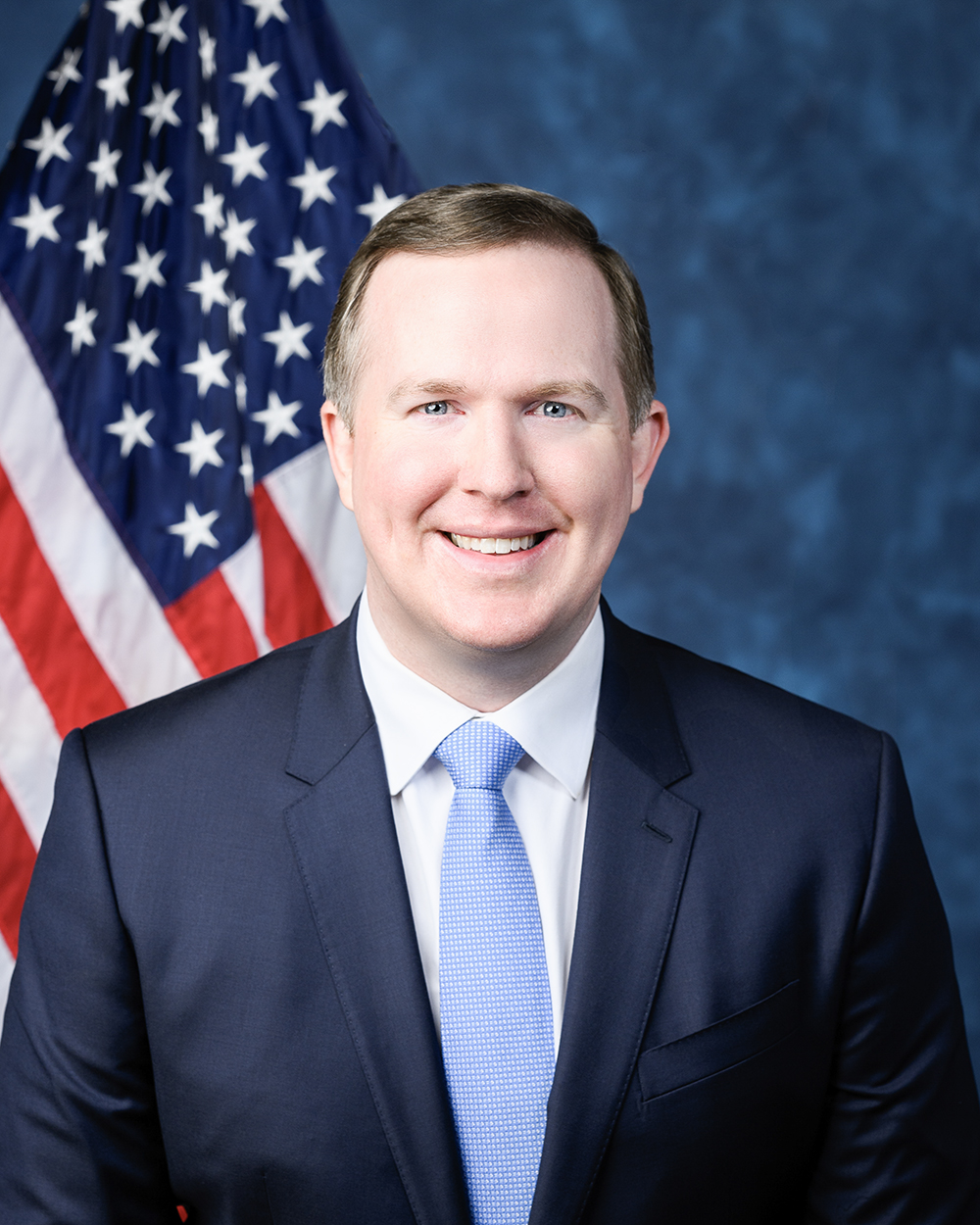
Rep. Brian Jack
Total votes
669
all sessions
Attendance
100%
of floor votes
Higher than 96% of chamber peers
With party
96%
of cast votes
Near the chamber average
Bipartisan score
2%
crosses aisle rarely
Near the chamber average
Sponsored
130
bills & resolutions
Lower than 91% of chamber peers
Committees
9
assignments
130 bills and resolutions
Sponsored bills
Total
130
Primary
9
Co-sponsor
121
This page
130
matching current filters
ASAP Act
Maddy summaryThis bill would require Medicare to cover early detection screening tests for Alzheimer's disease and related dementias starting January 1, 2028. It defines eligible tests as FDA-cleared genomic blood tests, blood product analyses, or equivalent medical imaging methods (like protein expression or whole genome sequencing) that detect pre-symptomatic or early-stage conditions. Medicare beneficiaries would receive this coverage without cost-sharing for these specific screenings. The bill amends Medicare coverage rules to explicitly include these tests under Section 1861(nnn) of the Social Security Act.
In committee Sep 16, 2026
1 co-sponsor
American Franchise Act
Maddy summaryHR 5267, the American Franchise Act, clarifies when franchisors can be considered joint employers of franchisee employees under federal labor laws. It defines "substantial direct and immediate control" over essential employment terms like wages, benefits, hours, hiring, and discipline - requiring franchisors to actively set these terms to be deemed joint employers. The bill explicitly excludes routine brand standards, training, or minimal safety requirements from constituting such control. This directly affects franchisors and franchisees by limiting joint employer liability to cases where franchisors exert significant, ongoing influence over core employment decisions. The law applies prospectively to new cases after enactment, not past disputes.
In committee Sep 8, 2026
1 co-sponsor
Federal Relocation Payment Improvement Act
Maddy summaryHR 6330, the Federal Relocation Payment Improvement Act, allows federal agencies to pay eligible employees a single lump-sum payment instead of the standard relocation reimbursements when employees move for government work. This directly affects federal employees who relocate for agency assignments, giving agencies flexibility to choose between the lump sum or existing payment methods. The bill requires the General Services Administration to create regulations detailing when agencies may use lump sums, how to calculate the amount, and the process for employees to dispute claims or appeal decisions to the Civilian Board of Contract Appeals. It does not change relocation eligibility but modifies the payment structure and dispute procedures.
Passed Jul 21, 2026
0 co-sponsors
Heat Workforce Standards Act of 2025
Maddy summaryHR 6213, the Heat Workforce Standards Act of 2025, prohibits the U.S. Department of Labor from finalizing, implementing, or enforcing OSHA's proposed "Heat Injury and Illness Prevention" standard (published August 30, 2024). This bill directly blocks the specific regulatory proposal targeting heat safety in both outdoor and indoor work settings. It does not create new requirements or affect workers; it solely prevents the implementation of the existing OSHA proposal. The bill is procedural, focusing on halting a regulatory action rather than establishing new policy.
EnvironmentOpposes EnvironmentBill blocks OSHA heat safety regulations, weakening environmental and worker protection standards related to heat exposure and pollution control.
HealthcareOpposes HealthcareBlocks OSHA's heat safety standard, preventing implementation of workplace health protections for heat-related illness prevention.
Labor & EmploymentOpposes Labor & EmploymentBlocks OSHA heat safety standard, preventing implementation of workplace safety protections for workers.
In committee Jul 21, 2026
1 co-sponsor
To name the Department of Veterans Affairs multispecialty clinic in Marietta, Georgia, as the "Colonel Michael H. Boyce Department of Veterans Affairs Multispecialty Clinic".
Maddy summaryThis bill names the Department of Veterans Affairs multispecialty clinic at 1263 Cobb Parkway NW in Marietta, Georgia, as the "Colonel Michael H. Boyce Department of Veterans Affairs Multispecialty Clinic." It is a ceremonial resolution with no policy changes or funding impacts - it solely updates the facility's official designation in government records. The clinic itself remains unchanged, and the bill does not alter services, funding, or operations for veterans.
Passed Jul 21, 2026
1 co-sponsor
Chloe Cole Act of 2026
Maddy summaryHR 7651, the Chloe Cole Act of 2026, prohibits healthcare providers from performing certain medical interventions on minors under 18 aimed at altering physical development to align with gender identity. These "covered interventions" include puberty blockers, hormone treatments, and specific surgeries, but exclude medically necessary care for conditions like disorders of sexual development or traumatic injuries. The bill creates a federal civil lawsuit right for affected minors or their parents against providers who perform such interventions, allowing claims for damages including emotional distress and punitive awards, with strict liability for providers after the law's enactment. It explicitly allows exceptions for legitimate medical treatments and requires providers to prove such exceptions apply if challenged.
In committee Jul 15, 2026
1 co-sponsor
PRESS Act
Maddy summaryHR 7184, the PRESS Act, targets equipment used to manufacture illegal drugs by making it unlawful to sell specific items like tableting machines, gelatin capsules, or related chemicals when the seller knows the equipment will be used to produce controlled substances for unlawful U.S. importation. It directly affects manufacturers and distributors of these drug-making tools who have knowledge or reasonable cause to believe their products will facilitate illegal drug trafficking. The bill adds new prohibitions to the Controlled Substances Act and increases potential prison sentences for violations, with penalties reaching up to 20 years for major offenses involving large quantities of equipment or chemicals. These changes aim to disrupt the supply chain for illicit synthetic drugs by holding equipment sellers accountable for their intended use.
In committee Jul 15, 2026
1 co-sponsor
Protecting Privacy in Purchases Act
Protecting Privacy in Purchases Act This bill prohibits payment card networks from using merchant codes that distinguish firearms retailers from general-merchandise retailers or sporting-goods retailers. The Department of Justice must enforce this bill and report annually on the resulting investigations and cases.
Passed Jul 15, 2026
1 co-sponsor
Providing for consideration of the bill (H.R. 1181) to prohibit payment card networks and covered entities from requiring the use of or assigning merchant category codes that distinguish a firearms retailer from general-merchandise retailer or sporting-goods retailer, and for other purposes; providing for consideration of the bill (H.R. 9022) making appropriations for energy and water development and related agencies for the fiscal year ending September 30, 2027, and for other purposes; providing for consideration of the bill (H.R. 8595) making appropriations for national security, Department of State, and related programs for the fiscal year ending September 30, 2027, and for other purposes; and providing for consideration of the bill (H.R. 9237) to amend titles 10 and 38, United States Code, and other Federal laws, to improve benefits for veterans and the administration of the Department of Veterans Affairs.
This resolution provides for the consideration of the bill (H.R. 1181) to prohibit payment card networks and covered entities from requiring the use of or assigning merchant category codes that distinguish a firearms retailer from general-merchandise retailer or sporting-goods retailer, and for other purposes; providing for consideration of the bill (H.R. 9022) making appropriations for energy and water development and related agencies for the fiscal year ending September 30, 2027, and for other purposes; providing for consideration of the bill (H.R. 8595) making appropriations for national security, Department of State, and related programs for the fiscal year ending September 30, 2027, and for other purposes; and providing for consideration of the bill (H.R. 9237) to amend titles 10 and 38, United States Code, and other Federal laws, to improve benefits for veterans and the administration of the Department of Veterans Affairs.
In committee Jul 13, 2026
0 co-sponsors
Ask Maddy
·
AI policy assistant
Ask Maddy about Brian Jack
Scope: arizona
Hi! I can help you understand Brian Jack's legislative record. What would you like to know?
Try one of these
i
Maddy answers using official bill text and legislative records. Always verify before sharing.
Sources cited inline