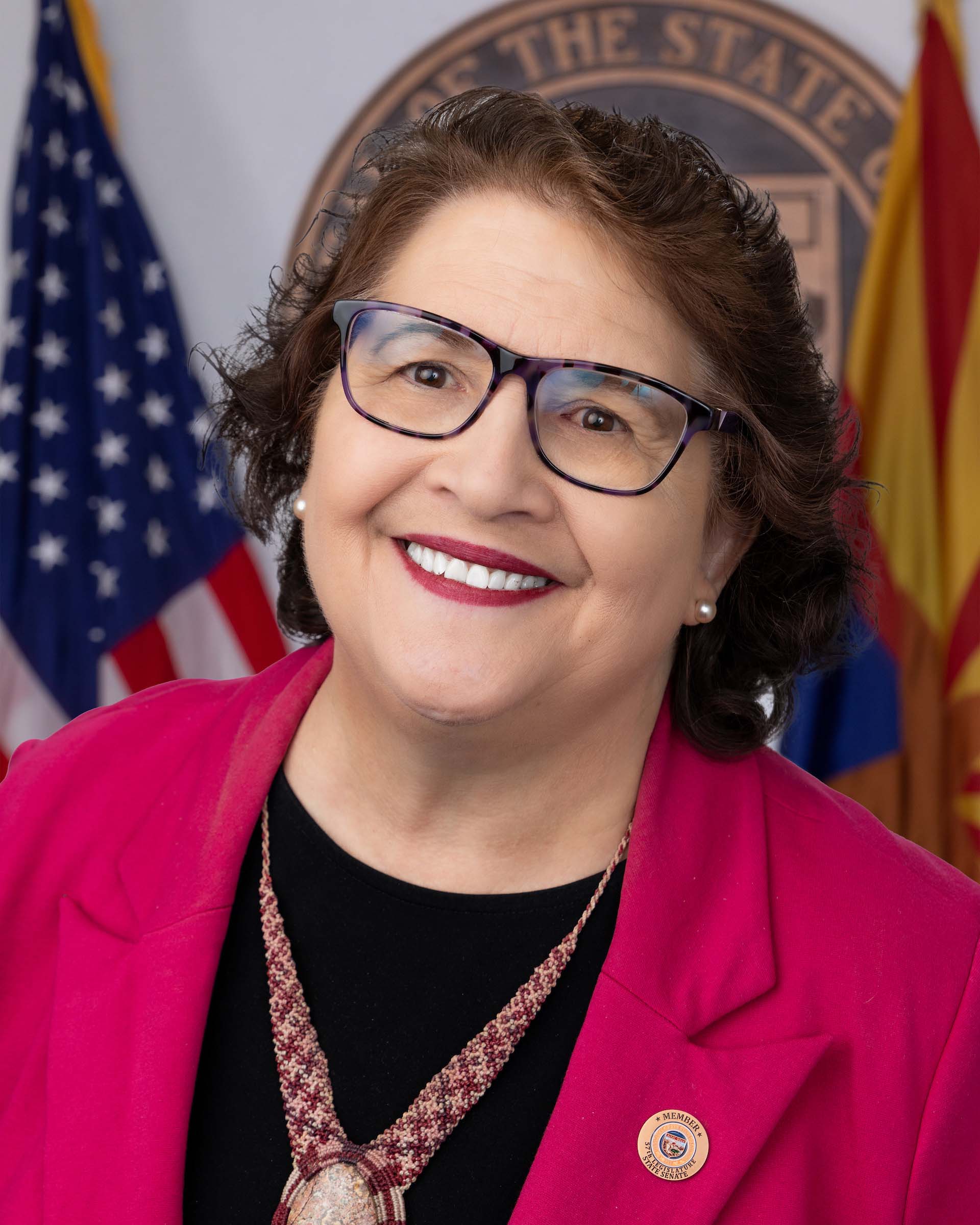
Maddy summarySB 1429, the Arizona Right to Contraception Act, establishes legal rights for individuals to access contraceptives and engage in contraception, and for healthcare providers to offer these services. It prohibits state or local restrictions that single out contraceptive services, such as requiring special permits for clinics or limiting access to specific methods. The law explicitly prevents interference with providers’ ability to prescribe contraceptives or patients’ ability to obtain them, while maintaining existing requirements for informed consent before sterilization procedures. This bill directly affects Arizonans seeking reproductive healthcare and licensed healthcare providers who prescribe or discuss contraception.
Sponsored bills
Maddy summarySB 1416 allows blind or visually impaired voters (and voters with print disabilities) in Arizona to request early ballots using a federal postcard application form. It requires counties to send ballots via the voter’s chosen method - electronic (internet/fax) or mail - within 45 days of an election for registered voters, eliminating the need for paper ballots if delivered electronically. Voters can also designate their preferred delivery method when applying, and counties must verify ballot receipt at no cost to the voter. This bill directly affects eligible voters with visual impairments or print disabilities by expanding accessible ballot delivery options under Arizona law.
Maddy summarySB 1398 amends the Arizona Board of Nursing's regulatory authority, specifically adding that the board cannot decide scope of practice for abortion as defined in section 36-2151. The bill primarily focuses on the board's powers regarding nursing practice, including rules for nurse practitioners, midwives, and medication assistants, but does not establish an abortion waiting period or define authorized providers. The provided bill text contains no provisions about waiting periods, authorized providers, or abortion access, contradicting the bill's title. This summary is based solely on the amended statute text provided, which addresses nursing board regulations, not abortion policy.
Maddy summarySB 1419 creates a statewide recycling program for large electronic devices in Arizona, requiring manufacturers to establish and fund collection and recycling systems. It directly affects manufacturers of covered devices (like computer monitors over 4 inches, desktops, laptops, and TVs over 4 inches), retailers selling these devices, and households/businesses that use them. Key provisions include mandatory manufacturer registration with the state by 2026, annual fees, labeling requirements for products, and plans for statewide collection sites (including at least one per city over 50,000 residents). The law prohibits sales of covered devices without compliance and mandates environmentally sound recycling, excluding appliances, industrial equipment, and small devices.
Maddy summarySB 1399 protects individuals from arrest or prosecution for drug possession or use when seeking or providing medical help for a drug overdose. It applies to people calling 911 for themselves or others experiencing an overdose, or contacting hospitals/poison control. The law prevents charges related to the overdose incident itself, though it does not block arrests for other crimes or seizure of contraband. It also allows seeking medical assistance to be considered a mitigating factor in related criminal cases. The bill specifically covers controlled substances and drug paraphernalia, not other offenses.
Maddy summaryThis bill (SB 1414) is a procedural amendment to Arizona's court fee schedule, not a substantive law about firearm transfers as its title suggests. It updates specific filing fees for domestic relations cases (e.g., $149 for divorce petitions, $74 for responses) but does not change domestic violence protections or firearm transfer rules. The bill only affects court clerks and individuals filing domestic relations cases, altering fee amounts for processes like divorce, custody, or protective orders. It has no provisions related to firearm restrictions or domestic violence interventions, and its current status is pending Senate review (2025-02-03/04 readings).
Maddy summarySB 1422 repeals two Arizona laws (ARS 9-500.38 and 11-269.16) and amends ARS 44-1648 to clarify that statewide registration of scrap metal dealers is a "matter of statewide concern," preempting local registration requirements. However, cities, towns, and counties retain authority to enforce business licensing rules for scrap metal dealers, including systems requiring background checks or fingerprinting of owners. Existing licenses held by scrap metal dealers in good standing before September 13, 2013, remain valid and cannot be revoked solely for needing reapplication. This bill directly affects scrap metal dealers and local governments managing business licensing systems.
Maddy summarySB 1388 repeals a specific provision in Arizona law (Title 49, chapter 1, article 6) that previously prohibited certain greenhouse gas programs. This bill removes a legal restriction affecting how greenhouse gas programs can operate within Arizona. The repeal would allow state agencies or programs to implement greenhouse gas initiatives without the prior prohibition. The bill is currently in early legislative stages, having passed its first two readings in the Senate on February 3-4, 2025.
Maddy summarySB 1391 amends Arizona's environmental statute to strengthen the Department of Environmental Quality's role in protecting water resources. It specifically adds a duty for the department to "promote and coordinate the protection and enhancement of the quality of water resources" as part of its core responsibilities. This procedural update clarifies the department's authority to develop policies and coordinate efforts for water quality, without establishing new pollutant limits or directly regulating specific entities. The bill focuses on the department's internal framework for addressing water protection, not on new standards or enforcement actions.
Maddy summarySB 1327 requires Arizona's Auditor General to study the costs of online instruction programs and schools for fiscal years 2021-2024, including administration, technology, personnel, and curriculum expenses. The study must examine school finance formula funding per online student, recommend reporting improvements, and identify ways to reduce administrative burdens. The state appropriates $165,000 for this study in fiscal year 2025-2026, with the requirement expiring December 31, 2026. This bill directly affects online education programs, schools, and the Auditor General's office by mandating a cost analysis, not by changing online education policies.