Issue · Transportation

Transportation

Every transportation bill, vote, and legislator stance in Arizona, automatically classified by Maddy, our AI policy reader.

Total bills
97
57th Legislature - Second Regular Session
Top supporter
Hildy Angius
87% support rate
Top opponent
Mitzi Epstein
22% support rate
Ranked legislators
10
5 support · 5 oppose
Key legislators

Who's moving transportation in Arizona

Legislators moving transportation in Arizona
Legislator Party Stance Support rate Votes
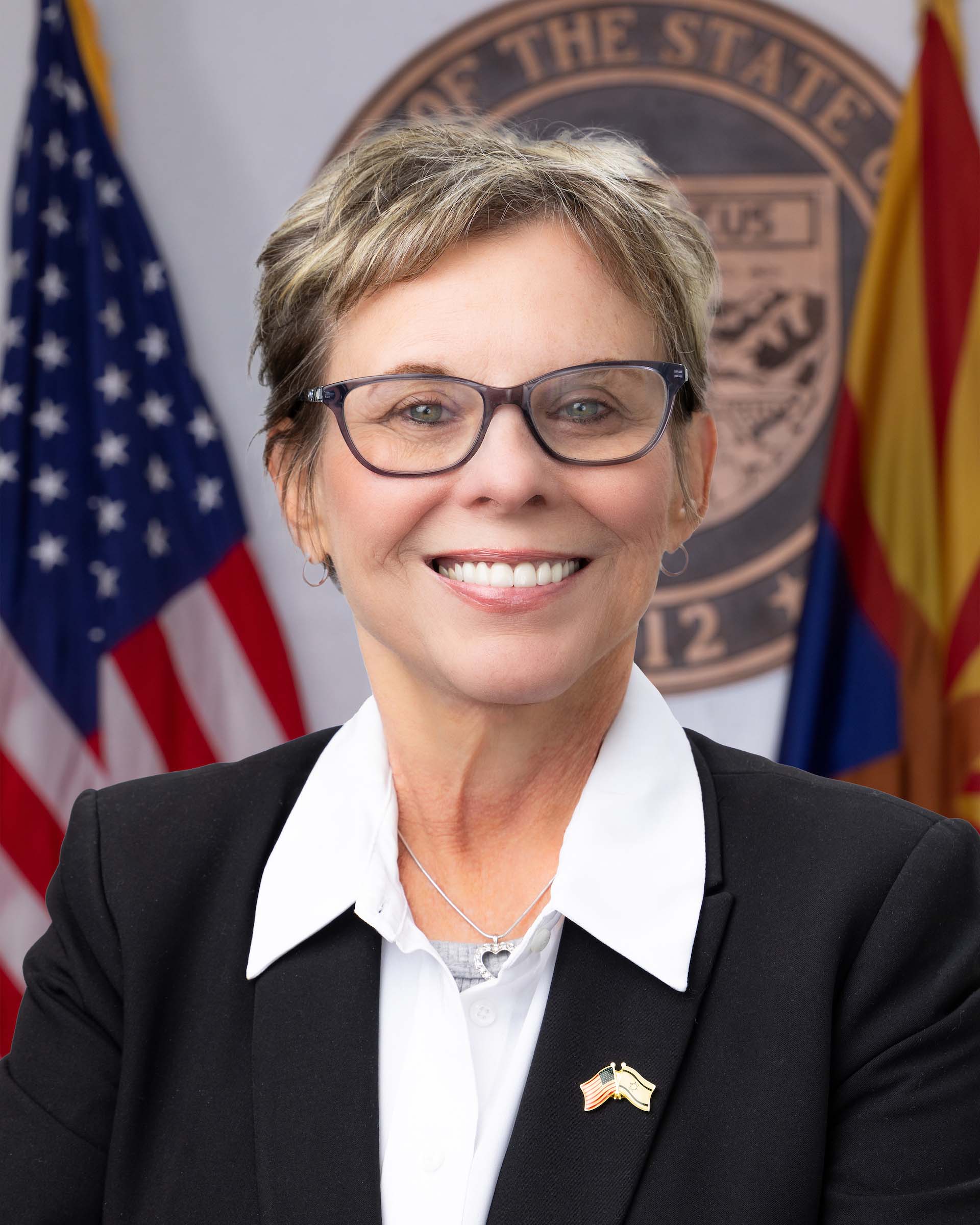
Hildy Angius
Hildy Angius Senate · District 30
R
Strong +
87% 125
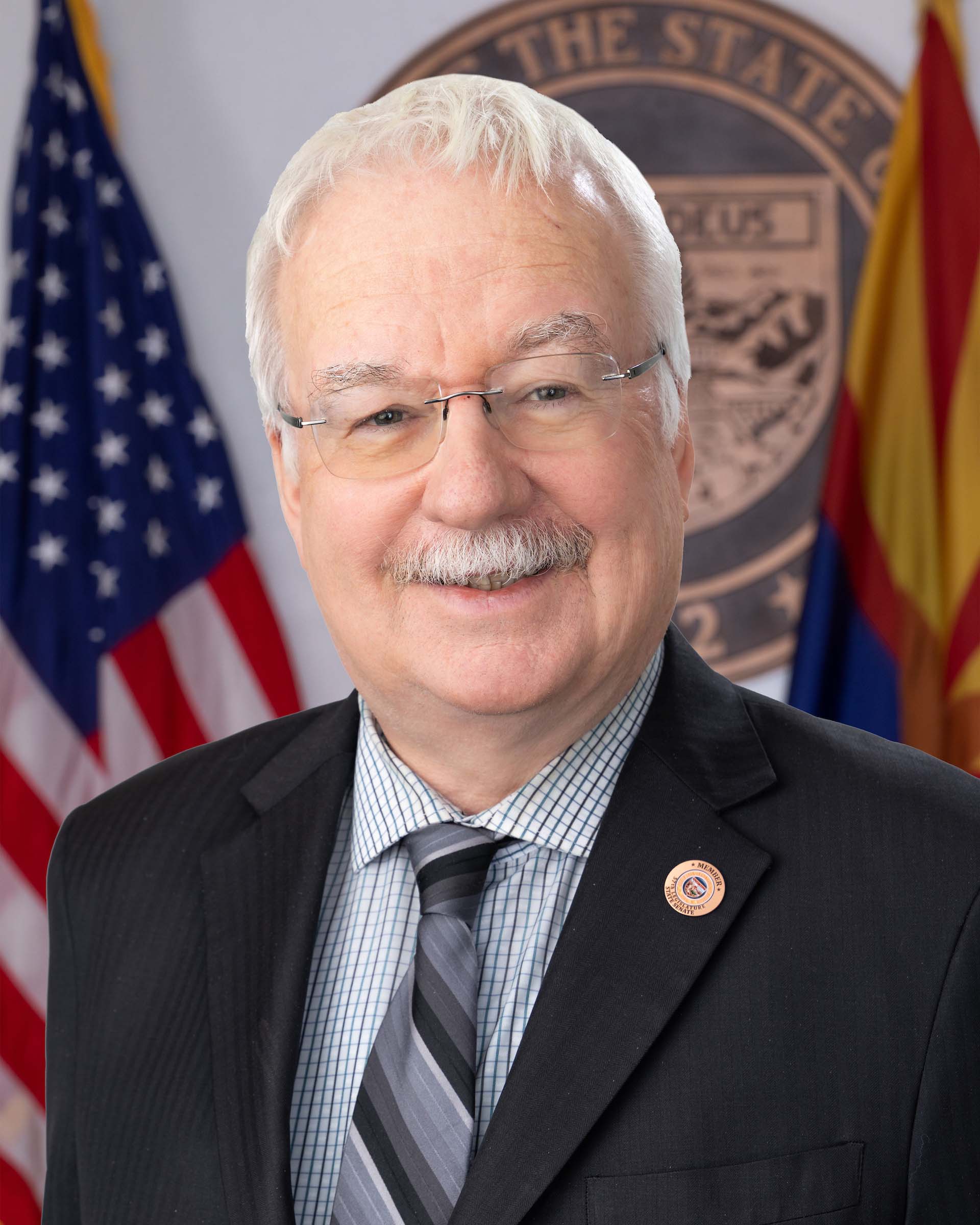
John Kavanagh
John Kavanagh Senate · District 3
R
Strong +
87% 126
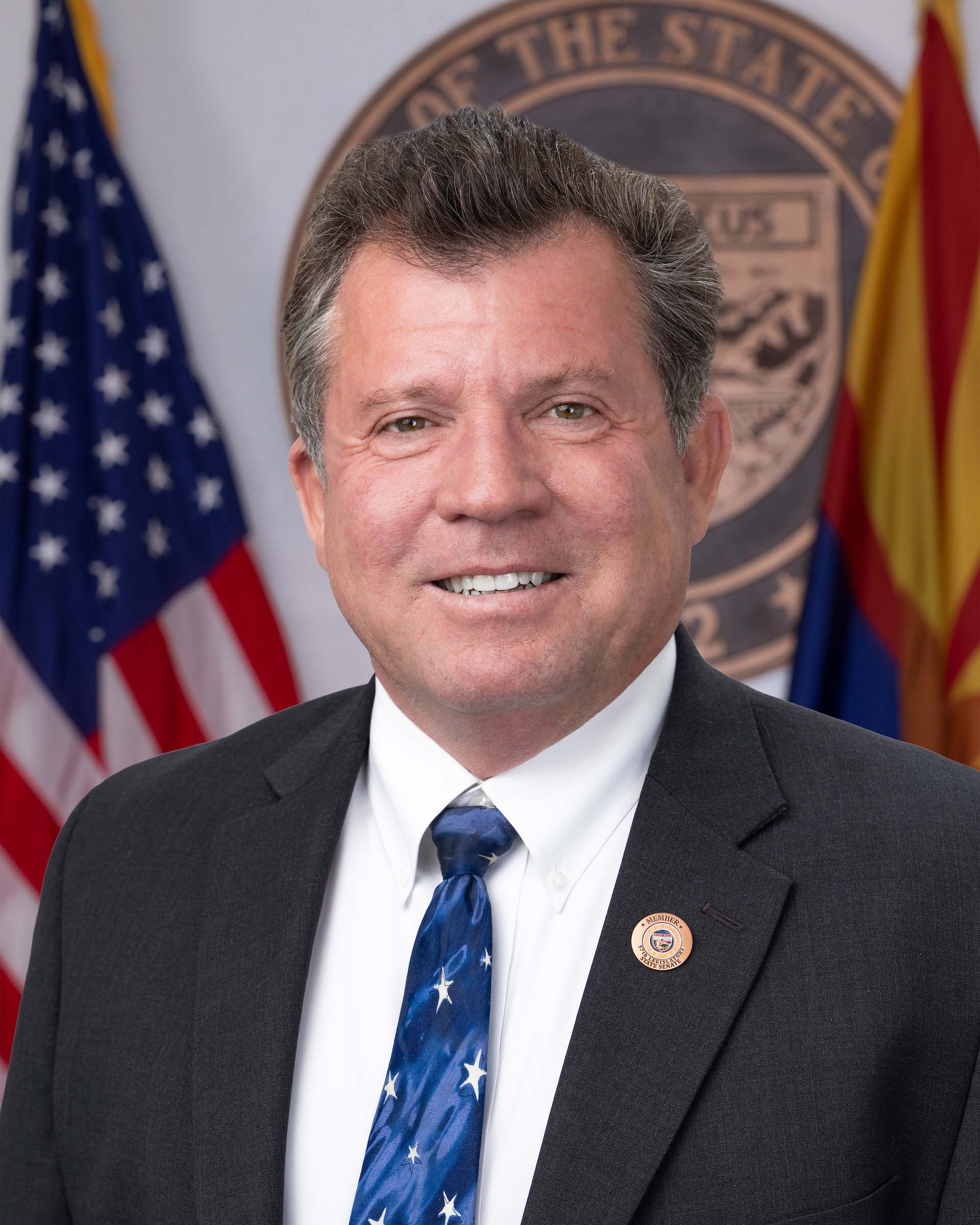
Tim Dunn
Tim Dunn Senate · District 25
R
Strong +
87% 126
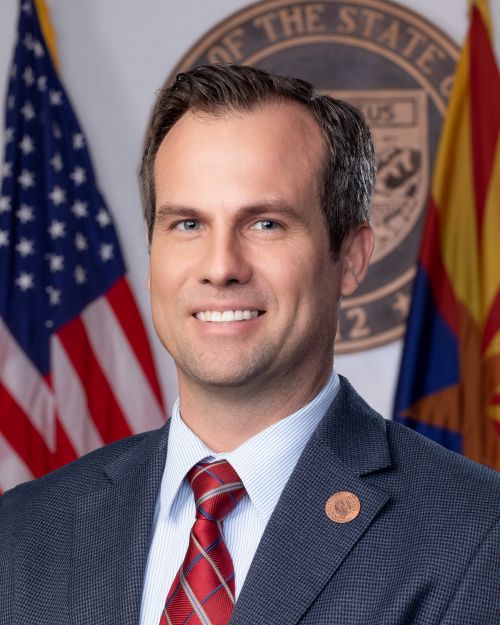
Warren Petersen
Warren Petersen Senate · District 14
R
Strong +
86% 123
Wendy Rogers
Wendy Rogers Senate · District 7
R
Strong +
85% 112
Mitzi Epstein
Mitzi Epstein Senate · District 12
D
Oppose
22% 122
Eva Diaz
Eva Diaz Senate · District 22
D
Oppose
24% 109
Nancy Gutierrez
Nancy Gutierrez House · District 18
D
Oppose
25% 122
Mariana Sandoval
Mariana Sandoval House · District 23
D
Oppose
26% 161
Anna Abeytia
Anna Abeytia House · District 24
D
Oppose
26% 130
Showing 71–80 of 97 bills

All transportation bills

in committee · Arizona · House Feb 18, 2026

HB 2609: appropriation; ADOT; roundabout; SR 89A

HB 2609 allocates $5,016,000 from Arizona's state general fund for fiscal year 2026-2027 to the Arizona Department of Transportation (ADOT). This funding is specifically for the city of Sedona to construct and improve a roundabout at the intersection of State Route 89A, Forest Road, and Ranger Road. The bill directly affects Sedona residents and travelers at this intersection by providing dedicated state funding for the infrastructure project. As a funding appropriation, it does not create new laws but enables a specific transportation improvement.
Sub-Topics Roads & Highways
in committee · Arizona · House Feb 18, 2026

HB 2760: appropriation; rural transportation fund

HB 2760 allocates $15 million from Arizona's state general fund for fiscal year 2026-2027 to the rural transportation fund established under Arizona Revised Statutes §28-339. This funding directly supports transportation infrastructure projects in rural Arizona communities by providing state matching funds for eligible initiatives. The bill creates no new programs but specifies a dedicated budget allocation to enhance rural road and transit improvements. It is currently in early legislative stages, having passed its first two House readings.
passed · Arizona · Senate Mar 25, 2026

SB 1273: appropriation; Olga Frontage Road

SB 1273 appropriates $14 million from Arizona's state general fund for fiscal year 2026-2027 to the Arizona Department of Transportation (ADOT). The funds are specifically for pavement rehabilitation work on Olga Frontage Road between Bowie and San Simon. This bill directly affects ADOT's infrastructure maintenance budget and the communities along that road segment. It is a straightforward funding measure with no additional policy provisions beyond the allocation.
failed · Arizona · Senate Feb 10, 2026

SB 1551: budget stabilization fund; transportation fund

SB 1551 creates a statewide infrastructure trust fund to finance transportation projects like highway construction and improvements. It automatically transfers money from Arizona’s budget stabilization fund (BSF) to this trust fund when the state’s economic growth exceeds a set threshold, using specific formulas based on personal income and inflation data. The bill also sets rules for when the BSF must return funds to the general state budget if growth is low, and limits the BSF balance to 10% of general fund revenue. This directly affects how the state manages transportation funding and budget reserves, without targeting specific groups or communities. The bill focuses on procedural fund transfers rather than new policy outcomes.
in committee · Arizona · House Jan 27, 2026

HB 2236: appropriation; northeast Arizona training center

HB 2236 appropriates $4.3 million from Arizona's general fund for capital improvements at the northeast Arizona training center operated by Northland Pioneer Community College in Navajo County. The funds must be used exclusively for public safety workforce training, including modernizing the driving track to meet state standards, expanding classroom space for law enforcement and emergency services programs, and upgrading related infrastructure. The college must report by December 2027 on how the money was spent, progress toward training standards, completed facility upgrades, and enrollment/outcomes data. This bill directly affects public safety training programs and their participants in northeast Arizona.
introduced · Arizona · House Jan 21, 2026

HB 2761: appropriation; ADOT; Cornville Road study

HB 2761 appropriates $300,000 from the state general fund for fiscal year 2026-2027 to the Arizona Department of Transportation (ADOT) to conduct an infrastructure study focused on traffic improvements along Cornville Road. This bill directly affects Cornville Road residents and commuters by funding an assessment of potential traffic solutions. The key provision is the allocation of funds specifically for ADOT to analyze infrastructure needs on this road segment, with no implementation of changes required. As a procedural funding measure, it does not enact policy but enables a future study.
signed · Arizona · House Jun 22, 2026

HB 2941: motorcycles; reckless driving

HB 2941 amends Arizona law to classify operating a motorcycle in violation of specific traffic rules (sections 28-903 B/C) as reckless driving. This directly affects motorcycle riders who commit such violations, increasing penalties for repeat offenses within 24 months. For second or subsequent violations, the law mandates a minimum 20-day jail sentence before eligibility for probation and imposes a one-year license suspension, with a restricted license option available after 45 days of suspension. The bill also requires judges to order license surrender and report convictions to the state department.
signed · Arizona · House Jun 22, 2026

HB 2257: HOV lane; blood transport vehicles

HB 2257 adds blood transport vehicles to the list of priority vehicles allowed in Arizona's high occupancy vehicle (HOV) lanes when the lanes are degraded. Specifically, it defines "blood transport vehicles" as nonprofit-owned or operated vehicles transporting blood between collection points, hospitals, or storage centers, and requires them to display a removable decal. This exception allows these vehicles to use HOV lanes even when carrying only one occupant (the driver), provided they display the required decal. The bill does not change the standard HOV lane requirements but creates a specific, limited exception for blood transport. This directly affects nonprofit blood banks, hospitals, and blood storage centers that transport blood products.
in committee · Arizona · House Feb 18, 2026

HB 2200: appropriation; State Route 89 widening

HB 2200 appropriates $36 million from Arizona's state general fund for the town of Chino Valley to develop a design concept report for widening State Route 89 between Road 5 North and Road 3 North. The town must first secure $1 million in non-state matching funds (from gifts, grants, or donations) before receiving the state allocation. This bill solely funds the initial planning phase of the project and does not authorize construction. It directly affects Chino Valley residents and local transportation planning by providing conditional state funding for a specific roadway improvement study.
Sub-Topics Roads & Highways
in committee · Arizona · House Feb 18, 2026

HB 2893: appropriation; Navajo Nation; transportation projects

HB 2893 appropriates over $36 million from Arizona's state general fund for fiscal year 2026-2027 to fund road improvements on Navajo Nation land. The bill directs the Arizona Department of Transportation to distribute funds specifically to the Navajo Nation Division of Transportation for graveling, sealing, and drainage work on three designated routes: Navajo Route 8090, 8070, and 8009. These projects directly affect Navajo Nation communities by upgrading rural transportation infrastructure. The funding is a direct allocation from the state budget, with no new policy requirements or eligibility changes for the recipient.
Showing 71 to 80 of 97 bills
Previous 1 7 8 9 10 Next