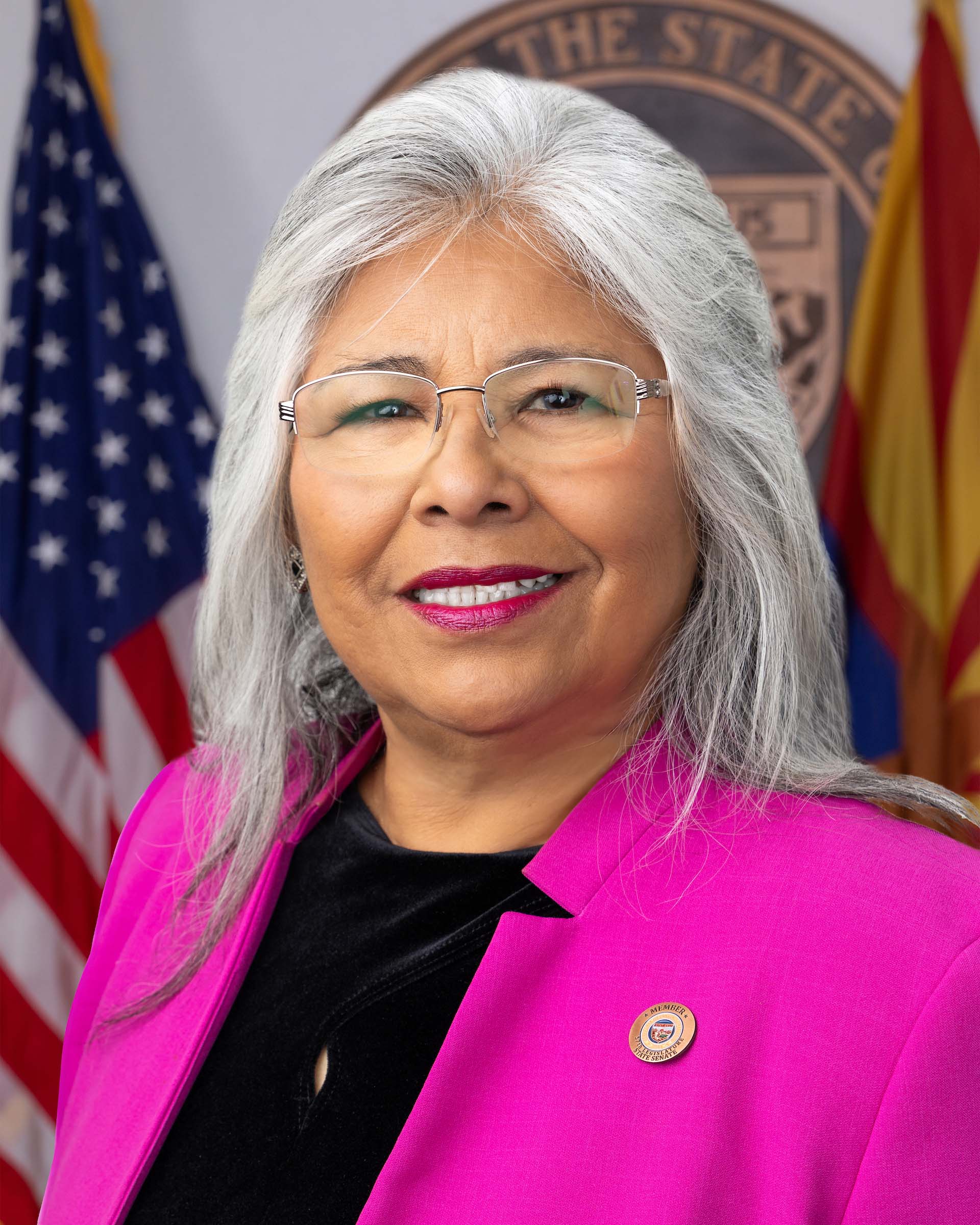
This bill establishes a new state fund to help Arizona communities secure federal transportation grants by covering up to 50% of application costs and providing matching funds for approved projects. The money is distributed equally among five categories based on population size, ranging from large counties and cities to smaller rural areas and towns, while excluding projects in the state's most populous urban regions. To receive these funds, applicants must first get approval from their local planning organization and then submit a detailed application to the state department for review. The bill also repeals an existing statute regarding highway user revenue fund distribution and creates a new section to govern the allocation of the new fund.
SB 1849 appropriates state funds to the Arizona Department of Transportation for various highway projects, including road repaving, bridge construction, and traffic studies across multiple counties. The bill allocates money for specific initiatives such as widening roads in Goodyear, building an overpass on State Route 347, and conducting feasibility studies for new corridors in Pinal and Pima counties. It also establishes conditions for certain projects, requiring local governments or regional associations to contribute matching funds before state money is spent. Additionally, the legislation exempts these specific appropriations from standard legislative review and prevents the funds from expiring until the projects are completed or abandoned.
HB 4156 directs the Arizona Department of Transportation to spend state funds on a wide range of highway projects, including repaving roads, building overpasses, and constructing new bridges across the state. The bill appropriates money from the state general fund and the state highway fund for specific tasks such as widening lanes, improving drainage, and studying future corridor expansions in various counties. It also includes provisions that exempt these specific appropriations from certain legislative reviews and prevents the funds from expiring until the projects are finished or abandoned. Additionally, the legislation sets expectations for local governments and regional associations to contribute their own money to several major infrastructure initiatives.
This bill establishes a new state fund to help Arizona communities pay for the upfront costs of applying for federal transportation grants. It directly affects local governments and organizations in counties and cities of all sizes by providing money for grant applications, engineering design, and matching funds. The program allocates money equally among five categories based on population size, with specific rules to exclude the largest urban areas from certain funding pools. Applicants must first get approval from local planning groups before receiving funds, and they must repay the money if they fail to secure the federal grant or receive duplicate funding elsewhere. Additionally, the bill repeals an existing statute regarding highway revenue distribution to make room for this new funding mechanism.
HB 4141 allocates state funds for the 2026-2027 fiscal year to support capital projects across several Arizona departments, including transportation, corrections, and building maintenance. The bill provides $432.663 million to the Department of Transportation for highway construction and planning, while also funding major repairs for state buildings, a veterans' home facility, and facilities for corrections and game and fish departments. It establishes specific reporting requirements for transportation spending and debt levels by November 2026 and includes conditions for spending on the veterans' home project, such as requiring federal funding commitments and site approval.
This bill appropriates state funds for fiscal year 2026-2027 to support capital projects across multiple Arizona agencies, including major maintenance for state buildings, highway construction, and the development of a veterans' home facility. It allocates specific amounts to the Department of Administration for building repairs, the Department of Corrections for facility renewal, and the Department of Transportation for statewide highway planning and construction. Additionally, the legislation establishes reporting requirements for the Department of Transportation to provide financial updates on highway expenses and debt obligations to legislative and executive officials. The bill also sets conditions for the veterans' home project, requiring federal funding commitments and site approval before any state money can be spent.
SB 1737 allocates $800,000 from Arizona's state general fund for fiscal year 2026-2027 to improve Navajo Route 8009. The funds will be distributed to the Navajo Division of Transportation for road maintenance work including grading, draining, graveling, and stabilizing the roadway. This bill directly affects the Navajo Nation's transportation infrastructure by providing dedicated funding for specific road repairs on Route 8009. The appropriation is exempt from standard state rules about unused funds expiring.
HB 4016 creates a new "community well-being special plate" option for Arizona license plates. To obtain these plates, individuals must pay a one-time $32,000 fee to the state department, plus an annual $25 fee per plate (with $17 of that amount designated as a donation to a new "community well-being special plate fund"). The remaining $8 of the annual fee goes to the state highway fund. This bill establishes a funding mechanism through plate fees but does not specify how the community well-being fund will be used.
SB 1735 appropriates $12.175 million from Arizona's state general fund for fiscal year 2026-2027 to improve Navajo Route 8090. The funds will support specific roadway upgrades including raising the road, drainage enhancements, graveling, and chip sealing, directly benefiting the Navajo Nation's transportation infrastructure. The appropriation is exempt from standard spending rules that would cause unused funds to lapse at year-end, ensuring the money remains available for the project.
HB 2822 increases the annual fee for most special license plates in Arizona from $25 to $50 per plate. The fee is split: $16 goes to the state highway fund for administration, and $34 is donated to the organization or cause that sponsors the plate (like charities or groups for hearing-impaired drivers). This change affects all Arizona drivers who obtain or renew special plates, directly impacting both plate holders and the designated beneficiary organizations.