Issue · Technology

Technology

Every technology bill, vote, and legislator stance in Arizona, automatically classified by Maddy, our AI policy reader.

Total bills
83
57th Legislature - Second Regular Session
Top supporter
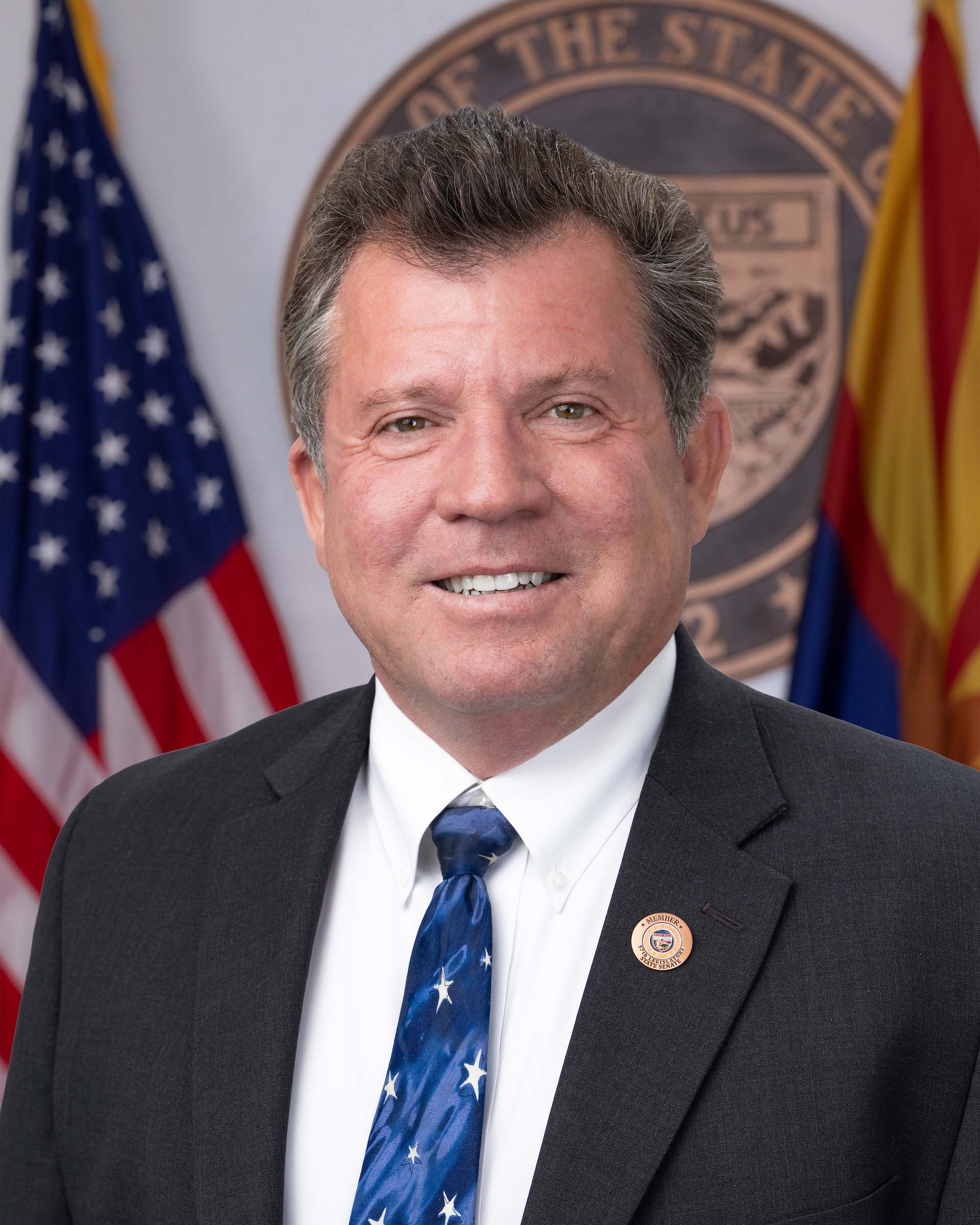
Kevin Payne
83% support rate
Top opponent
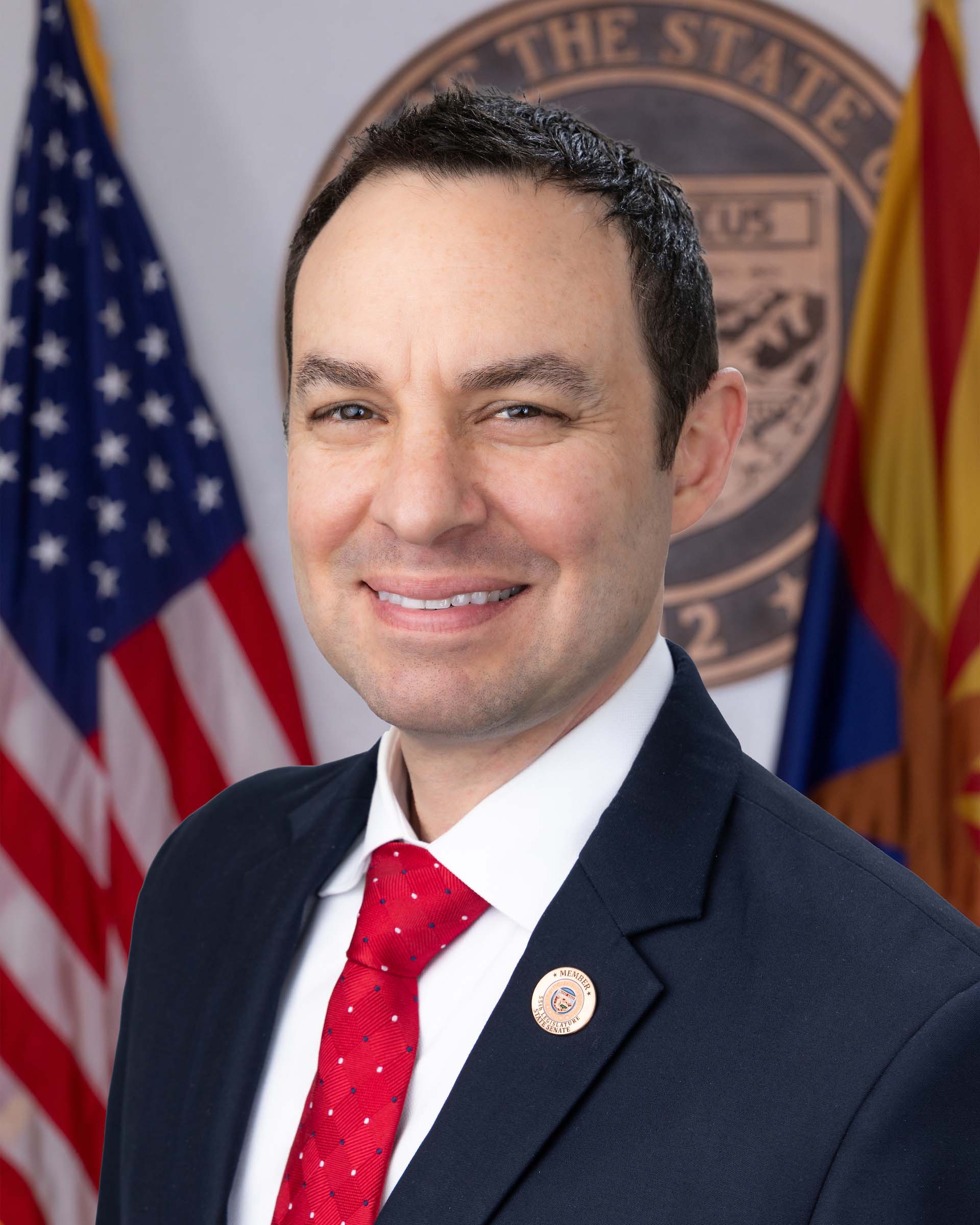
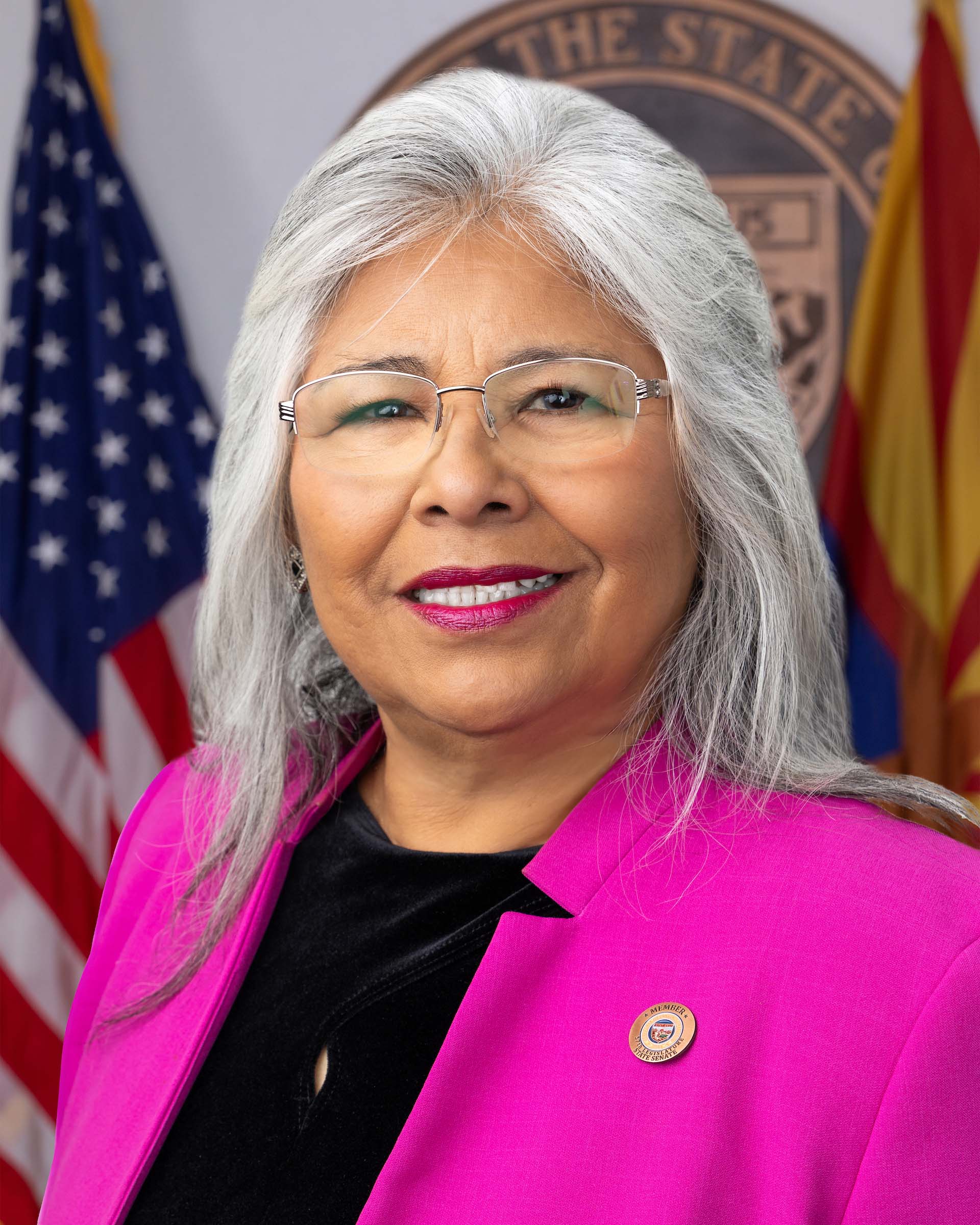
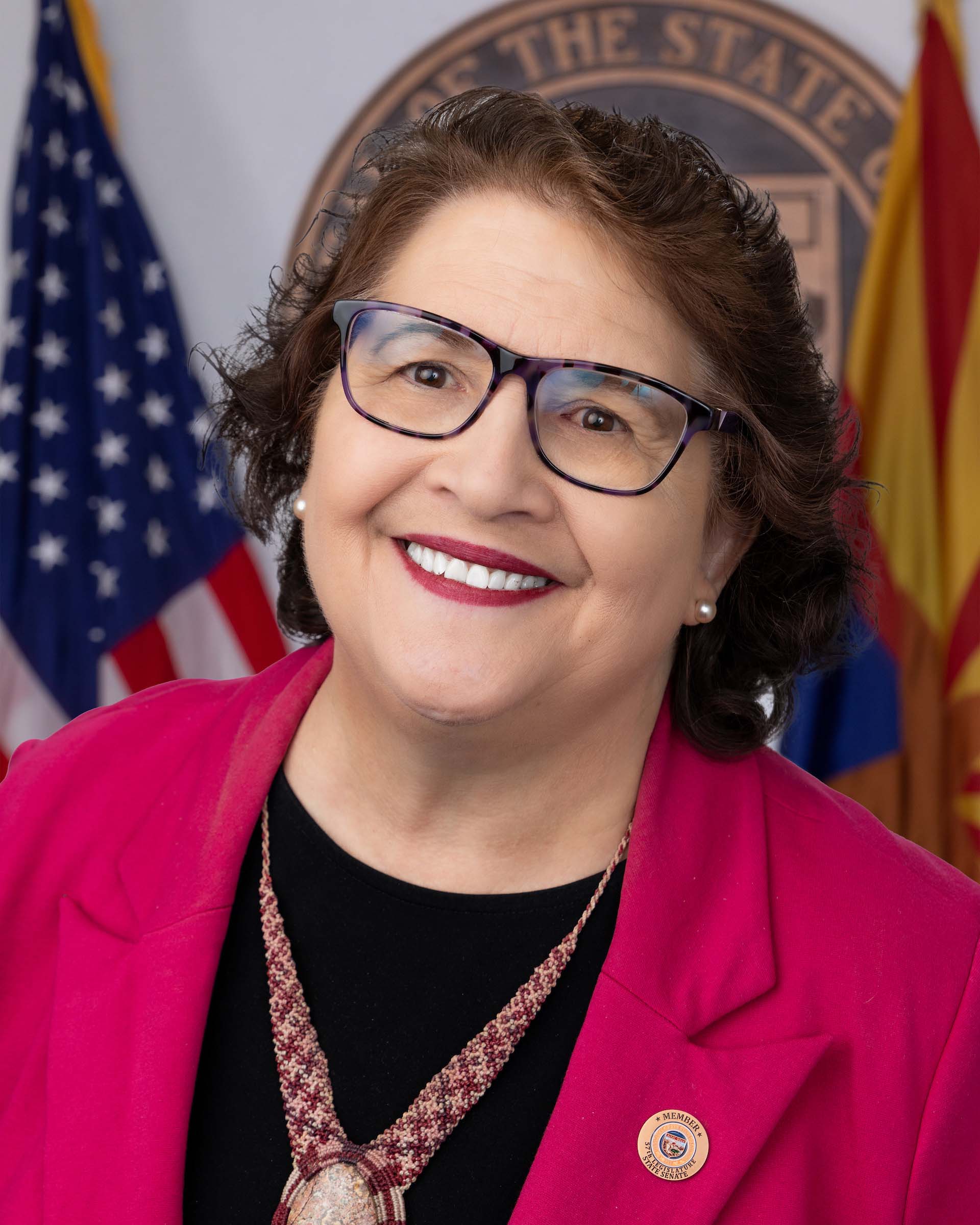
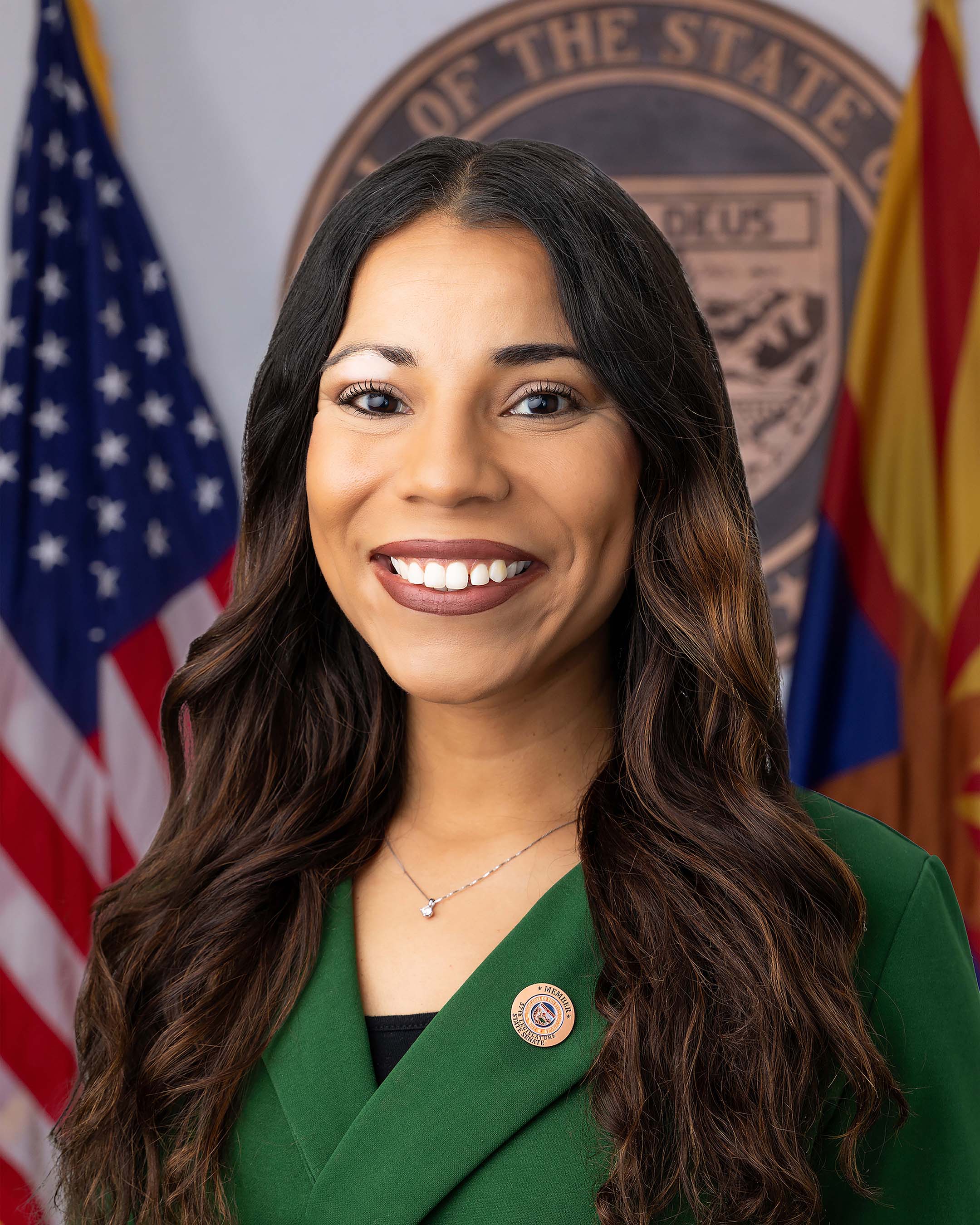
Catherine Miranda
19% support rate
Ranked legislators
10
5 support · 5 oppose
Key legislators

Who's moving technology in Arizona

Legislators moving technology in Arizona
Legislator Party Stance Support rate Votes
Kevin Payne
Kevin Payne Senate · District 27
R
Strong +
83% 148
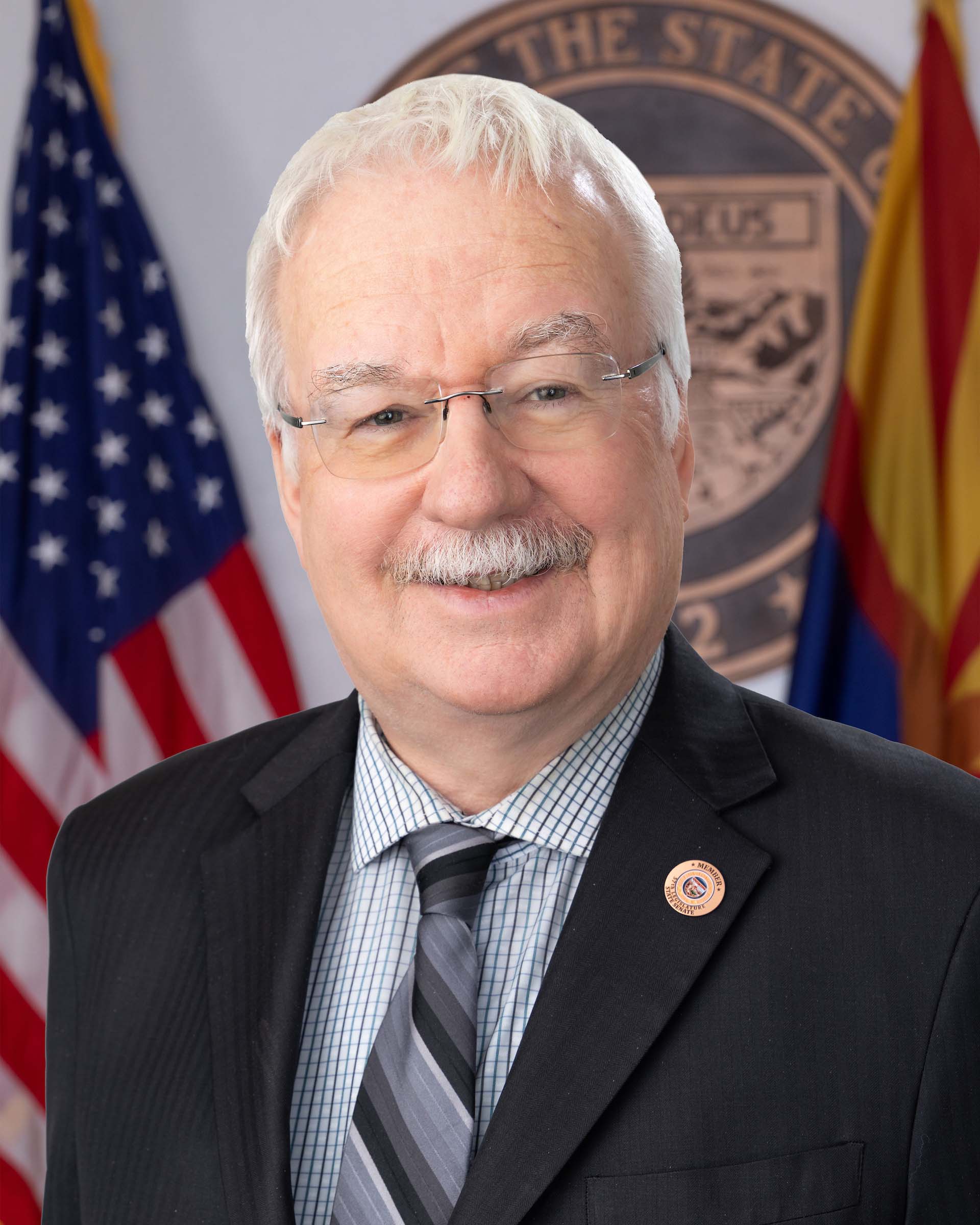
David Gowan
David Gowan Senate · District 19
R
Strong +
82% 159
Tim Dunn
Tim Dunn Senate · District 25
R
Strong +
82% 159
J.D. Mesnard
J.D. Mesnard Senate · District 13
R
Strong +
82% 158
John Kavanagh
John Kavanagh Senate · District 3
R
Strong +
82% 158
Catherine Miranda
Catherine Miranda Senate · District 11
D
Strong −
19% 143
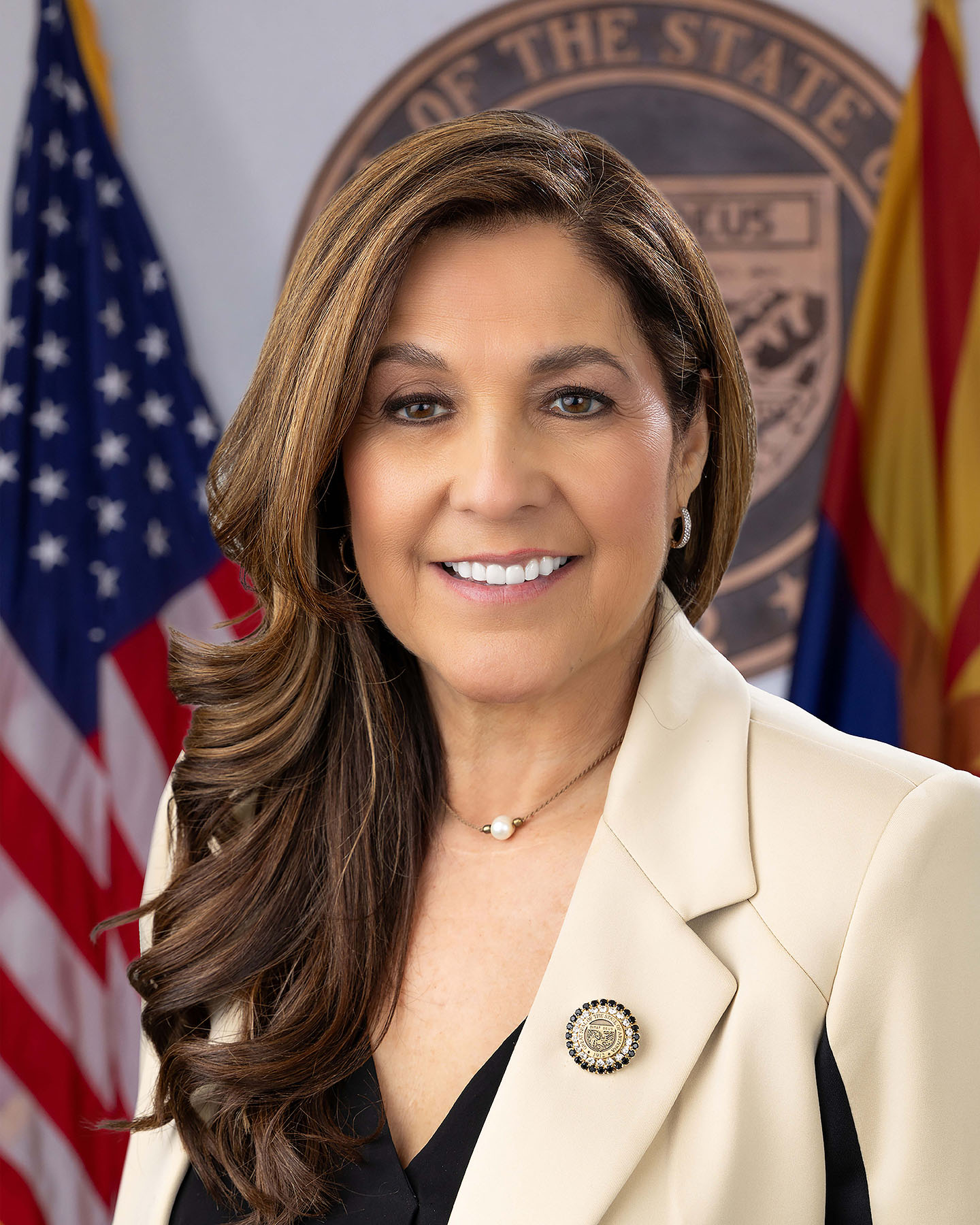
Eva Diaz
Eva Diaz Senate · District 22
D
Strong −
20% 120
Sally Gonzales
Sally Gonzales Senate · District 20
D
Oppose
21% 157
Mitzi Epstein
Mitzi Epstein Senate · District 12
D
Oppose
22% 150
Analise Ortiz
Analise Ortiz Senate · District 24
D
Oppose
24% 143
Showing 61–70 of 83 bills

All technology bills

vetoed · Arizona · House Jun 19, 2026

HB 2133: sexual material; consent; synthetic depiction

HB 2133 requires commercial websites hosting sexual material to verify that depicted individuals consented to the creation and distribution of the content, including AI-generated images that appear realistic but depict non-existent acts. Websites must document consent, maintain records for seven years, and implement measures to block unverified content, with violations triggering $10,000 daily civil penalties. The law exempts news, educational, and medical content but applies to platforms knowingly distributing such material without verified consent. It directly affects online platforms and content creators, aiming to prevent non-consensual sharing of intimate images, including synthetic depictions made via AI.
passed · Arizona · House Feb 26, 2026

HB 2410: artificial intelligence; privileged communications

HB 2410 would make communications with artificial intelligence protected (privileged) if those same communications would have been protected had they been made to a human professional, such as a lawyer or doctor. It directly affects people seeking advice from AI tools in contexts where human professional advice would normally be confidential. The bill establishes that AI interactions would be treated identically to human professional communications under existing privilege rules. This bill is currently pending in Arizona's legislature after its first two readings and has not yet become law.
introduced · Arizona · House Jan 29, 2026

HB 2930: broadband; internet protocol services; commission

HB 2930 replaces an old section of Arizona law with new rules requiring the state commission to oversee broadband and voice over internet protocol (VoIP) services. It mandates internet service providers to report network outages, share data on service availability and pricing, and meet minimum power backup standards for emergency preparedness. The commission must annually report to the legislature on progress toward improving broadband reliability, safety, and affordability across the state. This directly affects all internet service providers operating in Arizona by adding specific reporting and infrastructure requirements.
introduced · Arizona · Senate Feb 24, 2026

SB 1138: automated license plate readers

SB 1138 regulates how Arizona law enforcement agencies use automated license plate readers (ALPRs). It specifies that ALPRs may only be used for official purposes like identifying stolen vehicles, human trafficking, or major crime scenes (e.g., homicides), without requiring reasonable suspicion. The bill mandates that collected data must be deleted after 90 days unless needed as evidence, prohibits third-party data storage, requires officer training, and fines unauthorized data releases at $500 per image. These rules directly affect law enforcement agencies operating ALPRs statewide and limit public access to collected data.
introduced · Arizona · House Jan 26, 2026

HB 2879: medical records; medical facility; access

HB 2879 prohibits Arizona healthcare providers from sharing patient medical records or granting access to medical facilities for immigration enforcement purposes, directly affecting patients (especially immigrant communities), providers, and federal immigration agencies. The bill allows exceptions only if a patient signs a written authorization, a neutral magistrate issues a valid search warrant, or a subpoena is served under existing law. It explicitly defines "immigration enforcement" to include all federal efforts investigating or penalizing immigration status, employment, or entry into the U.S. The law aims to protect patient privacy by preventing healthcare settings from being used for immigration investigations. This bill does not alter existing medical privacy laws but adds specific restrictions for immigration-related requests.
in committee · Arizona · House Feb 2, 2026

HB 2193: student directory information; disclosures; exemptions

HB 2193 amends Arizona law to strengthen student privacy protections around directory information. It requires schools to notify parents and eligible students (18+ or emancipated) about what information is considered "directory information" and gives them the right to opt out of sharing specific details like address, phone, or email. Schools must obtain written consent for sharing these details or allow disclosure only if the student hasn’t opted out and the sharing is for educational purposes (e.g., to other students, parents, or school-affiliated nonprofits). The bill also mandates separate forms for students to authorize transcript releases to colleges, military recruiters, or both, and ensures schools comply with federal student privacy law (FERPA). This directly affects students, parents, schools, and organizations like military recruiters seeking student contact information.
Sub-Topics Data Privacy
introduced · Arizona · Senate Jun 12, 2026

SB 1574: immunization rates; disclosure; public schools

SB 1574 requires Arizona public schools to provide parents with the most recent school-wide immunization rates upon request. It directly affects parents of students in public schools and school districts or charter schools. The bill mandates disclosure of aggregated (grouped) rates reported to the health department, not individual student data. This ensures parents can access school-level vaccination statistics while protecting student privacy through the explicit exclusion of personally identifiable information.
Sub-Topics Public Health
passed · Arizona · Senate Mar 31, 2026

SB 1088: appropriation; Arizona homeland security; cybersecurity

SB 1088 appropriates $2.5 million from Arizona’s state general fund for the Arizona Department of Homeland Security’s cybersecurity programs during fiscal year 2026-2027. Specifically, $500,000 is allocated for generative artificial intelligence cybersecurity programs, and $2 million is designated to modernize the statewide VPN security network using a zero trust network access solution. This funding directly supports the state’s cybersecurity infrastructure and operations under the Department of Homeland Security. The bill does not create new policy but provides targeted financial resources for specific technical upgrades and emerging technology applications.
introduced · Arizona · House Jan 28, 2026

HB 2920: software applications; minors; requirements

HB 2920 requires app stores operating in Arizona to verify the age of users creating accounts and link accounts of minors (under 18, excluding married/emancipated individuals) to verified parent accounts. App stores must obtain parental permission before minors can download apps, make purchases, or access in-app purchases, and re-verify consent after significant app changes like new ads or in-app purchases. The bill mandates that app stores provide clear disclosures about age ratings, data collection, and privacy practices to parents before granting permission. It directly affects app store providers, minors under 18, and their parents within Arizona, with exemptions for preinstalled apps and core device functions.
Sub-Topics Data Privacy
introduced · Arizona · Senate Feb 2, 2026

SB 1499: telecommunication providers; rural areas

SB 1499 defines "telecommunications service provider" in Arizona law to include traditional phone companies, broadband providers, and cell carriers. It requires the state department to negotiate contracts with these providers to deliver services in rural or underserved areas. The bill establishes a formal process for the state to secure telecom services but does not specify funding, service standards, or timelines. This definition would directly affect the state department, telecom companies, and residents in rural Arizona communities lacking adequate service. The bill is currently in early legislative review (Senate First Reading).
Sub-Topics Broadband Access Telecommunications Tags Rural Communities
Showing 61 to 70 of 83 bills
Previous 1 6 7 8 9 Next