Issue · Labor & Employment

Labor & Employment

Every labor & employment bill, vote, and legislator stance in Arizona, automatically classified by Maddy, our AI policy reader.

Total bills
106
57th Legislature - Second Regular Session
Top supporter
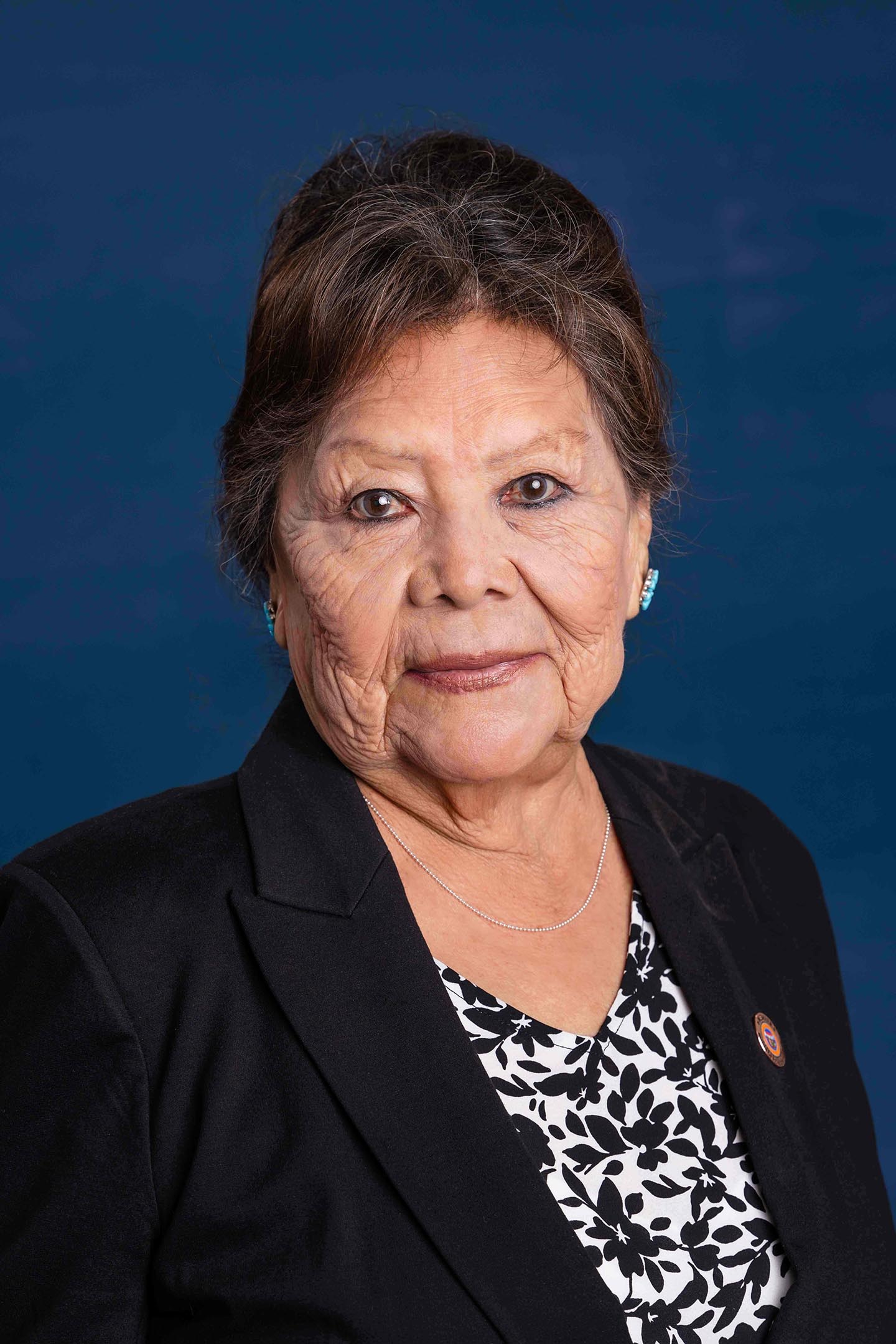
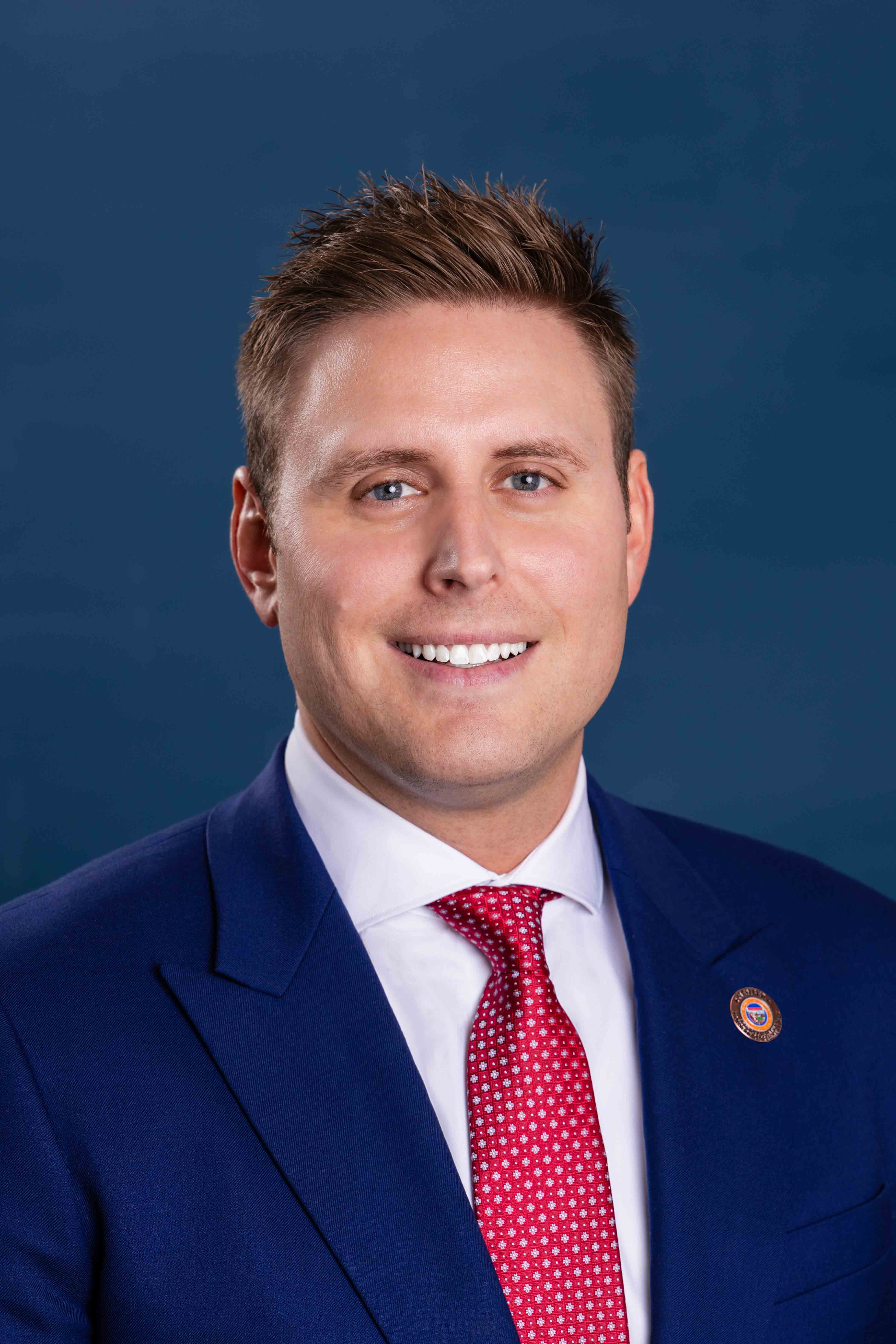
Mae Peshlakai
100% support rate
Top opponent
Michael Way
5% support rate
Ranked legislators
10
5 support · 5 oppose
Key legislators

Who's moving labor & employment in Arizona

Legislators moving labor & employment in Arizona
Legislator Party Stance Support rate Votes
Mae Peshlakai
Mae Peshlakai House · District 6
D
Strong +
100% 121
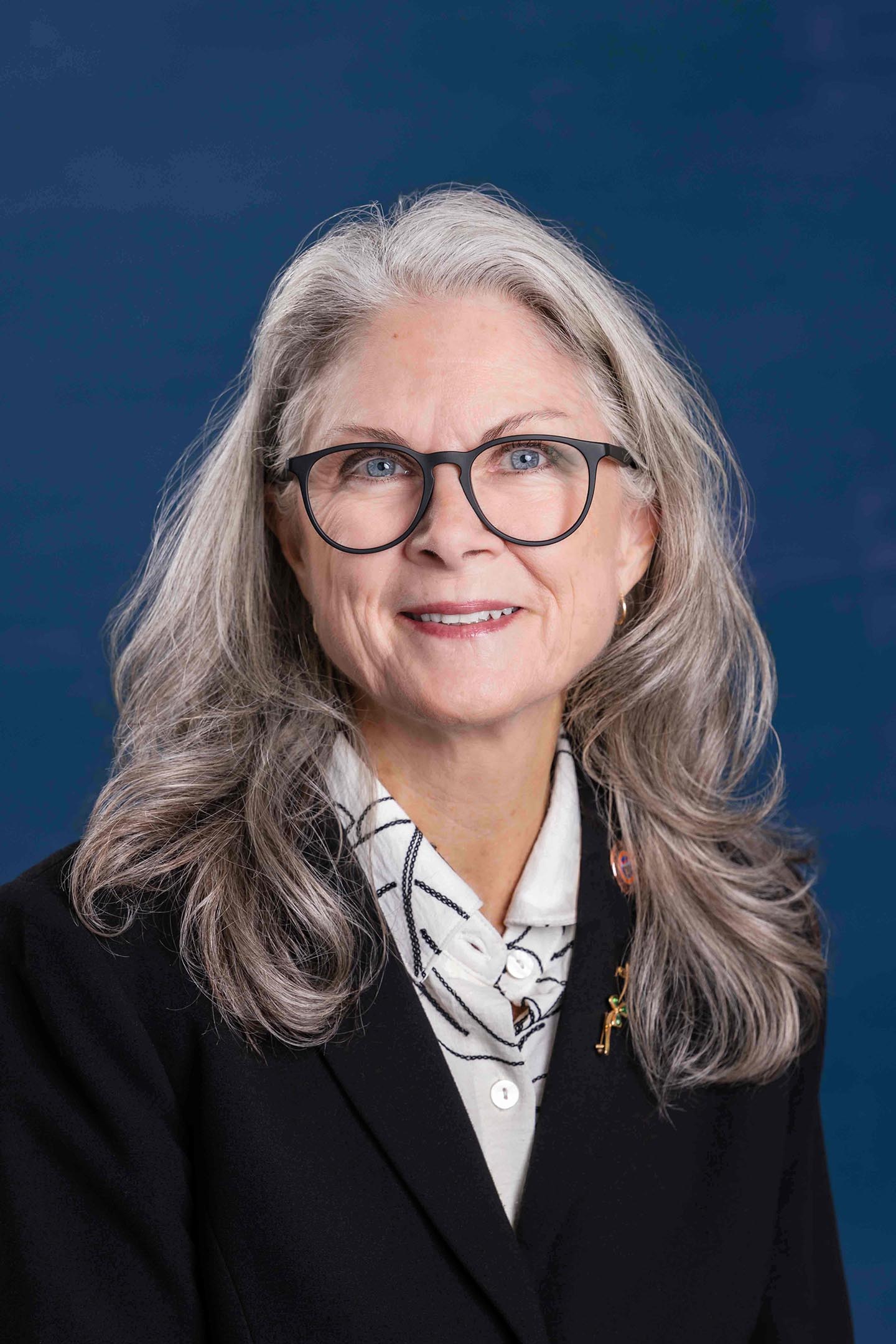
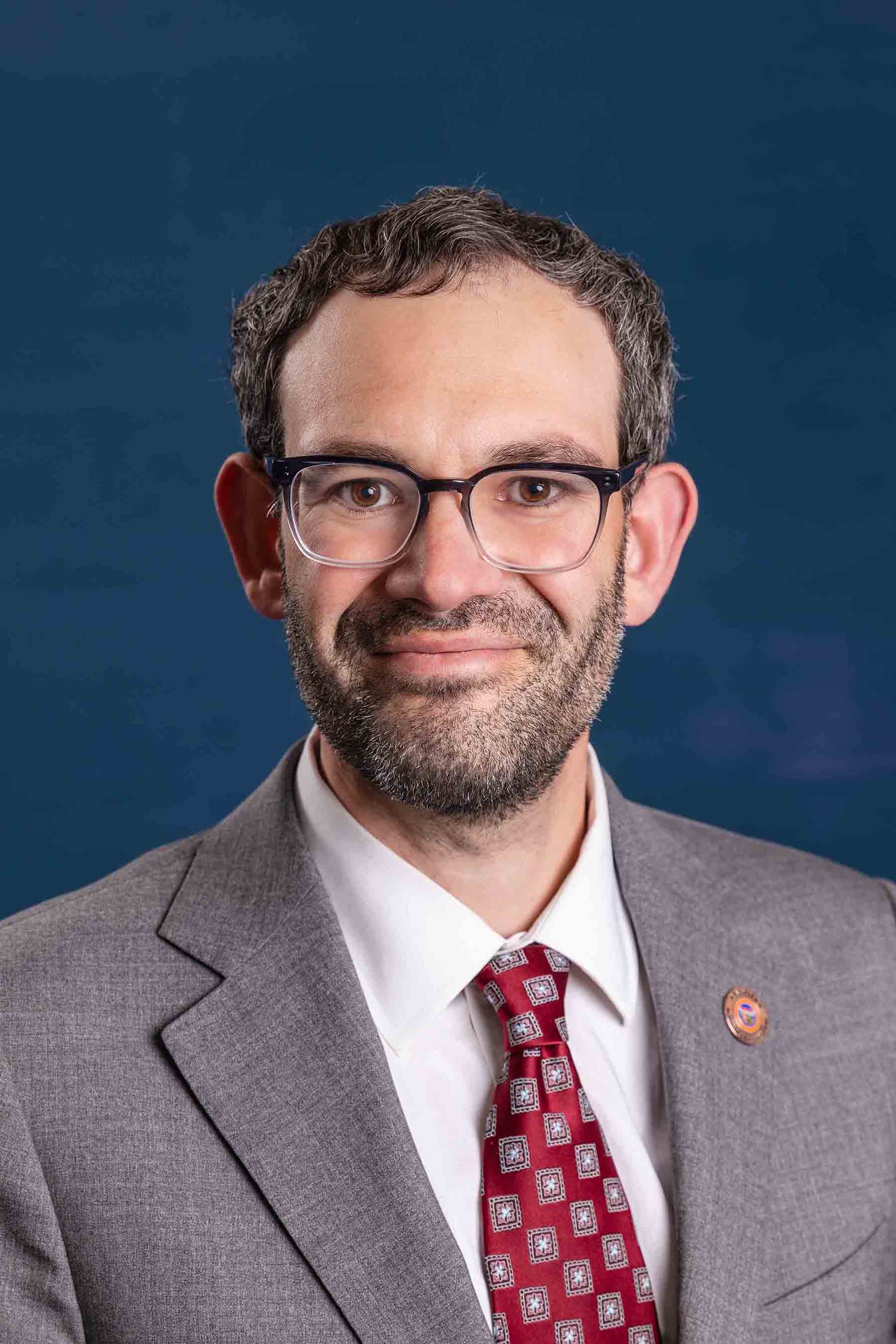
Janeen Connolly
Janeen Connolly House · District 8
D
Strong +
100% 135
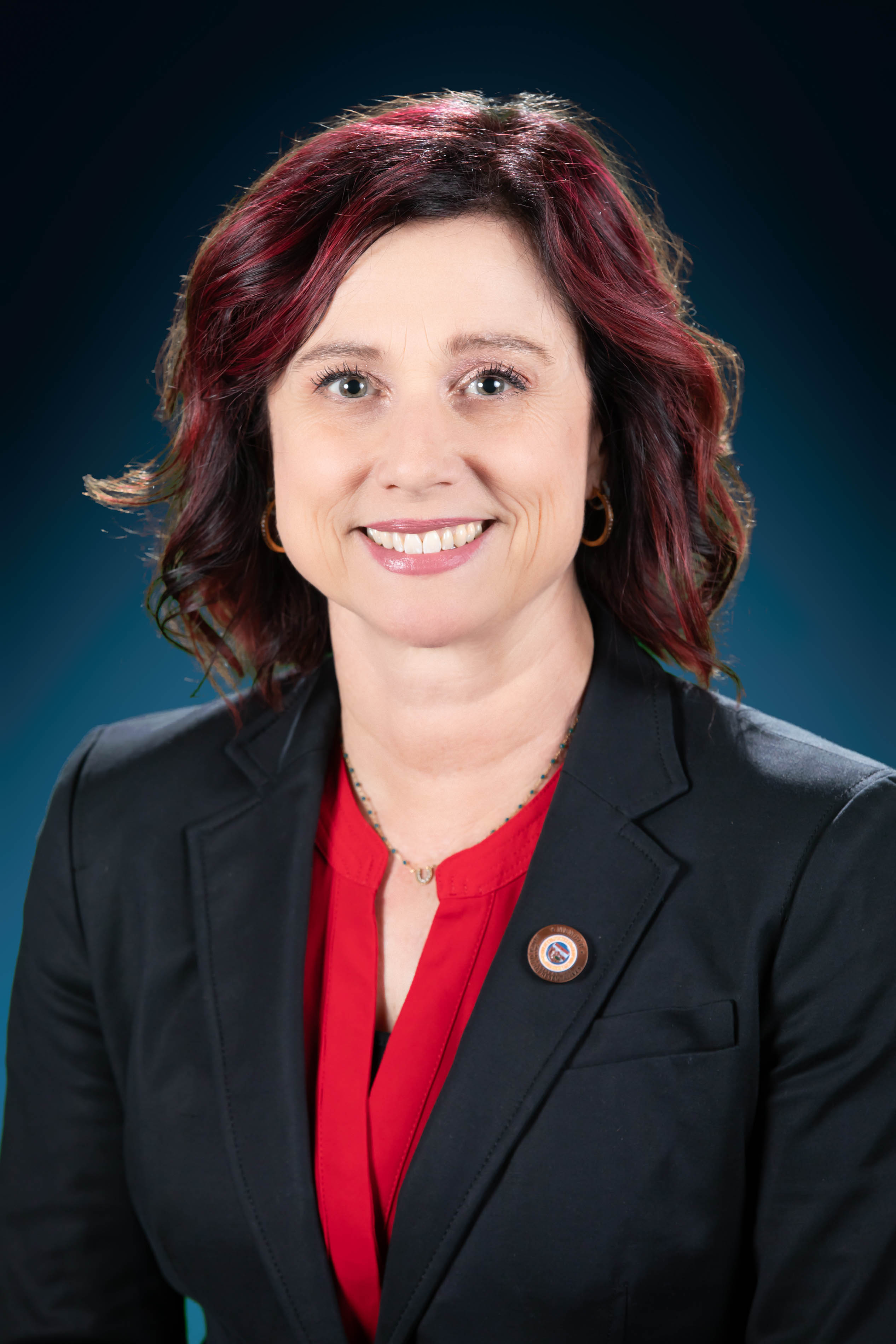
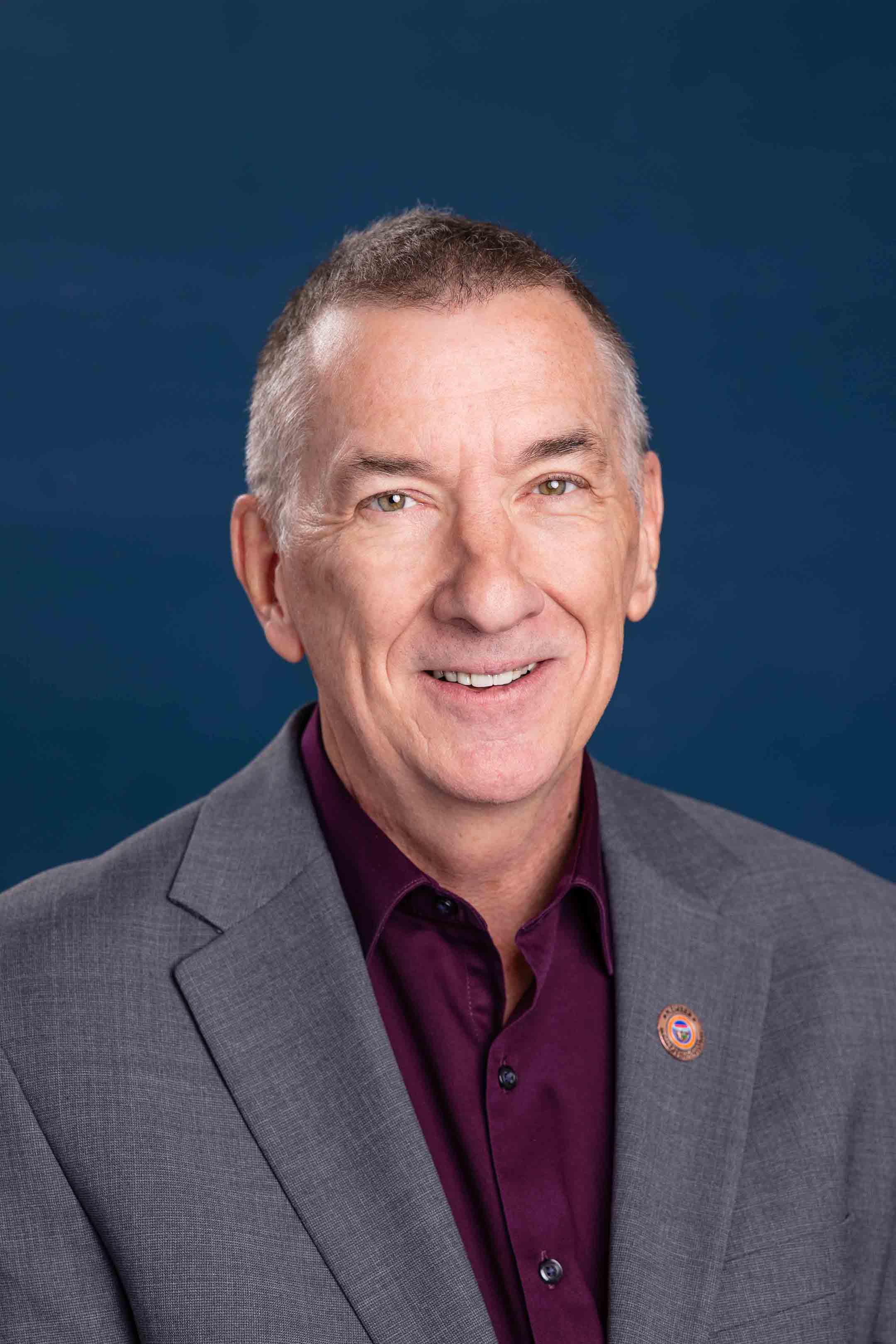
Nancy Gutierrez
Nancy Gutierrez House · District 18
D
Strong +
100% 123
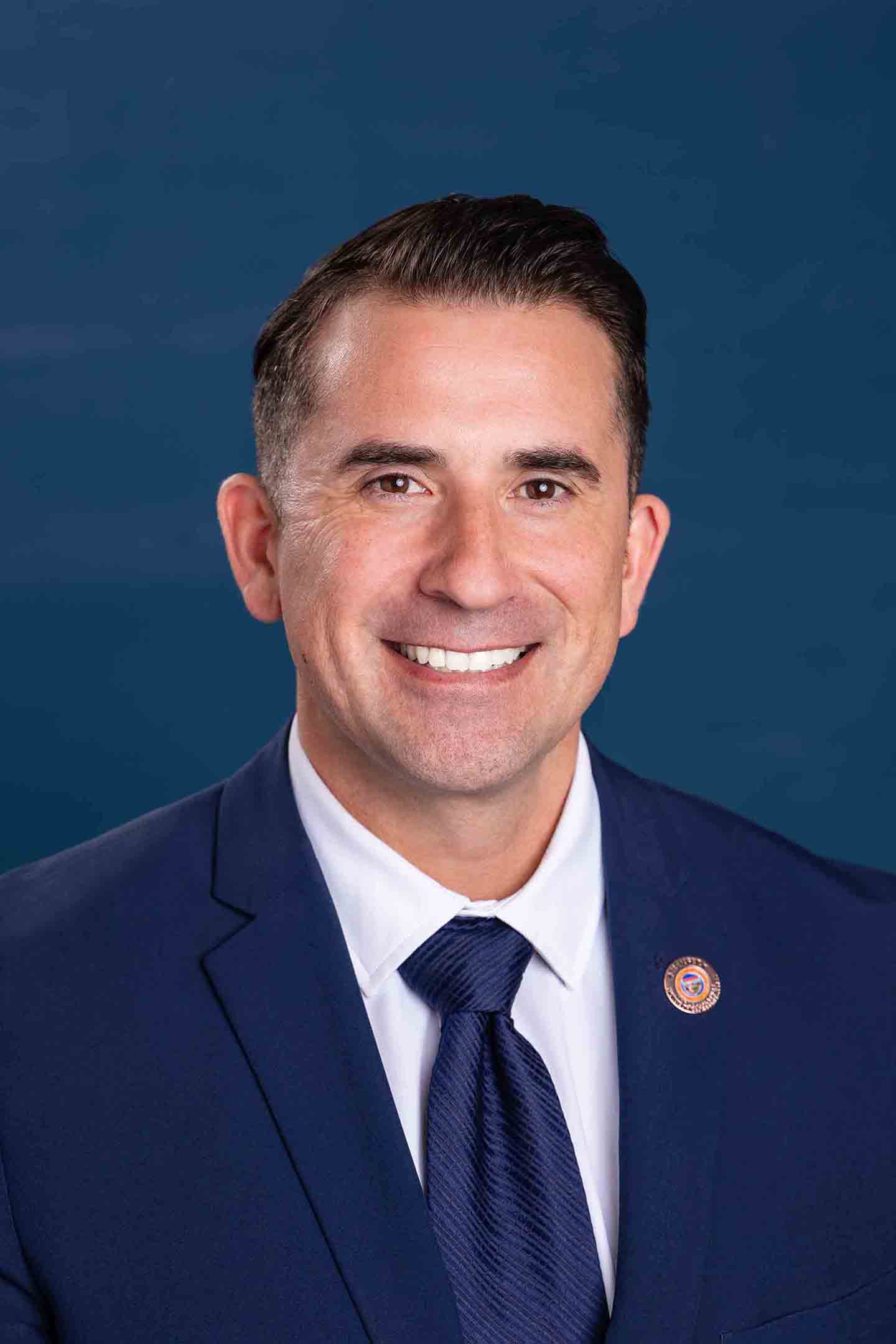
Aaron Marquez
Aaron Marquez House · District 5
D
Strong +
96% 170
Sarah Liguori
Sarah Liguori House · District 5
D
Strong +
96% 173
Michael Way
Michael Way House · District 15
R
Strong −
5% 161
Justin Olson
Justin Olson House · District 10
R
Strong −
9% 173
Alex Kolodin
Alex Kolodin House · District 3
R
Strong −
9% 170
Laurin Hendrix
Laurin Hendrix House · District 14
R
Strong −
12% 123
Rachel Keshel
Rachel Keshel House · District 17
R
Strong −
13% 169
Showing 71–80 of 106 bills

All labor & employment bills

signed · Arizona · House Jun 4, 2026

HB 2663: leaves of absence; military training

HB 2663 clarifies and strengthens protections for Arizona employees who serve in the military reserves or National Guard. It ensures these workers can take paid leave for training, drills, or active duty without losing vacation time, seniority, or pay - state employees get up to three times their weekly scheduled hours annually (or six times over two years) for military leave. The bill prohibits employers from penalizing service members for training absences, aligns with federal laws like USERRA, and specifies that leave days don’t count against scheduled work. It directly affects Arizona military reservists, National Guard members, and their employers across public and private sectors.
Sub-Topics Paid Leave
introduced · Arizona · House Jan 26, 2026

HB 2849: minimum wage; definitions; increase

HB 2849, the "One Fair Wage Act," gradually increases Arizona's minimum wage from $10 hourly in 2017 to $18 hourly by 2027, with automatic annual adjustments starting in 2021 based on the U.S. Consumer Price Index (CPI) to account for cost-of-living changes. It temporarily allows employers to pay tipped workers a base wage $3.00 below the minimum wage if tips bring their total earnings up to the minimum, but this exception ends on January 1, 2030. The bill requires a three-fourths vote in both legislative chambers to take effect, as mandated by the Arizona Constitution. This directly affects all Arizona hourly workers and their employers, particularly those in service industries relying on tips.
introduced · Arizona · House Jan 21, 2026

HB 2670: employment; workplace communications; exclusions

HB 2670 prohibits Arizona employers (including state agencies) from threatening or punishing employees for declining to attend meetings or participate in communications about religious beliefs or political matters, such as elections or political parties. Employees who face retaliation can file a civil lawsuit within 120 days to seek reinstatement, back pay, benefits, and attorney fees. The law does not apply to communications required by law, necessary for job duties, or part of academic programs at colleges, nor does it cover religious organizations exempt under federal law. It requires employers to post a notice of these rights within 30 days of the law taking effect.
in committee · Arizona · Senate Feb 4, 2026

SB 1314: appropriations; criminal justice; salary increases

SB 1314 allocates state funds for salary increases for specific public safety and corrections employees in Arizona for fiscal year 2026-2027. It provides a 14% pay raise for correctional officers in the state Department of Corrections and the Department of Juvenile Corrections, a 10% raise for all Department of Public Safety employees, and a 15% raise for state-funded probation officers and staff at the Administrative Office of the Courts. The bill directs appropriations from the state general fund, though exact dollar amounts are unspecified in the text. This legislation directly affects over 10,000 state employees across these departments through mandated pay adjustments.
passed · Arizona · House Mar 31, 2026

HB 2939: qualified facilities; tax credit; amount

HB 2939 creates a state income tax credit for businesses expanding or locating qualified facilities in Arizona. It directly affects businesses that make new capital investments, create qualifying jobs paying at least 125% of the median wage (100% in rural areas), and provide 65% employer-paid health insurance. The credit equals 10% of qualifying investments, capped at $200,000-$300,000 per new job, with a $125 million annual cap and $30 million per business limit. Businesses must retain operations at the facility for five years and claim credits in five equal installments over time.
introduced · Arizona · Senate Feb 2, 2026

SB 1459: public employees; collective bargaining

SB 1459 establishes Arizona's Public Employee Bargaining Act, creating a legal framework for collective bargaining between public employees and public employers (state/local government agencies). The bill defines key terms like "exclusive representative" (a union certified to negotiate on behalf of employees), "appropriate bargaining unit," and "impasse," while outlining rights for both employees (to form unions and bargain) and employers (to manage operations). It creates a Public Employee Labor Relations Board (appointed by the governor) to oversee certification of unions, resolve disputes, and enforce rules for bargaining. This law directly affects all public employees (excluding elected officials and board members) and public employers across Arizona state and local government.
introduced · Arizona · Senate Jun 12, 2026

SB 1303: electricians; registration; requirements

SB 1303 requires all electricians in Arizona to register with the state and complete 24 hours of continuing education every three years focused on public safety topics like the national electrical code. It establishes a separate registration pathway for journeyman electricians, who must prove 8,000 hours of experience (or equivalent training), pass an exam covering electrical codes and safety, and pay fees. Registered electricians must work under a journeyman's supervision, while journeyman electricians can supervise up to three apprentices. The bill directly affects electricians and apprentices performing electrical work, aiming to standardize qualifications and safety practices through state oversight.
Sub-Topics Apprenticeships
failed · Arizona · House Apr 9, 2026

HB 2812: accumulated sick leave; payments

HB 2812 allows Arizona state and county employees in specific retirement systems (like the Arizona State Retirement System or public safety plans) to receive cash payments for unused sick leave upon retirement. Payments are calculated as 25% of an employee’s hourly rate for 500-750 hours, 33% for 750-1,000 hours, and 50% for 1,000+ hours (capped at $57,600 total). Employees may choose to receive payments as a lump sum or over three years, and the law specifies these payments do not count toward retirement benefits or salary calculations. The bill applies retroactively to certain university employees under the Arizona Board of Regents but excludes those receiving federal sick leave payments.
Sub-Topics Paid Leave
introduced · Arizona · House Jan 21, 2026

HB 2463: misclassification; tax fraud; task force

HB 2463 creates a task force to study employee misclassification and payroll tax fraud specifically in Arizona's construction industry. The task force, composed of state agency representatives (including the Industrial Commission, Department of Insurance, and Contractor Registrar), will examine revenue losses, enforcement gaps, and prevention strategies. It must report annually to state lawmakers starting in 2028, including recommendations on improving investigations, public awareness, and interagency cooperation. The bill does not change current laws but aims to inform future policy based on the task force's findings.
introduced · Arizona · Senate Jan 21, 2026

SB 1224: DES; child care; pilot program

SB 1224 establishes the Tri-Share Child Care Pilot Program within Arizona's Department of Economic Security to help eligible working parents cover child care costs. The program operates on a cost-sharing model where employees, employers, and the state each pay one-third of child care expenses for qualifying employees earning between 165% and 325% of the federal poverty level who do not receive other child care subsidies. It requires three regional hubs (including at least one in a rural county) to administer the program and allocates $10 million from the state general fund for fiscal year 2026-2027. The Department of Economic Security must report on the program's effectiveness - including employee retention and children served - by December 31, 2028.
Sub-Topics State Budget
Showing 71 to 80 of 106 bills
Previous 1 7 8 9 11 Next