Issue · Immigration

Immigration

Every immigration bill, vote, and legislator stance in Arizona, automatically classified by Maddy, our AI policy reader.

Total bills
44
57th Legislature - Second Regular Session
Top supporter
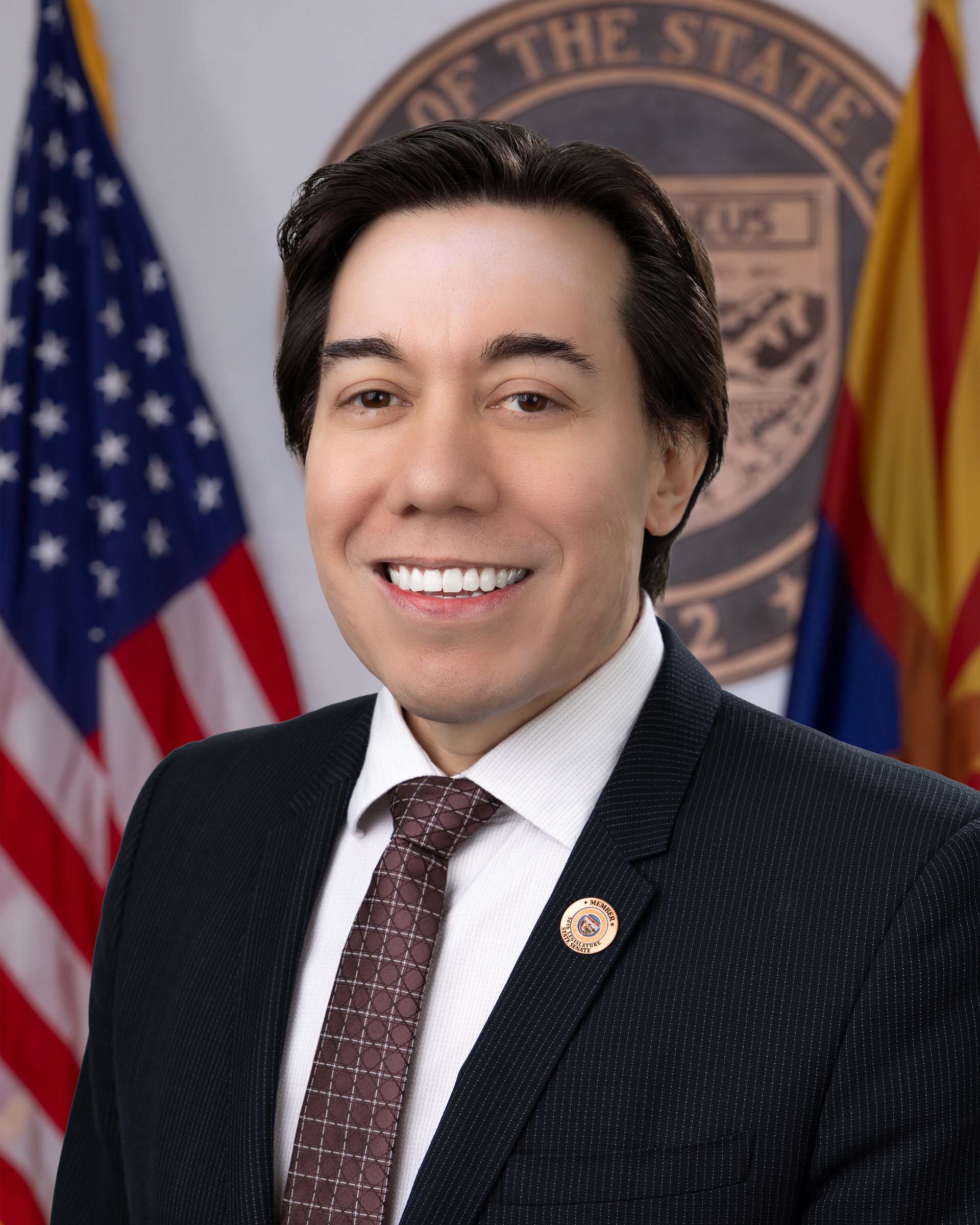
Quantá Crews
86% support rate
Top opponent
Jake Hoffman
14% support rate
Ranked legislators
10
5 support · 5 oppose
Key legislators

Who's moving immigration in Arizona

Legislators moving immigration in Arizona
Legislator Party Stance Support rate Votes
QC
Quantá Crews House · District 26
D
Strong +
86% 335
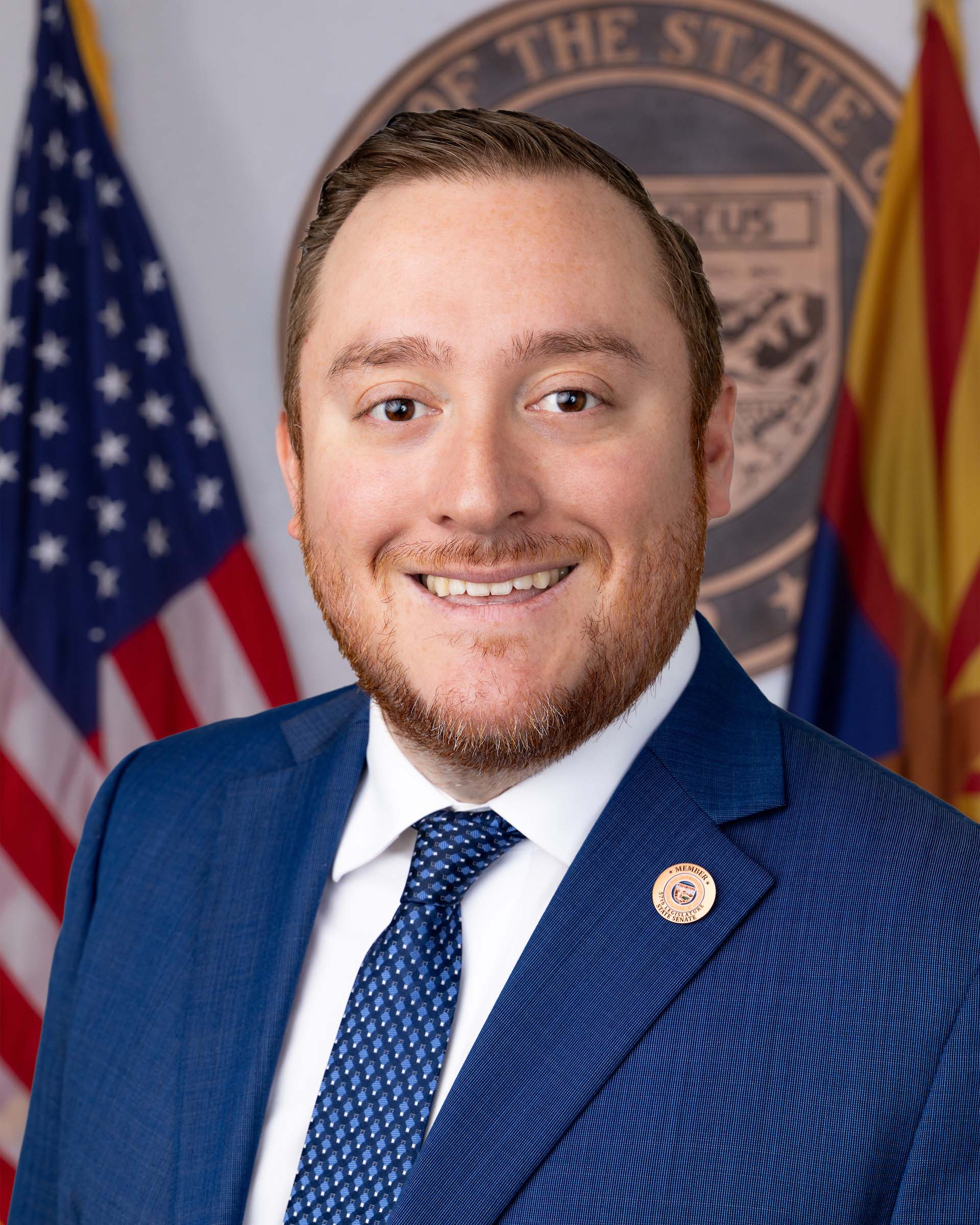
Brian Fernandez
Brian Fernandez Senate · District 23
D
Strong +
83% 276
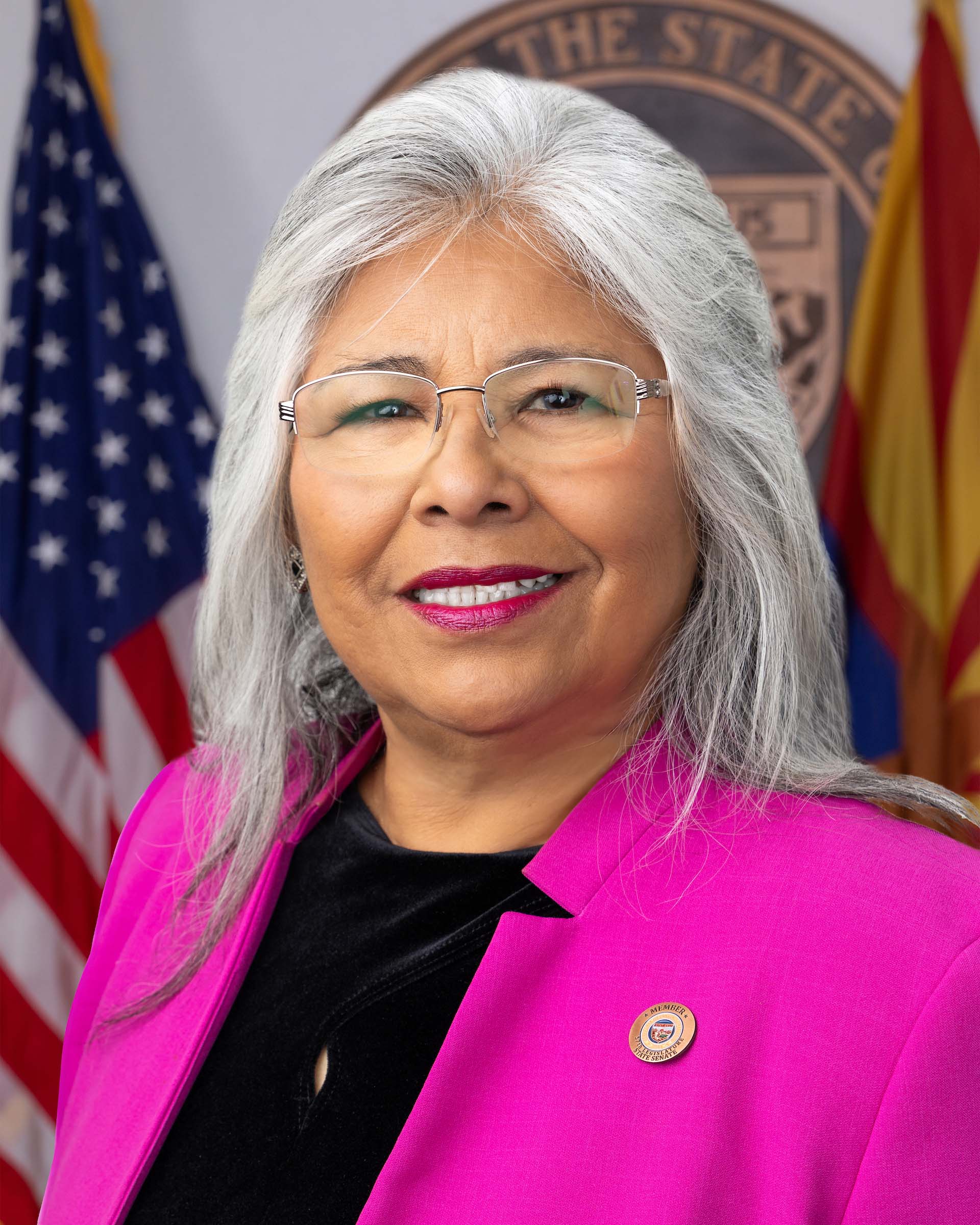
Sally Gonzales
Sally Gonzales Senate · District 20
D
Strong +
80% 316
Flavio Bravo
Flavio Bravo Senate · District 26
D
Strong +
80% 279
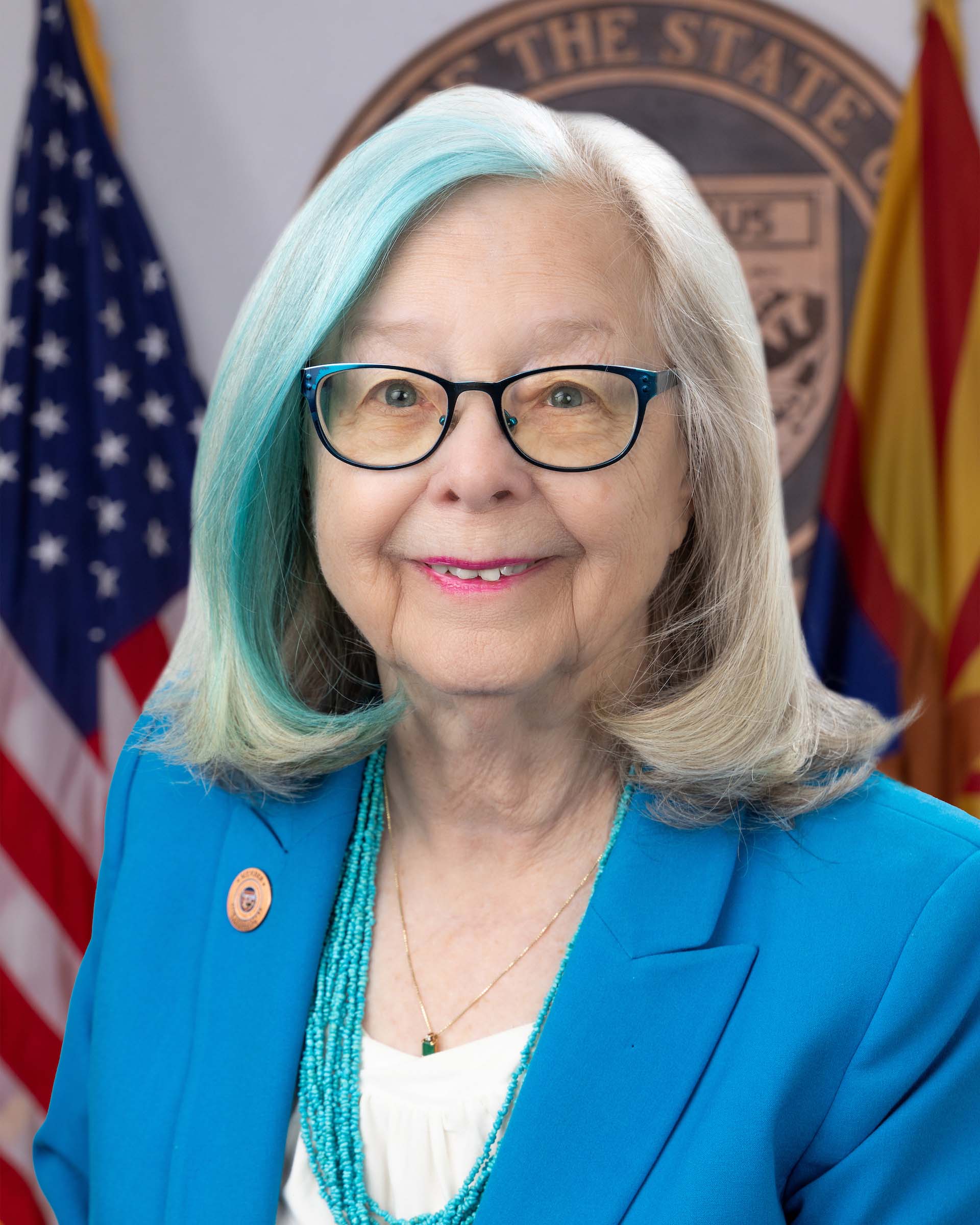
Lela Alston
Lela Alston Senate · District 5
D
Strong +
80% 314
Jake Hoffman
Jake Hoffman Senate · District 15
R
Strong −
14% 313
Cody Reim
Cody Reim House · District 3
R
Strong −
17% 152
Laurin Hendrix
Laurin Hendrix House · District 14
R
Strong −
18% 284
Vince Leach
Vince Leach Senate · District 17
R
Strong −
20% 317
Frank Carroll
Frank Carroll Senate · District 28
R
Strong −
20% 318
Showing 1–10 of 44 bills

All immigration bills

in committee · Arizona · Senate May 4, 2026

SB 1840: 2026-2027; human services

This bill establishes new Arizona statutes to regulate the Supplemental Nutrition Assistance Program (SNAP) by defining fund administration, setting income limits, and mandating specific eligibility review processes. It requires the Department of Economic Security to frequently cross-check recipient data with state agencies like the Department of Revenue and the Department of Corrections, as well as federal databases, to verify income, employment, and residency status. The legislation also mandates quarterly public reporting on fraud investigations and improper payments, while setting a goal to reduce the program's payment error rate to three percent by 2030. To enforce these standards, the bill imposes financial penalties on the department for failing to meet targets and requires an independent audit by the Auditor General to identify causes for errors.
in committee · Arizona · Senate Feb 17, 2026

SB 1707: appropriation; artificial intelligence; border security

SB 1707 allocates $5 million from Arizona's state general fund for fiscal year 2026-2027 to the Department of Public Safety specifically for artificial intelligence tools related to border security. The bill allows the Department to distribute these funds to local law enforcement agencies to support border security efforts using AI technology. It directly affects Arizona's state and local police agencies by providing funding for AI-related border security tools. The bill does not create new laws or policies but authorizes the use of state funds for this specific purpose. This is a funding measure, not a substantive policy change.
introduced · Arizona · House Feb 17, 2026

HB 4093: attorney general; immigration officers; violations

This bill amends Arizona Revised Statutes to authorize the Attorney General to prosecute U.S. Immigration and Customs Enforcement (ICE) officers for criminal violations committed while performing official duties within Arizona. It directly affects federal immigration officers operating in the state during enforcement activities. The key provision adds this specific prosecution power to the Attorney General's existing duties under Section 41-192, allowing the state to pursue criminal charges against federal officers for crimes committed during immigration enforcement. The change modifies the Attorney General's statutory responsibilities without altering broader immigration policy or enforcement mechanisms.
introduced · Arizona · Senate Feb 4, 2026

SB 1660: attorney general; policies; immigration.

SB 1660, the "Immigration Safe Zones Act," requires Arizona's Attorney General to create policies within 60 days that limit state agency cooperation with federal immigration enforcement. These policies must protect specific public facilities - including public schools, community colleges, universities, libraries, courts, and publicly funded healthcare centers - from being used for immigration enforcement actions. The bill also mandates that state agencies remove all questions about immigration status from applications, questionnaires, or forms related to public services or education within 60 days. It defines "immigration enforcement" broadly to include federal efforts targeting individuals' presence, entry, or employment in the U.S. The law directly affects state agencies, public institutions, and residents seeking services at protected facilities.
introduced · Arizona · Senate Feb 9, 2026

SB 1708: property use; immigration enforcement; prohibition

SB 1708 prohibits Arizona cities, counties, and state-owned property from being used for civil immigration enforcement without a valid judicial warrant. It bans local and state governments from allowing immigration officers to use parking lots, garages, or vacant lots as staging areas, processing sites, or bases for enforcement operations. Within 30 days of the law taking effect, all affected government entities must post clear signage at public entrances stating the property cannot host immigration enforcement without a warrant. The law also requires immigration officers to show a warrant before questioning, detaining, or arresting anyone on government property. This directly affects local governments and their property management practices regarding immigration enforcement activities.
introduced · Arizona · House Feb 11, 2026

HB 4111: immigration; customs officers; body cameras

HB 4111 requires U.S. Immigration and Customs Enforcement (ICE) officers operating in Arizona to wear body-worn cameras during all public contacts, with limited exceptions (like avoiding unrelated personal information). It mandates that officers register their name and badge number with the state police and prohibits detaining individuals based solely on race, ethnicity, or national origin. Failure to activate cameras or tampering with footage creates a legal presumption of misconduct in civil investigations, with potential discipline up to termination. The bill directly affects ICE officers and the public they interact with, aiming to increase transparency in enforcement actions.
introduced · Arizona · House Feb 11, 2026

HB 4083: bailable offenses; requirements; release

This bill changes Arizona's bail rules for certain serious offenses. It specifies that defendants charged with capital offenses, sexual assault, or specific child molestation crimes (like those involving victims under 13 or a 10-year age gap) cannot be released on bail. It also adds that serious felony charges involving suspected illegal immigration status may prevent bail, requiring courts to consider factors like ICE holds or immigration evidence. Additionally, the bill expands factors judges must weigh when setting bail, including victim input, prior violent offenses, gang membership, and immigration status, while requiring expedited hearings for detention decisions.
signed · Arizona · Senate May 29, 2026

SB 1426: unlawful occupants; forcible entry; detainer

SB 1426 amends Arizona law to clarify and expedite eviction procedures for unauthorized occupants in residential properties. It defines "forcible detainer" when someone unlawfully occupies a home without prior agreement, family ties, or legal rights, and requires landlords to provide written demand before seeking eviction. The bill mandates courts to issue immediate writs of restitution (eviction orders) after judgment in these cases, skipping standard wait periods. It directly affects landlords and unauthorized occupants in residential dwellings, excluding current/family tenants or those with existing agreements. The key change is creating a faster legal process for removing unlawful occupants through written demand and expedited court action.
passed · Arizona · House Mar 31, 2026

HB 2940: AHCCCS; eligibility; verification; SNAP; contractors

HB 2940 updates Arizona's healthcare and food assistance programs by requiring strict eligibility verification for AHCCCS (Medicaid) and SNAP (food stamps). It mandates that the state verify income, residency, immigration status, and other factors using multiple databases (like tax records and correctional systems) before approving benefits, replacing self-verified applications. The bill also creates a unified system to cross-check eligibility across programs in real time and requires detailed audit logs for transparency. These changes directly affect applicants seeking healthcare or food assistance, as well as state agencies managing these programs.
introduced · Arizona · Senate Jan 21, 2026

SB 1195: appropriation; legal assistance services aid

SB 1195 appropriates $10 million from Arizona's state general fund for fiscal year 2026-2027 to the Department of Economic Security. This funding supports free, statewide civil legal aid services provided by nonprofit organizations, aligning with federal grant terms under 42 U.S.C. §2996f. The bill requires the department to submit annual reports (2027-2032) detailing case statistics, legal areas involved, services delivered, and non-identifying demographic data of recipients. The appropriation is exempt from standard lapsing rules and is designated as ongoing funding for future fiscal years.
Showing 1 to 10 of 44 bills
1 2 3 5 Next