Issue · Immigration

Immigration

Every immigration bill, vote, and legislator stance in Arizona, automatically classified by Maddy, our AI policy reader.

Total bills
117
119th Congress
Top supporter
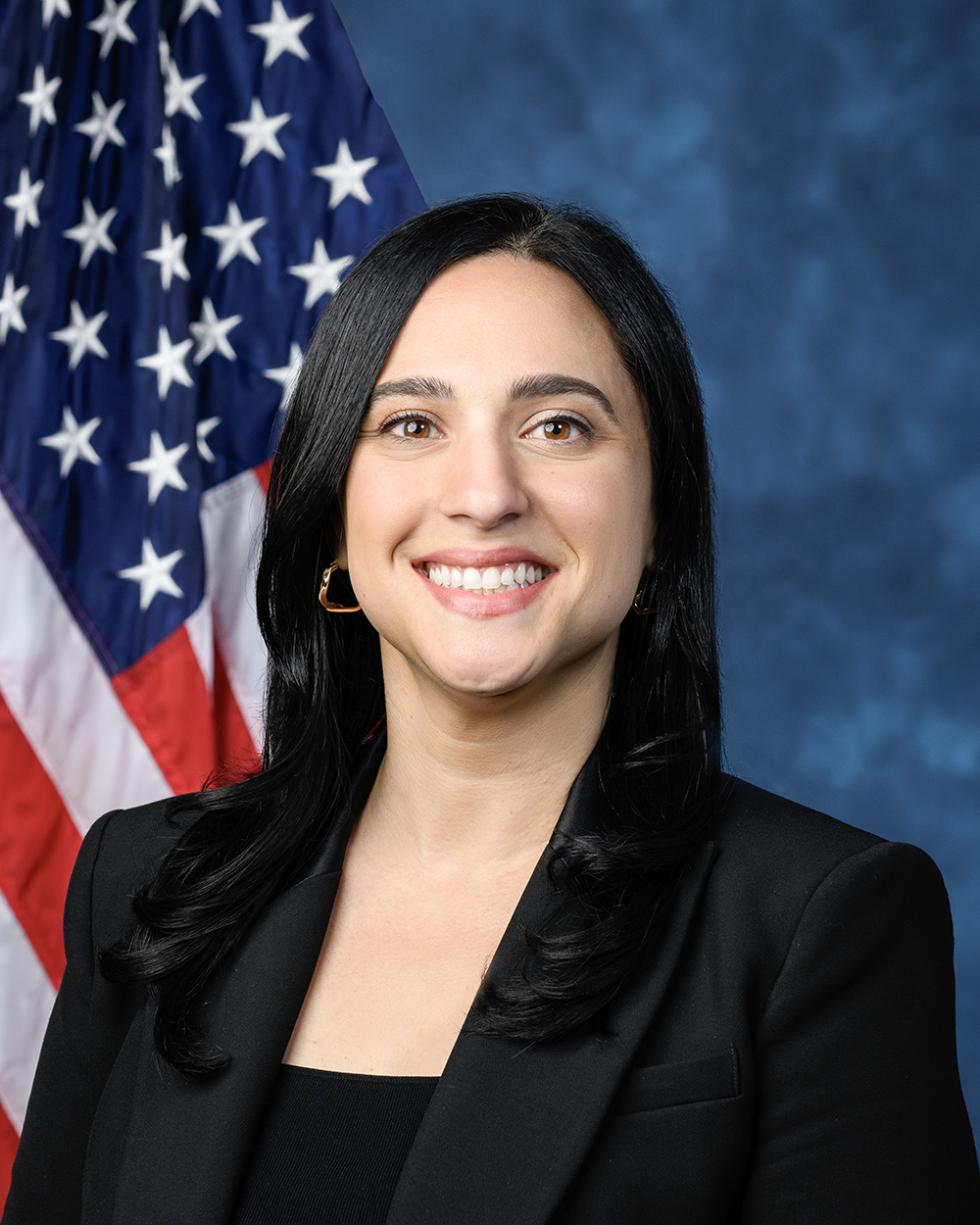
Yassamin Ansari
81% support rate
Top opponent
Paul A. Gosar
19% support rate
Ranked legislators
8
3 support · 5 oppose
Key legislators

Who's moving immigration in Arizona

Legislators moving immigration in Arizona
Legislator Party Stance Support rate Votes
Yassamin Ansari
Yassamin Ansari House · District 3
D
Strong +
81% 148
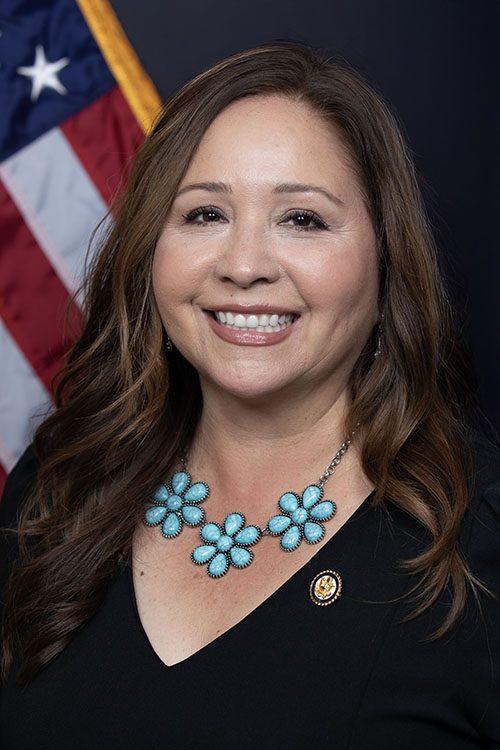
Adelita S. Grijalva
Adelita S. Grijalva House · District 7
D
Strong +
80% 94
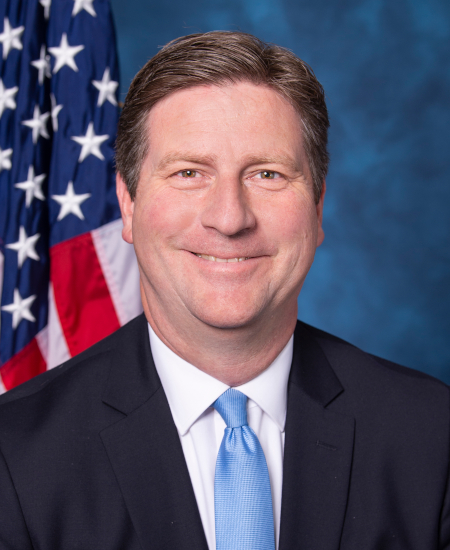
Greg Stanton
Greg Stanton House · District 4
D
Support
63% 148
Paul A. Gosar
Paul A. Gosar House · District 9
R
Strong −
19% 142
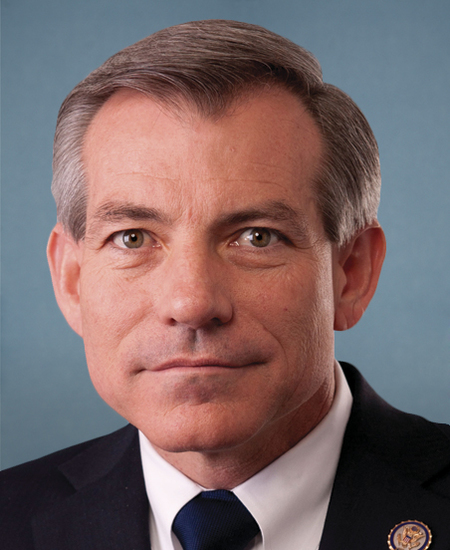
David Schweikert
David Schweikert House · District 1
R
Strong −
19% 145
Elijah Crane
Elijah Crane House · District 2
R
Strong −
19% 148
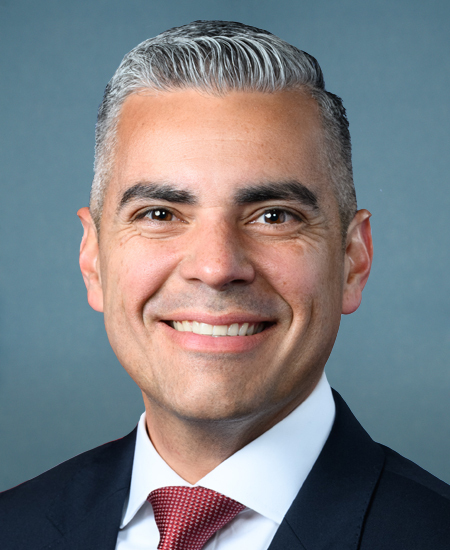
Juan Ciscomani
Juan Ciscomani House · District 6
R
Strong −
19% 146
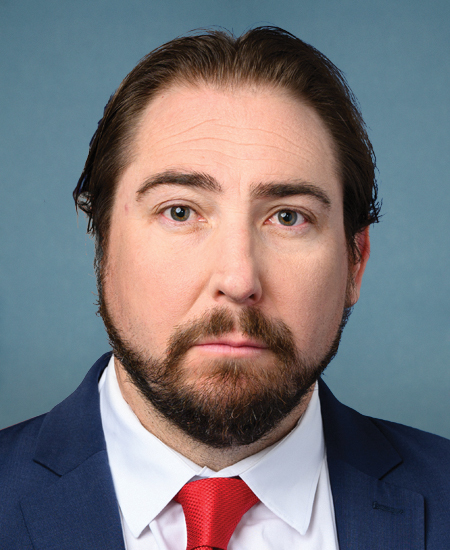
Andy Biggs
Andy Biggs House · District 5
R
Strong −
19% 148
Showing 1–10 of 117 bills

All immigration bills

passed · United States · House Sep 1, 2026

HRES 1490: Providing for the condemnation and denouncement of socialism in all its forms, and for other purposes.

This resolution states that the House of Representatives condemns and denounces socialism in all its forms, including the Democratic Socialists of America, and opposes the implementation of socialist policies in the United States; reaffirms its support for free, fair, and secure elections and calls for enactment of the SAVE America Act; reiterates that American elections are for American citizens only; and recommits itself to upholding the U.S. Constitution.
in committee · United States · House Jul 23, 2026

HR 9824: Daycare Not Detentions Act of 2026

The Daycare Not Detentions Act of 2026 provides additional funding to the Department of Health and Human Services to support child care programs, including the Child Care and Development Block Grant, Head Start, and preschool development grants. These funds are intended to help states and organizations cover necessary expenses for these programs through fiscal year 2029. The bill also rescinds $70 billion in previously allocated money for U.S. Customs and Border Protection and U.S. Immigration and Customs Enforcement that has not yet been spent. Overall, the legislation redirects federal resources toward early childhood education and care rather than immigration enforcement activities.
in committee · United States · House Jul 14, 2026

HR 9659: Fund Schools, Not ICE Act

The Fund Schools, Not ICE Act directs unspent funds originally allocated to Immigration and Customs Enforcement to be transferred to the Department of Education for use in elementary and secondary school programs. Additionally, the bill requires the Secretary of Homeland Security to sell eleven specific immigration detention warehouses that were purchased between January 1, 2026, and March 31, 2026. These measures aim to redirect financial resources from immigration enforcement toward educational initiatives while mandating the disposal of recently acquired detention facilities.
in committee · United States · House Jun 30, 2026

HR 9562: Anchors Away Act

The Anchors Away Act modifies U.S. immigration laws to expand birthright citizenship and restrict entry for certain pregnant individuals. It clarifies that anyone born in the United States to a parent who is a citizen, a lawful permanent resident, or a member of the U.S. Armed Forces automatically acquires citizenship. Additionally, the bill makes it illegal for pregnant nonimmigrants who are not married to U.S. citizens to enter the country, though it allows entry for those seeking legitimate medical treatment for childbirth. These changes apply only to people born on or after the law's enactment and to new admission applications filed on or after that date.
in committee · United States · House Jun 29, 2026

HR 9514: Homeownership Eligibility Reform Act

The Homeownership Eligibility Reform Act restricts access to government-backed and private mortgage insurance for single-family homes to individuals who are U.S. citizens. Specifically, the bill amends laws governing the Federal Housing Administration, Fannie Mae, and Freddie Mac to require that borrowers for one-to-four-unit properties must be citizens to qualify for their mortgage products. This change directly affects foreign nationals and non-citizen residents who currently might purchase homes with these types of financing, effectively limiting their eligibility for these specific mortgage programs.
in committee · United States · House Jul 7, 2026

HR 9199: Permanent Trump Secure Border Act

This bill, titled the Permanent Trump Secure Border Act, aims to strengthen border security and reform immigration enforcement by directing the Department of Homeland Security to resume and complete the construction of a physical border wall, expand the use of surveillance technology, and increase staffing levels for Border Patrol agents. It also imposes stricter rules on asylum eligibility and employment authorization for applicants, mandates the reopening of specific immigration detention facilities, and requires the return of individuals arriving from contiguous foreign countries to those nations while their claims are processed. Additionally, the legislation expands penalties for visa overstays, limits the use of certain digital tools like the CBP One app, and includes provisions to reduce funding for organizations that facilitate illegal entry or provide services to inadmissible aliens.
in committee · United States · House Jun 4, 2026

HR 9157: American White-Collar Worker Jobs Act of 2026

The American White-Collar Worker Jobs Act of 2026 primarily targets H-1B visa holders by tightening rules to protect U.S. workers and limit the number of foreign employees admitted. It requires employers to prove they have tried to hire qualified Americans first, pay wages at the 75th percentile, and ensure they do not displace or lay off U.S. staff within a year of hiring a nonimmigrant. The bill also caps the total number of H-1B visas at 65,000 annually, prioritizes applicants with higher salaries, and restricts the maximum stay to two years. Additionally, it grants the Department of Labor the authority to investigate violations, impose fines, and ban employers from using H-1B workers for up to a decade if they break the rules.
Sub-Topics Work Authorization
in committee · United States · House Jul 7, 2026

HR 9314: DHS Surveillance Technology Moratorium Act of 2026

The DHS Surveillance Technology Moratorium Act of 2026 temporarily halts the Department of Homeland Security from using funds to start, renew, or expand contracts for surveillance tools used in immigration enforcement, such as facial recognition and predictive analytics. This pause applies to agencies like U.S. Immigration and Customs Enforcement and Customs and Border Protection, though existing contracts can continue until a review is complete. The bill mandates an independent audit within 180 days to examine data collection practices, privacy impacts, and the accuracy of these technologies, followed by a public report detailing their use and capabilities. The funding ban remains in effect until the audit is finished, a public report is released, and the department demonstrates it has implemented necessary safeguards to protect civil liberties. Once these conditions are met, the moratorium lifts, but the department must submit annual reports on its continued use of these technologies and any related privacy complaints.
in committee · United States · House Jun 4, 2026

HR 9160: No Safe Haven for Terrorist Families Act

The No Safe Haven for Terrorist Families Act expands U.S. immigration rules to bar close relatives of designated terrorists, senior officials of hostile foreign governments, and sanctioned corrupt leaders from entering or remaining in the country. It defines these "covered family members" to include spouses, children, parents, siblings, grandparents, grandchildren, and nieces or nephews of the listed threat actors, applying the ban retroactively to existing relationships. The bill mandates that visas issued to these individuals be revoked and that they face deportation without eligibility for most forms of legal relief, such as cancellation of removal. To enforce these measures, government agencies must implement new screening procedures within 180 days and submit annual reports detailing the number of inadmissibility determinations, visa revocations, and removals.
Sub-Topics Enforcement
in committee · United States · House May 14, 2026

HR 8827: ASSIMILATION Act

This bill, known as the ASSIMILATION Act, fundamentally restructures the U.S. immigration system by replacing family-based and lottery-based admissions with a merit-based approach that prioritizes economic self-sufficiency and national interest. It directly affects prospective immigrants, current visa holders, and employers by establishing new requirements for entry, employment, and naturalization. Key provisions eliminate the diversity visa lottery, restrict family-sponsored immigration to spouses and minor children, and mandate that all immigrants demonstrate the ability to support themselves without relying on government benefits. The legislation also introduces stricter enforcement measures, such as making visa overstays a criminal offense, expanding E-Verify to all employers, and requiring higher English proficiency and tax compliance for citizenship. Additionally, it tightens asylum rules by adding a transit bar for those passing through other countries and limits parole to specific humanitarian cases rather than broad programs.
Showing 1 to 10 of 117 bills
1 2 3 12 Next