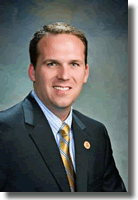
SB 1713 establishes a new performance-based procurement system called the "Arizona hybrid model" for Arizona's Medicaid program (AHCCCS). It directly affects managed care organizations (MCOs) contracted to provide services under AHCCCS by replacing traditional requests for proposals with a standardized evaluation system. The bill requires all MCOs to be assessed over a four-year performance period using publicly available, measurable metrics covering care access, claims processing, and member experience, with decisions on contract continuation based solely on this scoring. It also mandates a single statewide master contract for all MCOs serving AHCCCS programs, eliminating duplicate contracts and reducing administrative burden.
HB 2960 establishes a grant program to fund specialized veterans' courts in Arizona counties and municipalities. It creates a "veterans' treatment court fund" using state appropriations, providing money to local governments to set up courts that address veterans' justice-involved behavior through individualized treatment plans for issues like PTSD, substance abuse, and traumatic brain injury. The program requires grantees to report annually on participant demographics, recidivism, treatment use, and program outcomes, with the Attorney General compiling statewide data and recommendations for improvement. This directly affects veterans involved in the criminal justice system by connecting them to targeted support services rather than standard court processing.
SB 1630 establishes a new Arizona Medicaid program providing home and community-based services for adults with serious mental illness, replacing institutional care when possible. It sets eligibility based on clinical criteria (like recent hospitalizations, medication complexity, or safety risks) and income limits (300% of federal SSI), with options for a qualified income trust to meet financial requirements. Covered services include personal care, medication management, supervised community living, adult day health, and nonemergency transportation. The program requires federal approval by 2027 and aims to support individuals in community settings while avoiding psychiatric hospital or residential facility placement.
SB 1215 presumes that 23 specific cancers (including leukemia, lung cancer, lymphoma, and others) are work-related for firefighters and fire investigators who meet certain conditions. It applies to current and retired firefighters under 65 diagnosed with a covered cancer within 15 years of leaving service, provided they had no prior cancer at hire, served at least five years in hazardous duty, and passed pre-employment physicals. The presumption can be rebutted if tobacco use outside work contributed to respiratory cancers. This bill directly affects firefighters and fire investigators by simplifying claims for cancer-related disability or death under Arizona's workers' compensation system.
HB 4010 establishes a Board of Genetic Counselors in Arizona to license and regulate genetic counselors. The bill defines "genetic counseling" and requires practitioners to obtain a license from this new board, which will protect the public by setting standards for practice and handling disciplinary actions. The board will consist of five licensed genetic counselors, two public members, and two physician members who interact professionally with counselors. This law directly affects genetic counselors seeking to practice in Arizona and ensures they meet specific certification and conduct standards before providing services.
SB 1814 establishes a temporary study committee to examine Arizona's substance use disorder treatment system. The committee, composed of legislators, health officials, clinicians, and individuals with lived experience, will study treatment availability, gaps in care, regulatory loopholes, and workforce needs. It must report by December 31, 2027, with recommendations for evidence-based standards, oversight reforms, and funding strategies. The committee expires on June 30, 2028, and does not enact new laws.
SB 1214 restricts Arizona physicians from using stem cells or birth tissue derived from aborted fetuses or embryos for therapy. It allows non-FDA-approved stem cell or birth tissue therapies only for orthopedics, wound care, or pain management, provided the cells come from FDA-registered or certified facilities (like blood banks or tissue banks) and meet specific safety and viability standards. The bill requires physicians to disclose in advertising and obtain detailed informed consent stating the therapy isn't FDA-approved, and mandates facilities to provide full certification details to physicians. These provisions directly affect medical providers, clinics, and tissue suppliers offering such therapies in Arizona.
HB 2611 amends Arizona law to define specific rights for children in foster care or kinship foster care placements. The bill lists 27 concrete rights, including access to education, medical care, privacy, safety, and participation in care planning meetings, with additional transition-focused rights for youth aged 14+ (e.g., career planning, help obtaining IDs). It requires child welfare agencies to provide written information about these rights to children upon placement and to post them in foster homes. The law also establishes complaint channels for children to report rights violations to the department or ombudsman. This directly affects all children in Arizona foster or kinship care placements.
SB 1165 prohibits Arizona health insurance plans (including hospital service corporations and health care service organizations) from charging cost-sharing fees (like deductibles or copays) for diagnostic and supplemental breast exams starting January 1, 2027. Diagnostic exams cover evaluations of abnormalities found during screenings or other tests, while supplemental exams are risk-based screenings for individuals with dense breasts, family history, or other factors. The bill requires insurers to cover these exams without cost-sharing even before a high-deductible plan’s deductible is met, aligning with National Comprehensive Cancer Network guidelines. It directly affects insurance providers and beneficiaries seeking these specific breast cancer screening services.
SB 1253 establishes clear protocols for safely surrendering newborn infants in Arizona. It requires safe haven providers (like hospitals, churches, or fire stations) to immediately transport infants to a hospital for a physical exam and notify child safety authorities. Agencies must take custody within 24 hours after the exam, or the state department takes custody after 48 hours if no agency agrees. The bill also ensures hospitals are reimbursed for medical care and protects healthcare providers making emergency medical decisions. This directly affects parents surrendering infants, hospitals, child welfare agencies, and the state child safety department.