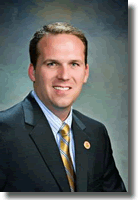
HB 2444 allows Arizona pharmacists to independently order, perform, and interpret certain FDA-waived tests (like flu, strep, or COVID-19 tests) and initiate treatment for specific conditions - including influenza, strep throat, HIV prevention, and other public health threats - without a physician's direct order. It directly affects pharmacists (who gain new clinical authority) and patients aged six or older who need treatment for those conditions. Key provisions require pharmacists to follow a statewide protocol covering documentation, referrals, patient screening, and evidence-based guidelines, while mandating notification to a patient’s primary care provider within 72 hours of treatment. The bill also prohibits pharmacists from prescribing opioids or treating minors without parental consent.
HB 2437 establishes Arizona’s participation in the Emergency Medical Services (EMS) Licensure Interstate Compact. It allows Arizona-licensed EMTs, AEMTs, and paramedics to practice temporarily in other participating states without obtaining new licenses, while ensuring public safety through standardized requirements. To maintain reciprocity, Arizona must require national registry exams (NREMT), have complaint investigation systems, conduct background checks for new licenses, and share adverse action information with the compact’s commission. This directly affects EMS personnel who work across state lines, including military members and their spouses transitioning to civilian roles. The bill creates a framework for mutual recognition but does not change Arizona’s existing licensure rules for in-state practice.
This bill gives residents in Arizona nursing care institutions and assisted living facilities (where care is partially or fully paid with public funds) the right to install electronic monitoring devices in their rooms for audio or video recording. Residents or their authorized representatives must submit a written notice and consent form to the facility before installation, detailing device type, recording preferences, and specific privacy settings. The form must specify when monitoring should be paused (e.g., during bathing, medical exams, or visits with family/attorneys) and who can access recordings. These requirements ensure residents can customize monitoring while maintaining facility operations.
HB 2697 allows pharmacists, health departments, and healthcare providers to dispense or distribute expired FDA-approved naloxone (an opioid overdose reversal medication) to individuals at risk of overdose, their families, or community organizations that assist them. The bill defines "expired opioid antagonist" as medication with an expiration date within five years of use, expanding access to this critical tool. It provides immunity from liability for professionals acting in good faith while following protocols, including instructing users to call emergency services after administration. This policy directly affects people at risk of opioid overdose, pharmacists, healthcare providers, and community health programs distributing naloxone.
HB 2184 amends Arizona statutes to require hospitals, clinics, and healthcare providers to submit fetal death certificates within seven days for deaths occurring after 20 weeks of gestation or weighing over 350 grams, if requested by the mother. The bill also significantly expands abortion consent requirements, mandating that providers verbally inform patients 24 hours before the procedure about fetal development, alternatives, medical risks, and resources like adoption services and prenatal care assistance. It requires written certification that this information was provided and includes a specific provision allowing surgical abortion patients to choose final disposition of fetal remains, including transfer to a funeral home. The bill directly affects healthcare providers performing abortions and women seeking abortion services in Arizona, with no substantive changes related to funeral home operations beyond this single disposal option.
HB 2085 prohibits physicians and health professionals in Arizona from providing or referring minors under 18 for gender transition procedures, including puberty blockers, cross-sex hormone therapy, or surgery. The bill allows exceptions for minors with specific medical conditions, such as disorders of sex development, or for treating infections or injuries caused by prior gender transition care. It bans public funding for such procedures in state facilities, government-employed providers, or state health insurance programs. Violations may lead to professional discipline, private lawsuits for damages, or enforcement actions by the attorney general.
HB 2190 creates Arizona's participation in a physician assistant (PA) licensure compact, allowing PAs licensed in Arizona to practice across state lines in other participating states without obtaining separate licenses. It directly affects PAs (especially military families who relocate) and patients seeking care from PAs in multiple states. The key mechanism is "compact privilege," which grants PAs the right to practice in a "remote state" (where the patient is located) under that state's laws, while requiring PAs to follow the rules of the patient's location. Arizona's licensing board retains authority to take disciplinary action against PAs practicing under the compact, and the bill mandates mutual recognition of licenses, criminal background checks, and reporting of adverse actions to a shared data system.
HB 2796 strengthens eligibility verification for Arizona’s Medicaid program (AHCCCS) by requiring monthly and quarterly data checks with state agencies. It mandates verification of income, residency, employment, and other changes using state databases (like tax records and death certificates) instead of accepting self-reported information. The bill also restricts temporary "presumptive eligibility" coverage to children and pregnant women only, requiring federal waiver approval, and imposes training requirements for hospitals that fail to meet verification standards. These changes directly affect AHCCCS members and participating hospitals by tightening enrollment rules and reducing reliance on self-attestation.