Issue · Environment

Environment

Every environment bill, vote, and legislator stance in Arizona, automatically classified by Maddy, our AI policy reader.

Total bills
138
57th Legislature - Second Regular Session
Top supporter
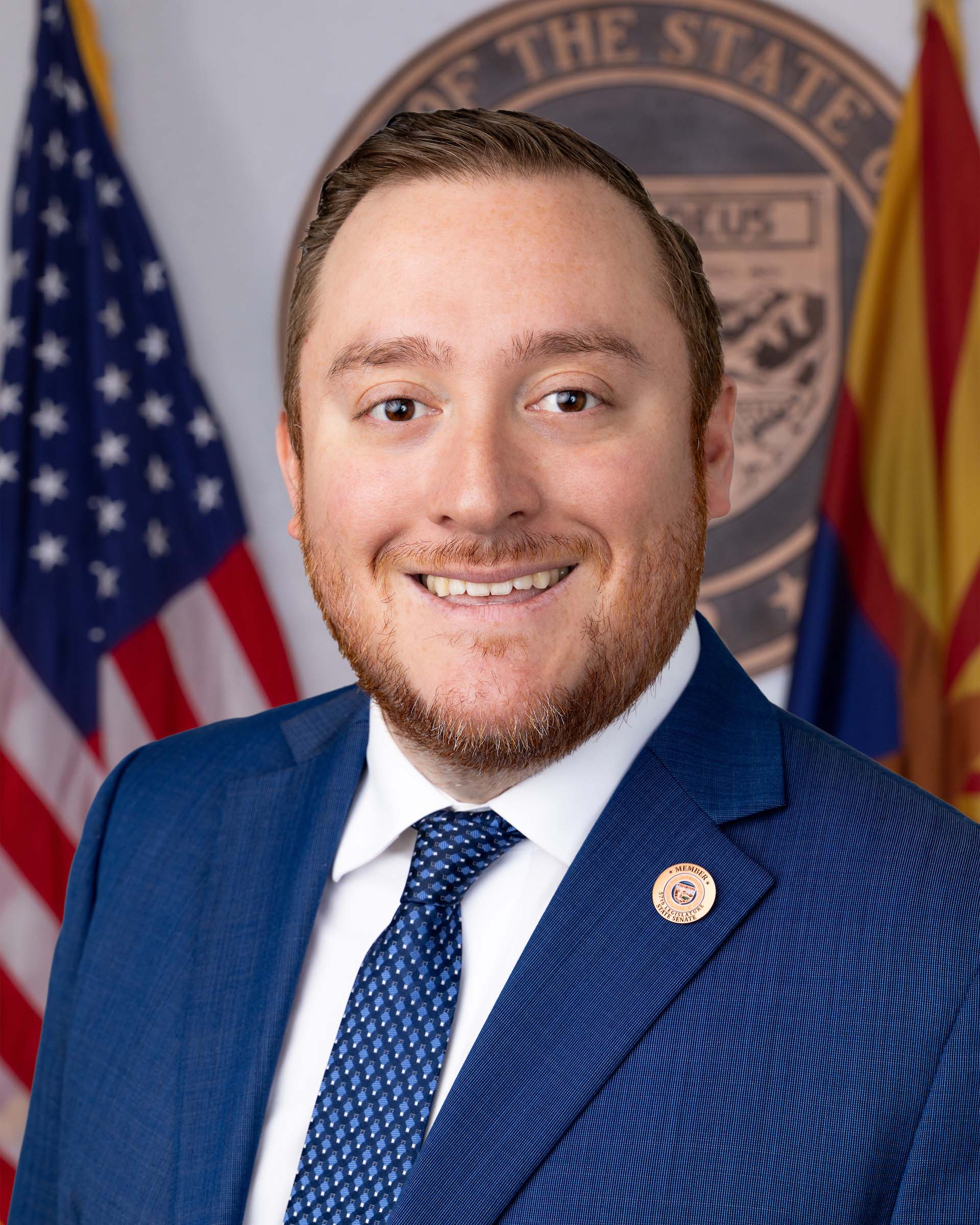
Flavio Bravo
68% support rate
Top opponent
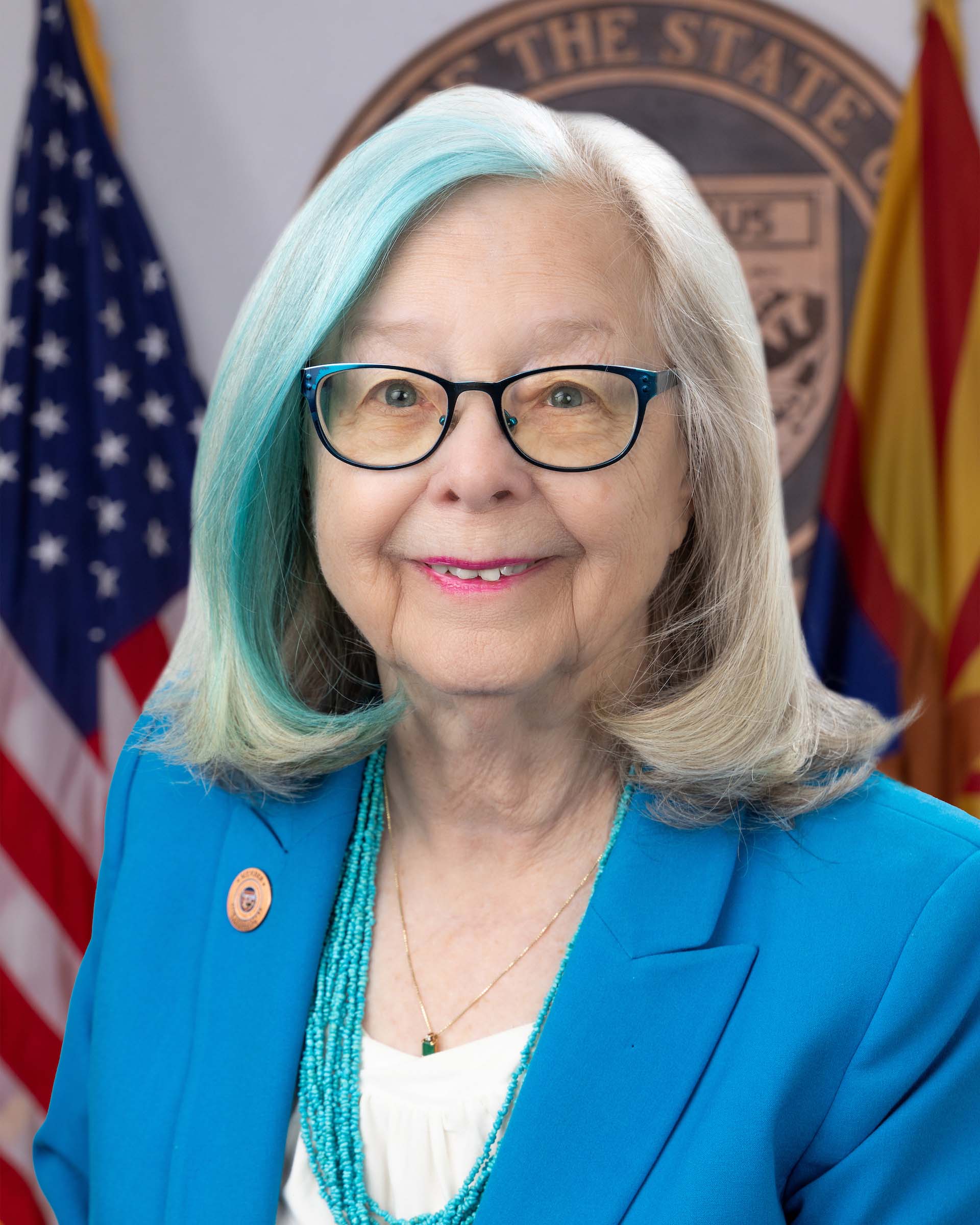
Anna Abeytia
40% support rate
Ranked legislators
10
5 support · 5 oppose
Key legislators

Who's moving environment in Arizona

Legislators moving environment in Arizona
Legislator Party Stance Support rate Votes
Flavio Bravo
Flavio Bravo Senate · District 26
D
Support
68% 69
Lela Alston
Lela Alston Senate · District 5
D
Support
64% 84
Brian Fernandez
Brian Fernandez Senate · District 23
D
Support
64% 72
Pamela Carter
Pamela Carter House · District 4
R
Support
63% 141
Kiana Sears
Kiana Sears Senate · District 9
D
Support
63% 81
Anna Abeytia
Anna Abeytia House · District 24
D
Oppose
40% 117
Stacey Travers
Stacey Travers House · District 12
D
Mixed −
40% 123
Nancy Gutierrez
Nancy Gutierrez House · District 18
D
Mixed −
42% 122
Mariana Sandoval
Mariana Sandoval House · District 23
D
Mixed −
42% 139
Aaron Marquez
Aaron Marquez House · District 5
D
Mixed −
42% 141
Showing 21–30 of 138 bills

All environment bills

signed · Arizona · House Jun 4, 2026

HB 2641: PFAS; firefighting foam; prohibition

HB 2641 prohibits local governments, fire departments, and state agencies from using class B firefighting foam containing intentionally added PFAS chemicals during training or testing, effective January 1, 2020. Exceptions allow emergency firefighting, fire prevention, and testing at facilities with proper containment, treatment, and disposal measures. The law specifically targets foam for flammable liquid fires (class B) but does not restrict manufacturing, sale, or emergency use of the foam. It defines PFAS chemicals as fluorinated substances used in firefighting formulations and clarifies that the prohibition applies only to non-emergency purposes.
Sub-Topics Drinking Water
failed · Arizona · House Apr 8, 2026

HB 2795: small modular reactors; zoning; approval

HB 2795 modifies Arizona law to allow small modular reactor (SMR) construction and operation by preventing local governments from restricting these projects under specific conditions. It requires SMR developers to obtain federal early site permits and design certifications, then submit proof of these to the county board of supervisors before local zoning rules can be overridden. This directly affects SMR developers and Arizona counties, ensuring federal approvals supersede local zoning for eligible projects. The law does not alter federal requirements but clarifies that counties cannot block SMR sites once the federal steps are completed and documented.
Sub-Topics Nuclear
signed · Arizona · Senate Jun 22, 2026

SB 1335: water banking; annual report; posting

SB 1335 requires Arizona's water banking commission to submit an annual report by July 1st each year, detailing all transactions and activities related to the state's water banking fund. The report must include specific financial accounting (monies expended and remaining), water storage volumes, long-term credit distributions, and a 10-year plan for future water banking services - including protecting against Colorado River shortages and supporting tribal water rights settlements. The commission must also post this report on its public website. This bill focuses solely on transparency and reporting requirements for the existing water banking program.
introduced · Arizona · Senate Feb 4, 2026

SB 1636: subsequent irrigation; non-expansion areas; procedures.

Arizona's SB 1636 establishes a new process for designating "subsequent irrigation non-expansion areas" where groundwater is insufficient to reliably support irrigation for 100 years at current withdrawal rates. The bill allows the director to designate such areas (which must cover entire groundwater sub-basins, not partial areas) without requiring an "active management area" under other laws. It also creates procedures for initiating designations through petitions signed by either 25 irrigation users or 10% of registered voters in the area, accompanied by approved groundwater flow models and hydrologic reports. This bill directly affects groundwater users and local communities in areas potentially designated under this new process.
introduced · Arizona · House Jan 27, 2026

HB 2562: restaurants; water; hotels; laundry

HB 2562 requires restaurants and food service establishments in Arizona to provide water to customers only upon request, not automatically. It also mandates that hotels and motels offer guests the option to decline daily towel and linen laundering, with clear signage about this choice. The bill directly affects these businesses by changing their standard service practices for water and linens. Key provisions focus on reducing unnecessary water use and resource consumption through simple, mandatory customer notification and consent. (Summary based solely on the bill text provided.)
failed · Arizona · House Mar 24, 2026

HB 2145: petition; waiver; fuel formulations

HB 2145 requires gasoline sold in Arizona counties with over 1.2 million residents (Area A) to meet either federal Phase II or California Phase 2 reformulated fuel standards, excluding minimum oxygen content rules. It allows fuel suppliers to petition for temporary waivers during imminent ethanol shortages, demonstrating supply issues and proposing alternative oxygenate blends that maintain approximately 3.5% oxygen content. The petition must specify affected suppliers, blend details, and a 60-day compliance period, with decisions made within 7 days by state officials. This bill directly affects gasoline suppliers and blenders in designated high-population areas, aiming to balance environmental standards with supply chain flexibility.
failed · Arizona · House Feb 26, 2026

HB 2798: appropriation; Arizona geological survey; study

HB 2798 appropriates funds to the University of Arizona’s Arizona Geological Survey to study minerals and metals needed for advanced nuclear reactors (including generation III+ and IV small modular reactors). The study requires mapping all known mineral reserves across Arizona, detailing quantities and grades for each site. The Geological Survey must submit a final report to state officials and publish it online by a specified deadline. This bill directly affects Arizona’s geological data collection efforts and state officials receiving the findings, with no direct impact on the public or businesses.
Sub-Topics Appropriations Nuclear
introduced · Arizona · House Jan 13, 2026

HB 2125: weather modification; license; rules

HB 2125 requires anyone conducting weather modification operations (like rain augmentation, hail control, or fog dispersal) in Arizona to obtain a license from the Department of Water Resources. It directly affects individuals, corporations, and government entities planning such activities, mandating applications with detailed operational plans, environmental reviews, and public notice. Key provisions include a $100 application fee, 120-day processing timelines, mandatory environmental assessments by the Department of Environmental Quality, and public comment periods. Licensees must also maintain insurance coverage to address potential risks and cover related costs through the Water Resources Fund.
passed · Arizona · House Mar 3, 2026

HB 2097: irrigation non-expansion areas; withdrawal; maximum

HB 2097 sets a limit of six acre-feet of groundwater per acre annually for irrigation on land legally irrigated between 1975-1980 (in initial areas) or during the five years before a designated area's creation (in subsequent areas). Landowners using groundwater from non-exempt wells who exceed this limit face a $150 penalty per acre, and all users must install approved measuring devices and submit annual reports by March 31. The bill exempts correctional facilities from the six-acre-foot limit if they irrigate up to ten acres for inmate work programs producing food, provided they notify water authorities in advance.
in committee · Arizona · House Feb 12, 2026

HB 2824: capital improvement; financing program

HB 2824 allows Arizona cities, towns, and counties to establish a financing program for property owners to fund energy efficiency and structural improvements on qualifying commercial, industrial, agricultural, or multi-family residential properties (with five or more units). The bill creates a legal framework for local governments to partner with private lenders to provide long-term financing for "critical capital expenditure improvements" (like energy upgrades with 10+ year lifespans) through a special assessment program. Property owners repay the financing via annual property taxes, not through direct loans, and the program cannot be used for residential properties with four or fewer units. This enables local governments to support property upgrades that improve energy efficiency and building functionality without direct public funding.
Sub-Topics Energy Efficiency
Showing 21 to 30 of 138 bills
Previous 1 2 3 4 14 Next