Issue · Environment

Environment

Every environment bill, vote, and legislator stance in Arizona, automatically classified by Maddy, our AI policy reader.

Total bills
177
119th Congress
Top supporter
Mark Kelly
76% support rate
Top opponent
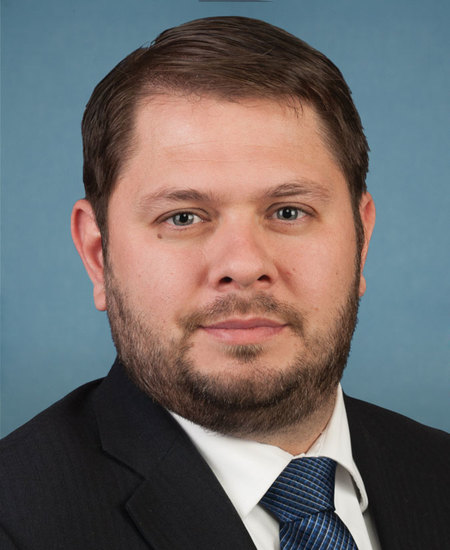
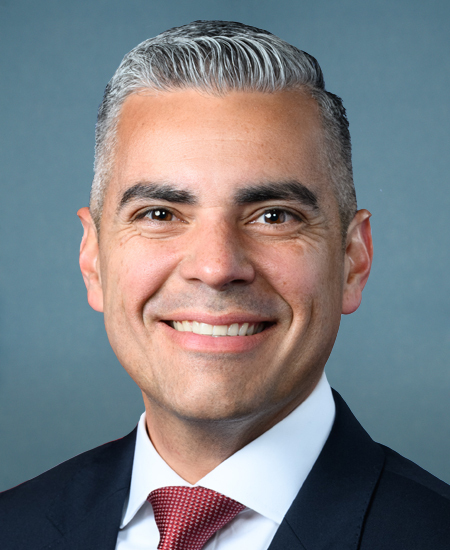
Juan Ciscomani
31% support rate
Ranked legislators
10
5 support · 5 oppose
Key legislators

Who's moving environment in Arizona

Legislators moving environment in Arizona
Legislator Party Stance Support rate Votes
Mark Kelly
Mark Kelly Senate
D
Support
76% 230
Ruben Gallego
Ruben Gallego Senate
D
Support
75% 220
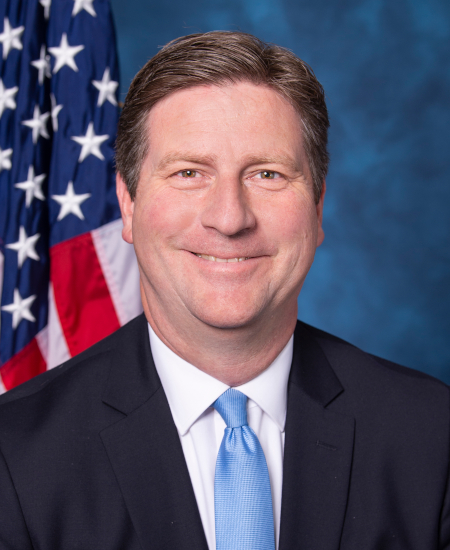
Greg Stanton
Greg Stanton House · District 4
D
Support
63% 303
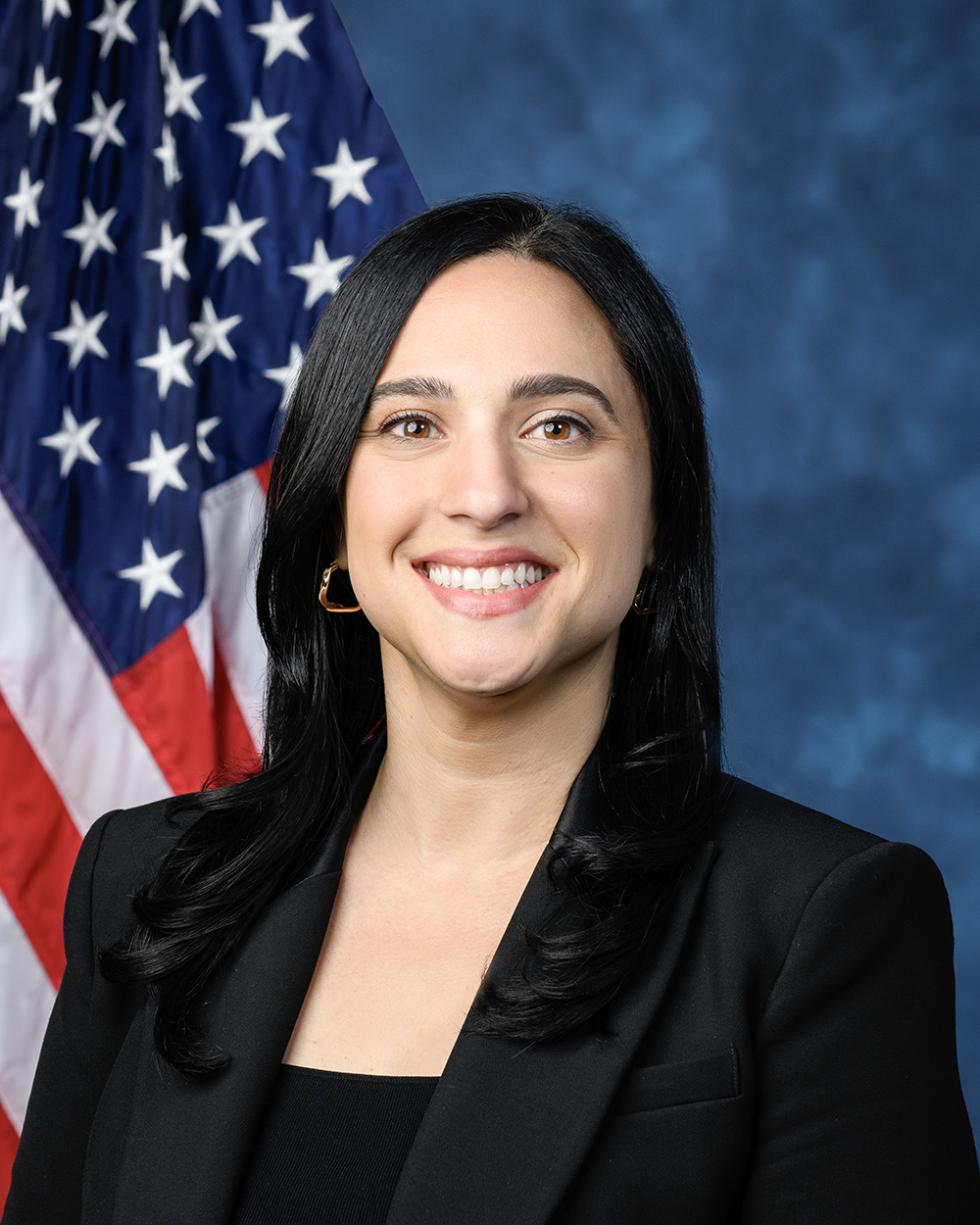
Yassamin Ansari
Yassamin Ansari House · District 3
D
Support
63% 304
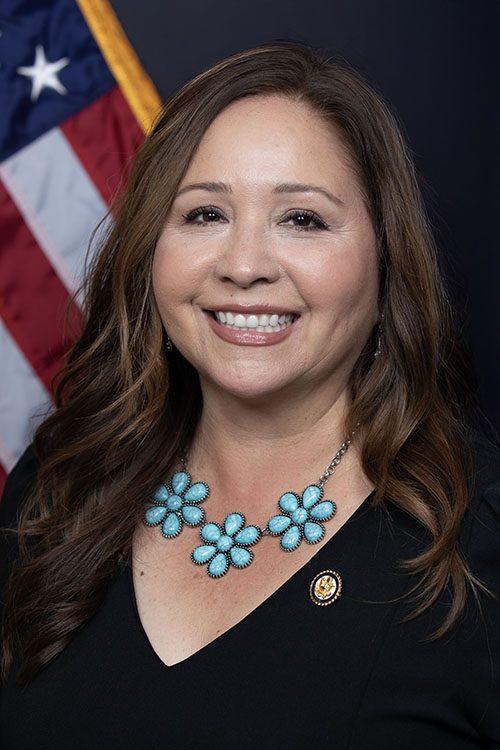
Adelita S. Grijalva
Adelita S. Grijalva House · District 7
D
Support
61% 201
Juan Ciscomani
Juan Ciscomani House · District 6
R
Oppose
31% 299
Andy Biggs
Andy Biggs House · District 5
R
Oppose
33% 270
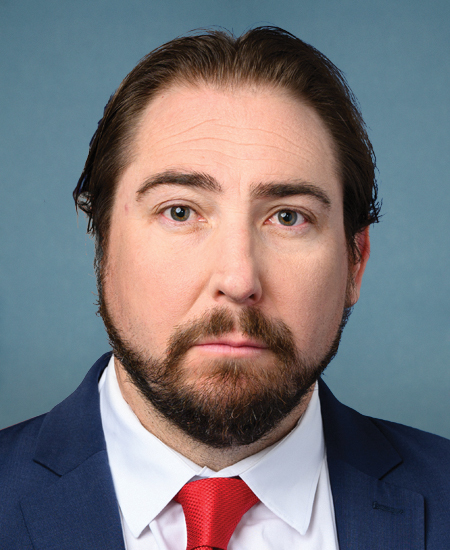
Elijah Crane
Elijah Crane House · District 2
R
Oppose
36% 303
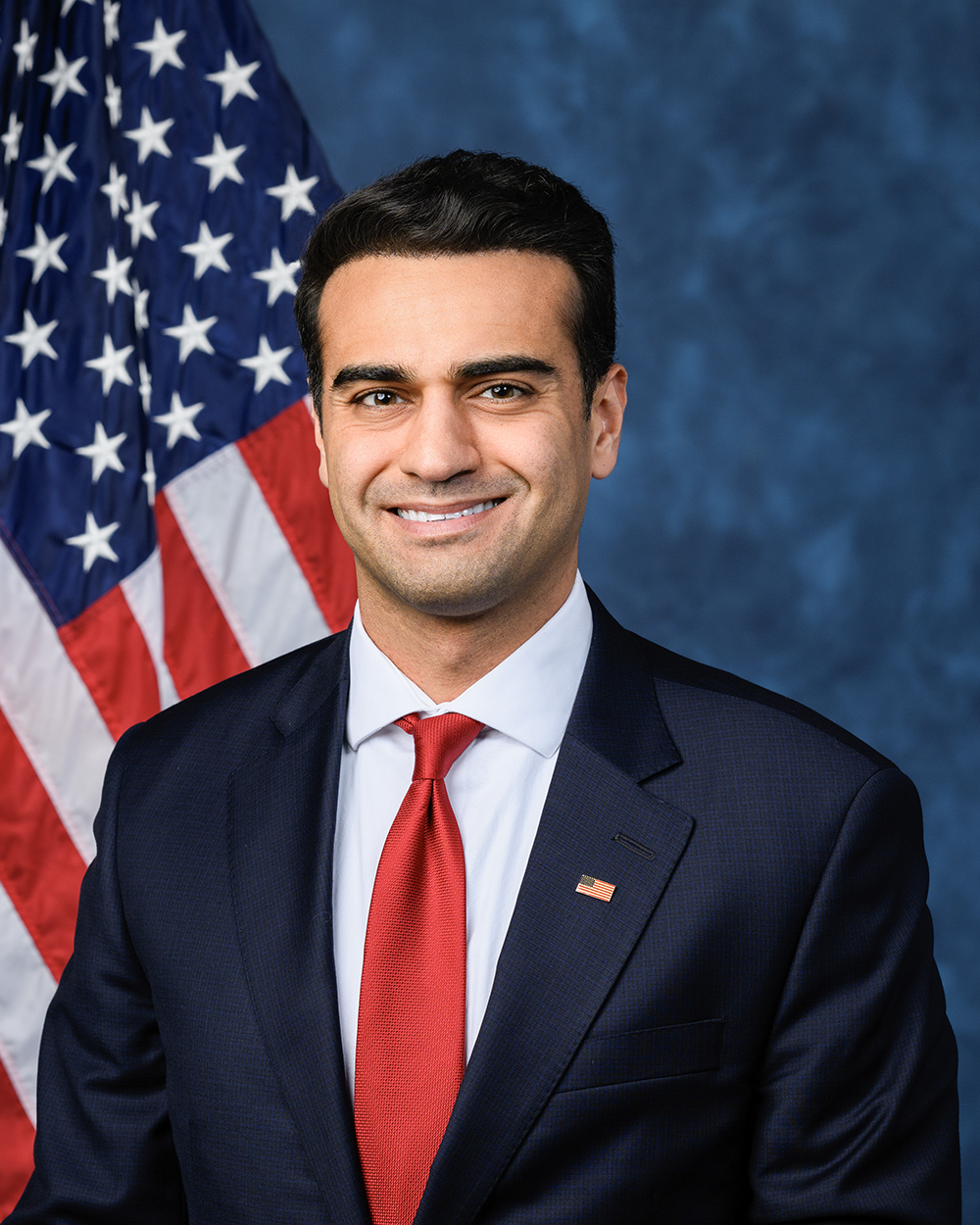
Abraham J. Hamadeh
Abraham J. Hamadeh House · District 8
R
Oppose
39% 305
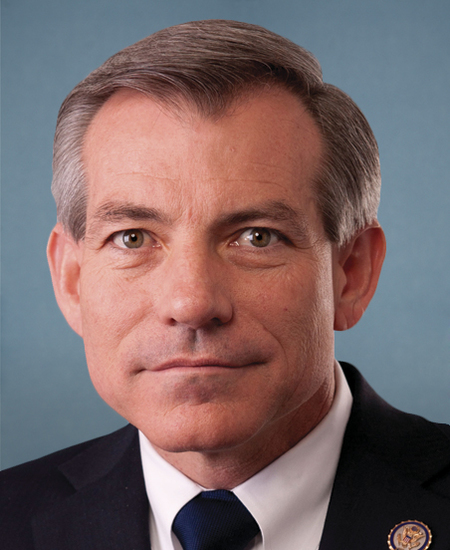
David Schweikert
David Schweikert House · District 1
R
Oppose
39% 301
Showing 1–10 of 177 bills

All environment bills

in committee · United States · House Sep 8, 2026

HR 10321: Responsible Data Center Siting Act of 2026

The Responsible Data Center Siting Act of 2026 directs the Secretary of Energy to create and publish best practices for selecting locations for new data centers. These guidelines must evaluate how proposed sites affect electricity prices, water availability, air quality, local communities, national security, and regional economies. The Department of Energy is required to release these initial recommendations within one year of the bill's passage and update them at least every two years thereafter.
Sub-Topics Air Quality
in committee · United States · House Sep 3, 2026

HR 10255: Penalties for Polluters Act

The Penalties for Polluters Act significantly increases the maximum civil penalties for violations of federal mineral leasing, oil and gas royalty management, and offshore lands laws to better account for inflation. These higher fines apply to companies and individuals who fail to comply with regulations regarding natural resource extraction and environmental protection. The bill also establishes a Penalty Revenue Reinvestment Fund that collects the additional revenue generated by these increased penalties. Half of this fund is distributed to states, Indian tribes, and local governments harmed by violations, while the other half supports federal agencies in enforcing compliance and safety standards.
in committee · United States · House Aug 6, 2026

HR 10063: Green New Deal for Public Housing Act

The Green New Deal for Public Housing Act directs the Department of Housing and Urban Development to provide grants to public housing agencies and tribal entities for the comprehensive rehabilitation, energy upgrades, and modernization of public housing stock. These funds are intended to transform properties into zero-carbon homes by installing renewable energy systems, electrifying appliances, and repairing infrastructure, while also establishing workforce development programs that offer training, apprenticeships, and stipends to residents and local low-income workers. The bill mandates strict labor standards, including prevailing wages and the use of U.S.-made materials, and requires agencies to maintain or increase the total number of public housing units while prioritizing resident participation through elected councils and community engagement processes.
in committee · United States · House Jul 22, 2026

HR 9827: Wildfire Reduction Market Expansion Act of 2026

The Wildfire Reduction Market Expansion Act of 2026 updates the Clean Air Act to broaden the definition of renewable biomass eligible for carbon credits. It specifically allows materials from forest management, such as slash, storm debris, and wood residuals, to be counted as renewable fuel if they come from sustainably managed lands or public forests designated for fuel reduction. The bill also includes vegetation cleared from defensible space around buildings and from wildfire risk reduction projects in the wildland-urban interface. By clarifying these categories and establishing certification requirements, the legislation aims to increase the supply of biomass available for generating renewable energy credits.
in committee · United States · Senate Jul 14, 2026

S 4970: Wildfire Prevention and Recovery Act

The Wildfire Prevention and Recovery Act authorizes the Secretary of the Army to conduct periodic wildfire risk assessments for federally authorized dams and reservoirs in Arizona. These evaluations aim to identify threats to infrastructure functions like flood control and water supply, as well as potential dangers to nearby communities if a structure fails. The bill requires the Army to consider factors such as sediment buildup, debris flows, and existing data when planning mitigation strategies to improve preparedness and response capabilities.
in committee · United States · House Jul 20, 2026

HR 9776: FLOWS Act of 2026

The FLOWS Act of 2026 creates a $50 million grant program to help rural water systems adopt digital technologies that improve efficiency, detect leaks, and protect against cyber threats. These funds are intended for owners of public water systems serving fewer than 3,300 people, with priority given to community-owned organizations and those in greatest need. The grants can cover the design and construction of smart water infrastructure, workforce training, and cybersecurity measures, while also allowing recipients to purchase necessary software. Additionally, the bill requires a five-year study to evaluate how these digital tools impact water loss, system resilience, and project costs in rural areas.
Sub-Topics Cybersecurity
in committee · United States · House Jul 6, 2026

HR 9594: No PFAS in Cosmetics Act

The No PFAS in Cosmetics Act prohibits the sale of cosmetics in the United States if they contain intentionally added perfluoroalkyl or polyfluoroalkyl substances. This ban specifically targets fluorinated chemicals that manufacturers add to products for a functional or technical purpose, as well as certain breakdown products of those chemicals. The regulation will take effect on January 1, 2027, applying to all cosmetic products and their packaging. Additionally, the bill repeals a previous provision from the Modernization of Cosmetics Regulation Act of 2022 to ensure consistency with this new restriction.
Sub-Topics Drinking Water
in committee · United States · House Jul 30, 2026

HR 10005: Data Center Resource Disclosure Act

The Data Center Resource Disclosure Act requires operators of data centers in the United States to voluntarily report their annual energy and water usage to the Assistant Secretary of Commerce. These operators must submit the data within 180 days of the law's enactment and every year thereafter. The government will then publish the results on an interactive map, identify facilities that did not provide information, and share feedback from public interest groups. Additionally, the Assistant Secretary must coordinate with other federal agencies and submit a report to Congress with recommendations for improving data center transparency.
in committee · United States · House Jul 23, 2026

HR 9939: No AI Data Centers on Federal Lands Act

This bill, titled the No AI Data Centers on Federal Lands Act, prohibits the construction and operation of large-scale artificial intelligence data centers on any land owned or managed by the United States government. It requires federal agencies to immediately stop building or running such facilities and mandates the removal of existing structures within 30 days of the law's enactment. The legislation defines these centers as buildings with high power usage or advanced cooling systems used for developing AI models, while also specifying that any cleanup must follow environmental safety standards.
in committee · United States · Senate Jul 21, 2026

S 5045: Wildfire Emissions Prevention Act of 2026

The Wildfire Emissions Prevention Act of 2026 amends the Clean Air Act to officially recognize prescribed fires and cultural burning as "exceptional events," meaning air quality issues caused by these deliberate, managed burns will no longer be counted as violations of pollution standards. The bill requires the EPA to update its regulations within a year to clarify how these fires are defined and to streamline the process for states to petition for exemptions when wildfires or prescribed fires impact air quality. Additionally, the legislation establishes a new "Smoke Ready Communities" grant program that provides up to 90 percent federal funding to states, tribes, and local entities to help communities prepare for and mitigate wildfire smoke hazards in public buildings like schools.
Showing 1 to 10 of 177 bills
1 2 3 18 Next