Issue · Education

Education (School Choice)

Every education bill, vote, and legislator stance in Arizona, automatically classified by Maddy, our AI policy reader.

Total bills
30
57th Legislature - Second Regular Session
Top supporter
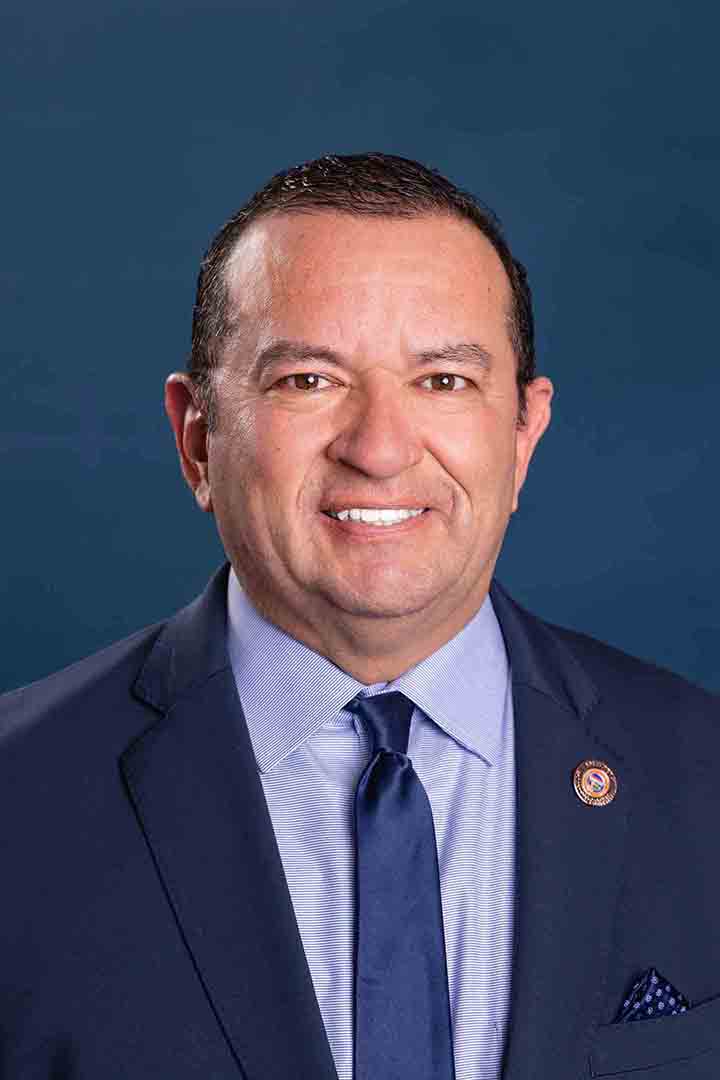
Alex Kolodin
100% support rate
Top opponent
Aaron Marquez
0% support rate
Ranked legislators
10
5 support · 5 oppose
Key legislators

Who's moving school choice in Arizona

Legislators moving school choice in Arizona
Legislator Party Stance Support rate Votes
Alex Kolodin
Alex Kolodin House · District 3
R
Strong +
100% 7
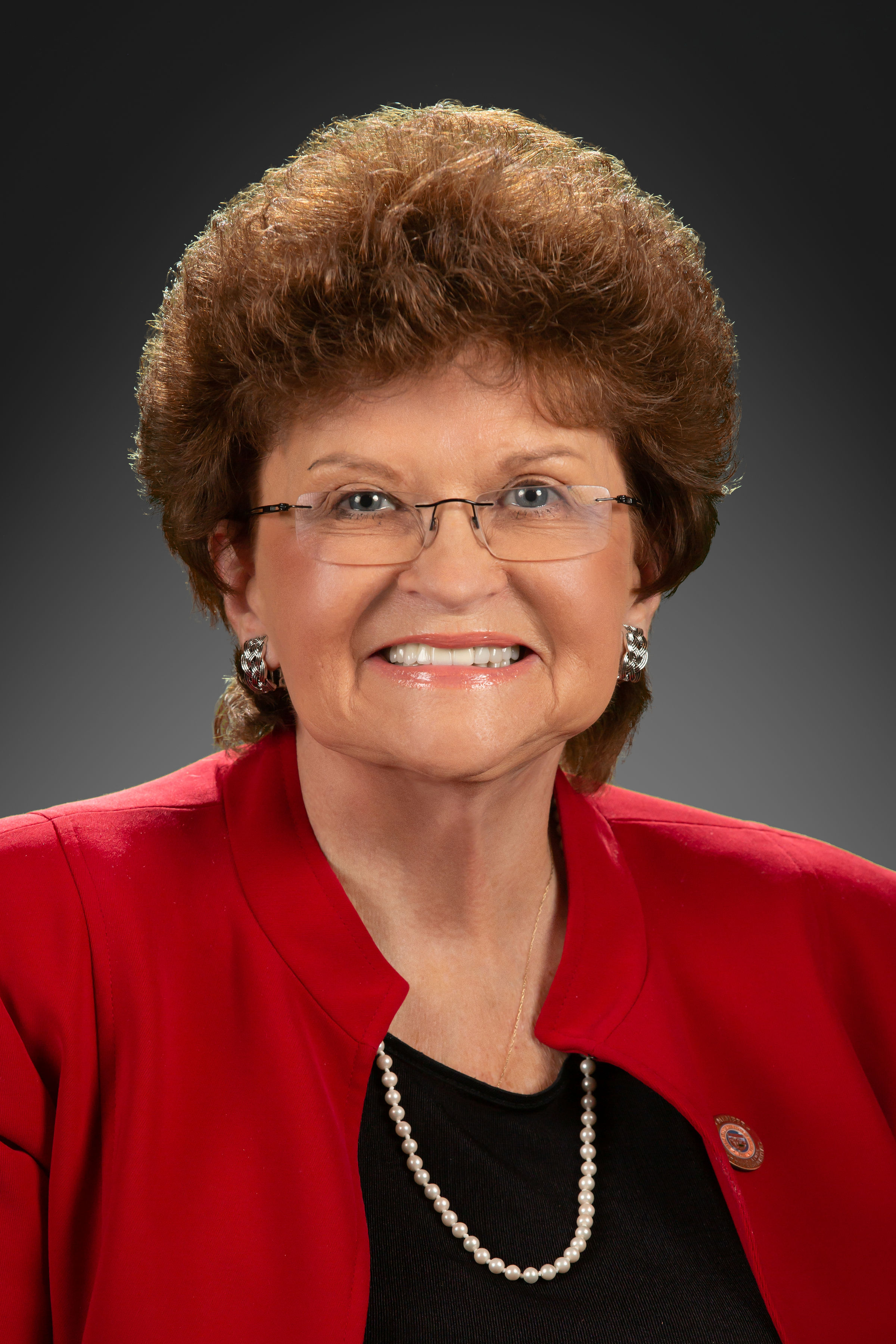
Beverly Pingerelli
Beverly Pingerelli House · District 28
R
Strong +
100% 7
Chris Lopez
Chris Lopez House · District 16
R
Strong +
100% 7
David Livingston
David Livingston House · District 28
R
Strong +
100% 7
Gail Griffin
Gail Griffin House · District 19
R
Strong +
100% 7
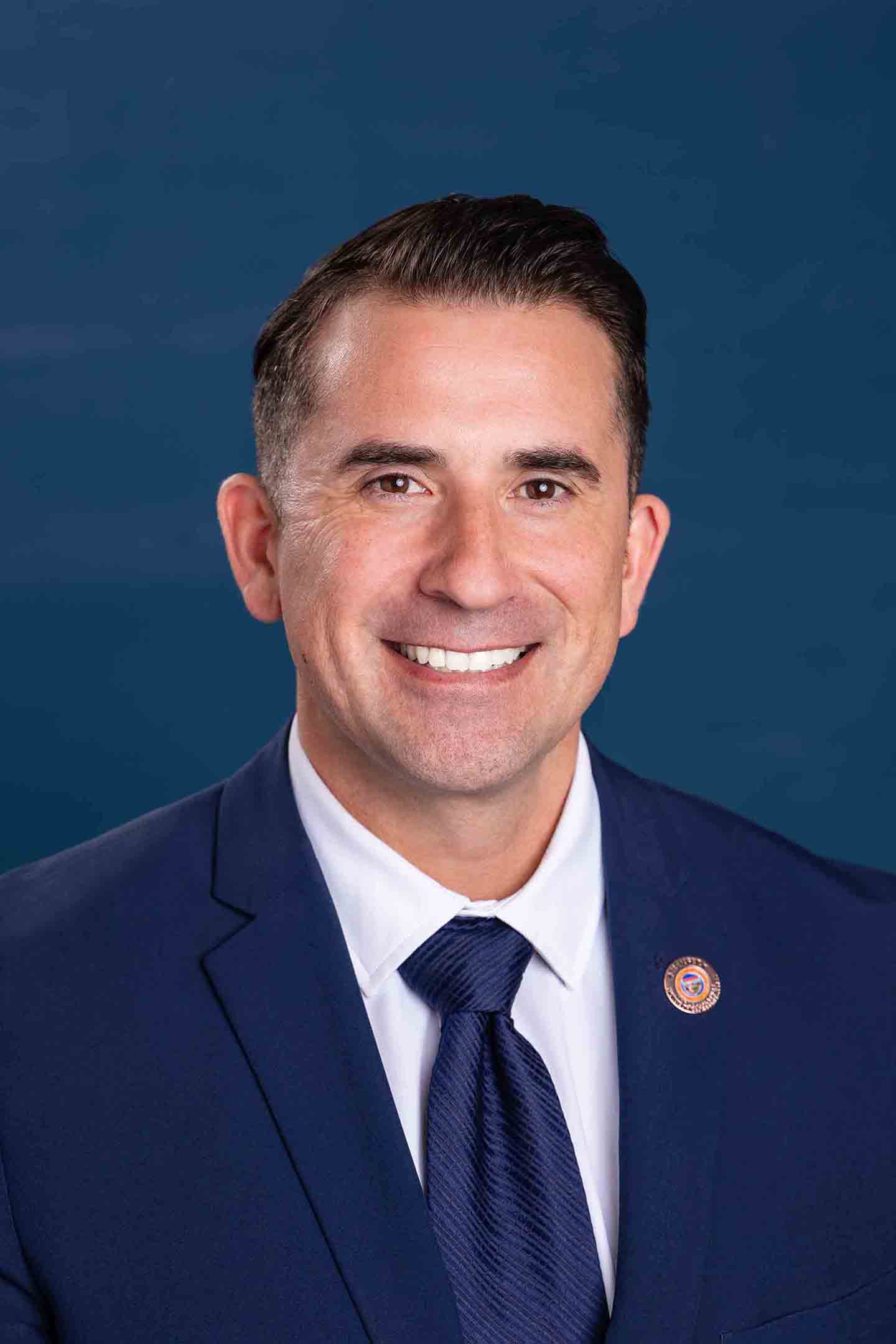
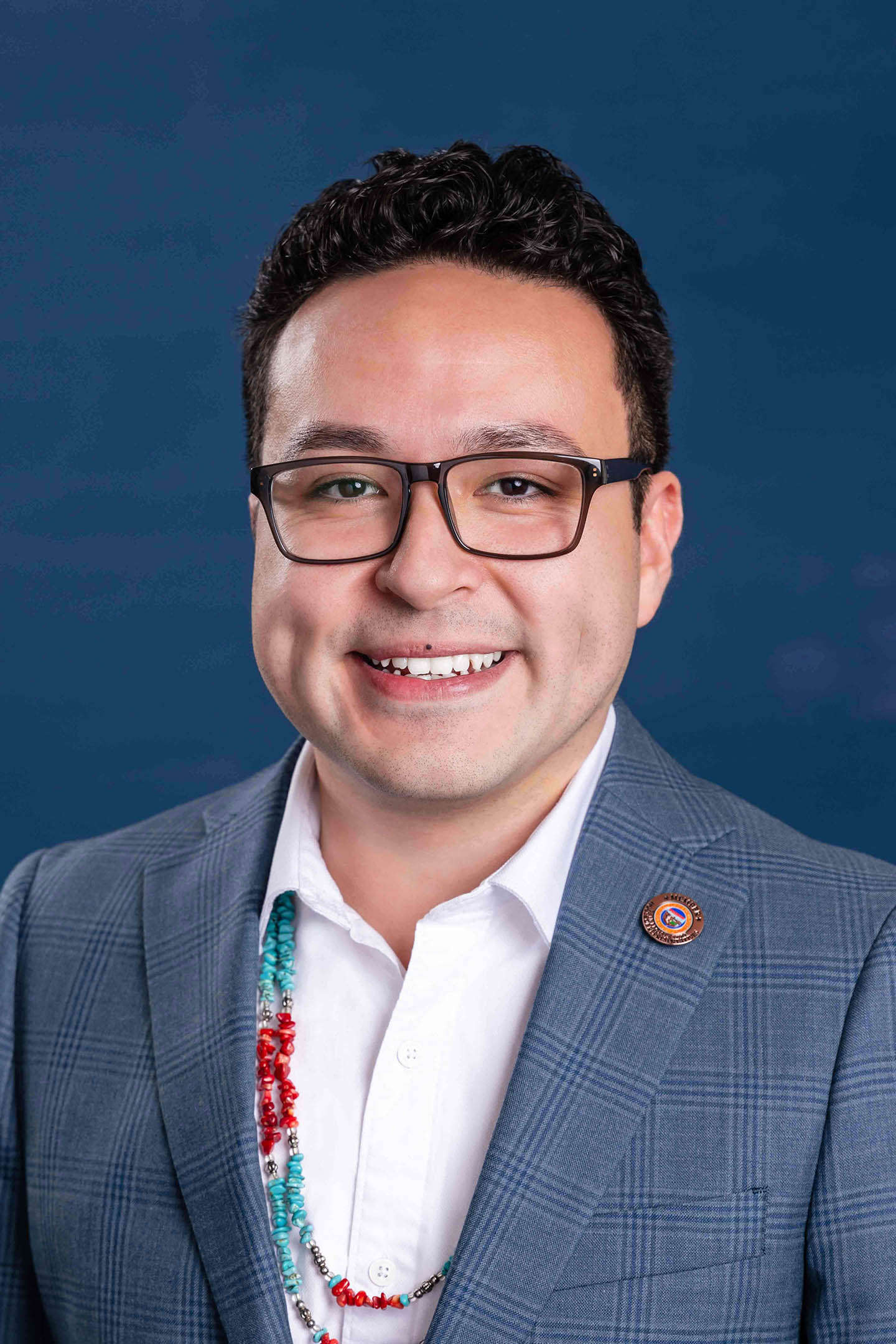
Aaron Marquez
Aaron Marquez House · District 5
D
Strong −
0% 7
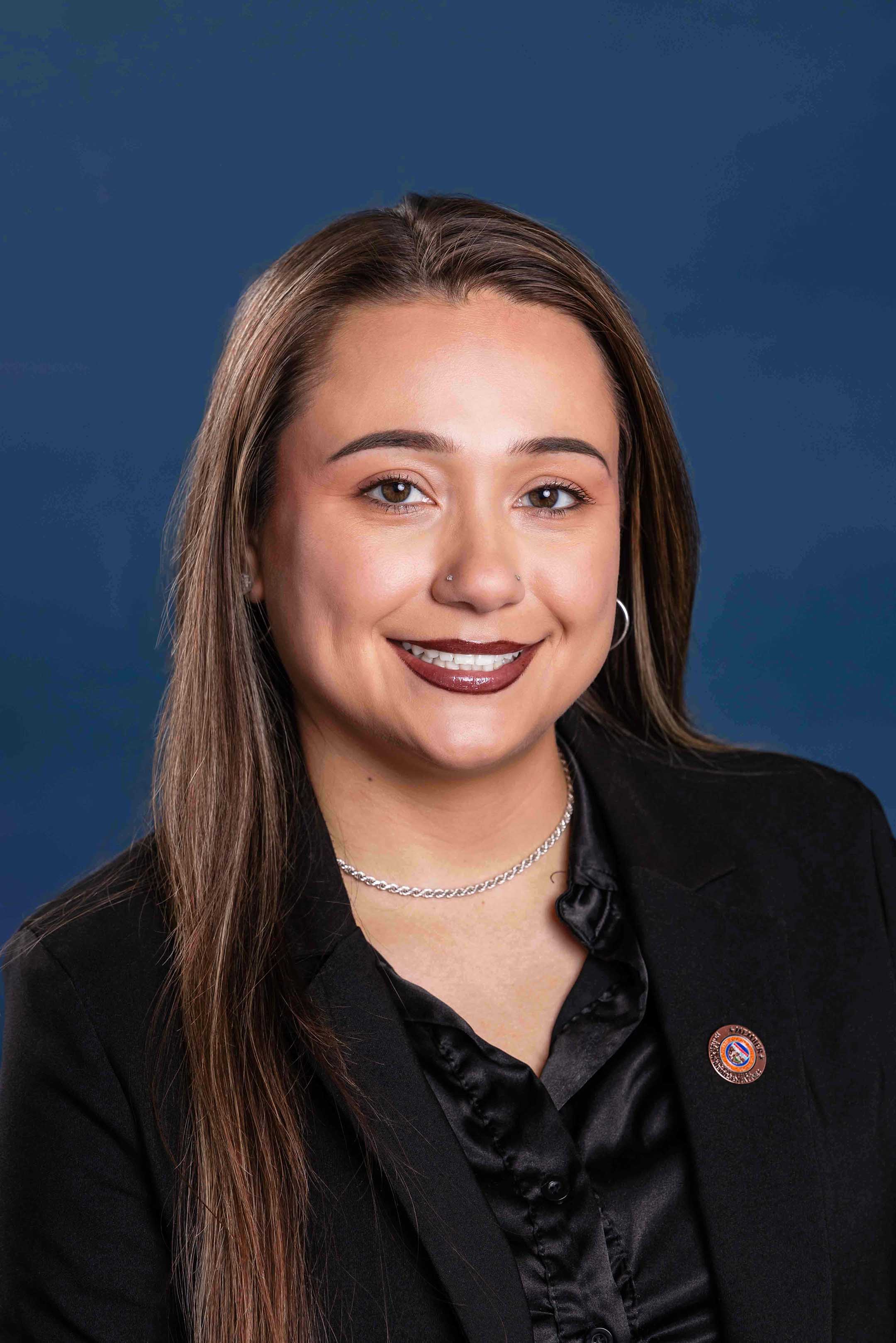
Anna Abeytia
Anna Abeytia House · District 24
D
Strong −
0% 7
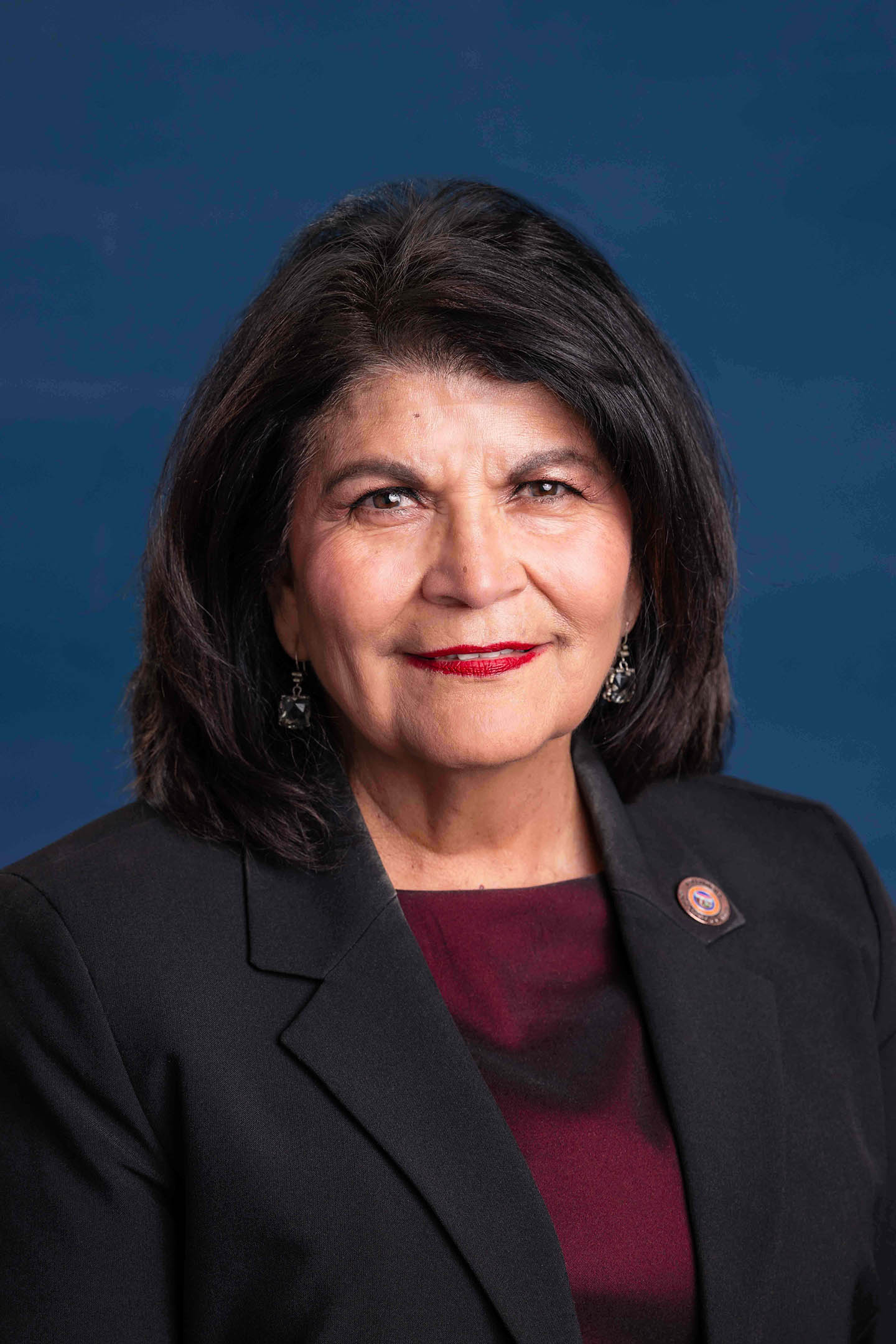
Betty Villegas
Betty Villegas House · District 20
D
Strong −
0% 7
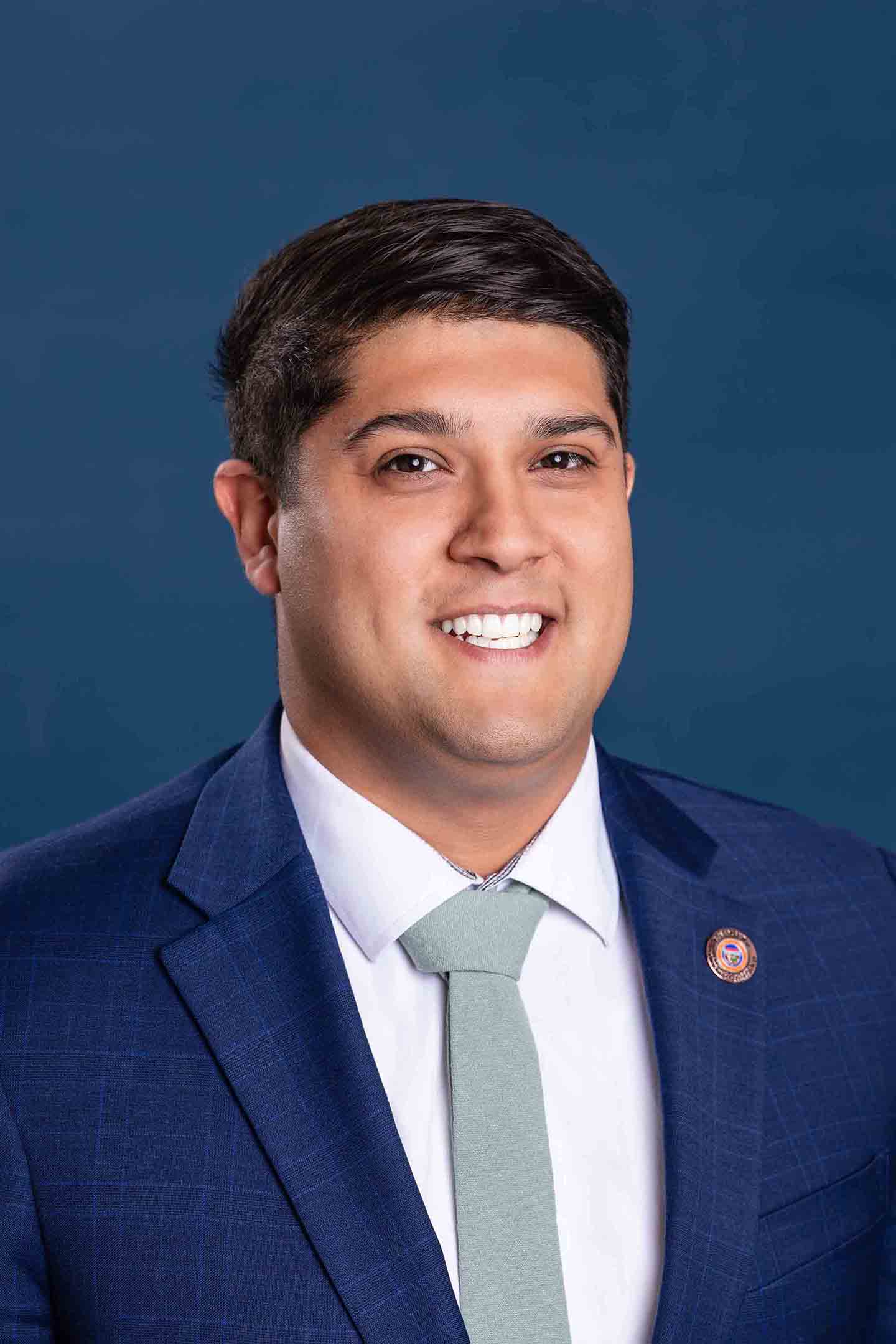
Brian Garcia
Brian Garcia House · District 8
D
Strong −
0% 7
Cesar Aguilar
Cesar Aguilar House · District 26
D
Strong −
0% 7
Showing 11–20 of 30 bills

All education bills

introduced · Arizona · Senate Feb 9, 2026

SB 1726: STOs; scholarship reporting; identification numbers

SB 1726 requires certified school tuition organizations (STOs) in Arizona to report detailed student data to the Department of Education annually. It creates a student identifier system to track scholarship recipients and mandates STOs to submit specific information, including each student's family income level (categorized by federal lunch program thresholds), the amount of scholarship received, and the school attended. The bill also requires STOs to report the number and dollar amounts of scholarships awarded to students in different income brackets, broken down by school. The Department of Education must then post this aggregated data publicly on its website by March 31 each year. This bill directly affects STOs, students receiving scholarships, and the Department of Education.
introduced · Arizona · House Feb 18, 2026

HB 4037: individual income tax; credit; education

HB 4037 creates a new refundable education tax credit for Arizona taxpayers with qualifying children. The credit (up to 80% of the state's base support level) applies to children not enrolled in public school or scholarship programs for more than 50% of instructional days. Taxpayers can claim this credit starting tax year 2026, with excess credit paid as a refund. The bill also modifies income tax filing procedures to streamline forms for eligible taxpayers and requires electronic filing for tax preparers handling over 10 returns annually.
introduced · Arizona · Senate Feb 9, 2026

SB 1692: ESAs; tutors; safety; rules

SB 1692 clarifies eligibility requirements for Arizona's Empowerment Scholarship Account (ESA) program, which provides state-funded tuition assistance for students attending private schools. It directly affects students with disabilities (per IDEA or state disability definitions), children from schools rated "D" or "F," military-connected children, foster youth, and those from low-income households eligible for free lunch. Key provisions update definitions to specify how students qualify (e.g., requiring online students to log minimum instructional hours) and ensure schools receiving funds meet safety and non-discrimination standards. The bill modifies existing statutes without creating new funding, focusing on administrative clarity for the current ESA program.
introduced · Arizona · Senate Feb 9, 2026

SB 1699: empowerment scholarship accounts; distribution; intervals

SB 1699 establishes Arizona Empowerment Scholarship Accounts (AESA) to provide public funds for K-12 education outside public schools. It directly affects parents of qualifying students who choose to withdraw from public school districts or charter schools and use AESA funds. The bill specifies that account monies can cover tuition at qualified schools, textbooks, educational therapies (for students meeting specific disability criteria), tutoring, approved curricula, and other education-related expenses like transportation and assistive technology. Parents must agree not to enroll students in public schools, accept concurrent private scholarships, or homeschool while using AESA funds.
passed · Arizona · House Feb 26, 2026

HB 2499: appropriation; ESA administration

HB 2499 appropriates $2.6 million and 12 full-time equivalent positions from Arizona's general fund for fiscal year 2026-2027 to the Department of Education. This funding specifically supports the administration of the Arizona Empowerment Scholarship Account (ESA) program, which provides state-funded scholarships to students. The bill designates this as ongoing funding intended for future years, ensuring continued operational support for the program. The measure directly affects the Department of Education (as the administrator) and the ESA program's beneficiaries.
introduced · Arizona · House Jan 20, 2026

HB 2360: ESAs; enrollment; required disclosures; prohibition

HB 2360 protects nonpublic schools that accept Arizona Empowerment Scholarship Account (ESA) funds by preventing them from being forced to change their religious, educational, or admissions policies. It prohibits these schools from requiring parents to disclose whether a student uses an ESA or the amount in their ESA account as a condition for enrollment. The bill also states that schools accepting ESA funds are not considered government agents and shifts the burden of proof to the state if a legal challenge arises over the law's application. This directly affects nonpublic schools participating in Arizona's ESA program and ensures parental privacy regarding scholarship usage.
introduced · Arizona · Senate Jan 27, 2026

SB 1361: empowerment scholarship accounts; postsecondary education

SB 1361 creates Arizona Empowerment Scholarship Accounts, providing state-funded scholarships for students to use at approved educational providers. It directly affects Arizona students and their parents, who must sign agreements to use funds only for specific educational expenses like tuition at qualified schools, textbooks, tutoring, special education services (for eligible students), and postsecondary education costs. Key provisions include restrictions on concurrent use with school tuition organizations, requirements for approved providers (e.g., fingerprinted staff), and annual eligibility reviews for students nearing age 22. The bill expands educational options beyond traditional public schools while specifying allowable uses of funds through detailed expense categories.
signed · Arizona · House Apr 13, 2026

HB 2370: schools; weapons detection systems; administration

HB 2370 amends Arizona's charter school laws to strengthen background checks for school staff. It requires all charter school applicants and personnel with student contact (including teachers, administrators, and governing board members) to undergo fingerprint-based criminal background checks before employment. The bill mandates that charter schools verify applicants have valid fingerprint clearance cards issued under Arizona law, and schools must report arrests for certain offenses involving staff with clearance cards. This directly affects charter school applicants, staff, and sponsors by adding specific screening requirements before charter approval and hiring. (Note: The bill title mentions "weapons detection systems," but the actual text focuses solely on background checks, not security technology.)
Sub-Topics School Choice
introduced · Arizona · House Jan 26, 2026

HB 2576: school funding; inflation adjustment

HB 2576 amends Arizona's charter school funding statute to establish an annual inflation adjustment for charter school per-student payments. It sets fixed base rates ($2,131.90 for K-8 and $2,484.69 for 9-12) and requires the legislature to increase charter additional assistance by at least 2% or the GDP price deflator change (whichever is lower) starting in 2026-2027, while ensuring funding never drops below the 2026 base level. This directly affects Arizona charter schools receiving state funding, ensuring their per-student payments rise with inflation. The bill focuses on concrete funding mechanics rather than enrollment or operational rules. The bill is currently in early legislative stages (House First/Second Reading, 2026).
introduced · Arizona · House Jan 26, 2026

HB 2553: federal tax credit; authorization; scholarships..

HB 2553 authorizes Arizona to participate in a federal tax credit program (under Internal Revenue Code section 25F) that allows individuals to claim a tax credit for contributions to certified scholarship organizations. It requires the Arizona Department of Education to certify nonprofit scholarship organizations meeting federal standards and maintain a public list of certified organizations by January 1 each year. Starting December 31, 2026, these certified organizations may provide scholarships for elementary or secondary education expenses to eligible students, in alignment with federal law. The bill directly affects Arizona residents who contribute to scholarship programs and the nonprofit organizations administering them.
Showing 11 to 20 of 30 bills