Issue · Budget & Taxes

Budget & Taxes

Every budget & taxes bill, vote, and legislator stance in Arizona, automatically classified by Maddy, our AI policy reader.

Total bills
436
57th Legislature - Second Regular Session
Top supporter
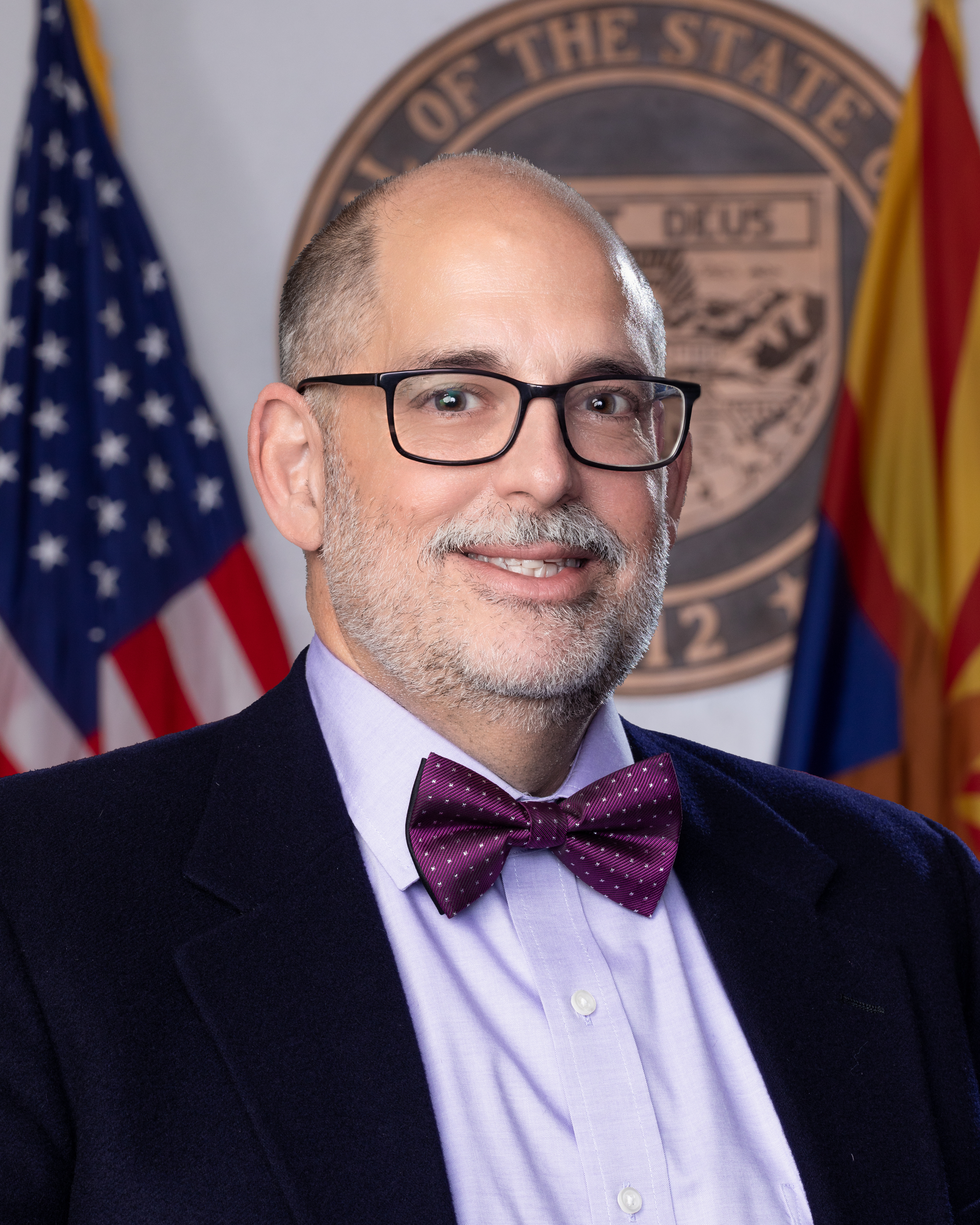
Selina Bliss
92% support rate
Top opponent
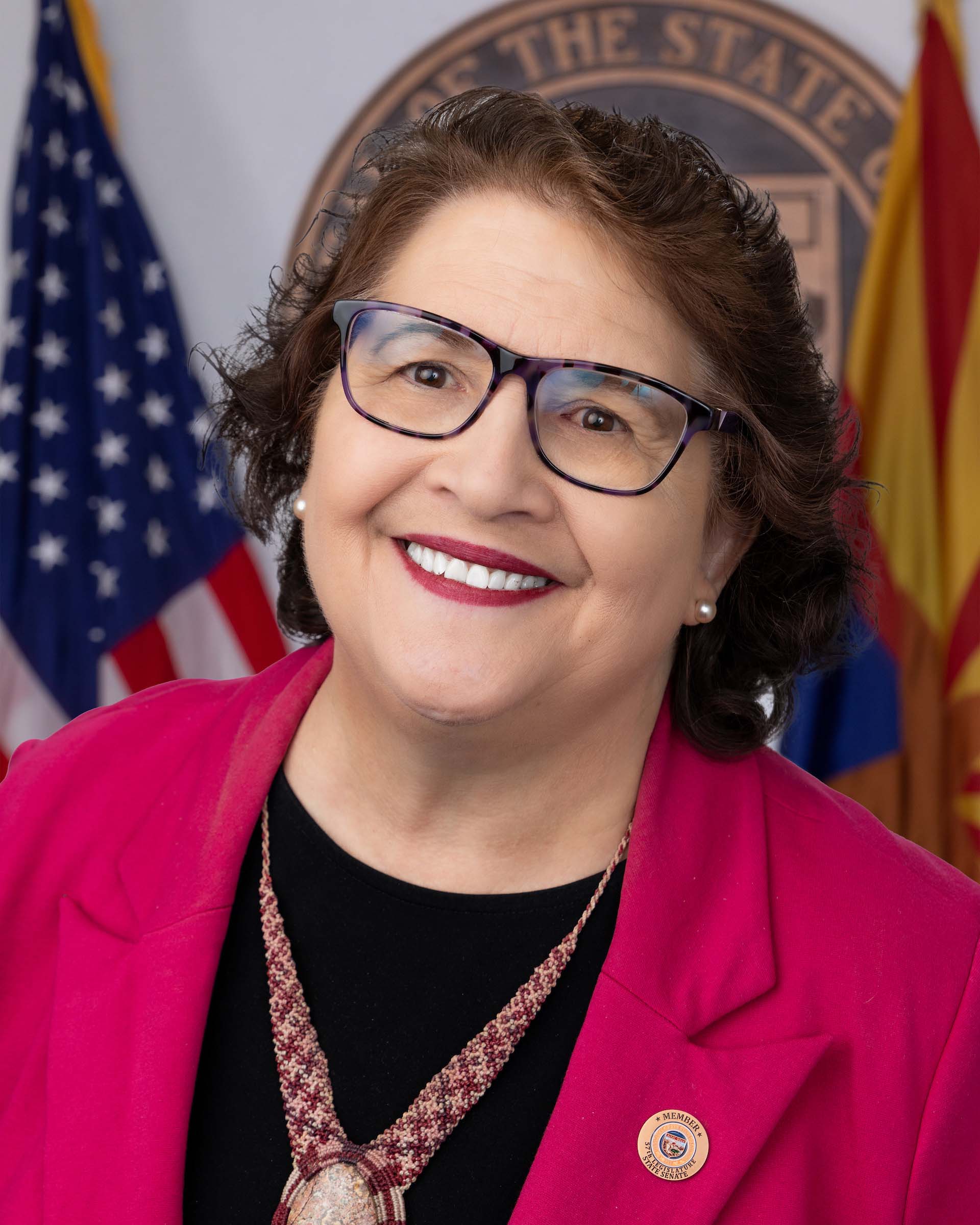
Anna Abeytia
20% support rate
Ranked legislators
10
5 support · 5 oppose
Key legislators

Who's moving budget & taxes in Arizona

Legislators moving budget & taxes in Arizona
Legislator Party Stance Support rate Votes
Selina Bliss
Selina Bliss House · District 1
R
Strong +
92% 224
James Taylor
James Taylor House · District 29
R
Strong +
91% 220
David Livingston
David Livingston House · District 28
R
Strong +
91% 206
Tony Rivero
Tony Rivero House · District 27
R
Strong +
91% 220
Steve Montenegro
Steve Montenegro House · District 29
R
Strong +
90% 223
Anna Abeytia
Anna Abeytia House · District 24
D
Strong −
20% 167
Mariana Sandoval
Mariana Sandoval House · District 23
D
Oppose
21% 222
Eva Diaz
Eva Diaz Senate · District 22
D
Oppose
21% 148
Mitzi Epstein
Mitzi Epstein Senate · District 12
D
Oppose
23% 165
Aaron Marquez
Aaron Marquez House · District 5
D
Oppose
24% 217
Showing 231–240 of 436 bills

All budget & taxes bills

introduced · Arizona · Senate Feb 2, 2026

SB 1484: appropriation; Sawmill; intergenerational learning center

SB 1484 allocates $1 million from Arizona's state general fund for fiscal year 2026-2027 to the Navajo Nation for the Sawmill Intergenerational Learning Center. The funds cover the center's design, construction, maintenance, and operations, directly supporting the Navajo Nation's community development efforts. The bill exempts this funding from standard lapsing rules, ensuring the money remains available for the project regardless of fiscal year deadlines. This is a straightforward funding allocation with no policy changes beyond the financial commitment.
introduced · Arizona · House Jan 21, 2026

HB 2629: corporate income tax; minimum

HB 2629 amends Arizona's corporate income tax law to increase the minimum tax for corporations with 50 or more employees from $50 to $1,000. Smaller corporations (fewer than 50 employees) remain subject to the $50 minimum tax. The bill also updates the tax rate schedule for corporate income (e.g., lowering rates from 6.968% to 4.9% over time), but the primary change is the higher minimum tax for larger businesses. This amendment applies to taxable years beginning after December 31, 2026.
vetoed · Arizona · House Apr 13, 2026

HB 2261: property tax; agricultural real property

HB 2261 amends Arizona property tax law to clarify and expand classifications for agricultural real property. It creates Class 2 (R) for agricultural land (including crops like trees/vines, nonprofit agricultural properties, golf courses, and guest ranches) and Class 2 (C) for land with conservation easements. The bill also refines Class 4 property to include specific residential uses like childcare facilities, senior/disabled housing, and agricultural employee housing (with land valued as agricultural). These changes directly affect Arizona property owners, particularly farmers, ranchers, nonprofits, and residential property managers, by defining how their properties are classified for tax purposes under existing valuation rules.
Sub-Topics Property Tax
introduced · Arizona · House Jan 27, 2026

HB 2281: Arizona state parks heritage fund

HB 2281 redirects $10 million annually from Arizona's state lottery fund to the Arizona State Parks Heritage Fund, established under state law. This funding supports state parks programs, including maintenance, conservation, and recreational activities. The bill specifies that these allocations are adjusted yearly based on GDP changes and are exempt from standard appropriation lapsing rules. Other lottery funds are distributed to additional programs (e.g., child safety, health services, and university projects), but the core provision for state parks is a dedicated $10 million annual allocation.
introduced · Arizona · House Jan 20, 2026

HB 2238: appropriation; Apache Junction; public safety

HB 2238 allocates $14.5 million in state funds for public safety infrastructure upgrades in Apache Junction and the Superstition area during fiscal year 2026-2027. It provides $5.5 million for the Apache Junction police department's headquarters expansion, $7 million for modernizing Superstition Fire and Medical District's Station 265, and $2 million for police radio interoperability upgrades. The bill directly funds specific physical infrastructure and technology improvements for these local public safety agencies. This is a straightforward funding allocation with no new policy requirements or regulations.
Sub-Topics Appropriations Policing Tags Public Safety
introduced · Arizona · House Jan 26, 2026

HCR 2035: school districts; aggregate expenditure limitation.

This proposed constitutional amendment would establish annual spending limits for Arizona school districts based on adjusted 1979-1980 spending levels, adjusted for student population growth and inflation. The limit is calculated as 1.10 times the adjusted baseline amount, prohibiting districts from exceeding this cap using local revenues (excluding specific exempted funds like federal grants, bond proceeds, and self-supporting school services). Districts could exceed the limit only if the legislature passes a two-thirds vote concurrent resolution. The measure directly affects all public school districts and community college districts in Arizona by constraining their local budget flexibility.
passed · Arizona · Senate Jun 13, 2026

SB 1488: appropriation; coal-impacted workforce; study

SB 1488 establishes a committee to study the economic and social impacts on communities dependent on the coal industry, particularly those facing job losses due to coal plant closures. The committee includes bipartisan legislators from rural or tribal areas, nonprofit representatives focused on food security and water protection, Navajo Nation officials, and a Coconino County supervisor. It also appropriates $600,000 for the Office of Economic Opportunity to conduct a workforce development study specifically in Coconino County, where the Navajo Generating Station closed. The committee must submit findings and recommendations to state leaders by December 31, 2026, with the study committee dissolving after September 30, 2027.
introduced · Arizona · House Jan 22, 2026

HB 2738: cost responsibility agreements; data centers

HB 2738 provides tax relief to owners and operators of computer data centers in Arizona that meet specific investment requirements, with qualified colocation tenants also eligible for the benefit. To qualify, data centers must apply for certification, submit a cost responsibility agreement (requiring them to pay for utility infrastructure upgrades), and meet either a $25 million investment threshold (in counties under 800,000 people) or $50 million (in larger counties) within five years of certification. Failure to meet these thresholds results in revoked certification and potential recapture of tax relief, with new applications no longer accepted after December 31, 2033.
introduced · Arizona · Senate Mar 9, 2026

SB 1535: prostitution; assessment; anti-human trafficking fund.

SB 1535 requires courts to collect a $200 assessment from individuals convicted of specific prostitution offenses under Arizona law (ARS 13-3214), with no waiver allowed. The funds collected flow directly to Arizona’s Anti-Human Trafficking Grant Fund, established under ARS 41-1736. This fund supports programs that assist trafficking victims, provide law enforcement support, or offer public education on preventing and identifying human trafficking. The bill does not change prostitution prohibitions but directs penalties toward funding anti-trafficking initiatives.
introduced · Arizona · Senate Feb 11, 2026

SB 1579: appropriations; law enforcement; records management

SB 1579 allocates $3,091,800 in state funds for fiscal year 2026-2027 to expand a pilot program connecting law enforcement records management and computer-aided dispatch systems. The bill directly provides funding to 52 local law enforcement agencies across Arizona, including city police departments, county sheriff's offices, and university police units. The key provision is the appropriation of specific dollar amounts to these entities to enhance system interoperability under the existing 2024 pilot program. This is a funding measure, not a policy change, with no new requirements or obligations imposed on the recipients.
Sub-Topics Appropriations
Showing 231 to 240 of 436 bills
Previous 1 23 24 25 44 Next