

Maddy summaryThe Justice for Ukrainian Children Act directs the U.S. government to support efforts to locate and rescue Ukrainian children forcibly transferred by Russia, while imposing mandatory sanctions on foreign individuals who facilitate these transfers. The bill authorizes at least $15 million annually from fiscal years 2027 through 2032 to fund evidence collection, maintain a centralized database, and assist in the rehabilitation of affected children. It requires the President to block the assets and revoke the visas of any foreign person found to have knowingly participated in the abduction or indoctrination of Ukrainian minors, with limited exceptions for humanitarian aid and national security needs. Additionally, the legislation allocates $10 million annually to expand U.S. media broadcasting services in Ukraine and neighboring regions to counter disinformation.
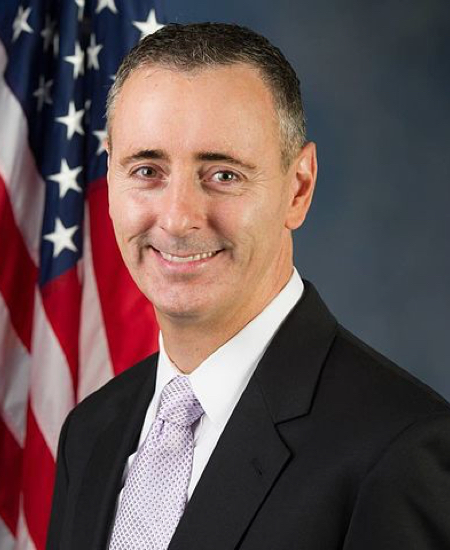
Rep. Brian K. Fitzpatrick
Sponsored bills
Maddy summaryThe Backlog Justice Act of 2026 aims to reduce the backlog of untested sexual assault evidence kits by requiring the Attorney General to create a public database tracking inventory levels and laboratory processing times across state and local jurisdictions. To address staffing shortages, the bill authorizes the FBI to develop training programs for forensic analysts and DNA technical leaders, allowing states and localities to hire individuals who have completed this federal training. Additionally, it funds a program for the FBI to collaborate with state and local providers on validating new DNA processing technologies and sharing related protocols. The legislation also provides increased grant funding to states that implement electronic tracking systems allowing sexual assault survivors to monitor the status of their evidence kits from collection through final disposition.
Maddy summaryThe Kylie's Voices for Childhood Cancer Act requires state comprehensive cancer control coalitions to include at least two pediatric cancer experts as a condition for receiving federal funding. It also establishes a temporary advisory committee within the Department of Health and Human Services, composed of representatives from federal agencies and individuals with experience in pediatric cancer care or survival. This committee is tasked with developing best practices and recommendations for addressing pediatric cancer in state plans, including specific guidance on using existing block grant funds for these initiatives. The bill further amends maternal and child health services block grants to explicitly allow states to use funds for pediatric-specific cancer control goals and to implement the advisory committee's recommendations.
Maddy summaryThe 9-8-8 Implementation Act of 2026 expands federal funding and mandates insurance coverage for behavioral health crisis services, directly affecting individuals experiencing mental health or substance use emergencies as well as the providers who serve them. The bill authorizes grants to upgrade local lifeline call centers, build new crisis stabilization facilities, and train a larger workforce of behavioral health professionals. It requires Medicare, Medicaid, private group health plans, TRICARE, and other federal insurance programs to cover crisis response services with financial terms no more restrictive than standard medical care. Additionally, the legislation establishes a federal panel to develop training protocols for 9-1-1 dispatchers to better connect callers to appropriate crisis care rather than law enforcement responses.
Maddy summaryThe PEARL Act directs the U.S. Customs and Border Protection agency to create a pilot program that adopts dogs from local animal shelters to serve as support animals for its existing canine unit. This initiative is designed to provide emotional assistance to the handlers and agents who work with these dogs, with the program set to run for a three-year period. By requiring the adoption of shelter dogs, the legislation also aims to support local animal welfare organizations while enhancing the well-being of CBP personnel.
Maddy summaryThe Nitrous Oxide Safety Act of 2026 would classify consumer products containing nitrous oxide as banned hazardous items under federal law, except for specific exceptions. The bill prohibits the sale of nitrous oxide products for recreational use while allowing continued sales for medical and dental treatments, food production in commercial kitchens, research and development activities, and food propellant applications. This legislation directly affects manufacturers, retailers, and consumers by restricting access to nitrous oxide in consumer products after 180 days from enactment. The law defines nitrous oxide as the gas known as laughing gas or whippits and specifies which entities and activities are exempt from the ban.
Maddy summaryThe Chip EQUIP Act restricts federal funding for semiconductor manufacturing equipment made by foreign entities designated as security concerns (or their subsidiaries). It prohibits the use of such "ineligible" equipment - defined as completed, fully assembled tools like etching, lithography, or inspection machines - in projects receiving federal financial assistance for 10 years. The bill requires federal agreements to include this ban, with limited waivers allowed only if the equipment is unavailable from U.S. or allied sources, was refurbished by a foreign entity of concern but originally made by a non-concern entity, or meets export rules and national security criteria. This directly affects companies receiving federal funds for semiconductor manufacturing facilities.
Maddy summaryThis bill would require Medicare to cover early detection screening tests for Alzheimer's disease and related dementias starting January 1, 2028. It defines eligible tests as FDA-cleared genomic blood tests, blood product analyses, or equivalent medical imaging methods (like protein expression or whole genome sequencing) that detect pre-symptomatic or early-stage conditions. Medicare beneficiaries would receive this coverage without cost-sharing for these specific screenings. The bill amends Medicare coverage rules to explicitly include these tests under Section 1861(nnn) of the Social Security Act.
Maddy summaryHR 5967 establishes a federal task force led by the FTC and DOJ to combat scams. The task force, including agencies like the FBI, SEC, and Social Security Administration, will develop a national strategy using existing tools such as the Consumer Sentinel Network and Internet Crime Complaint Center. Key actions include public education, coordination with industry (like banks and social media platforms), and enforcement using current laws against fraud and money laundering. The task force must report to Congress within one year and dissolve after 10 years.
Maddy summaryThis bill creates a 6-year Medicare pilot program providing medically tailored home-delivered meals and nutrition counseling to specific high-risk Medicare patients after hospital discharge. It targets individuals with diet-impacted conditions (like diabetes or heart failure) who live at home, have limited mobility, and are at high risk of hospital readmission. Selected hospitals must meet quality standards, screen patients using approved tools, and deliver at least two meals daily meeting nutritional needs while respecting cultural/religious dietary requirements, all without patient cost-sharing. The program requires hospitals to submit data for the Secretary to evaluate health outcomes, readmission rates, and cost savings compared to non-participants. Funding comes from the Medicare Hospital Insurance Trust Fund, offset by reductions to other hospital payments to maintain budget neutrality.