Maddy summaryThis bill requires all new passenger vehicles manufactured for sale in the U.S. to include AM radio as standard equipment (not an optional add-on) by 2027-2028, depending on manufacturer size. It mandates that AM radio receivers must be easily accessible to drivers and allows compliance through digital AM broadcast technology. During a transition period, manufacturers must clearly label vehicles without AM radio but cannot charge extra for this feature. The bill also mandates a GAO study on AM radio's role in emergency alerts and includes a 10-year sunset provision for the rule. It preempts state laws regarding AM radio access in vehicles.
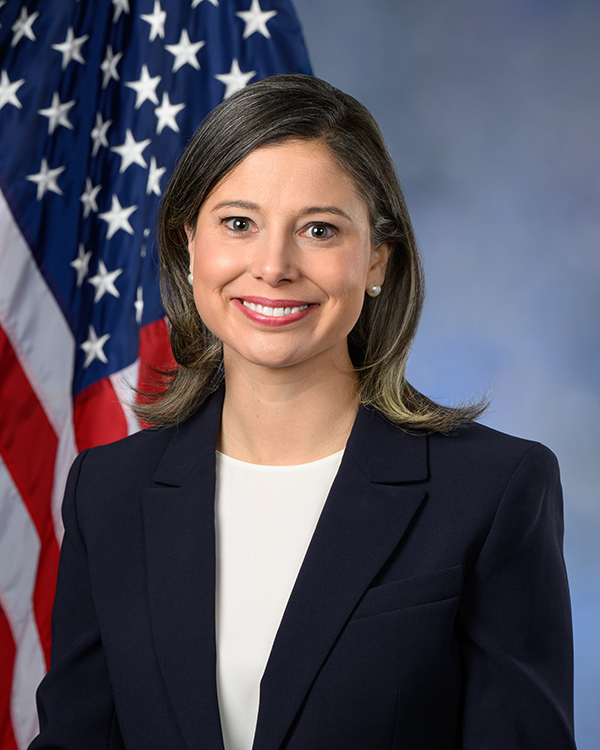
Rep. Maggie Goodlander
Sponsored bills
Maddy summaryThe Safeguarding Taxpayer Investment for Executive Airlift Act of 2026 prohibits the Department of Defense from using fiscal year 2027 funds to sell, donate, or transfer ownership of any aircraft from the VC-25B Bridge program. This restriction prevents these specific planes from being moved to individuals or entities outside the Department of the Air Force. The bill directly affects federal budgeting processes by limiting how appropriated defense money can be spent on executive airlift assets during that fiscal year.
Stop Secret Spending Act of 2025 This bill expands a requirement for federal agencies to report expenditures on the USAspending.gov website to include other transaction agreement expenditures. (Other transaction agreements, or OTAs, are contractual instruments other than standard procurement contracts, grants, or cooperative agreements; they are exempt from many federal procurement laws and regulations). Under current law, federal agencies must report expenditures on federal awards to USAspending.gov with the term federal award defined as federal grants, loans, cooperative agreements, contracts, and certain other types of expenditures. This bill expands the definition of federal award to include expenditures under OTAs, and therefore such expenditures must be included on the USAspending.gov website. The Department of the Treasury must ensure that data relating to OTAs are automatically transmitted to the website and a centralized view of this data is available on the website. Treasury must also annually post on the USAspending.gov website a report that includes (1) the total amount of federal spending on federal awards for which data has not been posted on the website, and (2) the reason why such spending data was not posted. For 10 years after enactment, the Office of Inspector General of specified federal agencies must periodically submit to Congress and make publicly available a report assessing the agency's spending data and use of data standards.
Maddy summaryThis House resolution expresses support for designating the week of September 19 through September 26, 2026, as National Estuaries Week to raise public awareness about the importance of these coastal ecosystems. The bill highlights that estuaries support a significant portion of the U.S. population and economy while providing critical services such as flood control, water filtration, and habitat for fish and wildlife. It acknowledges ongoing threats to estuary health, including pollution and sea level changes, and recognizes the efforts of government agencies, organizations, and individuals working to protect and restore these areas.
Maddy summaryThe Water Technology and Resilience Reauthorization Act extends the funding authorization for advanced drinking water technologies from 2027 through 2031. This change directly affects federal agencies responsible for implementing these programs by providing continued financial support for five additional years. The bill amends the Safe Drinking Water Act to ensure that resources remain available for developing and deploying new water treatment methods.
Maddy summaryThe Daycare Not Detentions Act of 2026 provides additional funding to the Department of Health and Human Services to support child care programs, including the Child Care and Development Block Grant, Head Start, and preschool development grants. These funds are intended to help states and organizations cover necessary expenses for these programs through fiscal year 2029. The bill also rescinds $70 billion in previously allocated money for U.S. Customs and Border Protection and U.S. Immigration and Customs Enforcement that has not yet been spent. Overall, the legislation redirects federal resources toward early childhood education and care rather than immigration enforcement activities.
Maddy summaryThis bill expands federal election laws to prevent foreign nationals from influencing U.S. elections by tightening restrictions on domestic companies with significant foreign ownership or control. It requires businesses that are at least 50% owned by foreign individuals, or those with specific foreign influence, to file a sworn certification proving they are not foreign-controlled before making any political donations or spending money on election activities. Additionally, the law clarifies that these rules apply to state and local ballot initiatives and mandates that corporate political action funds certify their managers and board members are U.S. citizens or permanent residents. The legislation also prohibits recipients of funds from these businesses from using the money for further political contributions unless they receive and verify the required compliance certification.
Maddy summaryThe Wildfire Reduction Market Expansion Act of 2026 updates the Clean Air Act to broaden the definition of renewable biomass eligible for carbon credits. It specifically allows materials from forest management, such as slash, storm debris, and wood residuals, to be counted as renewable fuel if they come from sustainably managed lands or public forests designated for fuel reduction. The bill also includes vegetation cleared from defensible space around buildings and from wildfire risk reduction projects in the wildland-urban interface. By clarifying these categories and establishing certification requirements, the legislation aims to increase the supply of biomass available for generating renewable energy credits.
Maddy summaryThe AADAPT Act reauthorizes and expands Project ECHO grants to improve Alzheimer’s and dementia care through technology-enabled training. It specifically funds grants for healthcare providers in rural, frontier, or medically underserved areas to enhance early diagnosis, quality care, and provider retention for dementia patients. The bill authorizes $1 million annually (2027-2032) for these dementia-focused training programs, requiring funds to supplement - not replace - existing resources. This directly supports primary care providers licensed to serve underserved communities, using collaborative online learning to address care gaps.
Maddy summaryHR 2913, the Ukraine Support Act, provides comprehensive U.S. support for Ukraine in response to Russia's invasion. The bill authorizes security assistance including lend-lease authority for military equipment, establishes a Ukraine Reconstruction Trust Fund for economic recovery, and imposes new sanctions targeting Russian financial institutions, oil companies, and government officials. It also includes provisions to counter Russian disinformation, support Radio Free Europe, and address the kidnapping of Ukrainian children. The legislation directly affects U.S. foreign policy, Ukraine's defense capabilities, and Russia's access to international financial systems. The act aims to strengthen Ukraine's sovereignty while holding Russia accountable for its actions.