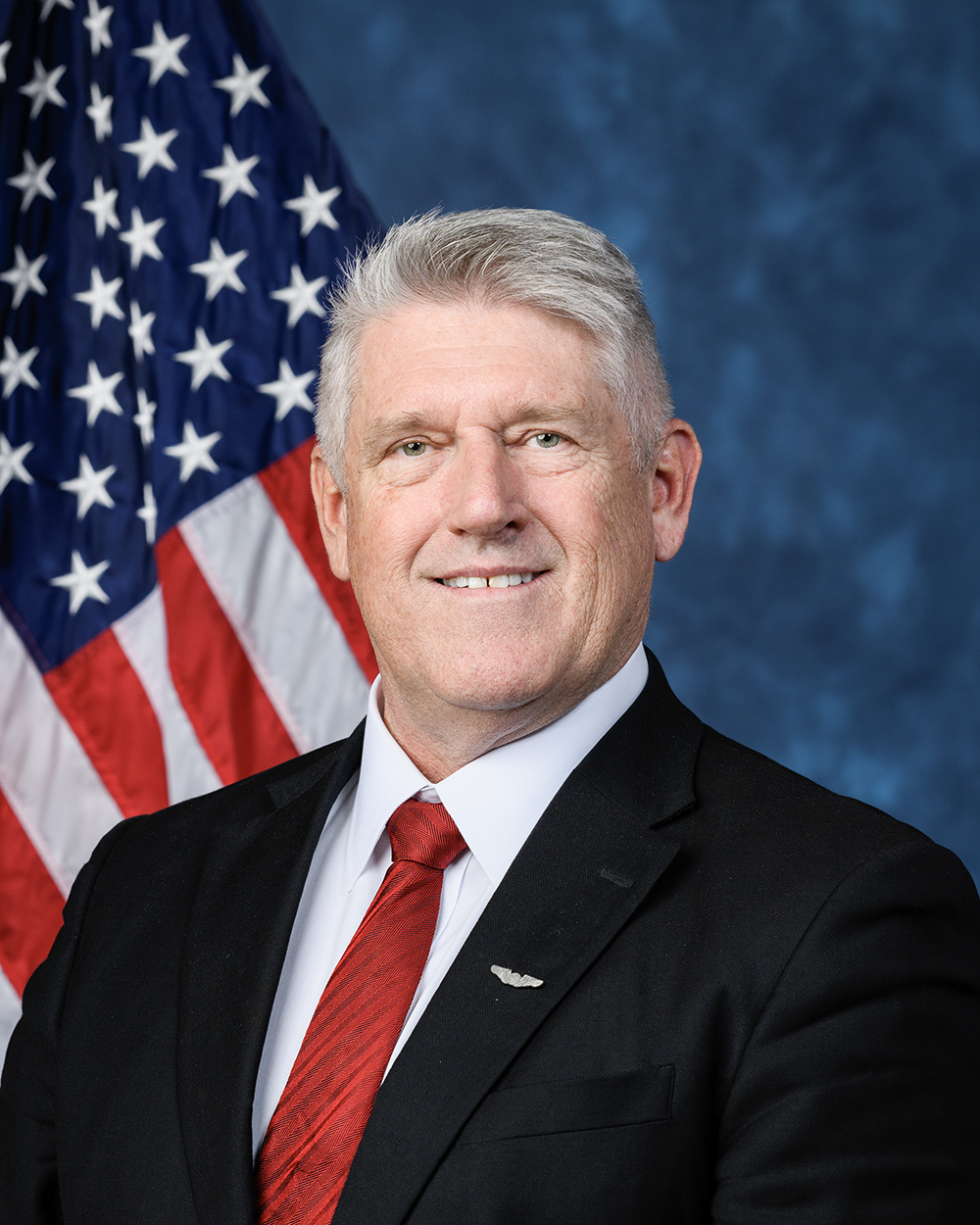
Photo of Troy Downing
R United States House · District 2 · Montana On the 2026 ballot

Rep. Troy Downing

Compare
Total votes
669
all sessions
Attendance
99%
4 missed
Higher than 82% of chamber peers
With party
95%
of cast votes
Near the chamber average
Bipartisan score
2%
crosses aisle rarely
Near the chamber average
Sponsored
203
bills & resolutions
Lower than 78% of chamber peers
Committees
7
assignments
203 bills and resolutions

Sponsored bills

Total
203
Primary
27
Co-sponsor
176
This page
203
matching current filters
Co-sponsor HR 7286
In committee · Alaska House · Co-sponsor
To amend the Internal Revenue Code of 1986 to revoke the tax-exempt status of organizations that provide, or provide funding for, abortion.

Maddy summaryThis bill would revoke the tax-exempt status of nonprofit organizations (like charities or health groups) that provide or fund abortions, except in specific cases. It directly affects organizations currently classified under Section 501(c)(3) of the tax code, such as some healthcare providers or advocacy groups. Key provisions define "abortion" as intentionally terminating a pregnancy (excluding cases where the mother’s life is at risk, or the pregnancy resulted from rape or incest), and deny tax exemption to groups meeting this definition. The change would take effect for tax years starting after the bill’s enactment date.

In committee Jan 30, 2026 1 co-sponsor
Co-sponsor HR 5784
Passed · Alaska House · Co-sponsor
AI–WISE Act

Maddy summaryThe AI-WISE Act requires the Small Business Administration (SBA) to create and maintain free, publicly available online educational resources about artificial intelligence specifically for small business owners. These resources must cover practical topics like understanding AI limitations, identifying AI-generated outputs, managing risks, protecting user privacy, and determining when AI tools are suitable for business use - without favoring any specific AI product or company. The SBA must develop these materials within 180 days of the bill’s enactment, consulting with an Advisory Working Group of AI experts and small business outreach professionals. This initiative directly affects small business owners by providing accessible, neutral guidance to help them navigate AI adoption safely and effectively.

Passed Jan 26, 2026 1 co-sponsor
Primary HR 7130
In committee · Alaska House · Lead sponsor
McCarran-Ferguson Restoration Act

Maddy summaryThe McCarran-Ferguson Restoration Act eliminates the Federal Insurance Office and creates a "United States Insurance Representative" within the Treasury Department to coordinate federal insurance policy and represent the U.S. internationally. This position would determine when state insurance regulations might be preempted by international agreements, while maintaining state authority over most insurance matters including health, long-term care, and crop insurance. The bill requires the Representative to consult with states, publish notices, and allow a 30-day period before any preemption takes effect. This legislation aims to streamline international insurance regulatory coordination while preserving state-level oversight of insurance regulation.

In committee Jan 16, 2026 0 co-sponsors
Primary HR 725
In committee · Alaska House · Lead sponsor
Crow Revenue Act

Maddy summaryHR 725, the Crow Revenue Act, transfers specific mineral and surface rights to the Crow Tribe of Montana. It requires the Hope Family Trust to convey its mineral interests (Hope Family Tracts) to the Tribe and directs the Secretary of the Interior to convey U.S. mineral and surface interests (Bull Mountains Tracts) to the Hope Family Trust upon lease relinquishment. The bill mandates the Tribe and Hope Family Trust agree on a revenue-sharing formula before transfers and ensures transferred interests are exempt from Montana state taxation. This legislation directly affects the Crow Tribe, the Hope Family Trust, and the U.S. government regarding land management and revenue from these specific Montana tracts.

In committee Jan 12, 2026 0 co-sponsors
Co-sponsor HR 1110
In committee · Alaska House · Co-sponsor
Grazing for Wildfire Risk Reduction Act

Maddy summaryHR 1110, the Grazing for Wildfire Risk Reduction Act, directs the USDA Forest Service to develop strategies using livestock grazing to reduce wildfire risks on federal lands. It specifically requires expanding grazing opportunities during droughts or disasters on vacant permits, promoting targeted grazing, issuing temporary permits for fuels reduction, and using grazing for postfire recovery. The bill affects livestock permit holders and federal land managers by modifying how existing grazing authorities are applied for wildfire risk mitigation. It focuses on concrete policy changes to utilize current grazing programs as a proactive fire prevention tool, without altering permanent grazing rules.

In committee Jan 8, 2026 1 co-sponsor
Co-sponsor HR 178
In committee · Alaska House · Co-sponsor
To require the Secretary of Agriculture to carry out activities to suppress wildfires, and for other purposes.

Maddy summaryHR 178 requires the U.S. Forest Service (under the Secretary of Agriculture) to put out wildfires on specific National Forest lands within 24 hours of detection. It directly affects National Forest System lands in areas experiencing severe drought (D2-D4 ratings), high fire risk (National Wildland Fire Preparedness Level 5), or in the top 10% of wildfire exposure risk. Key provisions mandate using all available resources for rapid suppression, prohibiting interference with state/local firefighting efforts, and strictly limiting the use of planned controlled burns or backfires (only allowed under specific safety orders or to protect personnel). The bill does not create new funding but sets operational requirements for wildfire response on defined high-risk lands.

In committee Jan 8, 2026 1 co-sponsor
Co-sponsor HR 3616
Passed · Alaska House · Co-sponsor
Reliable Power Act

Maddy summaryThe Reliable Power Act requires the Electric Reliability Organization (ERO) to conduct annual assessments of the U.S. power grid's ability to maintain reliable electricity supply, including analyzing generation resources, transmission needs, and risks of shortages during extreme weather. If the ERO identifies a risk of insufficient generation, it notifies the Federal Energy Regulatory Commission (FERC), which then alerts federal agencies like the Environmental Protection Agency (EPA) and Department of Energy (DOE) developing regulations affecting power generation. These agencies must submit proposed regulations for FERC review before finalizing them, and FERC can recommend changes to prevent reliability risks, with agencies required to respond to FERC’s comments. The bill directly affects federal agencies creating energy-related rules and aims to prevent power shortages by integrating grid reliability into the rulemaking process.

Passed Dec 18, 2025 1 co-sponsor
Co-sponsor HR 845
Passed · Alaska House · Co-sponsor
Pet and Livestock Protection Act

Maddy summaryThis bill, titled "Pet and Livestock Protection Act," is misleading; it actually focuses on gray wolf management. It requires the Secretary of the Interior to reissue a 2020 rule removing gray wolves from the endangered species list within 60 days of enactment. The bill also prohibits courts from reviewing this reissuance. This directly affects gray wolf populations and management policies in states where wolves are present, shifting regulatory control away from federal endangered species protections.

Passed Dec 18, 2025 1 co-sponsor
Co-sponsor HR 452
Signed into law · Alaska House · Co-sponsor
Miracle on Ice Congressional Gold Medal Act

Miracle on Ice Congressional Gold Medal Act This act provides for the award of Congressional Gold Medals to the members of the 1980 U.S. Olympic men's ice hockey team in recognition of the team's achievement at the 1980 Winter Olympic Games.

Signed into law Dec 12, 2025 1 co-sponsor
Primary HJRES 104
Signed into law · Alaska House · Lead sponsor
Providing for congressional disapproval under chapter 8 of title 5, United States Code, of the rule submitted by the Bureau of Land Management relating to "Miles City Field Office Record of Decision and Approved Resource Management Plan Amendment".

Maddy summaryThis resolution disapproves a Bureau of Land Management (BLM) rule that amended resource management plans for Montana's Miles City Field Office. It formally cancels the rule's legal effect, preventing the BLM from implementing the specific management plan changes. The action directly affects public land management decisions at the Miles City Field Office in Montana. This is a procedural disapproval under federal law, not a new policy.

Signed into law Dec 11, 2025 0 co-sponsors
Showing 61 to 70 of 203 bills
Previous 1 6 7 8 21 Next