Maddy summaryThe Veterans Appeals Efficiency Act of 2025 requires the Department of Veterans Affairs to track and report on key aspects of the appeals process, including average claim processing times after remand and reasons for case dismissals. It mandates the creation of guidelines for advancing cases on the Board's docket and authorizes the Board to aggregate appeals with common legal or factual issues to improve efficiency. The bill also expands the Court of Appeals' jurisdiction to handle class action claims and requires a study on common legal questions to help the Board make more consistent decisions. These changes aim to reduce delays and improve the accuracy of benefits decisions for veterans seeking appeals.
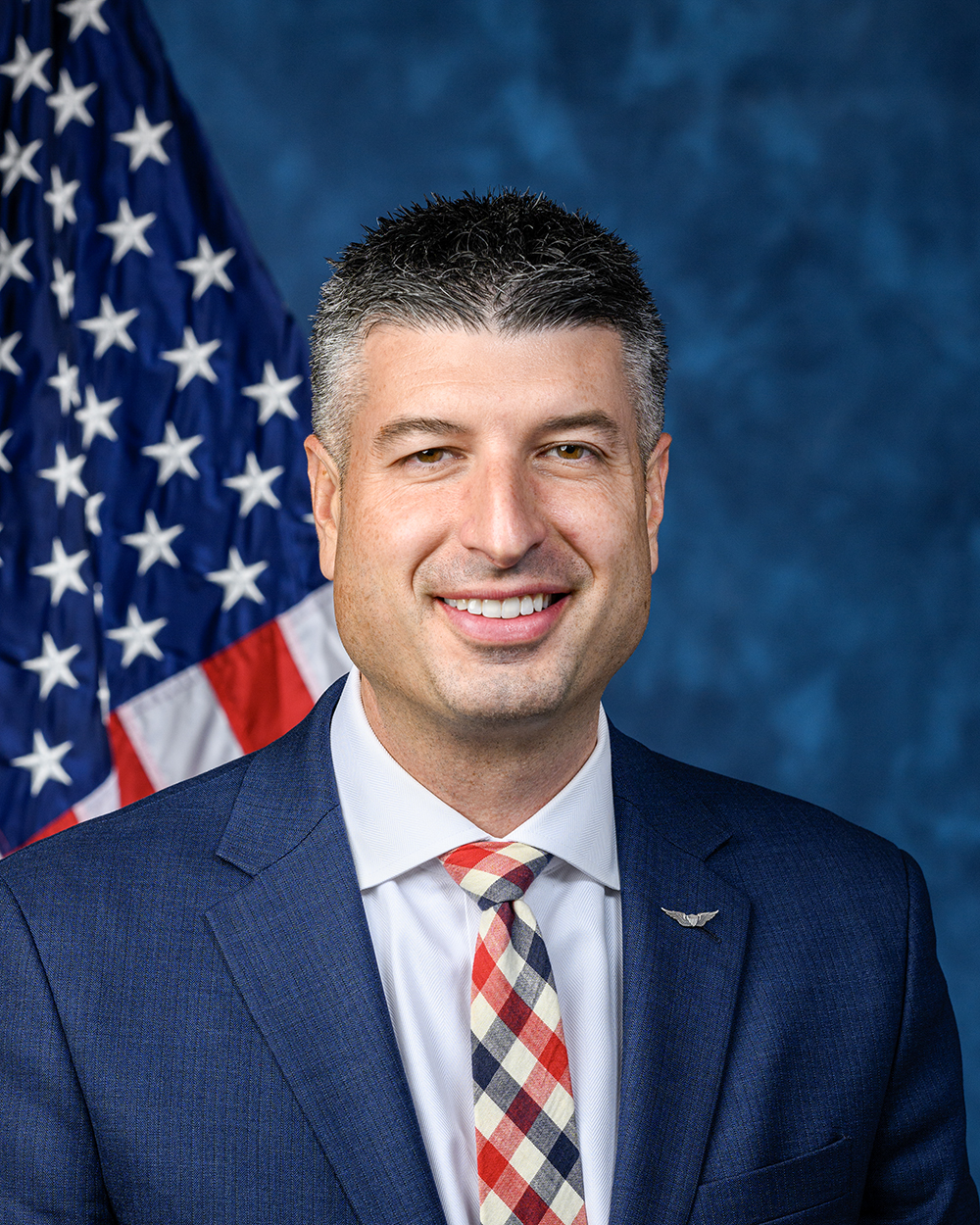
Rep. Tom Barrett
Sponsored bills
Maddy summaryThis bill modernizes the process for family caregivers of veterans seeking support services. It requires the VA to create a single digital system for all employees handling caregiver applications and appeals, replacing current fragmented systems. Crucially, it ensures that if a veteran dies during an appeal, the family caregiver automatically receives any monthly stipends they were entitled to on the veteran's death date, including unpaid amounts. These changes directly affect family caregivers of veterans who qualify for VA support services, streamlining access to benefits and ensuring continuity of payments during appeals.
Maddy summaryThis symbolic House resolution (HRES 521) expresses support for Israel’s military actions against Iran’s nuclear facilities, citing Iran’s nuclear enrichment progress (including 60% enriched uranium stockpiles nearing weapons-grade levels) and Iran’s attacks on Israeli civilians. It specifically endorses Israel’s "proportional" strikes on Iranian nuclear sites and military targets following Iran’s rejection of diplomatic efforts, while condemning Iran’s attacks that killed 24 Israelis and wounded 590. The resolution calls on Iran to halt nuclear enrichment and dismantle its program, reaffirms U.S. support for Israel’s security, and urges global condemnation of Iran’s nuclear activities. As a non-binding resolution, it does not enact policy but formally aligns the House with Israel’s actions against Iran’s nuclear program.
Maddy summaryHR 3720, the HOME Act of 2025, aims to improve housing access for veterans. It requires the VA to update lender guidance on veterans' residual income to include nonprofit financial service organizations and coordinate with them to offer voluntary financial counseling for veterans purchasing homes with VA loans. The bill also mandates creating a public database listing homes adapted for disabled veterans that sellers choose to include, helping veterans find accessible housing. Additionally, it directs the VA to conduct outreach to veterans in U.S. territories about housing benefits under the program.
Maddy summaryThe Paving the Way for American Industry Act amends a provision of the Infrastructure Investment and Jobs Act to require that yellow organic pigments used in road, highway, and airport surface markings must be manufactured entirely within the United States. Specifically, it mandates that the entire manufacturing process - from combining materials through the chemical reaction forming the pigment - must occur domestically, including the creation of new molecular structures. This requirement applies immediately to pigments in water-based paints for surface markings, with full implementation for all formulas starting two years after the bill's enactment. The Office of Management and Budget must update relevant guidance within 90 days to reflect this change.
Maddy summaryThe Patriots Over Politics Act (HR 3619) allows veterans discharged between August 2021 and January 2023 solely for refusing a COVID-19 vaccine to transfer their earned educational benefits to eligible dependents. Veterans must initiate the transfer within 90 days of the bill’s enactment. Dependents can use the transferred benefits only after the veteran completed at least six years of military service - a requirement already met by these veterans prior to separation. This provision directly affects veterans separated for vaccine refusal during the specified period, providing a pathway to pass on unused education benefits.
Maddy summaryHR 3780, the Border Operations Service Medal Act, establishes a new service medal for military personnel who served in designated border security operations between January 1, 2025, and the conclusion of those operations. It directly affects active-duty service members, National Guard, and Reserve personnel who participated in these operations. The bill requires the Secretary of Defense to design and issue the medal within 60 days of enactment, authorizing its wear according to standard military uniform regulations. This is a procedural measure to formally recognize service during specific border operations authorized by the President in January 2025.
Maddy summaryHRES 472 is a symbolic House resolution condemning an antisemitic terrorist attack in Boulder, Colorado, on June 1, 2025, which targeted Jewish individuals. The resolution explicitly condemns the attack - where the perpetrator used Molotov cocktails against victims aged 52-88, including a Holocaust survivor - and calls for prosecuting the perpetrator. It also expresses concern about rising antisemitism on campuses and online, while urging Congress to secure borders and deport visa overstayers (though this is a symbolic call, not a new law). The resolution directly affects the Boulder Jewish community and victims of the attack, with no new policy changes enacted.
Maddy summaryThis bill requires colleges and universities to include suicide prevention contact information on student identification cards or their websites. Specifically, institutions must list the 988 Suicide and Crisis Lifeline, Crisis Text Line, and their campus mental health center on student IDs (or post the info online if IDs aren't issued). The requirement applies to all higher education institutions creating student ID cards after the bill's enactment, with a one-year implementation period. It directly affects students by ensuring immediate access to critical mental health resources through a routine campus tool.
Maddy summaryHR 3608, "Connor’s Law," requires commercial motor vehicle operators (like truck and bus drivers) to read and speak English well enough to converse with the public, understand English traffic signs, respond to officials, and complete reports. The bill adds this language requirement to existing federal safety rules for commercial drivers. Drivers found noncompliant with this rule would face an "out of service" order, meaning they cannot operate their vehicle until they meet the requirement. This directly affects commercial drivers operating in the U.S. under federal safety regulations.