Maddy summaryThe Protect the Presidency Act amends federal law to allow for the death penalty as a punishment for assassinating certain high-ranking government officials. This change directly affects the sentencing guidelines for crimes involving the killing of the President, Vice President, or other protected individuals under Title 18 of the United States Code. Previously, the maximum penalty for such offenses was imprisonment, but this legislation adds the option of execution to the list of potential punishments. The bill modifies existing statutes without creating new criminal offenses.
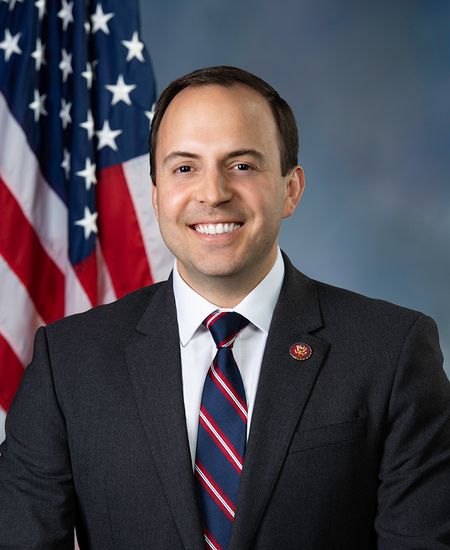
Rep. Lance Gooden
Sponsored bills
Maddy summaryHR 8603, the Dismemberment Abortion Ban Act of 2026, prohibits physicians from performing abortions that involve dismembering an unborn child and extracting it piece by piece or crushed from the uterus. The law allows exceptions only when the procedure is necessary to save the mother's life, while explicitly permitting other abortion methods for reasons such as rape or incest. It imposes criminal penalties of up to two years in prison or fines on physicians who violate the ban and creates a civil lawsuit system where women or parents of minors can seek monetary damages and attorney fees against providers. The bill also defines an 'unborn child' as a human organism from fertilization until birth and clarifies that the woman undergoing the procedure cannot be prosecuted or held financially liable.
Maddy summaryThis bill, known as TREY's Law, aims to make nondisclosure clauses in contracts void and unenforceable if they prevent the reporting of sexual abuse involving minors. It directly affects victims of such abuse, their families, and anyone with knowledge of the abuse by allowing them to disclose these incidents without fear of civil liability. The law applies retroactively to agreements made before or after its passage and overrides any state laws that allow the enforcement of these specific clauses. While it invalidates clauses that silence abuse details, it permits parties to keep confidential other settlement terms like payment amounts, provided this does not stop the disclosure of the abuse itself.
Maddy summaryThe Protecting American Railroad Workers' Jobs Act of 2026 requires freight trains crossing the southern border into the United States to stop for crew changes and safety inspections. Under this bill, only railroad workers who are U.S. nationals or lawfully authorized aliens with a primary reporting point in the U.S. may operate these trains after the stop. The legislation also prohibits crew members from performing any duties while physically outside the United States. These provisions directly affect railroad carriers operating freight trains across the Mexico border and the workers employed on those trains.
Maddy summaryThis bill strengthens consumer protections and corporate accountability in bankruptcy proceedings by making it easier for courts to dismiss or convert Chapter 11 bankruptcy cases filed in bad faith. It requires courts to dismiss cases that are objectively futile or filed in subjective bad faith, such as when debtors manufacture legal venues, seek tactical advantages, delay creditors, or cap liability to multiple creditors. The legislation also limits automatic stays that protect debtors from lawsuits, particularly in cases involving mass torts or claims affecting at least 100 individuals, and clarifies rules around setoffs and creditor recognition. These changes directly affect corporate debtors, creditors, and bankruptcy courts by tightening restrictions on abusive bankruptcy filings while preserving protections for final judgments entered before the law takes effect.
Maddy summaryThe ALERT Act (HR 7613) requires the Federal Aviation Administration to improve aviation safety through several key measures. It mandates the evaluation and potential implementation of enhanced collision avoidance systems (ACAS-Xa) for commercial aircraft and ACAS-Xr for rotorcraft, with specific deadlines for rulemaking and installation. The bill establishes committees to develop recommendations for safety technology requirements, requires safety risk assessments for air traffic controllers, and addresses operational procedures at high-traffic airports like Ronald Reagan Washington National. These provisions affect air carriers, air traffic controllers, rotorcraft operators, and Department of Defense aircraft operations. The act aims to enhance situational awareness and reduce midair collision risks through technology upgrades and improved safety protocols.
Maddy summaryThis bill, titled the Fair Treatment of Religious Organizations Act of 2026, establishes rules for how religious organizations are treated under federal tax law and financial assistance programs. It directs the IRS to determine whether an organization's purpose is religious without considering its specific beliefs about marriage, sexuality, or gender identity, even if those beliefs conflict with current laws. The legislation also prohibits federal agencies from discriminating against religious employers that receive federal funding if those employers hire staff based on their religious standards. These protections apply to religious corporations, associations, educational institutions, and societies, ensuring they can maintain employment practices aligned with their faith when receiving government support.
Maddy summaryThis bill amends the Americans with Disabilities Act to require a 30-day notice period before lawsuits can be filed over inaccessible public accommodations. It mandates that individuals denied access due to architectural barriers must first provide businesses with specific written notice identifying the exact barrier. Businesses then have 30 days to either provide a written plan for removal or make substantial progress on fixing the barrier. This directly affects disabled individuals seeking access and businesses operating public spaces like restaurants or stores. The change delays legal action until after this notice-and-cure period, aiming to encourage voluntary compliance before litigation.
Maddy summaryThis resolution formally recognizes the 100th anniversary of the Sporting Arms and Ammunition Manufacturers' Institute (SAAMI), a trade organization founded in 1926. The bill commends SAAMI for developing industry standards that ensure firearms and ammunition are safe, reliable, and interchangeable. It acknowledges the organization's work in coordinating with government bodies, international standards groups, and industry stakeholders to maintain consistent safety practices. This measure is a ceremonial resolution that does not change any laws or regulations but serves to honor SAAMI's century of leadership in the firearms industry.
Maddy summaryThis bill proposes adding a new article to the U.S. Constitution to explicitly state that only citizens can vote in federal elections. The amendment would apply to all federal elections, including those for President, Vice President, Senators, and Representatives. It gives state legislatures the authority to create enforcement rules while reserving the power for Congress to make or alter regulations and enforce the rule in Washington, D.C. The measure would require ratification by conventions in three-fourths of the states before becoming part of the Constitution.