

Maddy summaryThis resolution introduces articles of impeachment against U.S. District Court Judge Eleanor Louise Ross, targeting her for three specific allegations of misconduct. The first article charges her with engaging in an undisclosed extramarital affair with a law enforcement officer while on the job, which created a conflict of interest and violated judicial conduct codes. The second article accuses her of attending a partisan political event sponsored by a district attorney's campaign and admitting to drinking alcohol before presiding over a criminal case. The third article alleges that she knowingly made false statements to federal judges during an investigation into her behavior, thereby obstructing an official proceeding and violating federal law.
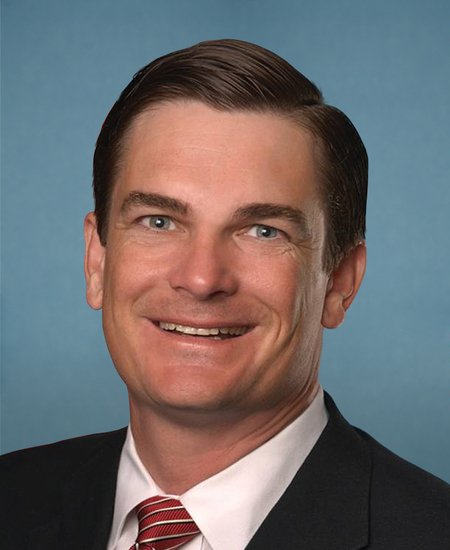
Rep. Austin Scott
Sponsored bills
Maddy summaryH.Res. 1320 is a non-binding resolution that calls on all Americans to honor military personnel who died while serving in the pursuit of freedom and peace on Memorial Day 2026. The bill does not create new laws or change any policies; instead, it serves as a formal expression of gratitude and remembrance from the House of Representatives. Because it is a commemorative resolution rather than a procedural or funding measure, it has no direct legal effect on individuals or government operations.
Maddy summaryThis bill would add pharmacist services to Medicare Part B coverage for beneficiaries, specifically covering pharmacist-led testing and treatment for illnesses like flu, COVID-19, or strep throat during public health emergencies. It defines covered services as those performed under state law, often requiring collaboration with a physician, and sets payment at 80% of the lesser of the actual charge or 85% of physician payment rates. Pharmacists would be prohibited from balance billing for these services, ensuring Medicare beneficiaries pay only their standard copayment. The changes would take effect January 1, 2026.
Maddy summaryThe Recycling Infrastructure and Accessibility Act of 2025 establishes a competitive federal grant program to fund projects improving recycling access in underserved communities. It authorizes $30 million annually (2025-2029) for grants to states, local governments, tribes, or public-private partnerships to build infrastructure like transfer stations, expand curbside collection, or reduce transport costs. Grants must be $500,000-$15 million, with 70% reserved for projects in communities lacking a materials recovery facility within 75 miles. The program requires grantees to report on implementation and outcomes, excluding funding for recycling education.
Maddy summaryThe CARE for RPA Crews Act directs military department secretaries to create a new status identifier for remotely piloted aircraft crews conducting combat operations. This status would hold equivalent merit to the existing combat status identifier currently used by traditional military personnel. The law requires this new system to be established within 180 days of the bill's enactment. By granting this recognition, the legislation aims to formally acknowledge the combat roles played by drone operators.
Maddy summaryThis resolution formally recognizes the critical role of the United States Special Operations Forces community in national defense and expresses support for the designation of SOF Week. The bill highlights the specialized training, dangerous missions, and unique contributions of these military units and their families to the nation's security. By passing this measure, the House of Representatives aims to honor the bravery and dedication of SOF personnel while acknowledging the importance of their annual conference.
Maddy summaryThis bill expands eligibility for federal workers' compensation to include specific Bureau of Alcohol, Tobacco, Firearms and Explosives employees who suffer illnesses linked to their fire protection duties. It achieves this by legally classifying Certified Fire Investigators and members of the National Response Team within the ATF as employees engaged in fire protection activities. Consequently, these designated personnel can now file claims for compensation if they develop diseases deemed to be directly caused by their work in fire protection. The changes apply only to compensation claims submitted on or after the date the law is enacted.
This resolution expresses support for police officers and other law enforcement personnel. The resolution further recognizes law enforcement officers across the United States in the pursuit of preserving safe and secure communities; the need to ensure that such officers have the equipment, training, and resources necessary to protect their health and safety while they are protecting the public; and the law enforcement community for acts of sacrifice and heroism. The resolution expresses condolences and appreciation to the loved ones of each law enforcement officer who has made the ultimate sacrifice in the line of duty.
Maddy summaryThis bill would amend federal law to strengthen penalties for organized retail crime by expanding definitions of theft to include digital goods, gift cards, and setting a $5,000 aggregate value threshold for charges over a 12-month period. It would establish a new "Organized Retail and Supply Chain Crime Coordination Center" under Homeland Security to coordinate Federal, State, local, and Tribal law enforcement efforts against cross-jurisdictional theft groups. The Center would share information with retailers, transportation companies, and law enforcement agencies, track crime trends, and produce annual reports on organized retail crime. This legislation directly affects retailers, supply chain businesses, and law enforcement agencies, while targeting organized crime groups responsible for a 93% increase in larceny incidents and rising safety concerns for retail employees. The bill aims to address significant financial losses and supply chain disruptions noted in the National Retail Federation's 2023 data.
Maddy summaryThe PARTNERS Act of 2026 allows individual states to directly enforce rules governing Medicare Advantage plans sold within their borders. Under this legislation, state officials would have the authority to require insurance companies to comply with federal standards for these plans, rather than relying solely on federal agencies. The bill also mandates that the federal government coordinate its enforcement efforts with states and permits the creation of collaborative agreements to streamline oversight. This change directly affects state regulators, Medicare Advantage insurers, and the federal Centers for Medicare & Medicaid Services by shifting some enforcement responsibilities to the states.