Issue · Healthcare

Healthcare

Every healthcare bill, vote, and legislator stance in Alabama, automatically classified by Maddy, our AI policy reader.

Total bills
68
119th Congress
Top supporter
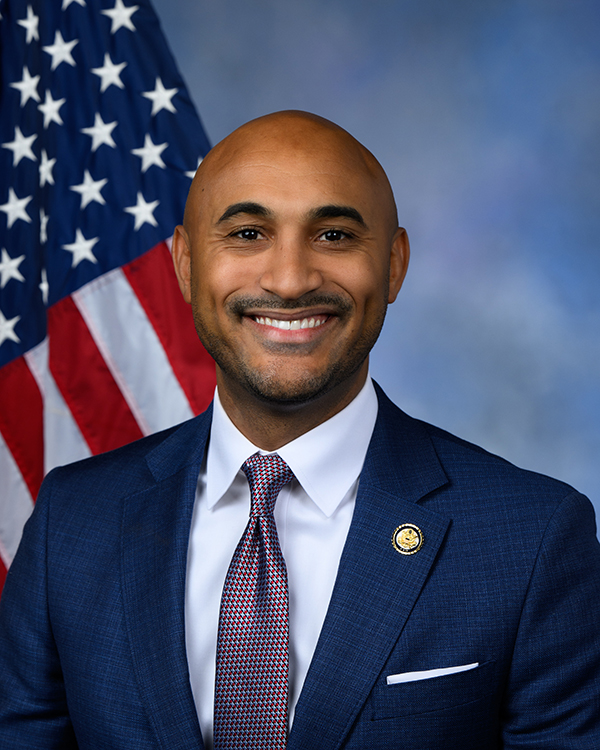
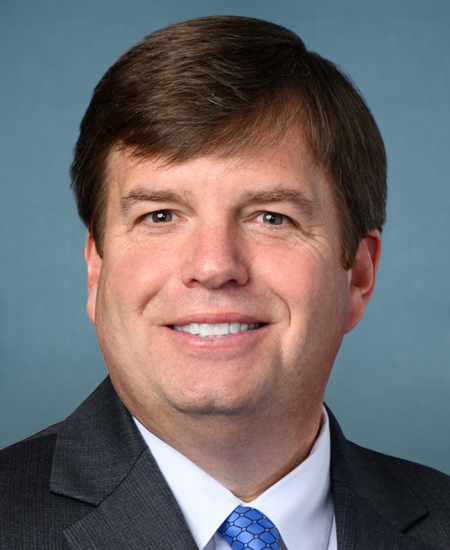
Shomari Figures
56% support rate
Top opponent
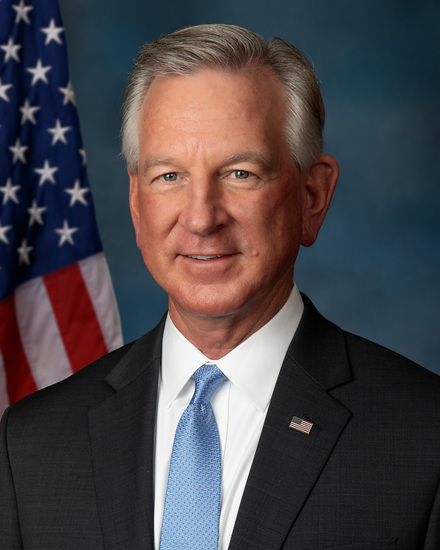
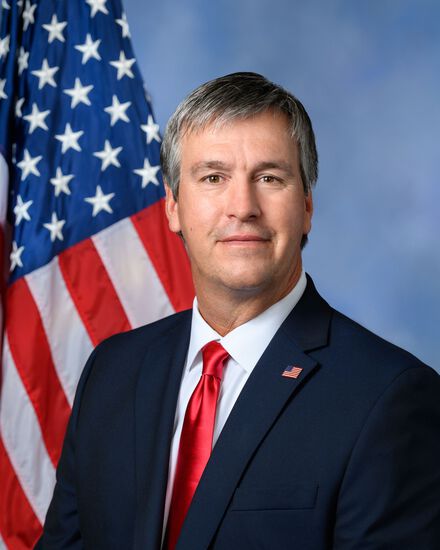
Tommy Tuberville
33% support rate
Ranked legislators
7
2 support · 5 oppose
Key legislators

Who's moving healthcare in Alabama

Legislators moving healthcare in Alabama
Legislator Party Stance Support rate Decisive votes
Shomari Figures
Shomari Figures House · District 2
D
Mixed
56% 18
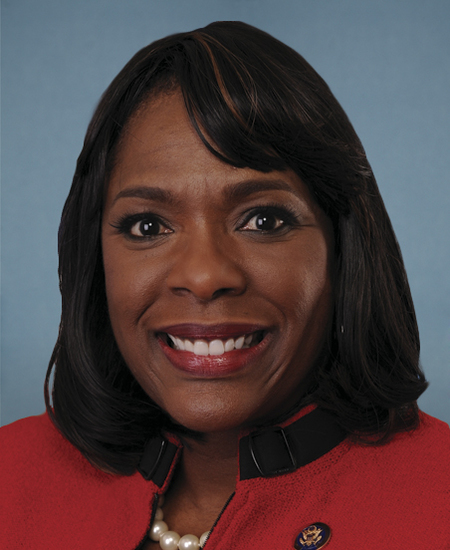
Terri A. Sewell
Terri A. Sewell House · District 7
D
Mixed
56% 18
Tommy Tuberville
Tommy Tuberville Senate
R
Oppose
33% 21
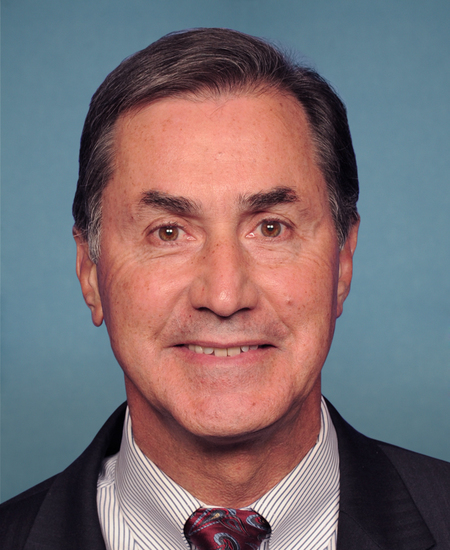
Gary J. Palmer
Gary J. Palmer House · District 6
R
Oppose
35% 17
Barry Moore
Barry Moore House · District 1
R
Oppose
38% 16
Dale W. Strong
Dale W. Strong House · District 5
R
Oppose
39% 18
Robert B. Aderholt
Robert B. Aderholt House · District 4
R
Oppose
39% 18
Showing 1–10 of 68 bills

All healthcare bills

in committee · United States · House Sep 24, 2026

HRES 1584: Recognizing the 50th anniversary of the Hyde Amendment and its enduring legacy of saving the lives of more than 2,600,000 unborn children and respecting the conscience rights of the American people.

This House resolution marks the 50th anniversary of the Hyde Amendment and honors its original sponsor, Congressman Henry Hyde. It asserts that the amendment has prevented over 2.6 million abortions by restricting federal funding for elective procedures. The text emphasizes that this policy protects taxpayer conscience rights by ensuring public money is not used to finance abortions. Additionally, it encourages Americans to reflect on the history of the amendment and the total number of abortions performed since the Roe v. Wade decision.
in committee · United States · House Sep 3, 2026

HR 10268: Ending Restaurant Purchases with SNAP Act of 2026

The Ending Restaurant Purchases with SNAP Act of 2026 would prohibit the use of Supplemental Nutrition Assistance Program (SNAP) benefits to buy meals at restaurants and other private food service establishments. The bill achieves this by removing specific legal provisions from the Food and Nutrition Act of 2008 that currently allow states to run optional restaurant programs for eligible groups such as the elderly, disabled, and homeless individuals. If enacted, these changes would take effect 180 days after the date of enactment, directly affecting SNAP recipients who rely on these state-level options for dining out.
in committee · United States · Senate Jul 23, 2026

S 5128: GRACE Act

The GRACE Act prohibits federal education funding for schools and agencies that mandate vaccinations unless they offer a specific exemption process. Under this bill, institutions must allow parents or guardians to request an exemption based on a sincerely held religious belief without requiring any supporting documentation. The law defines a child as anyone under 18 and applies these rules to elementary and secondary schools as well as local and state educational agencies. By removing the need for proof of religious belief, the measure aims to simplify the process for families seeking to opt out of vaccination requirements for religious reasons.
Sub-Topics Public Health
in committee · United States · Senate Jul 30, 2026

S 5202: Protecting Our Kids from Harmful Research Act

The Protecting Our Kids from Harmful Research Act prohibits the use of federal funds to support research or publications regarding gender transition for individuals under the age of 18. This restriction specifically targets studies that aim to affirm a minor's perception or identity when it differs from their sex assigned at birth, as defined by their reproductive biology and genetics. The bill directly affects federal agencies and institutions that might otherwise receive funding to conduct such observational studies on hormonal treatments or surgical procedures for minors. By limiting financial support, the legislation seeks to prevent government resources from being used for research that challenges the biological definition of sex at birth.
in committee · United States · House Jul 13, 2026

HR 9656: Illegal Alien Patient Reporting Act

This bill requires hospitals that receive federal health care funding to ask patients about their immigration status during admission and report the results to government agencies. Under the law, hospitals must include a specific statement on intake forms assuring patients that their answers will not affect their medical care or lead to a law enforcement report unless the patient is suspected of certain crimes. Hospitals must also submit quarterly reports detailing how many patients are citizens, lawful residents, or undocumented, along with the number of individuals who refused to answer or failed to provide proof of their legal status. The legislation prohibits hospitals from sharing personal identifying information with the government while allowing them to exclude non-compliant facilities from federal programs. Additionally, the bill mandates an annual report to Congress analyzing the costs of uncompensated care for undocumented patients and its impact on hospital services.
in committee · United States · House Jun 24, 2026

HRES 1382: Celebrating the historic anniversary of the June 24, 2022, decision of the Supreme Court of the United States in Dobbs v. Jackson Women's Health Organization.

This resolution commemorates the fourth anniversary of the 2022 Supreme Court decision in Dobbs v. Jackson Women's Health Organization, which removed the federal constitutional right to abortion. The text expresses support for state authority to regulate abortion and acknowledges the work of pregnancy centers that provide care to women and families. It also recognizes the belief that unborn life possesses inherent rights and calls for the protection of that life. As a symbolic measure, the bill does not change any laws or policies but serves to formally celebrate the anniversary and state the House's position on the issue.
Sub-Topics Women's Health
in committee · United States · Senate Jun 24, 2026

SRES 787: A resolution celebrating the historic anniversary of the June 24, 2022, decision of the Supreme Court of the United States in Dobbs v. Jackson Women's Health Organization.

This Senate resolution commemorates the fourth anniversary of the 2022 Supreme Court decision in Dobbs v. Jackson Women's Health Organization, which overturned the previous federal right to abortion. The document expresses the Senate's support for state authority to regulate abortion and acknowledges the work of pregnancy centers that assist expectant mothers. It formally declares the Senate's commitment to protecting unborn life and supporting families, while noting the ongoing policy challenges related to abortion access. As a symbolic measure, the bill does not create new laws or alter existing regulations but serves to record the Senate's stance on the issue.
Sub-Topics Women's Health
in committee · United States · Senate Apr 16, 2026

S 4329: Title X Abortion Provider Prohibition Act

This bill amends the Title X family planning program to prohibit the use of federal funds for entities that perform or financially support abortions. It allows exceptions for cases involving rape, incest, or life-threatening medical conditions, while also permitting hospitals to receive funding as long as they do not give those funds to non-hospital abortion providers. To enforce these rules, the bill requires the Secretary of Health and Human Services to submit annual reports detailing which organizations receive grants and the specific number of abortions performed under the medical and criminal exceptions.
in committee · United States · House Sep 16, 2026

HR 7945: Nitrous Oxide Safety Act of 2026

The Nitrous Oxide Safety Act of 2026 would classify consumer products containing nitrous oxide as banned hazardous items under federal law, except for specific exceptions. The bill prohibits the sale of nitrous oxide products for recreational use while allowing continued sales for medical and dental treatments, food production in commercial kitchens, research and development activities, and food propellant applications. This legislation directly affects manufacturers, retailers, and consumers by restricting access to nitrous oxide in consumer products after 180 days from enactment. The law defines nitrous oxide as the gas known as laughing gas or whippits and specifies which entities and activities are exempt from the ban.
in committee · United States · Senate Mar 11, 2026

S 4066: Safeguarding Women from Chemical Abortion Act

This bill would remove the federal approval for the drug mifepristone, which is used in combination with other medications to end pregnancies, and would make it illegal to distribute the drug for that purpose. It also creates a new federal lawsuit option allowing individuals to sue drug manufacturers for physical or mental harm they claim resulted from using mifepristone. The law would take effect 14 days after passing, with the new lawsuit provision becoming active 90 days after enactment.
Sub-Topics Women's Health
Showing 1 to 10 of 68 bills
1 2 3 … 7 Next