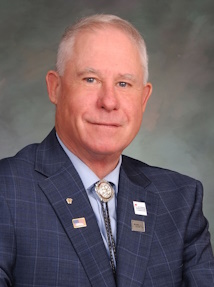
Key legislators
Who's moving technology in Wyoming
Showing 3 of 3
bills
All technology bills
HB 102 prohibits the creation and distribution of AI-generated sexual images of children without consent (Section 6-4-307) and bans developing or distributing AI systems specifically designed to create or promote child sexual material (Section 6-4-308). It makes these acts felonies punishable by up to 10 years in prison and $10,000 fines, with harsher penalties for repeat offenses. The bill also clarifies that using AI to commit crimes isn’t a defense (Section 6-1-206) and provides limited immunity for AI developers who didn’t intend illegal use. It directly affects developers of AI tools, distributors of nonconsensual deepfakes, and individuals using AI to exploit children.
SF 109 creates a permanent "Cowboy State Agricultural Trust Fund" in Wyoming, funded through state investments and eligible contributions. The fund's earnings will provide grants to support agricultural programs, including University of Wyoming research, workforce development at community colleges, K-12 agricultural education, value-added projects, and technology adoption in farming. Recipients must match each dollar from the fund with at least one dollar in non-state funds and report on grant usage annually. The bill establishes a committee to manage grant applications, oversight, and reporting requirements. This legislation directly affects Wyoming agricultural educators, students, producers, and institutions through new funding mechanisms.
Wyoming's HB 70, the GRANITE Act, creates legal protections for Wyoming residents and businesses against foreign governments or international organizations enforcing censorship laws that conflict with U.S. and Wyoming constitutional free speech protections. It establishes a cause of action allowing lawsuits against foreign entities for imposing penalties (like fines or platform shutdowns) on U.S.-based platforms for constitutionally protected speech, such as the UK's threat to 4chan or Brazil's actions against X (Twitter). The bill prohibits Wyoming from recognizing, enforcing, or cooperating with foreign judgments related to such censorship, and imposes civil penalties on foreign entities. It directly affects Wyoming-based digital platforms, blockchain companies, and residents whose speech is targeted by foreign censorship laws. The law aims to prevent foreign coercion of U.S. speech by placing the burden on foreign governments to justify their censorship under strict scrutiny.