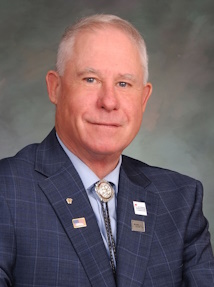
Key legislators
Who's moving affordable housing in Wyoming
Showing 2 of 2
bills
All housing bills
Wyoming's SF 64 creates the Wyoming Housing Revolving Loan Program to address affordable housing shortages. It provides loans to local governments, housing authorities, and nonprofits for new construction, rehabilitation, or land acquisition of affordable and workforce housing (80% of funds), plus zero-interest loans for planning and predevelopment (20% of funds). The program is funded by a $30 million transfer from the Strategic Investments Account (if not repealed), with repaid loans replenishing the fund. All loans require state attorney general certification and annual reporting to the legislature on fund usage and project outcomes.
This bill amends Wyoming's tax exemption rules for housing projects owned by cities or counties. It requires that such housing property be 100% publicly owned (by a municipality, county, or fully controlled entity) to qualify for tax exemption, excludes profit-making portions from the exemption (while allowing adjustments for public utility costs), and permits cities to instead make payments to maintain low-rent housing. The changes apply to all Wyoming cities, towns, and counties starting January 1, 2026.