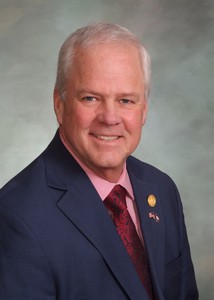
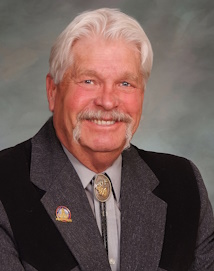
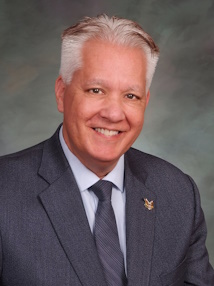
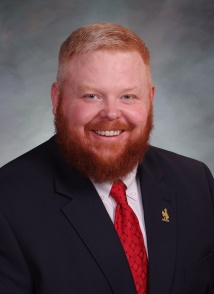
SF 88 prohibits registered sex offenders (18+ years old) from residing within 1,000 feet of child care facilities, measured from the exterior wall of their home to the facility's property line. The bill defines "child care facility" to include government-administered programs (excluding schools), licensed facilities caring for three or more unrelated children, and facilities under existing state definitions. It includes an exception for residences established before July 1, 2026, or before the facility opened, and takes effect on that date. This law directly affects registered sex offenders seeking housing near child care services, creating a new residency restriction under Wyoming law.
HB 8 amends Wyoming's stalking statute to make stalking a minor (under 18) a felony if the perpetrator is at least 18 years old. This specifically targets adult offenders who stalk minors, upgrading the offense from a misdemeanor to a felony punishable by up to 10 years in prison. The bill adds a new subsection (v) to the stalking penalty section (W.S. 6-2-506(e)), directly affecting minors as victims and adults aged 18+ as perpetrators. The law takes effect on July 1, 2026.
SF 7 amends Wyoming's theft laws to increase penalties for certain offenses. It raises the maximum penalty for theft of property under $1,000 from six months in jail and $750 fines to one year and $1,500, and lowers the felony threshold from a fifth to a third theft offense. The bill also updates penalties for using theft detection shielding devices to match the new misdemeanor penalties. These changes take effect on July 1, 2026.
This Wyoming bill (SF 8) creates a new criminal offense for "absconding for criminal purposes," targeting individuals who travel between counties within Wyoming or to another jurisdiction *after* committing a crime. It directly affects people who flee to commit additional crimes, hide stolen property, or further a felony. The law specifies that penalties for this offense will match the penalty for the most serious underlying crime (e.g., the original offense or the intended one). The bill is pending and would take effect July 1, 2026, if passed.
HB 42 amends Wyoming law to make failing to stop after a vehicle accident causing death or serious injury a felony, rather than a misdemeanor. Drivers involved in accidents resulting in death or "serious bodily injury" (as defined in state law) would face up to 5 years in prison or a $10,000 fine, compared to the current maximum of 1 year or $5,000 for injuries alone. The bill directly affects drivers involved in collisions with fatal or severe injury outcomes, increasing legal consequences for hit-and-run behavior. It takes effect on July 1, 2026.
HB 47 requires any person who reasonably believes another person faces immediate risk of serious injury or death to attempt to contact emergency services (like 911) if doing so doesn't endanger themselves or the other person. It directly affects all Wyoming residents who witness such emergencies. The law creates a misdemeanor offense for failing to assist under these conditions, with penalties of up to 6 months in jail and $750 for causing serious injury, or up to 1 year and $2,000 if death occurs. Exemptions include those who provide assistance under other laws or would self-incriminate by reporting. The law takes effect July 1, 2026.
HB 14 requires Wyoming counties to reimburse individuals for legal costs (including attorney fees and bail) when they successfully defend against criminal charges by reasonably using self-defense, resulting in a not-guilty verdict, dismissed charges, or release from prosecution. It also mandates automatic expungement (permanent removal) of criminal records for these individuals without requiring a court hearing, including no filing fees for either reimbursement petitions or expungement requests. The bill directly affects people prosecuted for crimes but acquitted or having charges dismissed due to lawful self-defense. Key provisions include county-funded reimbursement for defense costs and streamlined court orders to erase all related arrest and prosecution records. The law applies to cases where self-defense was used to prevent injury or property damage, as defined in the bill.
HB 93 requires Wyoming courts to make most court records and audio/video recordings of proceedings available online for free, including documents like pleadings, evidence, and case details. Exceptions include juvenile cases, adoptions, sealed records, sexual assault cases, and sensitive materials like child pornography or bulky exhibits. Courts must also stream hearings live and maintain an online archive of recordings within seven days. The bill establishes a new fund to cover technology costs for implementing these changes.