Issue · Technology

Technology (Artificial Intelligence)

Every technology bill, vote, and legislator stance in Wisconsin, automatically classified by Maddy, our AI policy reader.

Total bills
16
2025-2026 Regular Session
Top supporter
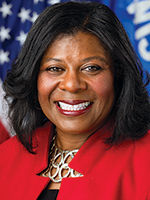
LaTonya Johnson
67% support rate
Top opponent
-
no data yet
Ranked legislators
2
2 support · 0 oppose
Key legislators

Who's moving artificial intelligence in Wisconsin

Legislators moving artificial intelligence in Wisconsin
Legislator Party Stance Support rate Votes
LaTonya Johnson
LaTonya Johnson Senate · District 6
D
Support
67% 3
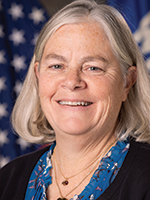
Tara Johnson
Tara Johnson House · District 96
D
Support
67% 3
Showing 11–16 of 16 bills

All technology bills

failed · Wisconsin · Senate Mar 23, 2026

SB 400: Relating to: use restrictions on state and local government electronic devices.

SB 400 restricts state and local government employees from using official electronic devices to access social media, apps, or AI tools owned by entities based in designated "foreign countries of concern" (as defined by federal regulations). It directly affects state agencies and local governmental units (like cities, school districts, and special districts) by prohibiting non-law enforcement personnel from downloading or using these foreign-owned technologies on government-owned devices. The bill allows for limited exceptions through written waivers granted by the secretary of administration for specific work purposes. This is a policy change focused on limiting government use of foreign-owned digital tools, not a procedural or commemorative measure.
vetoed · Wisconsin · Assembly May 13, 2026

AB 415: Relating to: use restrictions on state and local government electronic devices.

AB 415 restricts state and local government employees from using electronic devices owned by their agencies to access social media, apps, or AI tools owned by entities located in "foreign countries of concern" (as defined by federal regulations). The bill directly affects government employees and contractors who use official devices for non-law enforcement work, banning access to specific foreign-owned technology. Exceptions allow written waivers from the secretary of administration for limited job-related purposes. This policy change aims to limit government use of technology linked to designated foreign adversaries, with no impact on law enforcement activities. The bill does not create new funding or require agency budget changes.
failed · Wisconsin · Assembly Mar 23, 2026

AB 575: Relating to: prohibiting state agencies and local governmental units from using facial recognition technology or data generated from it.

AB 575 prohibits all state agencies and local governmental units (like cities, counties, or school districts) from using facial recognition technology or its data, except to identify their own employees for employment-related purposes. The bill defines facial recognition technology as an automated system that compares camera footage of faces against databases to find matches. It directly affects government entities that currently use or plan to use this technology for public services, law enforcement, or other operations. The law creates a clear ban on its use for public identification, with only the narrow exception for internal employee verification.
passed · Wisconsin · Assembly Mar 23, 2026

AB 377: Relating to: establishing English as the official state language, use of artificial intelligence or other machine-assisted translation tools in lieu of appointing English language interpreters, and use of English for governmental oral and written communication and for nongovernmental purposes. (FE)

AB 377 establishes English as the official language of the state and requires all state agencies and local governmental units (like cities, counties, and school districts) to conduct official communications in English. It allows these entities to use artificial intelligence or machine translation tools instead of hiring human interpreters for individuals with language barriers, while still requiring interpreters in specific cases like health/safety emergencies or legal proceedings. The bill permits limited exceptions for non-English communication (e.g., for teaching languages, protecting criminal defendants' rights, or complying with federal law), but prohibits restricting private language use for non-governmental purposes. This law directly affects government operations and individuals seeking services who need language assistance.
failed · Wisconsin · Assembly Mar 23, 2026

AB 33: Relating to: representations depicting nudity and providing a penalty.

AB 33 creates new laws prohibiting the non-consensual creation and distribution of technology-generated intimate images (like deepfakes) using someone's recognizable likeness. It specifically bans posting, sharing, or exhibiting such "synthetic intimate representations" with intent to coerce, harass, or intimidate the person depicted. The bill also prohibits reproducing private intimate images without the depicted person's consent. These provisions directly protect individuals whose likenesses could be used in non-consensual intimate content, targeting harmful uses of AI and digital tools. The law defines "synthetic intimate representation" as technology-generated content using identifiable features to depict intimate scenes, regardless of artificial elements.
failed · Wisconsin · Senate Mar 23, 2026

SB 295: Relating to: the use of artificial intelligence or other machine assisted translation in court proceedings and of telephone or live audiovisual interpretation in criminal trials. (FE)

This bill permits courts to use artificial intelligence translation tools instead of or alongside human interpreters in both civil and criminal court proceedings. It applies to all court settings requiring language assistance, including municipal courts and criminal trials. The key change is that courts no longer need to obtain waivers from parties to use AI translation, which differs from current rules for human interpreters. It directly affects non-English speakers accessing court services and court staff managing interpretation needs.
Showing 11 to 16 of 16 bills