Issue · Technology

Technology (Artificial Intelligence)

Every technology bill, vote, and legislator stance in Wisconsin, automatically classified by Maddy, our AI policy reader.

Total bills
16
2025-2026 Regular Session
Top supporter
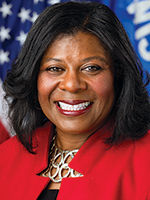
LaTonya Johnson
67% support rate
Top opponent
-
no data yet
Ranked legislators
2
2 support · 0 oppose
Key legislators

Who's moving artificial intelligence in Wisconsin

Legislators moving artificial intelligence in Wisconsin
Legislator Party Stance Support rate Votes
LaTonya Johnson
LaTonya Johnson Senate · District 6
D
Support
67% 3
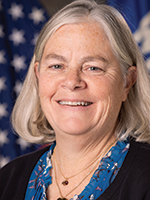
Tara Johnson
Tara Johnson House · District 96
D
Support
67% 3
Showing 1–10 of 16 bills

All technology bills

failed · Wisconsin · Assembly Mar 23, 2026

AB 1186: Relating to: prohibiting retail dynamic price gouging of consumer goods and providing a penalty.

This bill prohibits retail sellers from using artificial intelligence or automated systems to set personalized prices for consumer goods based on individual customer data. It defines consumer goods as packaged items for personal use and dynamic price gouging as customized pricing generated through computational models that process consumer information. Retailers who violate this rule could face warnings, civil forfeiture of up to $10,000, or legal injunctions from state authorities. The law applies to both online and in-person sales of everyday products like groceries and household items.
failed · Wisconsin · Senate Jun 1, 2026

SB 1171: Relating to: prohibiting retail dynamic price gouging of consumer goods and providing a penalty.

This bill prohibits retail sellers from using artificial intelligence or other computational systems to set personalized prices for individual consumers when selling packaged consumer goods. It defines "dynamic price gouging" as using consumer data, such as information from data brokers or surveillance technology, to create customized prices for specific buyers. Retailers who violate this rule could face warnings, civil penalties of up to $10,000, or legal injunctions preventing them from continuing the practice. The law applies to goods intended for personal or household use and takes effect four months after publication.
failed · Wisconsin · Assembly Mar 23, 2026

AB 1128: Relating to: insurer claims denial practices and auditing, creating the Office of the Public Intervenor, granting rule-making authority, and making an appropriation. (FE)

This bill creates a new Office of the Public Intervenor within the state insurance commissioner's office to help individuals with insurance claims, policies, and appeals for medical procedures and medications. It establishes rules requiring insurers to process disability insurance claims within reasonable timeframes, provide detailed explanations for claim denials, and disclose when artificial intelligence is used in claim decisions. The office can levy assessments on insurers based on their premium volume to fund its operations and conduct audits of claims denial practices. Additionally, the bill prohibits specific insurer practices such as using vague policy terms, stalling claim reviews, or allowing non-physician personnel to determine medical necessity.
failed · Wisconsin · Assembly Mar 30, 2026

AB 1109: Relating to: use of artificial intelligence to deny prior authorization for medical necessity or experimental status.

This bill prohibits disability insurance policies and self-insured health plans from using artificial intelligence to deny prior authorization requests for medical necessity or experimental treatments. Instead, it requires that a licensed human healthcare provider must review these specific requests before any denial can occur. The law applies to limited service health organizations, preferred provider plans, and defined network plans, with exceptions for plans covered by collective bargaining agreements. If passed, the restrictions would take effect at the start of the fourth month following the bill's publication.
failed · Wisconsin · Senate Mar 30, 2026

SB 1066: Relating to: use of artificial intelligence to deny prior authorization for medical necessity or experimental status.

SB 1066 prohibits health insurance companies (including disability insurance and self-insured plans) from using artificial intelligence to deny prior authorization for medical treatments or experimental procedures. Instead, the bill requires a licensed healthcare provider to review these requests before a denial can be issued. It directly affects insurers that currently use AI for these decisions and healthcare providers who seek approval for patient care. The law takes effect in the fourth month after publication, with specific transition rules for plans under collective bargaining agreements.
failed · Wisconsin · Senate Mar 23, 2026

SB 939: Relating to: artificial intelligence systems that simulate humanlike relationships with children and providing a penalty.

SB 939 prohibits operators of "companion chatbots" (AI systems designed to simulate ongoing, personalized relationships with users) from making these tools available to children under 18 without specific safety measures. It requires such chatbots to avoid encouraging self-harm, replacing professional mental health care, promoting illegal activity, sharing explicit content, prioritizing validation over safety, or optimizing engagement beyond safety features. Operators face civil penalties of up to $25,000 per violation per day, and affected children or their guardians may sue for damages. The law exempts customer service bots, internal business tools, and research systems, and includes a 2027 implementation deadline.
failed · Wisconsin · Assembly Mar 23, 2026

AB 965: Relating to: artificial intelligence systems that simulate humanlike relationships with children and providing a penalty.

AB 965 prohibits operators of AI chatbots designed to simulate ongoing, humanlike relationships with children (under 18 in the state) from making them available without specific safety measures. The bill requires these "companion chatbots" to avoid encouraging self-harm, illegal activity, sexual content, or prioritizing a child’s feelings over safety, while excluding standard customer service tools. Violations could result in civil penalties up to $25,000 per day or private lawsuits by affected children or parents for damages. The law takes effect after January 1, 2027, with a transition period for operators unaware a user is a child.
failed · Wisconsin · Assembly Mar 23, 2026

AB 855: Relating to: synthetic digital representations and providing a penalty.

AB 855 prohibits creating and sharing synthetic digital representations (like AI-generated images, videos, or audio) that use someone's recognizable personal characteristic (face, voice, etc.) without their consent, appear authentic to a reasonable person, and are intended to coerce, harass, intimidate, or defraud for monetary gain. It classifies unauthorized use for coercion/harassment as a Class A misdemeanor and for financial gain as a Class I felony. Key exceptions include tech providers (protected under Section 230), newsworthy content, and clear disclaimers like "This content generated by AI" in the media itself. The law directly affects individuals whose likenesses are misused without consent and aims to prevent non-consensual deepfakes used for harm.
failed · Wisconsin · Senate Mar 23, 2026

SB 815: Relating to: synthetic digital representations and providing a penalty.

SB 815 prohibits creating and sharing AI-generated content that mimics a real person's face, voice, or other identifying features without their consent, if intended to harass, intimidate, or defraud for financial gain. It establishes a Class A misdemeanor for misuse to coerce or harass, and a Class I felony for profit-driven misuse. The law includes key exceptions: tech companies, news content, and creators who clearly label AI-generated material (e.g., "This content generated by AI" in videos, images, or audio). It directly affects individuals whose likenesses are exploited without consent and sets clear penalties for malicious use of synthetic media.
failed · Wisconsin · Assembly Mar 23, 2026

AB 292: Relating to: the use of artificial intelligence or other machine assisted translation in court proceedings and of telephone or live audiovisual interpretation in criminal trials. (FE)

AB 292 allows courts to use artificial intelligence or machine-assisted translation services instead of or alongside human interpreters in both civil and criminal court proceedings. It also updates rules to permit telephone or live audiovisual interpretation in criminal trials (beyond just non-trial stages) and clarifies that using AI translation does not require a waiver that would normally be needed for alternative interpretation methods. This bill directly affects court proceedings involving language barriers, expanding options for language assistance without mandating AI use. The law amends specific statutes to implement these changes, focusing on procedural flexibility for courts.
Showing 1 to 10 of 16 bills
1 2 Next