Issue · Technology

Technology

Every technology bill, vote, and legislator stance in Wisconsin, automatically classified by Maddy, our AI policy reader.

Total bills
25
119th Congress
Top supporter
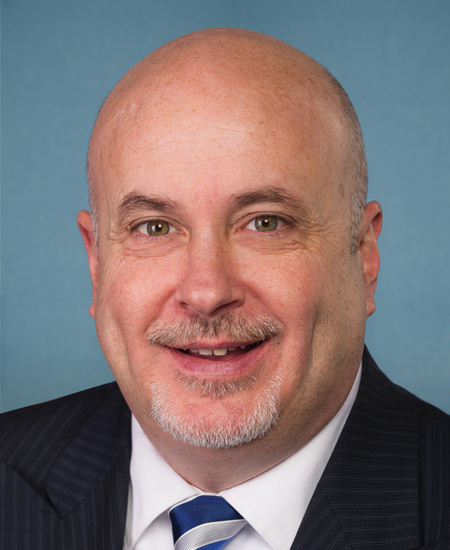
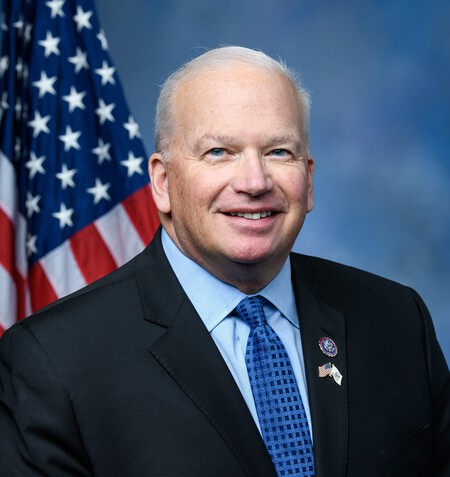
Mark Pocan
73% support rate
Top opponent
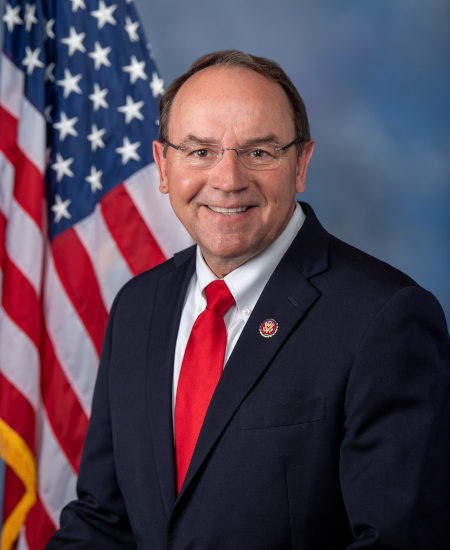
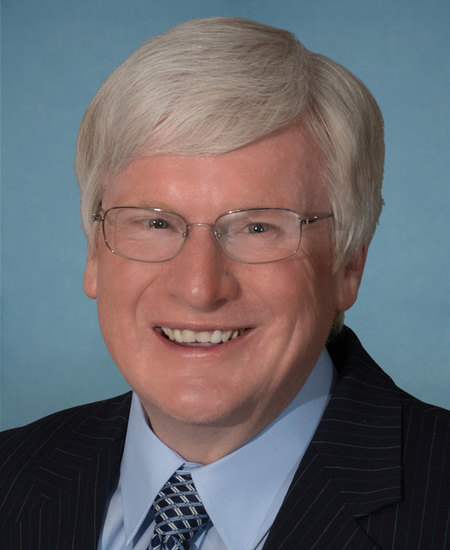
Thomas P. Tiffany
30% support rate
Ranked legislators
8
3 support · 5 oppose
Key legislators

Who's moving technology in Wisconsin

Legislators moving technology in Wisconsin
Legislator Party Stance Support rate Votes
Mark Pocan
Mark Pocan House · District 2
D
Support
73% 261
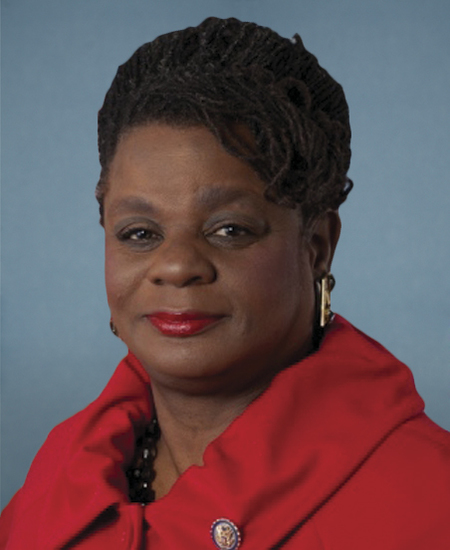
Gwen Moore
Gwen Moore House · District 4
D
Support
73% 259
Tammy Baldwin
Tammy Baldwin Senate
D
Support
67% 231
Thomas P. Tiffany
Thomas P. Tiffany House · District 7
R
Oppose
30% 257
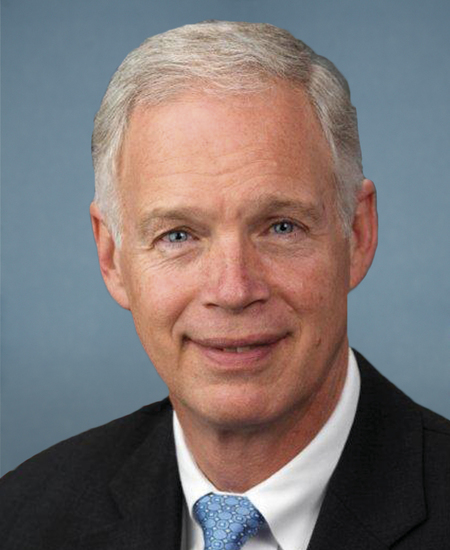
Ron Johnson
Ron Johnson Senate
R
Oppose
31% 230
Bryan Steil
Bryan Steil House · District 1
R
Oppose
32% 262
Glenn Grothman
Glenn Grothman House · District 6
R
Oppose
32% 256
Scott Fitzgerald
Scott Fitzgerald House · District 5
R
Oppose
32% 263
Showing 1–10 of 25 bills

All technology bills

in committee · United States · House Aug 27, 2026

HR 10166: Foreign Propaganda Disclosure Act

The Foreign Propaganda Disclosure Act amends the Foreign Agents Registration Act to explicitly include social media influencers in its regulatory scope. The bill defines a social media influencer as any individual who maintains a monetized account on a social media platform, using an existing definition from the Trafficking Victims Prevention and Protection Reauthorization Act of 2022. By making this addition, the legislation requires these specific digital content creators to comply with the same registration and disclosure obligations currently applied to other foreign agents.
Sub-Topics Social Media
in committee · United States · House Aug 3, 2026

HR 10017: Permanent CBDC Ban Act

This bill, titled the Permanent CBDC Ban Act, aims to permanently prohibit the Federal Reserve from issuing a central bank digital currency. It achieves this by amending the Federal Reserve Act to remove the specific legal authority that allows the Reserve to create such a digital currency. The legislation directly affects the Federal Reserve by stripping away its power to launch a digital version of the dollar. By deleting the relevant subsection of the law, the bill ensures that the Reserve cannot issue a CBDC in the future.
in committee · United States · House Jul 23, 2026

HR 9939: No AI Data Centers on Federal Lands Act

This bill, titled the No AI Data Centers on Federal Lands Act, prohibits the construction and operation of large-scale artificial intelligence data centers on any land owned or managed by the United States government. It requires federal agencies to immediately stop building or running such facilities and mandates the removal of existing structures within 30 days of the law's enactment. The legislation defines these centers as buildings with high power usage or advanced cooling systems used for developing AI models, while also specifying that any cleanup must follow environmental safety standards.
in committee · United States · House Jul 21, 2026

HR 9800: Protection Against Mass Surveillance Act

The Protection Against Mass Surveillance Act prohibits federal agencies from buying, using, or contracting for automated surveillance systems that rely on license plate recognition, facial recognition, biometric identification, or other technologies designed for mass tracking. It also prevents state, local, and tribal governments from using federal funds to acquire or operate these same surveillance tools. If federal agencies obtain data in violation of these rules, the law requires them to delete the information within 30 days and bars its use as evidence in any court or administrative proceeding.
in committee · United States · Senate Jun 18, 2026

S 4833: No Robot Bosses Act

The No Robot Bosses Act prevents employers from relying predominantly on automated systems to make hiring, firing, or other employment decisions, while also requiring these systems to be transparent about how they evaluate workers. Companies using such technology must disclose how the system works, train their staff on potential biases, and allow employees to opt out of having their applications or management handled by algorithms. The bill mandates that developers and employers conduct detailed pre-deployment evaluations and annual impact assessments to ensure these tools do not discriminate or harm workers' rights. A new Fairness and Transparency Office within the Department of Labor will oversee compliance, investigate violations, and enforce penalties that include substantial fines and protections against retaliation for whistleblowers.
Sub-Topics Labor Standards
in committee · United States · House Jun 25, 2026

HR 9453: End EPA Abuse Act of 2026

The End EPA Abuse Act of 2026 amends the Clean Air Act to limit the Environmental Protection Agency's authority to create new regulations. Specifically, it prohibits the EPA Administrator from issuing rules that restrict the sale or use of internal combustion engine vehicles, force power plants to switch fuel sources, or reduce the reliability of the electric grid. The bill also bars the agency from mandating technologies that are commercially unavailable, too expensive without subsidies, or technically unfeasible due to geographic or infrastructure limitations. Additionally, the law prevents the EPA from expanding its regulatory power beyond what Congress originally intended. These changes directly affect the EPA's ability to enforce environmental standards and impact industries such as automotive manufacturing and energy production.
in committee · United States · Senate Jul 22, 2026

S 4429: Connected Vehicle Security Act of 2026

The Connected Vehicle Security Act of 2026 restricts the importation, sale, and use of connected vehicles and related technology from China, Russia, Iran, and North Korea to protect national security. Starting in 2027, the bill generally bans these vehicles if they originate from or are controlled by these countries, with separate restrictions on software and hardware taking effect in 2030. The Secretary of Commerce is authorized to issue specific exemptions for items that do not pose a security risk and must publish a list of approved products. The law also requires companies to submit declarations confirming their vehicles comply with the rules and imposes heavy fines for violations.
Sub-Topics Electric Vehicles
in committee · United States · House Jul 13, 2026

HR 8720: Campaign Finance Transparency Act

This bill, known as the Campaign Finance Transparency Act, requires political committees in federal elections to collect specific personal information from donors using online credit or debit cards, including card verification codes and billing ZIP codes. It also mandates that the name on the payment card must match the donor's name and bans the acceptance of contributions made with gift cards. Additionally, the legislation lowers the reporting threshold for campaign contributions from $200 to any amount and prohibits individuals from helping others make donations in someone else's name. These rules aim to increase donor transparency by making it harder to conceal the identity of contributors while establishing clear duties for committees to refund non-compliant payments.
Sub-Topics Data Privacy Tags Government Transparency
in committee · United States · Senate Mar 5, 2026

S 4000: Securing Infrastructure from Adversaries Act of 2026

This bill, titled the Securing Infrastructure from Adversaries Act of 2026, restricts the U.S. Department of Transportation from contracting with or providing grants to companies that use or source LiDAR technology from specific foreign countries or entities. It requires companies seeking transportation contracts to certify that they will not use prohibited LiDAR technology, while allowing the Secretary of Transportation to grant waivers on a case-by-case basis if the activity serves the national interest. The restrictions apply to contracts and funding obligations made on or after June 30, 2026, but exclude certain safety-related research, testing, and regulatory exemptions.
in committee · United States · House Feb 11, 2025

HJRES 39: Providing for congressional disapproval under chapter 8 of title 5, United States Code, of the rule submitted by the Federal Trade Commission relating to "Premerger Notification; Reporting and Waiting Period Requirements".

HJRES 39 is a joint resolution seeking to block a Federal Trade Commission (FTC) rule on premerger notifications. The rule, published in November 2024, would have required companies to notify the FTC before merging and observe waiting periods for review. If enacted, this resolution would invalidate the rule, meaning companies would not need to comply with the new notification and waiting period requirements. It uses the standard congressional disapproval process under chapter 8 of title 5, U.S. Code, to halt the rule from taking effect.
Showing 1 to 10 of 25 bills
1 2 3 Next