

Issue · Immigration

Immigration

Every immigration bill, vote, and legislator stance in Wisconsin, automatically classified by Maddy, our AI policy reader.

Total bills
2
2025-2026 Regular Session
Top supporter
Julian Bradley
60% support rate
Top opponent
Brad Pfaff
20% support rate
Ranked legislators
10
5 support · 5 oppose
Key legislators

Who's moving immigration in Wisconsin

Legislators moving immigration in Wisconsin
Legislator Party Stance Support rate Votes
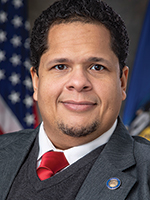
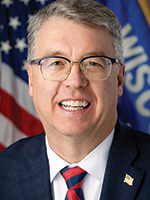
Julian Bradley
Julian Bradley Senate · District 28
R
Support
60% 69
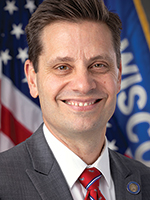
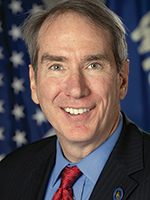
Chris Kapenga
Chris Kapenga Senate · District 33
R
Support
60% 69
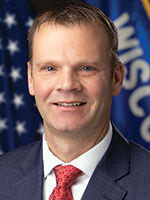
Devin LeMahieu
Devin LeMahieu Senate · District 9
R
Support
60% 69
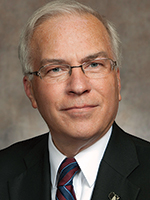
Steve Nass
Steve Nass Senate · District 11
R
Support
60% 69
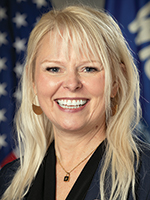
Rachael Cabral-Guevara
Rachael Cabral-Guevara Senate · District 19
R
Support
60% 69
Brad Pfaff
Brad Pfaff Senate · District 32
D
Strong −
20% 68
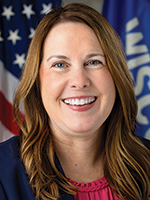
Sarah Keyeski
Sarah Keyeski Senate · District 14
D
Strong −
20% 69
Jamie Wall
Jamie Wall Senate · District 30
D
Strong −
20% 69
Jodi Habush Sinykin
Jodi Habush Sinykin Senate · District 8
D
Oppose
40% 69
Dianne Hesselbein
Dianne Hesselbein Senate · District 27
D
Oppose
40% 69
Showing 2 of 2 bills

All immigration bills

signed · Wisconsin · Assembly May 26, 2026

AJR 102: Relating to: prohibiting governmental entity discrimination (second consideration).

AJR 102 is a proposed constitutional amendment that would prohibit state government entities from discriminating against or giving preferential treatment to individuals or groups based on race, sex, color, ethnicity, or national origin. It specifically applies to public employment, education, contracting, and administration by state or local government. If approved by voters in November 2026, it would add Section 27 to the state constitution. This is a second consideration of the same proposal previously introduced as AJR 109 in 2023. The amendment requires voter ratification and is not yet law.
signed · Wisconsin · Assembly Apr 9, 2026

AB 759: Relating to: eligibility to receive occupational credentials for recipients of deferred action under the Deferred Action for Childhood Arrivals program. (FE)

AB 759 allows individuals with deferred action under the federal DACA program to obtain state occupational licenses (like nursing or cosmetology credentials) if they have valid federal work permits. It requires state licensing agencies to verify DACA recipients' federal work authorization through official systems before issuing licenses. Licenses issued under this law expire when the federal work permit expires, and recipients must renew both simultaneously. The bill explicitly states it does not grant eligibility for public benefits beyond occupational credentials.