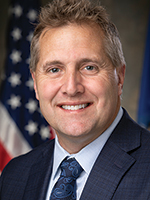
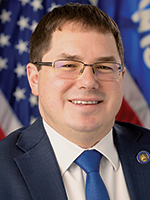
Key legislators
Who's moving environment in Wisconsin
Showing 3 of 3
bills
All environment bills
AB 130 exempts specific groups from certain PFAS enforcement actions under Wisconsin's spills law if they allow the state to clean up contaminated land at no cost to them. It directly affects landowners, fire departments, airports, wastewater spreaders, and waste facilities that handled PFAS-contaminated materials legally. The bill creates exemptions for those who spread permitted biosolids, owned land where such spreading occurred, used PFAS in emergency response (per federal rules), accepted PFAS waste, or own property not responsible for the contamination origin. This applies only to enforcement sections related to PFAS contamination under the spills law, not all PFAS regulations.
SB 323 establishes a state program providing no-interest loans to eligible dairy farms for specific upgrades. It directly affects dairy operations with 50-714 cows that meet strict criteria, including 98% in-state workforce, no recent environmental or safety violations, and legal employment compliance. Loans can fund technologies to improve milk production efficiency, animal health, milk quality, or reduce environmental impacts from manure management. The program prioritizes applicants creating new skilled jobs or reducing environmental effects per gallon of milk produced. The bill creates a formal process for applications and administration through the state corporation, with a fiscal estimate received as of July 2025.
SJR 7 is a non-binding legislative resolution passed by Wisconsin's legislature declaring support for nuclear power and fusion energy as critical clean energy sources. It states the legislature's commitment to advancing these technologies, citing their role in providing 66.6% of Wisconsin's carbon-free electricity, powering 1.2 million homes, and supporting 650 high-paying jobs. The resolution does not create new laws or allocate funds but formally recognizes nuclear/fusion energy as essential for meeting energy demands and reducing emissions. It emphasizes Wisconsin's existing nuclear infrastructure (including two operating reactors) and academic resources as foundations for future growth in this sector.