Issue · Healthcare

Healthcare (Substance Abuse)

Every healthcare bill, vote, and legislator stance in West Virginia, automatically classified by Maddy, our AI policy reader.

Total bills
33
2026 Regular Session
Top supporter
Bill Bell
100% support rate
Top opponent
George Street
0% support rate
Ranked legislators
10
5 support · 5 oppose
Key legislators

Who's moving substance abuse in West Virginia

Legislators moving substance abuse in West Virginia
Legislator Party Stance Support rate Votes
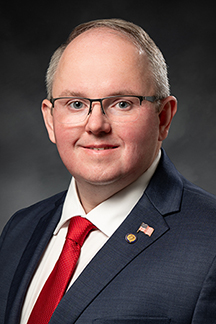
Bill Bell
Bill Bell House · District 8
R
Strong +
100% 4
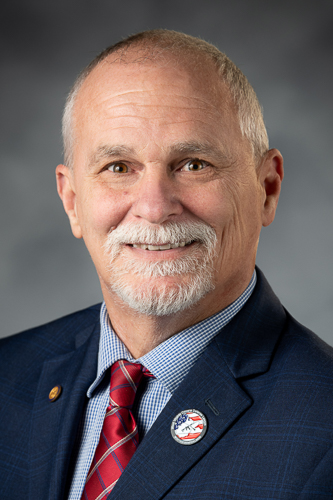
Bill Roop
Bill Roop House · District 44
R
Strong +
100% 4
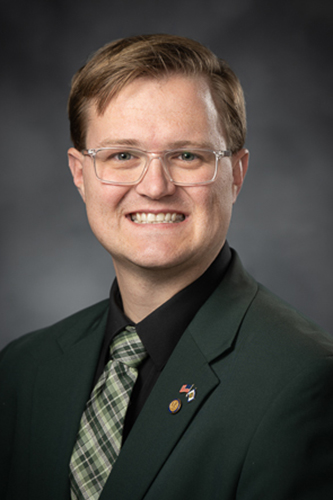
Chris Phillips
Chris Phillips House · District 68
R
Strong +
100% 4
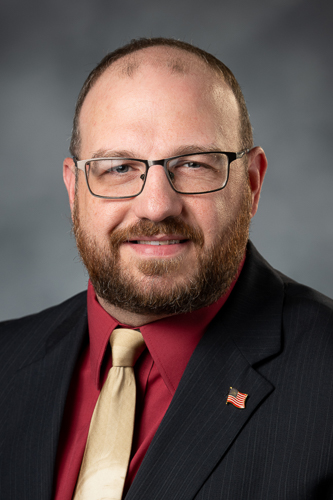
Chuck Horst
Chuck Horst House · District 95
R
Strong +
100% 4
Dave McCormick
Dave McCormick House · District 82
R
Strong +
100% 4
George Street
George Street House · District 83
R
Strong −
0% 4
Marty Gearheart
Marty Gearheart House · District 37
R
Strong −
0% 4
Michael Amos
Michael Amos House · District 27
R
Strong −
0% 3
Adam Vance
Adam Vance House · District 35
R
Oppose
25% 4
Betsy Kelly
Betsy Kelly House · District 9
R
Oppose
25% 4
Showing 1–10 of 33 bills

All healthcare bills

in committee · West Virginia · Senate Feb 24, 2026

SB 1055: Conducting rate study for substance use disorder

SB 1055 requires the West Virginia Bureau for Medical Services to conduct regular, data-driven reviews of Medicaid reimbursement rates for substance use disorder services. The bill mandates that these reviews consider factors like provider costs, workforce wages, service utilization trends, geographic access, and inflation, while engaging stakeholders including treatment providers and consumer representatives. It establishes annual reporting requirements for the Bureau to share findings and methodology with the legislature, ensuring transparency in rate adjustments. This process directly affects Medicaid-funded treatment centers and aims to balance access to care with responsible fiscal management.
in committee · West Virginia · House of Delegates Feb 3, 2026

HB 5077: Related to Mental Health Protection Act

HB 5077 requires all health insurance policies in West Virginia (including group plans, public employee coverage, and hospital plans) issued or renewed on or after January 1, 2027, to cover medically necessary mental health and substance use disorder treatment. It defines "medically necessary" as care meeting established clinical standards, being appropriate in type/duration, and not primarily benefiting insurers. The law prohibits insurers from using arbitrary "discretionary clauses" to deny such coverage. This directly affects all West Virginians with health insurance by mandating comprehensive coverage for these conditions.
in committee · West Virginia · House of Delegates Feb 16, 2026

HB 5618: Federal Court Decision Striking Down Certificate of Need Moratorium.

HB 5618 ends West Virginia's moratorium on new opioid treatment facilities requiring a certificate of need, effective July 1, 2026. The bill directly affects new opioid treatment programs seeking licensure, removing a 2016-era barrier that prevented new providers from entering the market. It responds to a federal court ruling (Slaughter v. Edney) finding the moratorium violated equal protection by blocking new entrants while allowing existing providers to operate. The key provision sets a specific end date for the moratorium, allowing new facilities to apply for licenses without needing a certificate of need after July 2026.
in committee · West Virginia · House of Delegates Feb 10, 2026

HB 5428: Relating to providing traumatic event counseling for peace officers.

HB 5428 requires employers of peace officers, firefighters, and 911 dispatchers to provide up to 12 sessions of licensed counseling (via telehealth if desired) for employees exposed to specific traumatic events in the line of duty, such as witnessing death, using deadly force, or responding to child-related incidents. Employers must cover up to 24 additional counseling sessions within one year if a mental health professional deems them necessary for recovery. The bill also prohibits requiring employees to use accrued leave for counseling appointments and ensures no loss of pay or benefits for up to 30 days if deemed unfit for duty during treatment, subject to specific conditions. It allows employees to select their own licensed mental health professional and clarifies that payment does not create a presumption of compensable claims.
Sub-Topics Healthcare Workforce Mental Health Substance Abuse Tags Public Safety
in committee · West Virginia · House of Delegates Feb 17, 2026

HB 5672: Relating to collecting a tax from all manufacturers and distributors of opioid drugs

HB 5672 imposes an annual excise tax on opioid manufacturers and distributors selling Schedule II drugs to West Virginia pharmacies. The tax equals one cent per 100 pills multiplied by the previous year's state opioid overdose death count (as reported by the Department of Health). Pharmacies collect this tax from manufacturers/distributors (not patients) and remit it to the Ryan Brown Addiction Prevention and Recovery Fund. This revenue directly funds state addiction prevention and recovery programs. The tax rate adjusts yearly based on updated overdose statistics.
in committee · West Virginia · House of Delegates Feb 17, 2026

HB 5633: Relating to extending the expiration date on a pilot program administered by the Herbert Henderson Office on Minority Affairs to promote public health through comprehensive community development.

HB 5633 extends the expiration date of a pilot program run by the Herbert Henderson Office on Minority Affairs, which aims to improve public health through community development in West Virginia. The program, currently set to expire on July 1, 2031, will continue addressing poverty, substance abuse, and other health challenges by coordinating existing state and federal resources like housing services and youth programs. It requires collaboration with nonprofit organizations and targets rural, suburban, and urban communities to improve health outcomes and economic development. The program must report progress to the Select Committee on Minority Affairs Interim Committee.
signed · West Virginia · House of Delegates Jun 29, 2026

HB 5366: Relating to rules governing the practice of law

HB 5366 amends West Virginia law to clarify that certain records related to the West Virginia Judicial and Lawyer Assistance Program are confidential and not subject to public records requests. It directly affects attorneys who use this program, which provides support for mental health and substance abuse issues. The bill specifically states that records gathered under the program’s rules - covering procedures, referrals, and services - are exempt from disclosure under the state’s Freedom of Information Act. This change ensures these sensitive attorney assistance records remain private, preventing public access while maintaining program confidentiality.
in committee · West Virginia · House of Delegates Feb 3, 2026

HB 5085: Related to troubled teen industry

HB 5085 requires private residential programs for adolescents with behavioral or emotional challenges to obtain a license from West Virginia’s Office of Health Facility Licensure and Certification. The bill mandates background checks for all staff with direct contact with youth, prohibits physical discipline or denial of education, and requires programs to report restraints/seclusion within one business day. It also mandates written policies for suicide prevention, allows parents to remove youth or request weekly video calls, and requires programs to publicly post complaint procedures. The law directly affects operators of these residential programs (excluding schools, camps, or faith-based organizations), imposing new licensing, safety, and transparency requirements.
Sub-Topics Medical Licensing Mental Health Substance Abuse Tags Licensing
signed · West Virginia · Senate Jun 25, 2026

SB 897: Relating to licensure and certification of alcohol and drug counselors

SB 897 establishes licensing and certification requirements for alcohol and drug counselors in West Virginia. It defines key terms like "substance use disorder" and "practice of alcohol and drug counseling," which includes evaluating addiction issues, developing treatment plans, and providing trauma-informed care. The bill sets eligibility criteria, application fees, renewal fees, and grandfathering provisions for existing counselors based on education or experience. It also creates disciplinary actions for violations and specifies exceptions for healthcare providers, state employees, and self-help groups. This bill directly affects counselors seeking to provide substance use disorder treatment services in the state.
in committee · West Virginia · House of Delegates Feb 9, 2026

HB 5370: Require a 24 -hour hospital hold for persons deemed addicted to specific substances

HB 5370, "Caitlyn's Law," would require a mandatory 24-hour hospital hold for individuals suspected of having a substance use disorder (as defined by the DSM) who are deemed at risk of causing serious harm to themselves or others due to their addiction. This applies when someone lacks judgment about needing treatment due to substance impairment, but excludes cases based solely on dementia, epilepsy, or intellectual disabilities. The bill mandates evaluation by a mental hygiene commissioner or licensed professional within that 24-hour period to determine if further involuntary treatment is needed. It directly affects individuals in West Virginia with suspected substance use disorders who meet specific risk criteria. The bill is currently in committee referral following its introduction on February 9, 2026.
Showing 1 to 10 of 33 bills
1 2 3 4 Next