Issue · Healthcare

Healthcare

Every healthcare bill, vote, and legislator stance in West Virginia, automatically classified by Maddy, our AI policy reader.

Total bills
369
2026 Regular Session
Top supporter
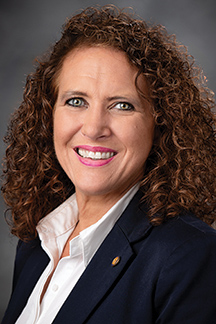
Kathie Hess Crouse
92% support rate
Top opponent
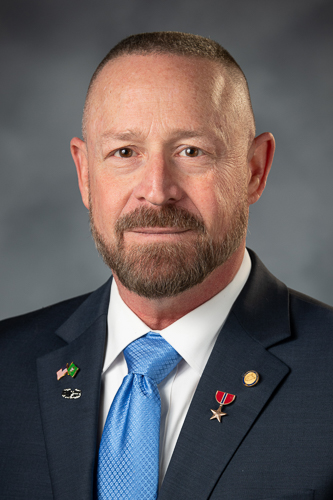
Corby Dillon
25% support rate
Ranked legislators
10
5 support · 5 oppose
Key legislators

Who's moving healthcare in West Virginia

Legislators moving healthcare in West Virginia
Legislator Party Stance Support rate Votes
Kathie Hess Crouse
Kathie Hess Crouse House · District 19
R
Strong +
92% 34
Elliott Pritt
Elliott Pritt House · District 50
R
Strong +
92% 31
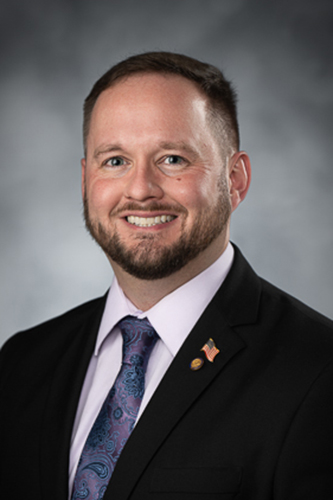
Jordan Maynor
Jordan Maynor House · District 41
R
Strong +
92% 33
Doug Smith
Doug Smith House · District 39
R
Strong +
92% 27
Geno Chiarelli
Geno Chiarelli House · District 78
R
Strong +
92% 34
Corby Dillon
Corby Dillon House · District 29
R
Oppose
25% 33
Marty Gearheart
Marty Gearheart House · District 37
R
Oppose
33% 24
Shawn Fluharty
Shawn Fluharty House · District 5
D
Oppose
40% 31
Buck Jennings
Buck Jennings House · District 84
R
Mixed −
42% 33
George Street
George Street House · District 83
R
Mixed −
42% 30
Showing 351–360 of 369 bills

All healthcare bills

in committee · West Virginia · Senate Jan 21, 2026

SB 446: Including certain mental health disorders in existing public health programs

SB 446 requires West Virginia's Bureau for Public Health and Bureau for Medical Services to integrate support for postpartum depression, anxiety, psychosis, and obsessive-compulsive disorders into existing public health programs. It mandates training health care professionals on early detection using assessment tools during pregnancy, delivery, and up to one year postpartum, and expands public outreach to raise awareness about early signs of these conditions. The bill specifically targets at-risk mothers and health care providers, emphasizing culturally relevant, non-clinical education materials. This policy change updates current programs without creating new services, focusing on prevention and access to care through existing state health infrastructure.
in committee · West Virginia · Senate Jan 19, 2026

SB 494: Permitting dedicated lottery tickets for special interests

SB 494 creates four new lottery scratch-off games in West Virginia, each dedicated to funding specific public services: fire departments, emergency medical services, schools, and roads. Profits from each game will be directed to designated state funds (e.g., fire department profits to the All County Fire Protection Fund) and must be clearly labeled on the tickets. The Lottery Commission must update game designs regularly to stay competitive with other lottery offerings. The bill takes effect September 1, 2026, and requires all proceeds to directly support the named services.
in committee · West Virginia · Senate Jan 16, 2026

SB 470: Allowing for doula reimbursement under Medicaid

This bill requires West Virginia Medicaid to cover doula services for eligible pregnant individuals. It mandates that the state file a plan amendment defining a doula as a trained professional providing physical, emotional, and informational support from confirmed conception through 180 days postpartum. Coverage includes two prenatal and two postpartum visits, with each visit reimbursed at $125 (adjusted annually for inflation), to be implemented by October 1, 2027. This directly affects Medicaid-eligible pregnant women and new mothers in West Virginia, expanding their covered maternity care options. The policy change is limited to existing Medicaid beneficiaries meeting income eligibility requirements.
in committee · West Virginia · Senate Jan 14, 2026

SB 212: Creating Whistleblower Protection Fund Act

SB 212 creates a Whistleblower Protection Fund to support public awareness campaigns encouraging the reporting of unethical or illegal practices in clinical inpatient medical treatment centers, office-based medication-assisted treatment programs, and opioid treatment programs. The fund, administered by the Office of the Inspector General, will be financed through legislative appropriations, donations, public health grants, and other sources. It requires the Office of the Inspector General to run advertising campaigns (including social media, materials, and ads) promoting whistleblower protections and to report annually on campaign activities, report volumes, and outcomes to the Joint Standing Committee on Health. This bill directly affects healthcare facilities covered under the law and aims to reduce retaliation against whistleblowers while improving patient safety.
in committee · West Virginia · House of Delegates Jan 20, 2026

HB 4569: Updating law regarding prior authorizations

This bill requires health insurers to accept prior authorization requests via fax or electronic portal (not just mail) and mandates clear submission instructions, a 5-business-day response deadline (2 days for urgent care), and quarterly updates to lists of required authorizations. It ensures insurers include step therapy details on forms and carry approved authorizations across insurers for three months within West Virginia. The law directly affects insurers, healthcare providers, and patients by streamlining the approval process and reducing delays. Key provisions include standardized electronic notifications, clear deficiency identification, and expedited appeals within 10 business days.
in committee · West Virginia · House of Delegates Jan 29, 2026

HB 4853: Relating to hospitals establishing protocols for providing trauma informed care to patients

HB 4853 requires West Virginia hospitals to create protocols for providing trauma-informed care to patients who have experienced miscarriage, abuse, neglect, or other stressful events. Hospitals must implement staff training, compile patient resources (including mental health contacts, grief guidance, crisis hotlines, and support groups), and develop a specific "Butterfly Protocol" for miscarriage cases. This protocol uses a discreet butterfly symbol on patient records to alert staff, who must be trained to recognize it and provide appropriate care. The bill directly affects all West Virginia hospitals by mandating these concrete procedures. It focuses on hospital operational changes rather than altering patient rights or funding.
in committee · West Virginia · House of Delegates Jan 14, 2026

HB 4113: Emergency Medical Services Sales Tax

HB 4113 allows West Virginia counties to impose a new 0.25% sales tax specifically to fund local emergency medical services (EMS). The tax applies to most retail sales (excluding motor vehicles, fuel, and items already taxed under state law) and must be collected from purchasers by the state Tax Commissioner, not county governments. All revenue generated must be used exclusively for EMS operations - including personnel, equipment, and response capabilities - and cannot be diverted to other county budgets. Counties must notify state officials 180 days in advance before implementing the tax or changing its rate.
Sub-Topics Sales Tax Tags Public Safety
in committee · West Virginia · House of Delegates Jan 14, 2026

HB 4168: Relating to vaccine requirements

HB 4168 clarifies West Virginia's school vaccination requirements by streamlining medical exemptions and ensuring vaccine access. It requires licensed healthcare providers (physicians, PAs, or NPs) to provide written statements for children with medical contraindications to specific vaccines, while protecting these providers from penalties. The bill mandates county health departments to provide free vaccines for children from families unable to afford them, and specifies that the State Health Officer must review exemption requests based on medical evidence. This amendment does not change the list of required vaccines but refines the exemption process and access to immunizations for low-income families.
Sub-Topics Public Health
in committee · West Virginia · Senate Jan 15, 2026

SB 276: Office of Inspector General rule relating to delegation of medication administration and health maintenance tasks to approved medication assistive personnel

SB 276 amends an existing rule (71 CSR 17) by the Office of Inspector General to clarify that setting doses on dial-up insulin pens is a routine, non-clinical task for approved medication assistive personnel. The bill specifically adds that "selecting or setting the amount on a dial-up insulin pen to an amount prescribed is ministerial in nature and is not deemed an exercise of clinical judgment." This procedural change directly affects healthcare facilities and medication assistive personnel who administer medications under the rule. It does not create new policy but provides explicit guidance on a specific medication task.
in committee · West Virginia · Senate Jan 21, 2026

SB 568: Creating Oral Health and Cancer Rights Act

SB 568, the Oral Health and Cancer Rights Act, requires health insurers in West Virginia to cover medically necessary dental procedures directly related to cancer treatment (such as surgery, chemotherapy, or radiation). This affects cancer patients needing dental care to eat, breathe, speak, or swallow after treatment, and all health benefit plans offered by insurers in the state. The bill mandates that covered services must be billed using the specific modifier "West Virginia Code §33-64-1" (or a unique prescription identifier for medications), ensuring insurers recognize these procedures as covered. The law takes effect July 1, 2027, applying to all nonexempt health insurance contracts.
Sub-Topics Insurance
Showing 351 to 360 of 369 bills