Issue · Criminal Justice

Criminal Justice (Corrections)

Every criminal justice bill, vote, and legislator stance in West Virginia, automatically classified by Maddy, our AI policy reader.

Total bills
50
2026 Regular Session
Top supporter
Elliott Pritt
100% support rate
Top opponent
Mickey Petitto
0% support rate
Ranked legislators
10
5 support · 5 oppose
Key legislators

Who's moving corrections in West Virginia

Legislators moving corrections in West Virginia
Legislator Party Stance Support rate Votes
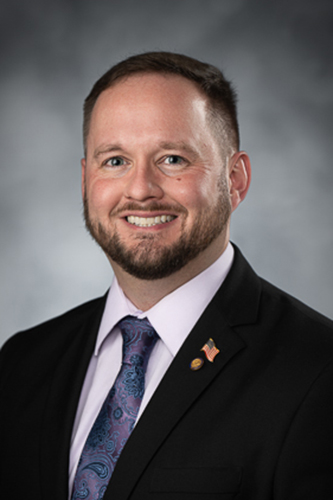
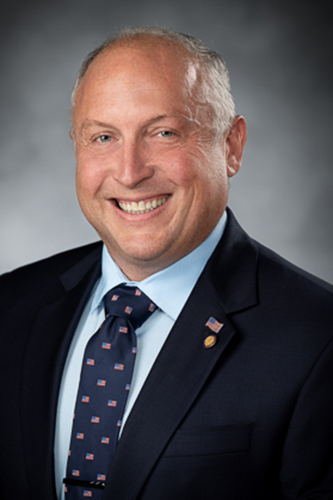
Elliott Pritt
Elliott Pritt House · District 50
R
Strong +
100% 3
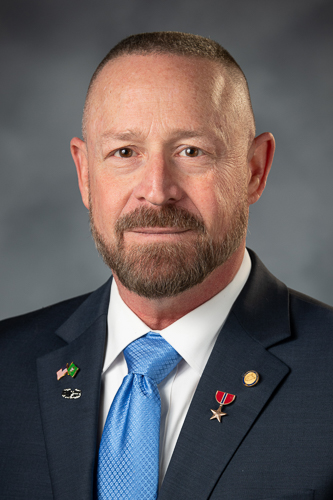
Doug Smith
Doug Smith House · District 39
R
Support
75% 4
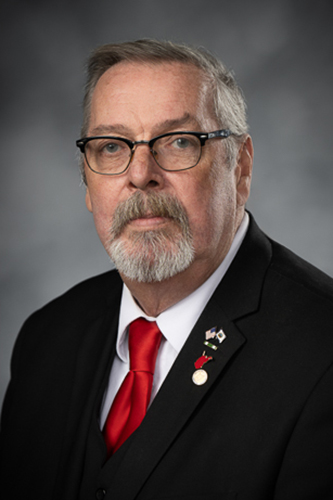
Jonathan Pinson
Jonathan Pinson House · District 17
R
Support
75% 4
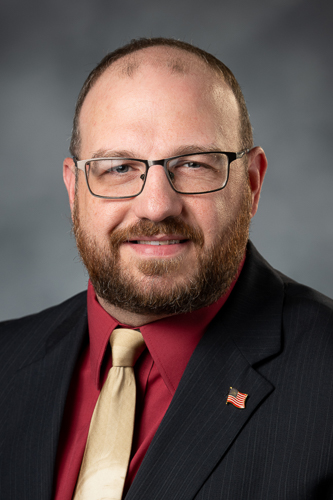
Margitta Mazzocchi
Margitta Mazzocchi House · District 31
R
Support
75% 4
Marshall Clay
Marshall Clay House · District 51
R
Support
75% 4
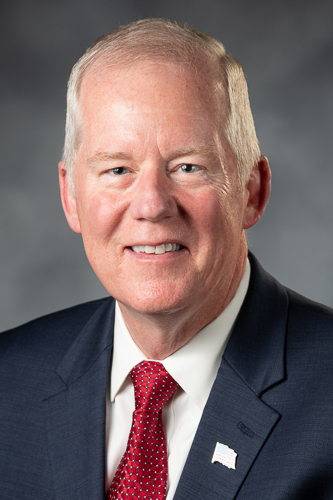
Mickey Petitto
Mickey Petitto House · District 70
R
Strong −
0% 3
Adam Vance
Adam Vance House · District 35
R
Oppose
25% 4
Bill Anderson
Bill Anderson House · District 10
R
Oppose
25% 4
Bill Flanigan
Bill Flanigan House · District 4
R
Oppose
25% 4
Bob Fehrenbacher
Bob Fehrenbacher House · District 11
R
Oppose
25% 4
Showing 1–10 of 50 bills

All criminal justice bills

in committee · West Virginia · House of Delegates Feb 10, 2026

HB 5400: Relating generally to punishment for child neglect resulting in death.

HB 5400 increases criminal penalties for child neglect resulting in death in West Virginia. It raises the minimum prison sentence from 3 to 10 years for offenders convicted of causing a child's death through neglect when both a fine and imprisonment are imposed. The bill also clarifies that religious healing methods meeting IRS criteria for medical expenses do not count as neglect (but this exception does not apply to professionals like teachers or doctors responsible for a child's health). Additionally, it specifies that interfering with court-ordered medical treatment is considered neglect under this law. The bill directly affects parents, guardians, custodians, and others in positions of trust responsible for a child's well-being.
Sub-Topics Corrections Courts
passed · West Virginia · House of Delegates Mar 11, 2026

HB 5319: Camping ban on certain public property.

HB 5319 amends West Virginia law to prohibit camping or storing personal property (like tents, sleeping gear, or camp equipment) on specific public property without authorization. It directly affects individuals using state capitol grounds, courthouses, municipal offices, parks, streets, or trails without written permission from the relevant government body. Key provisions define "camp" and "personal property," ban unauthorized use in designated areas, and classify violations as misdemeanors punishable by fines ($25-$100), up to 30 days in jail, or both. Each day of violation counts as a separate offense, and unauthorized structures are deemed public nuisances subject to removal.
Sub-Topics Corrections
in committee · West Virginia · House of Delegates Feb 9, 2026

HB 5335: Relating to Animal Abuse

HB 5335 prohibits sexual abuse of animals in West Virginia, defining it as touching an animal’s mouth, anus, or sex organs for sexual gratification. It creates new misdemeanor and felony offenses with penalties including fines ($300-$10,000), jail time (up to 10 years), and mandatory forfeiture of the animal to the owner. Convicted individuals face minimum 5-year (misdemeanor) or 15-year (felony) bans on owning animals, plus costs for animal care and a required psychiatric evaluation. The bill directly affects anyone engaging in or facilitating sexual abuse of animals, including those who permit it on their property or involve minors.
Sub-Topics Corrections
in committee · West Virginia · House of Delegates Feb 13, 2026

HB 5496: Providing for the offense of child torture.

HB 5496 would create a new felony offense of "child torture" in West Virginia law, targeting individuals aged 16 or older who subject children to specific severe acts. The bill defines "torture" to include 12 concrete acts like breaking limbs, inflicting prolonged pain, depriving food/water, sexual abuse, or terrorizing a child to cause significant harm. If bodily injury occurs, offenders face 10-25 years in prison with no parole before 10 years served; if no injury occurs, sentences are 10-20 years with no parole before 8 years served. This bill directly affects perpetrators of severe child abuse and would establish new criminal penalties for these specific acts under West Virginia Code §61-8D-11.
in committee · West Virginia · Senate Feb 11, 2026

SB 920: Mandating life sentence for first degree murder of minor victim with firearm

SB 920, titled "Koda’s Law," mandates a life prison sentence without parole for anyone convicted of first-degree murder involving a minor victim (under 18) when a firearm is used. This bill directly affects defendants found guilty of this specific offense in West Virginia, replacing standard sentencing options with a mandatory life term. The key provision adds §61-2-2a to the state code, making life without parole the sole penalty for these crimes. The bill does not change murder definitions but requires automatic life sentences in these cases, removing judicial discretion for this subset of offenses.
in committee · West Virginia · Senate Feb 17, 2026

SB 975: Excluding county reimbursement for any inmate declared incompetent to stand trial

SB 975 amends West Virginia law to exclude counties from receiving reimbursement for inmates declared mentally unfit to stand trial. Specifically, it removes such inmates from the list of individuals for whom counties must pay daily costs to the state correctional fund. This change directly affects counties that currently cover housing costs for inmates in state facilities under §15A-3-16(g). The bill modifies the reimbursement mechanism by excluding these inmates from the per-day cost calculation, shifting the financial responsibility entirely to the state.
Sub-Topics Corrections
in committee · West Virginia · House of Delegates Feb 16, 2026

HB 5599: To make the possession of fentanyl a felony offense

HB 5599 would make possessing fentanyl a felony offense, replacing its current misdemeanor classification. Under the bill, anyone found with fentanyl without a valid prescription could face up to 15 years in prison, a $25,000 fine, or both. The bill specifically targets fentanyl - a synthetic opioid - and applies to all possession, regardless of quantity, directly affecting individuals caught with the drug. This change amends West Virginia law to impose stricter penalties for fentanyl possession, aligning it with penalties for other serious controlled substances.
in committee · West Virginia · Senate Feb 17, 2026

SB 973: Creating crime of property disposal for purposes of avoiding debt or asset repayment

SB 973 proposes to create a criminal offense for individuals who dispose of or attempt to dispose of their property to avoid paying debts, fines, or fees without the creditor's knowledge or consent. This law would directly affect debtors who transfer assets to evade payment obligations to creditors. The bill amends West Virginia Code §61-3-24 to specify that such actions constitute a misdemeanor, punishable by up to one year in jail and a $2,500 fine. It clarifies that intentionally hiding or moving property to prevent debt collection is now explicitly prohibited under state law.
Sub-Topics Corrections
in committee · West Virginia · House of Delegates Feb 12, 2026

HB 5477: Relating to federal immigration enforcement.

HB 5477 requires state-supported law enforcement agencies - including county sheriffs, municipal police, and regional jails receiving state funds - to join the federal 287(g) program for immigration enforcement. Larger detention facilities must use the "Jail Enforcement Model" under this program, with a fallback to the "Warrant Service Officer Model" only if federal authorities deny the primary option. The bill mandates reporting, audits, and allows withholding of state public safety funds from noncompliant agencies. It standardizes cooperation with federal immigration enforcement in detention settings across West Virginia.
vetoed · West Virginia · Senate Apr 1, 2026

SB 705: Creating offense of theft by conversion

SB 705 creates a new criminal offense called "theft by conversion" in West Virginia, targeting individuals who unlawfully use funds or property they were entrusted with under an agreement. It directly affects people handling others' assets (like rental companies, contractors, or anyone with a legal obligation to manage property), such as leased equipment or payments. The bill sets penalties: misdemeanors for amounts under $2,500 (up to 1 year in jail or $1,000 fine), and felonies for $2,500 or more (1-10 years in prison or fines up to $2,500). It requires courts to order restitution to victims and specifies where cases can be prosecuted (e.g., defendant’s, victim’s, or property location county). The law applies to property valued over $100, excluding late fees.
Showing 1 to 10 of 50 bills
1 2 3 5 Next