





Issue · Budget & Taxes

Budget & Taxes

Every budget & taxes bill, vote, and legislator stance in West Virginia, automatically classified by Maddy, our AI policy reader.

Total bills
1
2026 Regular Session
Top supporter
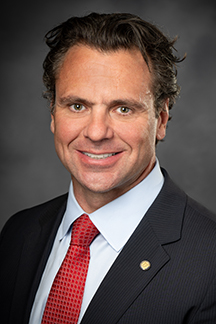
Chris Phillips
93% support rate
Top opponent
Corby Dillon
14% support rate
Ranked legislators
10
5 support · 5 oppose
Key legislators

Who's moving budget & taxes in West Virginia

Legislators moving budget & taxes in West Virginia
Legislator Party Stance Support rate Decisive votes
Chris Phillips
Chris Phillips House · District 68
R
Strong +
93% 15
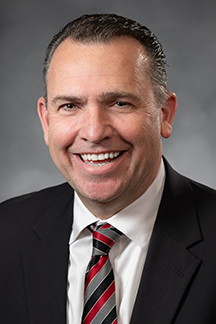
Guy Ward
Guy Ward House · District 74
R
Strong +
93% 15
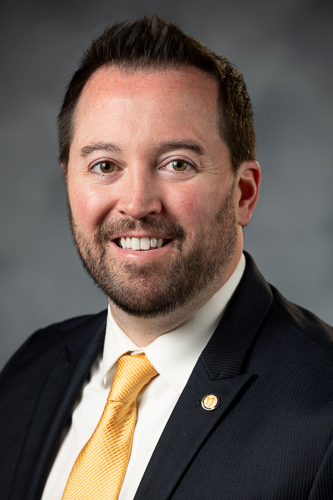
J.B. Akers
J.B. Akers House · District 55
R
Strong +
93% 15
John Jordan
John Jordan House · District 42
R
Strong +
93% 15
Jonathan Pinson
Jonathan Pinson House · District 17
R
Strong +
93% 15
Corby Dillon
Corby Dillon House · District 29
R
Strong −
14% 14
Shawn Fluharty
Shawn Fluharty House · District 5
D
Oppose
31% 13
Marty Gearheart
Marty Gearheart House · District 37
R
Oppose
33% 9
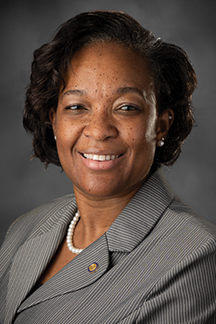
Anitra Hamilton
Anitra Hamilton House · District 81
D
Oppose
40% 15
Evan Hansen
Evan Hansen House · District 79
D
Oppose
40% 15
Showing 1 of 1 bills

All budget & taxes bills

vetoed · West Virginia · House of Delegates Apr 2, 2026

HB 5074: Relating to changing the allocation of proceeds in the Medical Cannabis Program Fund.

HB 5074 changes how revenue from West Virginia's medical cannabis program is allocated. For fiscal year 2026, it directs $3 million to the Supreme Court for a child protection pilot, $10 million each to West Virginia University and Marshall University for ibogaine research, and $5 million to homelessness services, with remaining funds reverting to general revenue. Starting July 1, 2026, annual allocations will be: 15% to the Medical Cannabis Bureau for administration, 15% to the Department of Agriculture for cannabis testing, and 45% split among the Fight Substance Abuse Fund (20%), university research (10% each to Marshall and WVU), a Child Protection Commission (10%), and law enforcement training programs (40%). These changes apply to ongoing revenue from medical cannabis taxes, not new taxes or fees.