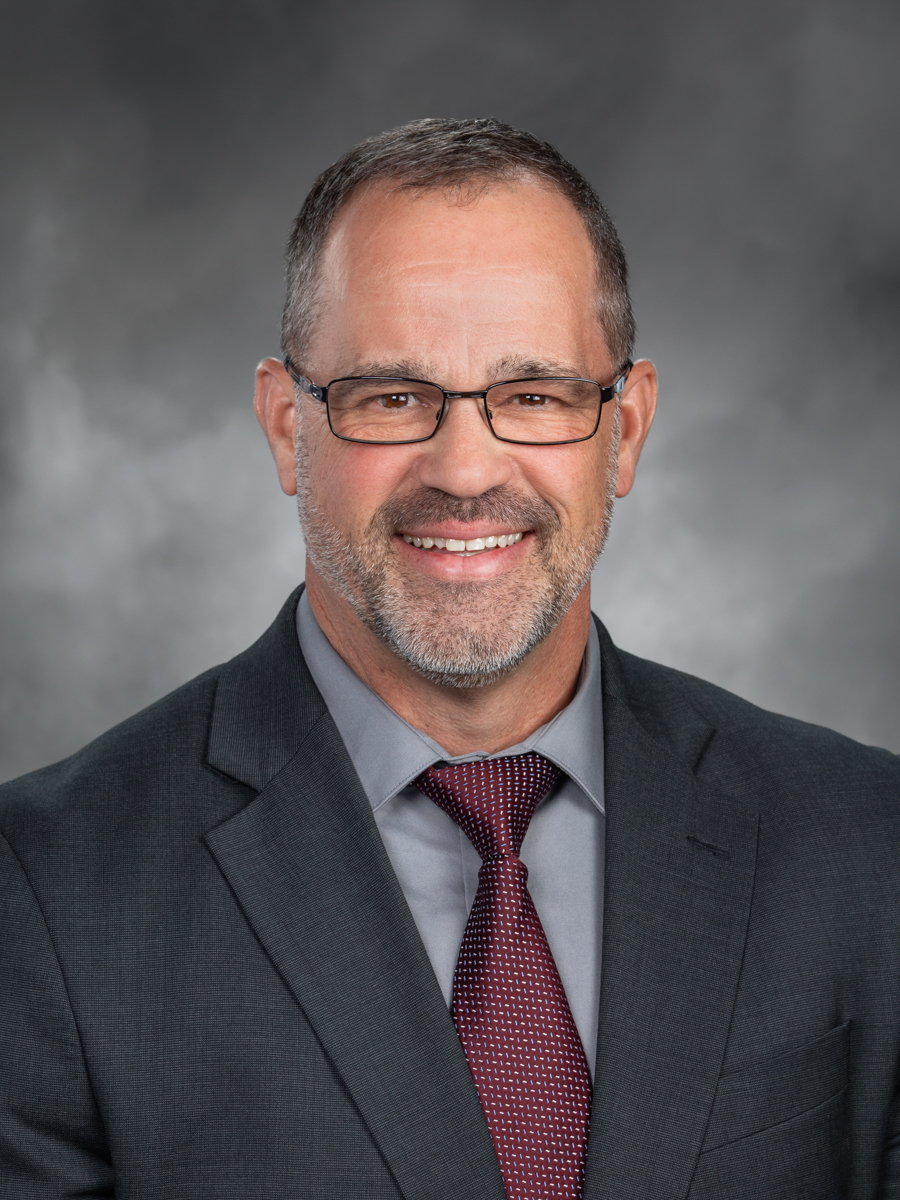
This bill prohibits licensed mental health professionals in Washington from using artificial intelligence to independently make therapeutic decisions, directly interact with clients, generate treatment plans, or detect client emotions. It allows AI use only for administrative tasks like scheduling or billing, and for supplementary support like note-taking only with explicit written consent from the client. The legislation defines specific categories of permitted versus prohibited AI use to maintain human oversight in therapy and psychotherapy services. Violations of these rules could result in professional discipline for licensed practitioners. The bill aims to protect consumers from unregulated AI tools while preserving appropriate AI assistance under professional supervision.
This bill prohibits using artificial intelligence to replace certified teachers or support staff (paraeducators) in Washington schools. It allows AI to supplement or enhance instruction but explicitly bans its use for replacing human educators. The law directly affects public schools and instructional staff by setting clear boundaries for AI integration in classrooms. It creates a new legal standard in education policy without specifying implementation details.
SB 5956 prohibits Washington public schools from using artificial intelligence (AI) or surveillance technologies to make or solely determine student discipline decisions, such as suspensions or expulsions. It bans "risk scores" predicting student misconduct, biometric tracking for emotional/mental health analysis, and automated watchlists, requiring human review for any discipline action involving AI or surveillance data. The law directly affects all K-12 public school districts, charter schools, and tribal education programs in Washington, mandating updates to policies to prevent discriminatory impacts on students of color, students with disabilities, and LGBTQ students. It also restricts sharing student data with law enforcement except in emergencies involving imminent serious physical harm.
SB 5094 redefines "digitization" to explicitly include AI-generated images of minors, making it illegal to create or alter visual content depicting minors in sexually explicit conduct using such technology. It directly affects individuals who produce, distribute, or possess fabricated depictions of minors created through AI or other digitization methods. The bill amends Washington’s sexual exploitation laws to clarify that knowingly causing minors to be photographed during explicit conduct (including when unconscious) constitutes a class B felony, and adds this offense to the list of crimes with no statute of limitations for prosecution. Key provisions include defining "sexually explicit conduct" broadly and expanding the scope of prohibited "fabricated depictions" to cover AI-generated material.
HB 1169 expands Washington state law to criminalize the creation, distribution, or possession of AI-generated or digitally altered images depicting minors in sexually explicit conduct - even when the minor is not identifiable. The bill amends definitions to explicitly include AI-generated content under "digitization" and "fabricated depiction," covering any realistic image of a minor engaged in sexual acts, regardless of whether the image shows a real child. It classifies violations as class B felonies, with separate charges for each image created or shared. This directly affects individuals using AI tools to produce such content, aiming to address the challenge of detecting fabricated child sexual abuse material online. The law targets the proliferation of AI-generated images that could desensitize viewers or increase exploitation risks, without requiring the depicted minor to be identifiable.
Senate Bill 5105 expands Washington's existing laws concerning fabricated depictions of minors engaged in sexually explicit conduct. The bill amends current definitions to remove the requirement that the depicted minor be "identifiable" for an image to be considered a "fabricated depiction." It explicitly includes images created or altered using artificial intelligence or other digital tools within the scope of prohibited "digitization." This legislation aims to broaden the ability to prosecute crimes involving such material, affecting individuals who create, possess, or disseminate these depictions.