

Issue · Technology
Technology
Every technology bill, vote, and legislator stance in Washington, automatically classified by Maddy, our AI policy reader.
Total bills
127
2025-2026 Regular Session
Top supporter
Lisa Callan
94% support rate
Top opponent
Leonard Christian
16% support rate
Ranked legislators
10
5 support · 5 oppose
Key legislators
Who's moving technology in Washington
| Legislator | Party | Stance | Support rate | Votes |
|---|---|---|---|---|

Lisa Callan
House · District 5
|
D |
Strong +
|
94% | 105 |

Liz Berry
House · District 36
|
D |
Strong +
|
94% | 106 |
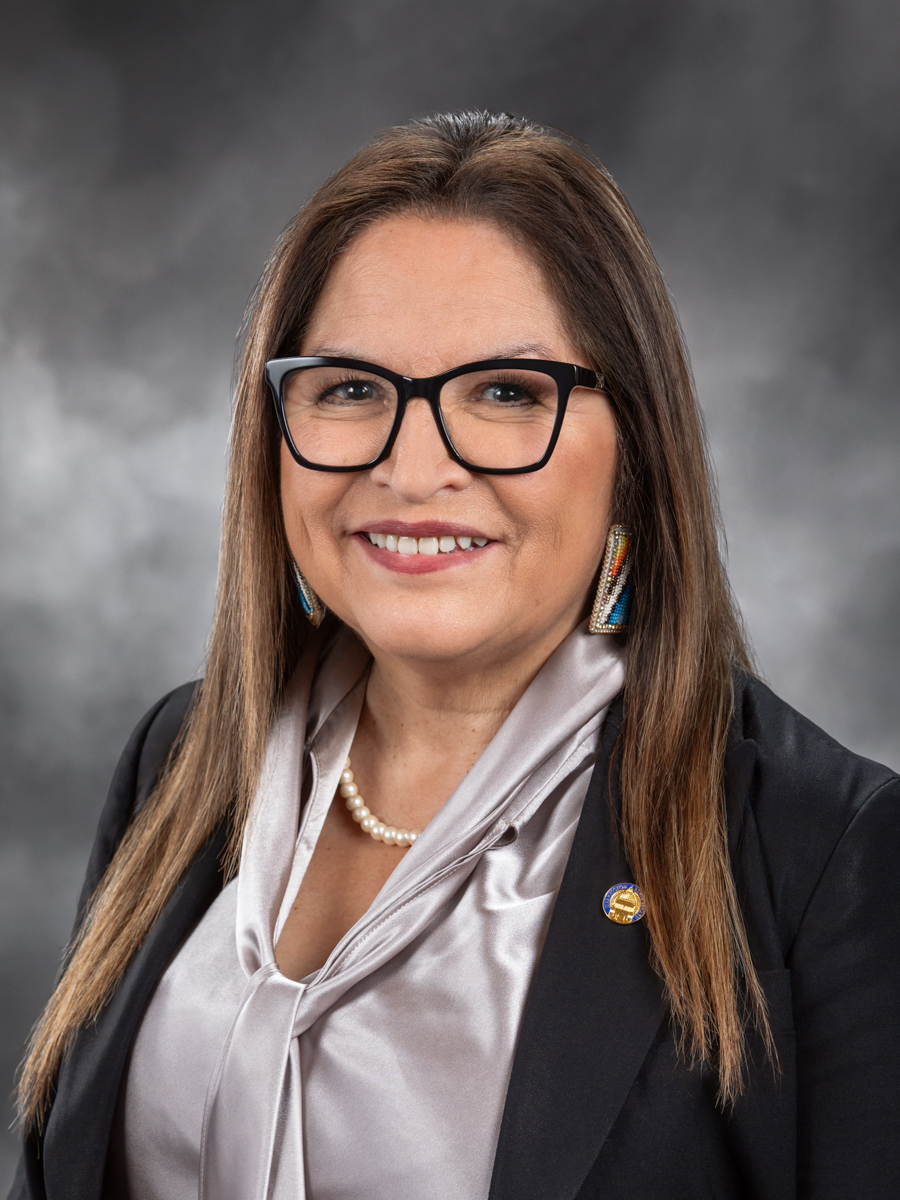
Claudia Kauffman
Senate · District 47
|
D |
Strong +
|
89% | 96 |

Claire Wilson
Senate · District 30
|
D |
Strong +
|
89% | 96 |

Mike Chapman
Senate · District 24
|
D |
Strong +
|
89% | 96 |

Leonard Christian
Senate · District 4
|
R |
Strong −
|
16% | 96 |

Joel McEntire
House · District 19
|
R |
Strong −
|
17% | 91 |

Jim Walsh
House · District 19
|
R |
Strong −
|
18% | 106 |

Jeremie Dufault
House · District 15
|
R |
Strong −
|
20% | 100 |

Drew MacEwen
Senate · District 35
|
R |
Oppose
|
21% | 95 |
Showing 81–90 of 127
bills
All technology bills
HB 1360: Concerning advancement of quantum economic development.
Sub-Topics
Emerging Technology
HB 1057: Promoting economic development by increasing support for local communities to access federal funds.
Topics
✓ Budget & TaxesSupports Budget & TaxesCreates state fund to match federal grants, increasing state spending for economic development projects like broadband and housing.
✓ HousingSupports HousingBill creates state fund to match federal grants for housing projects, directly enabling housing development funding as explicitly listed in summary.
✓ Labor & EmploymentSupports Labor & EmploymentFunds workforce training projects via state matching grants, prioritizing job creation in economic development initiatives.
✓ TechnologySupports TechnologyBill explicitly funds broadband projects via matching grants, directly expanding internet access for rural communities and tribes as a key project type.
✓ TransportationSupports TransportationBill funds infrastructure projects via state matching grants, explicitly listing infrastructure as eligible for federal grant support alongside transportation-relevant areas like broadband and workforce training.
Sub-Topics
Community Development
Property Development
Workforce Development
Broadband Access
Tags
Rural Communities
HB 2038: Establishing the youth behavioral health account and funding the account through the imposition of a business and occupation additional tax on the operation of social media platforms.
Topics
✓ Budget & TaxesSupports Budget & TaxesImposes 0.4% tax on social media platforms to fund youth behavioral health services, advancing public program funding through new tax revenue.
✓ EducationSupports EducationFunds telebehavioral health services for school-aged youth, enhancing student well-being and educational access through mental health support in schools.
✓ HealthcareSupports HealthcareFunds youth behavioral health services via new tax on social media platforms, directly expanding mental health coverage and access for school-aged youth.
✓ TechnologySupports TechnologyImposes 0.4% tax on social media platforms (tech companies) to fund youth behavioral health services, regulating platform operations for public health protection.
HB 1168: Increasing transparency in artificial intelligence.
SB 5034: Eliminating the expiration of the interagency, multijurisdictional system improvement team.
Sub-Topics
Broadband Access
HB 1205: Prohibiting the knowing distribution of a forged digital likeness.
Sub-Topics
Artificial Intelligence
HB 2016: Concerning an additive capital budget for state matching funds and federal expenditure authority for broadband.
Topics
✓ Budget & TaxesSupports Budget & TaxesBill allocates $280M state funds for broadband infrastructure, a public service, and updates budget procedures to streamline spending. This funds essential programs and aligns with fiscal management.
✓ TechnologySupports TechnologyAllocates $280M for broadband infrastructure, prioritizing affordability and open-access networks to expand internet access and digital equity.
SB 5274: Concerning body worn cameras within corrections agencies.
Topics
✓ Criminal JusticeSupports Criminal JusticeMandates body-worn cameras in corrections for accountability, aligning with reform indicators like oversight and transparency in criminal justice operations.
✓ TechnologySupports TechnologyBill mandates exemptions preventing public disclosure of sensitive data in body camera recordings, directly protecting data privacy.
SB 5690: Concerning utility relocation.
Topics
✓ TechnologySupports TechnologyFacilitates broadband infrastructure installation during highway projects to expand internet access and support telework, directly advancing technology infrastructure deployment.
✓ TransportationSupports TransportationBill directs DOT to coordinate broadband installation during highway projects, reducing future traffic impacts and improving infrastructure efficiency for transportation projects.