Issue · Housing

Housing (Property Development)

Every housing bill, vote, and legislator stance in Washington, automatically classified by Maddy, our AI policy reader.

Total bills
45
2025-2026 Regular Session
Top supporter
Adam Bernbaum
100% support rate
Top opponent
Leonard Christian
0% support rate
Ranked legislators
10
5 support · 5 oppose
Key legislators

Who's moving property development in Washington

Legislators moving property development in Washington
Legislator Party Stance Support rate Votes
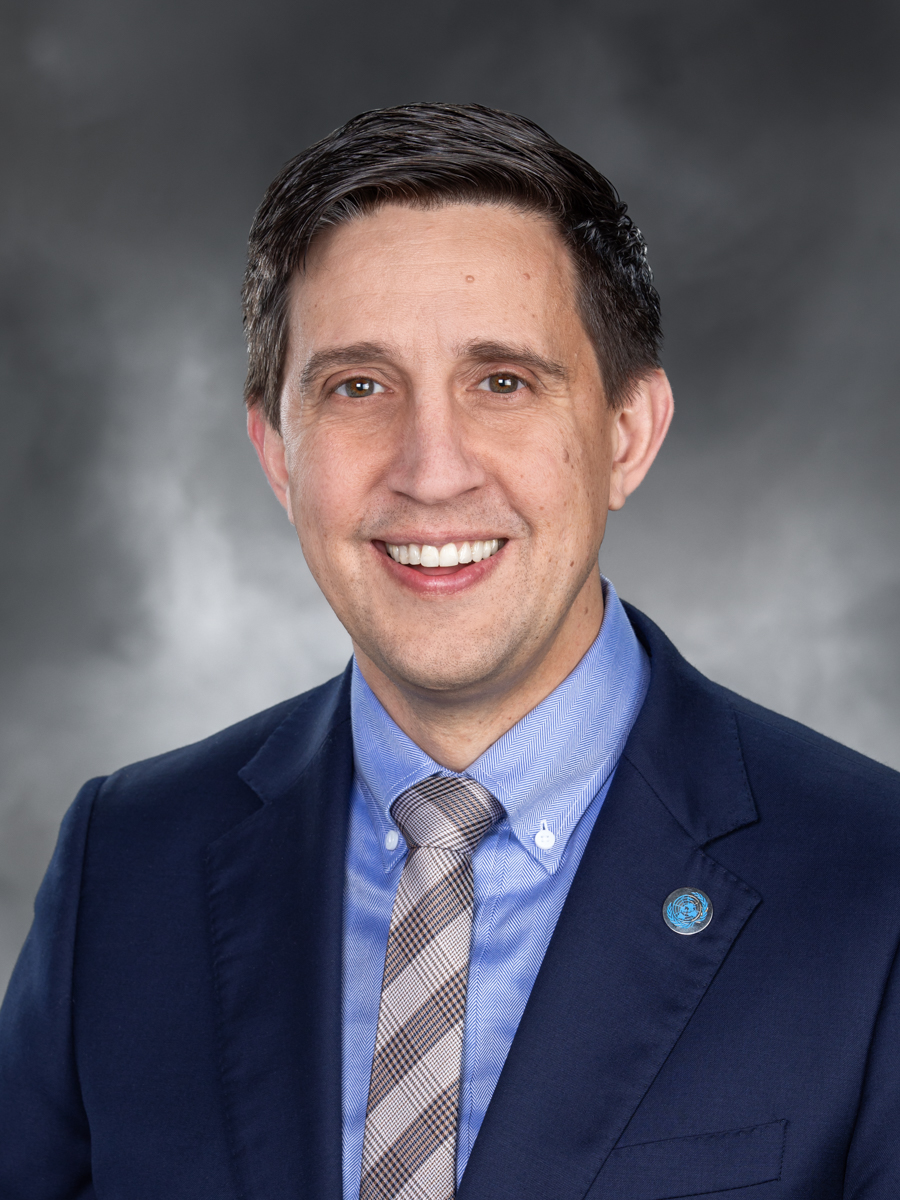
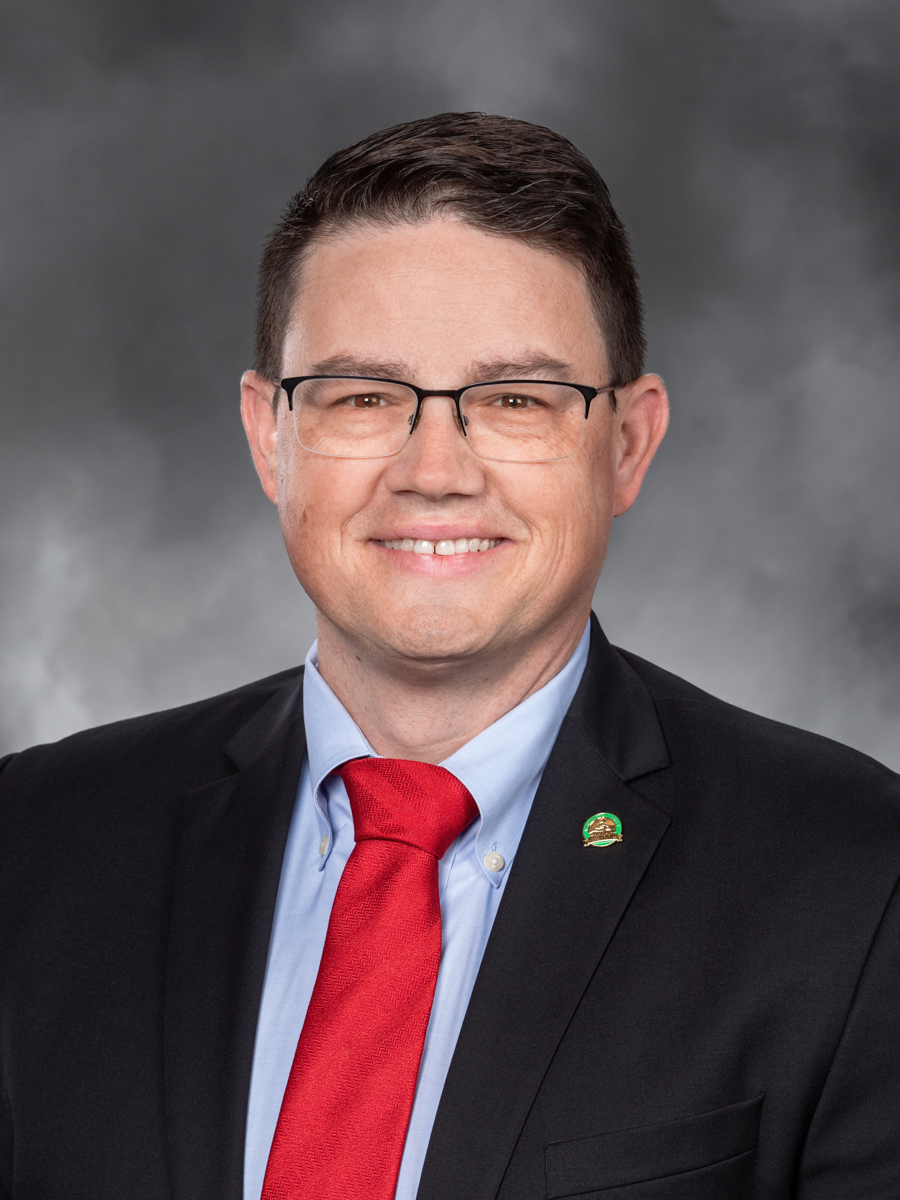
Adam Bernbaum
Adam Bernbaum House · District 24
D
Strong +
100% 8
Alex Ramel
Alex Ramel House · District 40
D
Strong +
100% 8
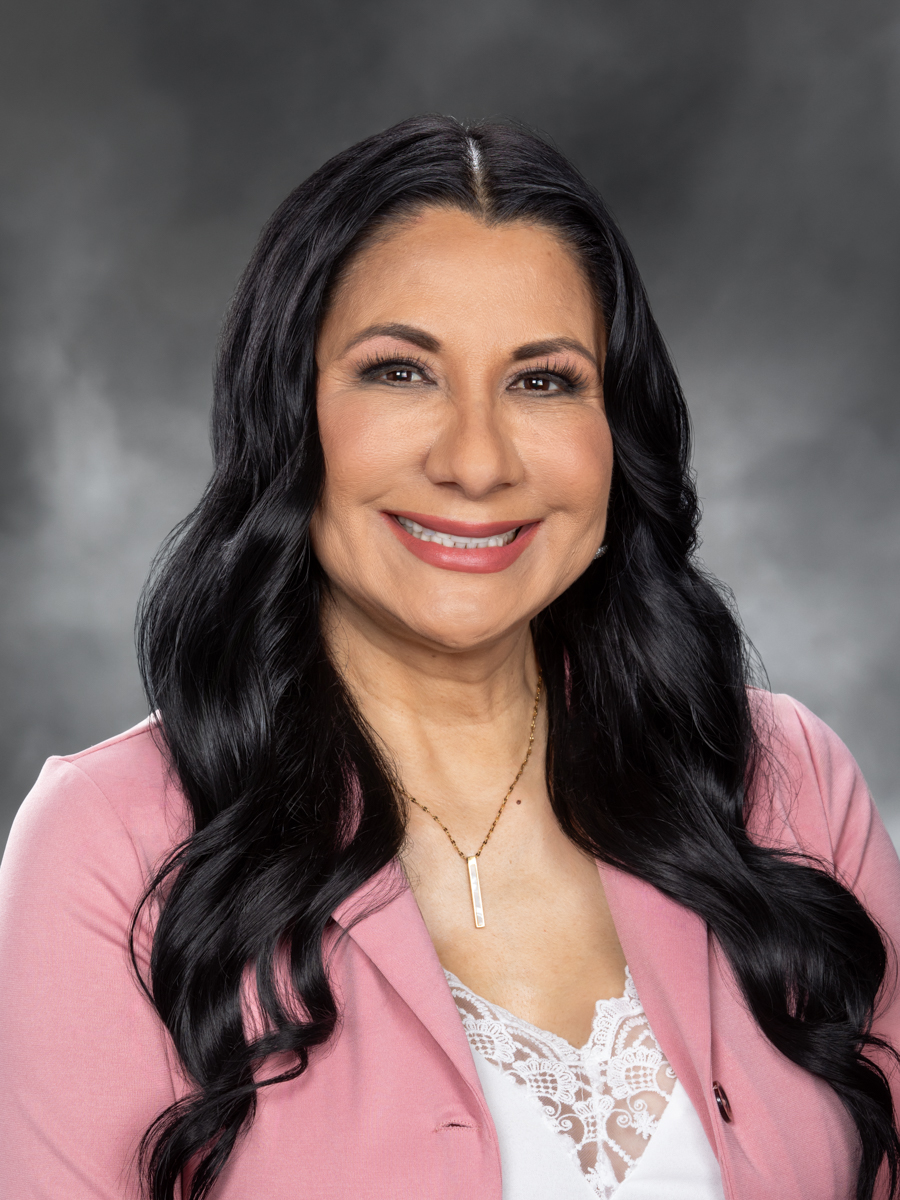
Alicia Rule
Alicia Rule House · District 42
D
Strong +
100% 8
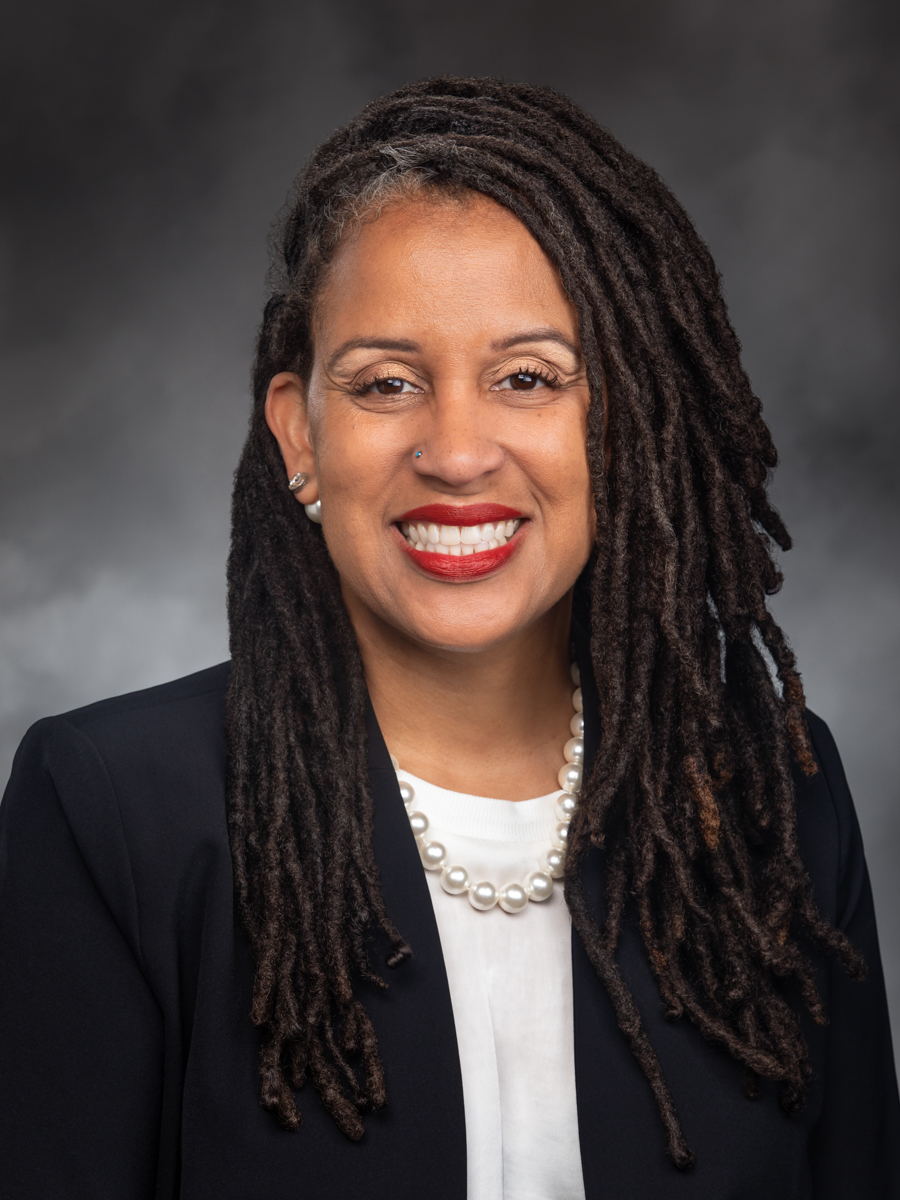
April Berg
April Berg House · District 44
D
Strong +
100% 8
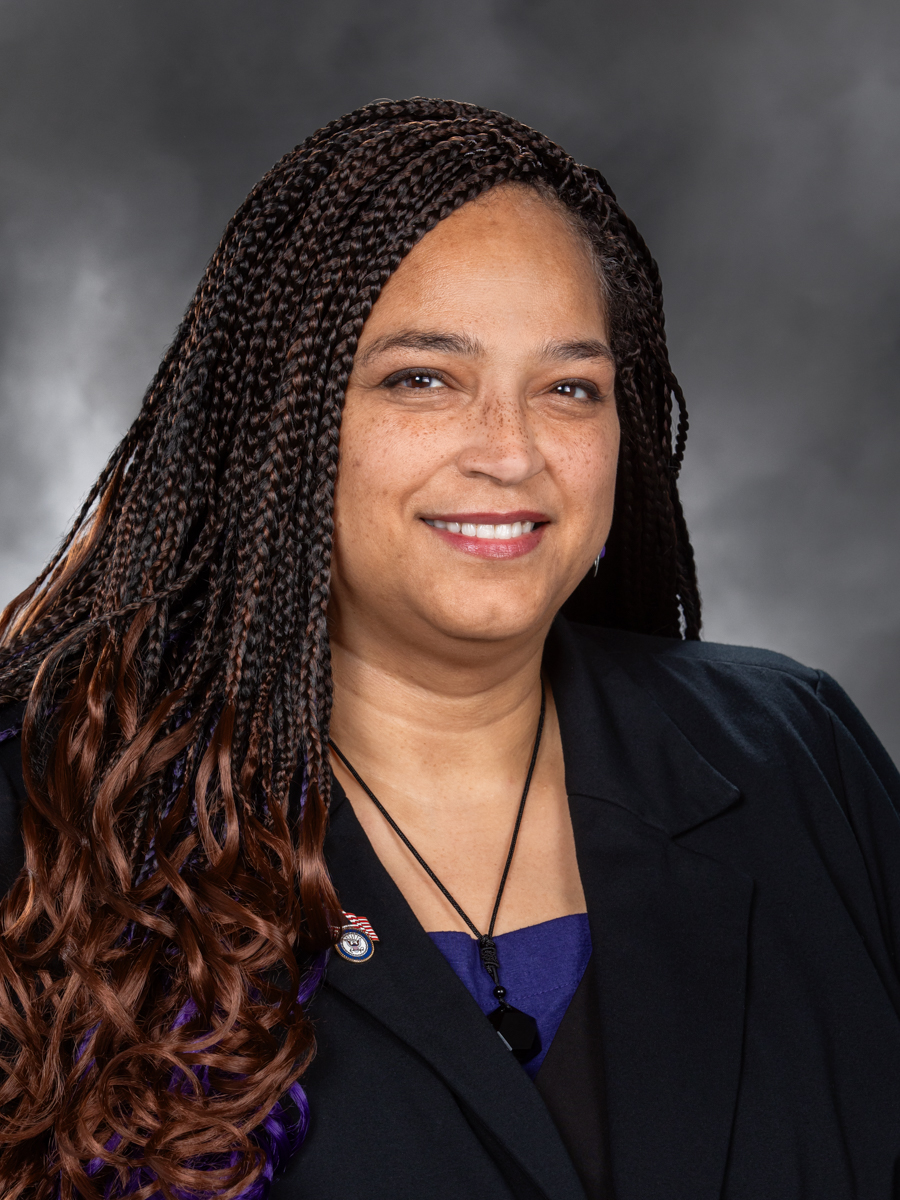
Brandy Donaghy
Brandy Donaghy House · District 44
D
Strong +
100% 8
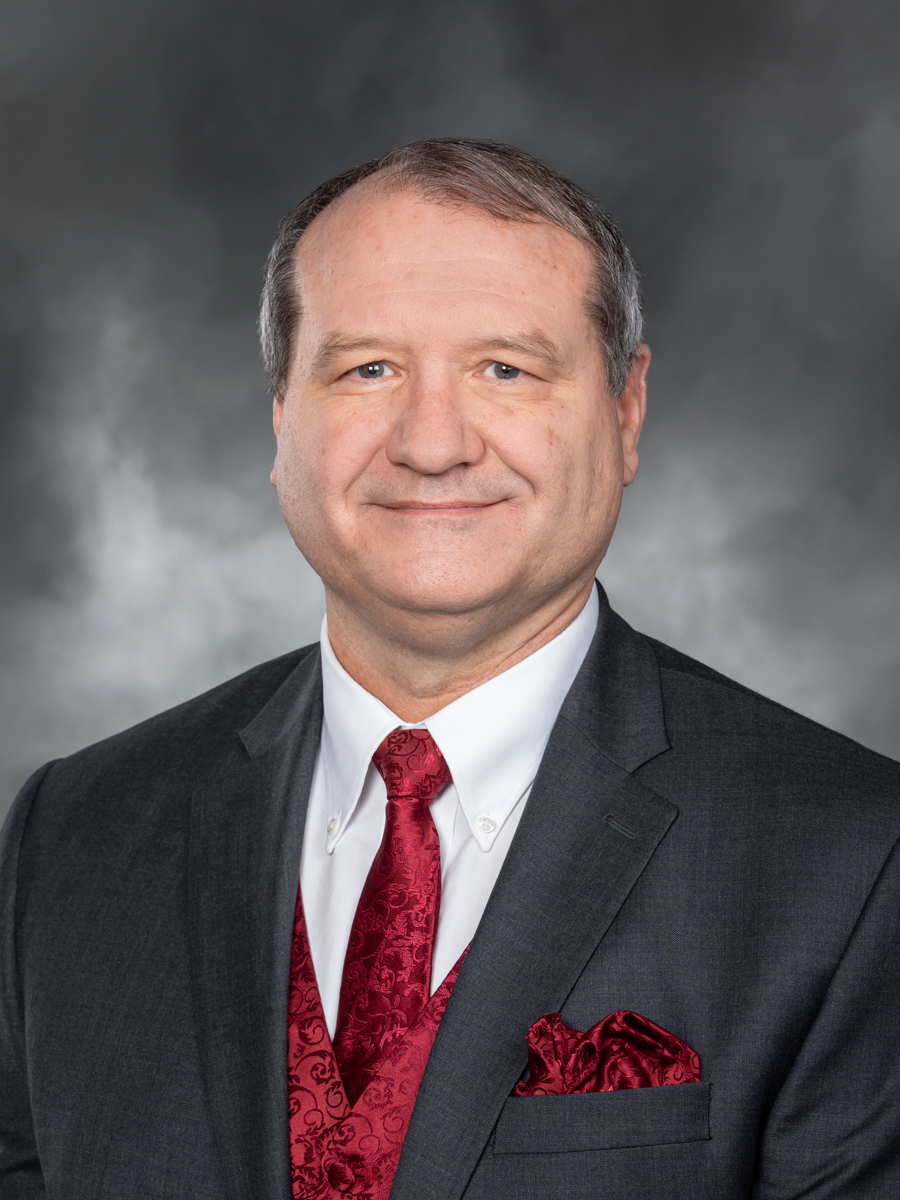
Leonard Christian
Leonard Christian Senate · District 4
R
Strong −
0% 7
Gloria Mendoza
Gloria Mendoza House · District 14
R
Strong −
0% 6
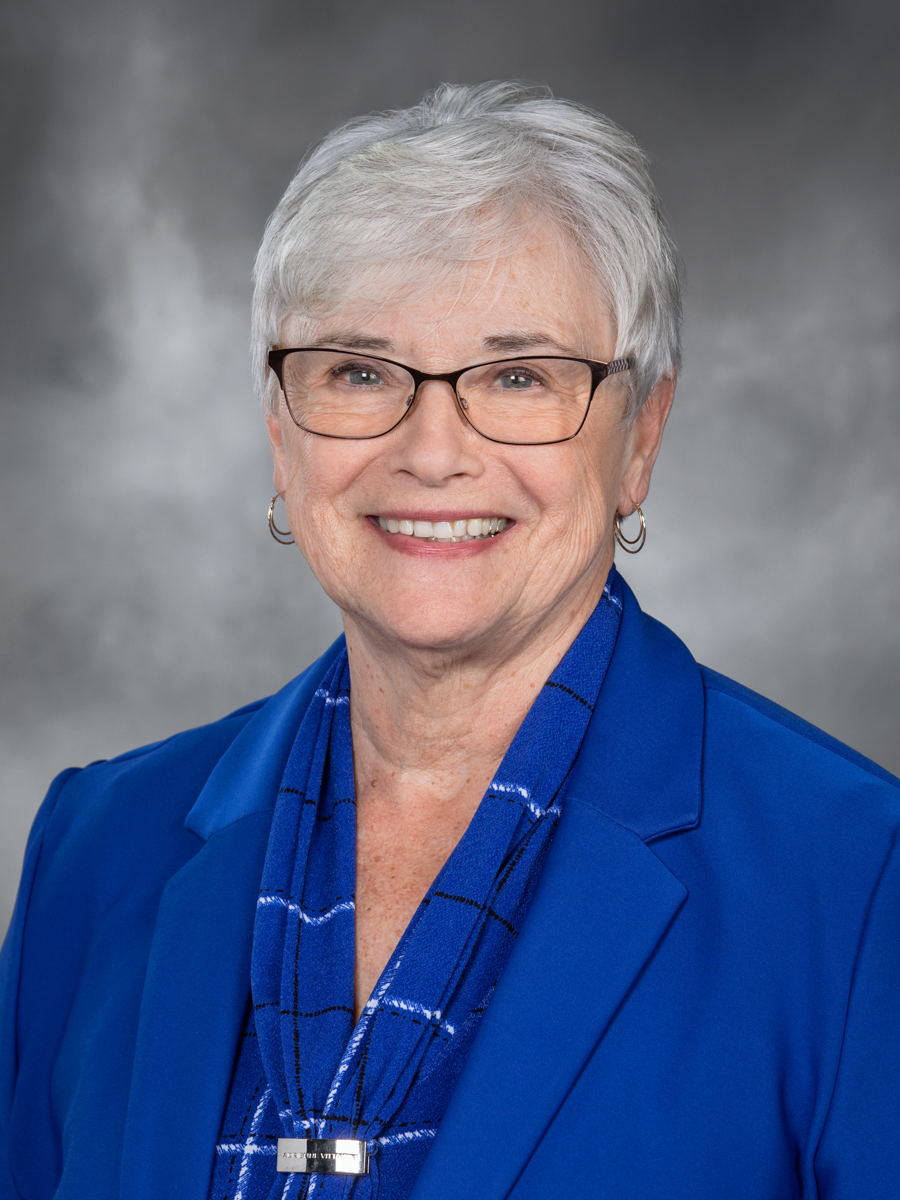
Carolyn Eslick
Carolyn Eslick House · District 39
R
Strong −
12% 8
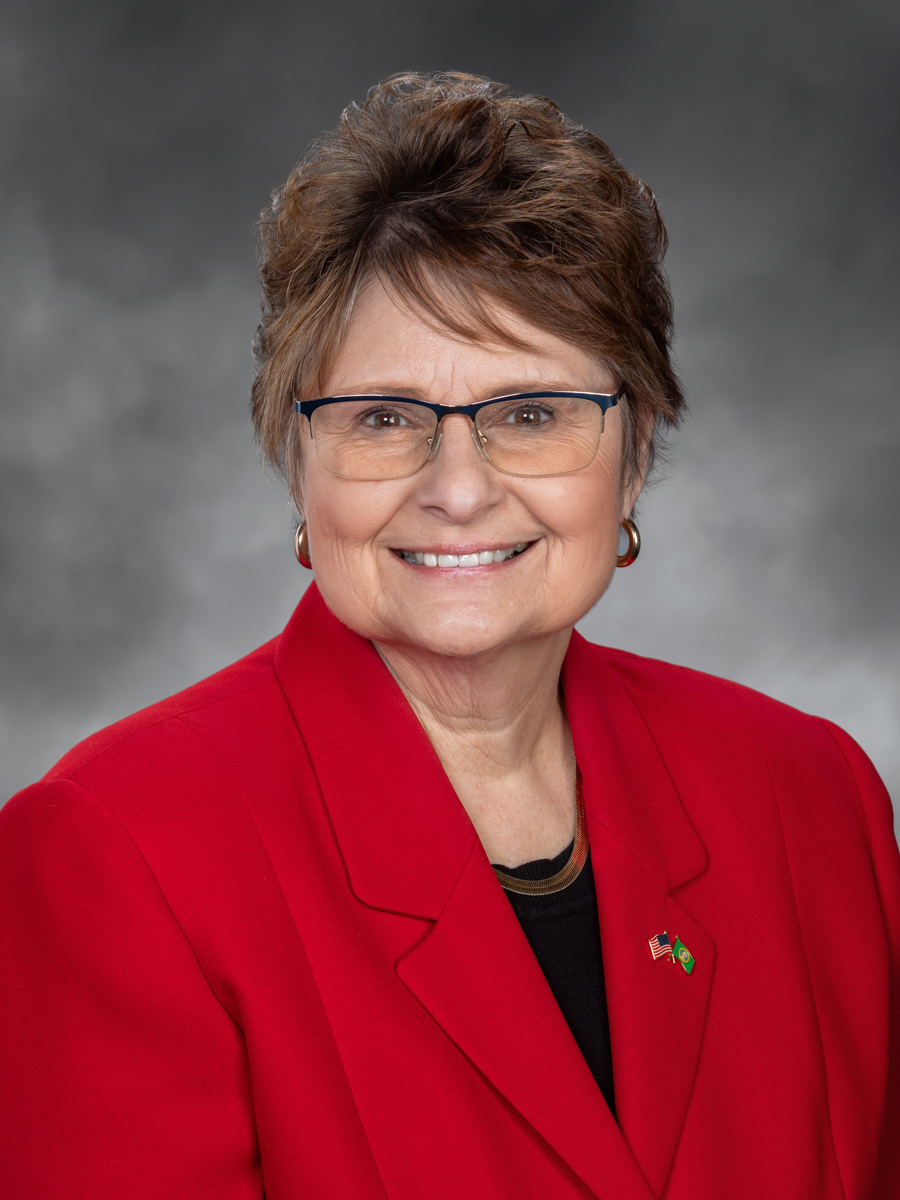
Chris Corry
Chris Corry House · District 15
R
Strong −
12% 8
Deb Manjarrez
Deb Manjarrez House · District 14
R
Strong −
12% 8
Showing 11–20 of 45 bills

All housing bills

in committee · Washington · Senate Feb 26, 2026

SB 6069: Encouraging permanent supportive housing, transitional housing, indoor emergency housing, and indoor emergency shelters.

SB 6069 requires Washington cities and counties to permit permanent supportive housing, transitional housing, indoor emergency shelters, and indoor emergency housing in any zoning area where hotels or residential development is allowed, without imposing extra restrictions beyond standard residential rules. It streamlines permitting by requiring local governments to apply the same development standards (like setbacks and environmental reviews) to these housing types as other lodging, while allowing minor community notification requirements for shelters (e.g., 500-foot notice and one meeting). The bill aims to increase housing supply for people experiencing homelessness by removing regulatory barriers, but does not override restrictions on building in natural hazard zones, agricultural land, or critical areas. It directly affects local zoning decisions and housing providers seeking to expand these services in urban growth areas.
signed · Washington · House Mar 9, 2026

HB 2304: Increasing the supply of condominiums by expanding the types of condominium buildings that may be subject to an express warranty of quality and express warranty insurance coverage.

HB 2304 expands the types of condominium buildings eligible for an express warranty of quality and insurance coverage, directly affecting developers of small residential projects. The bill allows developers to opt out of standard implied quality guarantees (like structural defects) if they provide an express warranty covering defects for specific periods: 1 year for workmanship, 2 years for systems (plumbing/electrical), and 10 years for structural elements. This applies to new or converted buildings with 12 or fewer units, including accessory dwelling units and structures under four stories (with specific configurations like parking or commercial space). Purchasers and future owners gain recourse through this warranty, while developers avoid implied warranty liabilities when meeting the coverage requirements. The change aims to streamline development for smaller condo projects without altering core buyer protections.
in committee · Washington · House Jan 28, 2026

HB 2702: Increasing the short plat threshold.

HB 2702 increases the threshold for "short subdivisions" in urban growth areas from 9 to 30 lots, allowing developers to bypass full subdivision review for projects creating up to 30 lots if the average lot size meets local minimum requirements. This directly affects property developers seeking to subdivide land in urban growth areas and local governments managing land use regulations. The bill amends Washington’s subdivision laws to simplify approval processes for smaller-scale developments, while maintaining the existing 4-lot limit outside urban growth areas. Key provisions require that average lot sizes comply with local minimums to qualify for the streamlined process.
in committee · Washington · House Feb 19, 2026

HB 2157: Regulating high-risk artificial intelligence system development, deployment, and use.

Washington State's HB 2157 regulates high-risk artificial intelligence systems that make consequential decisions affecting major life areas like housing, employment, healthcare, loans, and education. It applies to developers (with over $100,000 annual revenue) and deployers operating in Washington who use AI systems for these decisions. The law prohibits algorithmic discrimination - unlawful bias based on protected characteristics - and requires systems to be designed and tested to prevent such outcomes, while excluding research activities and certain facial recognition uses.
in committee · Washington · House Jan 14, 2026

HB 2201: Standardizing city and county planning and development regulations with an urban growth area.

HB 2201 requires Washington counties to designate specific "urban growth areas" where development is encouraged, directly affecting cities, counties, and tribal nations coordinating on planning. It mandates counties to plan for projected population growth over 20 years within these areas, ensuring sufficient land for housing, businesses, and services while prioritizing development in existing urban zones first. The bill also establishes rules for resolving disputes between counties and cities over growth area boundaries and limits extending urban services to rural areas unless necessary for health, safety, or environmental protection. This update standardizes planning requirements across local governments under state law.
Sub-Topics Land Use Property Development Zoning Tags Rural Communities
in committee · Washington · Senate Jan 14, 2026

SB 5885: Expanding opportunities for affordable housing developments on properties owned by religious organizations.

SB 5885 would allow Washington cities to grant increased density bonuses for affordable housing developments on properties owned by religious organizations. To qualify, at least 20% of units must be affordable to households earning 80% or less of the area median income for 50 years, with binding obligations ensuring affordability even if the property changes hands. Religious organizations would pay all development fees and must comply with federal fair housing laws prohibiting discrimination. Cities must create policies to implement this upon request from religious groups seeking such developments.
in committee · Washington · Senate Feb 3, 2026

SB 5633: Concerning the subdivision of land.

SB 5633 updates Washington's outdated land subdivision laws (originally enacted in 1969) by creating a new Chapter 58.17A RCW to replace 30+ existing sections. It streamlines the process by merging the obsolete "short plat" and "subdivision" procedures into one uniform system, requiring local governments to integrate subdivision reviews with Growth Management Act (GMA) and SEPA requirements. The bill directly affects cities, towns, and counties that approve land divisions, aiming to expedite approvals for housing projects while ensuring standards for public safety, infrastructure, and housing needs. Its key provision simplifies the subdivision approval process to address Washington’s housing supply crisis, as explicitly stated in the bill’s legislative findings.
in committee · Washington · House Jan 12, 2026

HB 1164: Expanding urban growth area boundaries for residential development.

HB 1164 requires Washington cities and counties to expand urban growth area (UGA) boundaries to include land adjacent to existing residential areas with access to urban services, enabling more residential development. Specifically, it mandates adding parcels sharing boundaries with residential land or located across roads from such areas, while allowing cities to maintain existing density and service connections. The bill excludes protected natural areas (like critical aquifers), agricultural lands, and designated resource zones from expansion. This policy aims to increase housing supply near existing infrastructure without raising local government costs, directly affecting land-use planning in participating municipalities.
in committee · Washington · House Jan 12, 2026

HB 1057: Promoting economic development by increasing support for local communities to access federal funds.

HB 1057 creates a state fund to help Washington communities secure federal economic development grants by providing matching dollars. It directly affects local governments, rural areas, tribes, nonprofits, and businesses seeking federal funds for projects like broadband, housing, infrastructure, and workforce training. Key mechanisms include establishing scoring criteria prioritizing rural counties and job creation, setting grant tiers (up to 100% matching for most entities), and requiring the state to provide a template letter supporting federal applications. The bill mandates annual reporting on fund usage and expands online resources to track available federal opportunities.
in committee · Washington · House Jan 12, 2026

HB 1732: Preserving homeownership options by limiting excessive home buying by certain entities.

HB 1732 limits large investment and business entities from purchasing additional single-family homes in Washington to increase housing affordability for residents. It prohibits entities owning more than 25 single-family homes (business entities) or any investment entity (like real estate trusts managing pooled investor funds) from buying more homes, with exemptions for nonprofits, necessary renovations, or short-term development projects. Violators face civil penalties up to $100,000 per violation and must sell the property to a third party within one year. The law aims to address Washington’s housing crisis, where investor ownership has risen significantly while home prices have surged 55% since 2018. It adds these provisions as a new chapter in Washington’s consumer protection law (Title 19 RCW).
Showing 11 to 20 of 45 bills
Previous 1 2 3 5 Next