Issue · Housing

Housing (Renters)

Every housing bill, vote, and legislator stance in Washington, automatically classified by Maddy, our AI policy reader.

Total bills
35
2025-2026 Regular Session
Top supporter
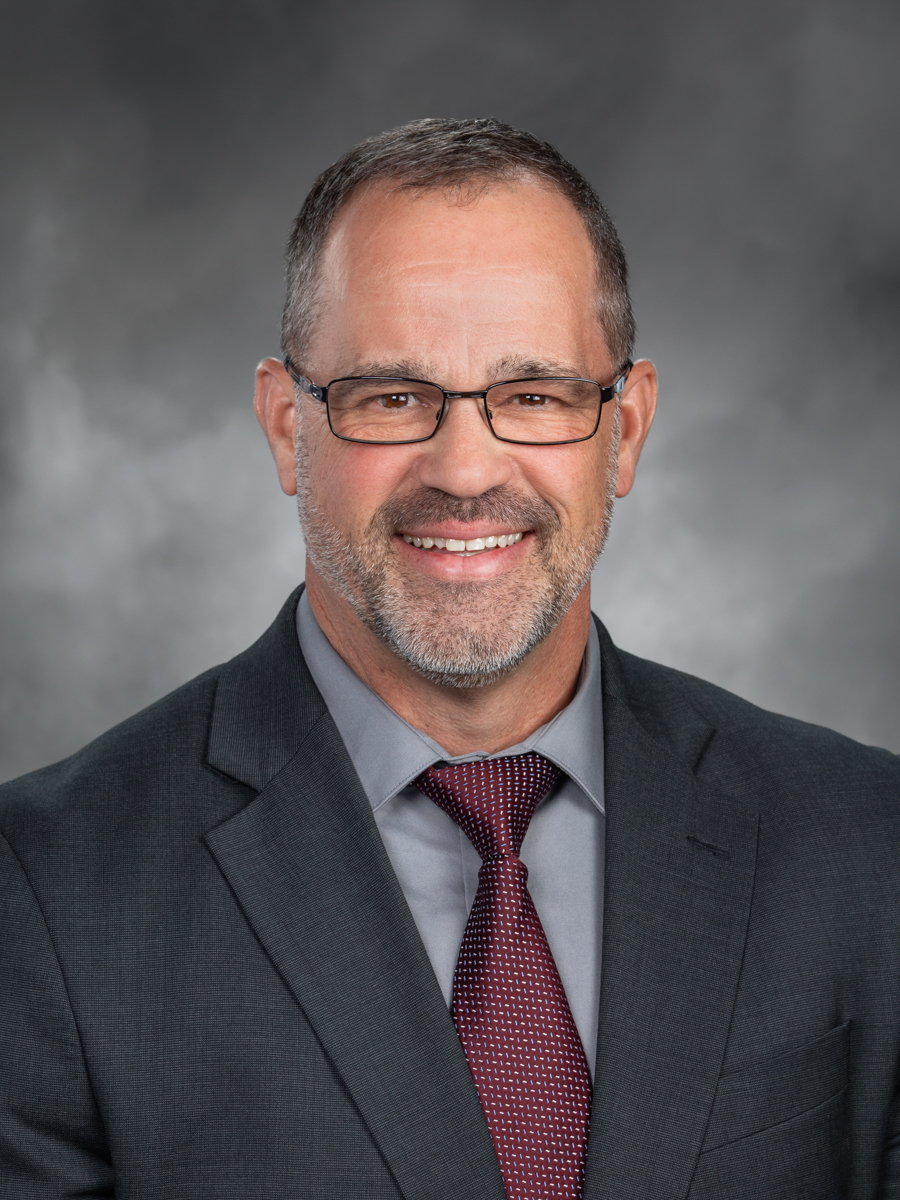
Jesse Salomon
100% support rate
Top opponent
Alex Ybarra
11% support rate
Ranked legislators
10
5 support · 5 oppose
Key legislators

Who's moving renters in Washington

Legislators moving renters in Washington
Legislator Party Stance Support rate Votes
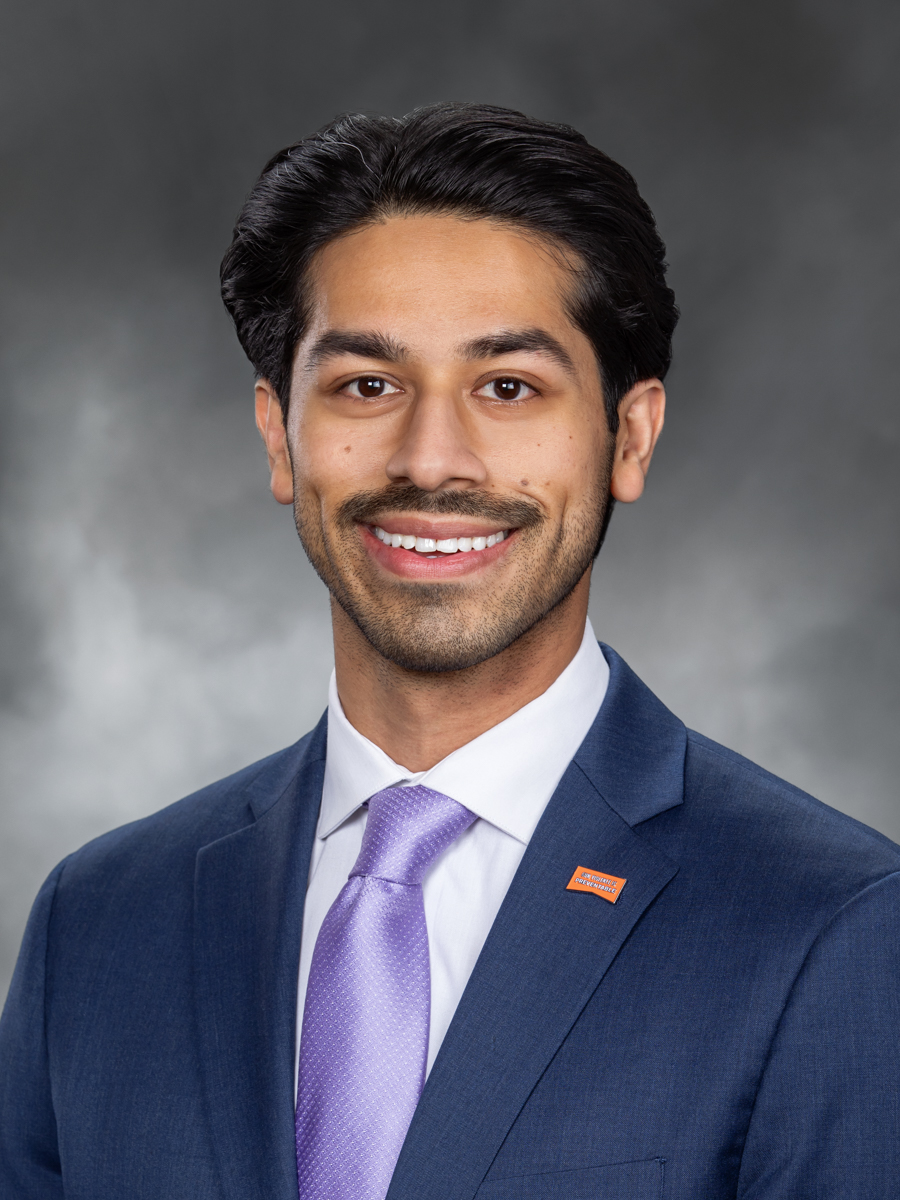
Jesse Salomon
Jesse Salomon Senate · District 32
D
Strong +
100% 11
Kristine Reeves
Kristine Reeves House · District 30
D
Strong +
100% 9
Larry Springer
Larry Springer House · District 45
D
Strong +
100% 9
Osman Salahuddin
Osman Salahuddin House · District 48
D
Strong +
100% 9
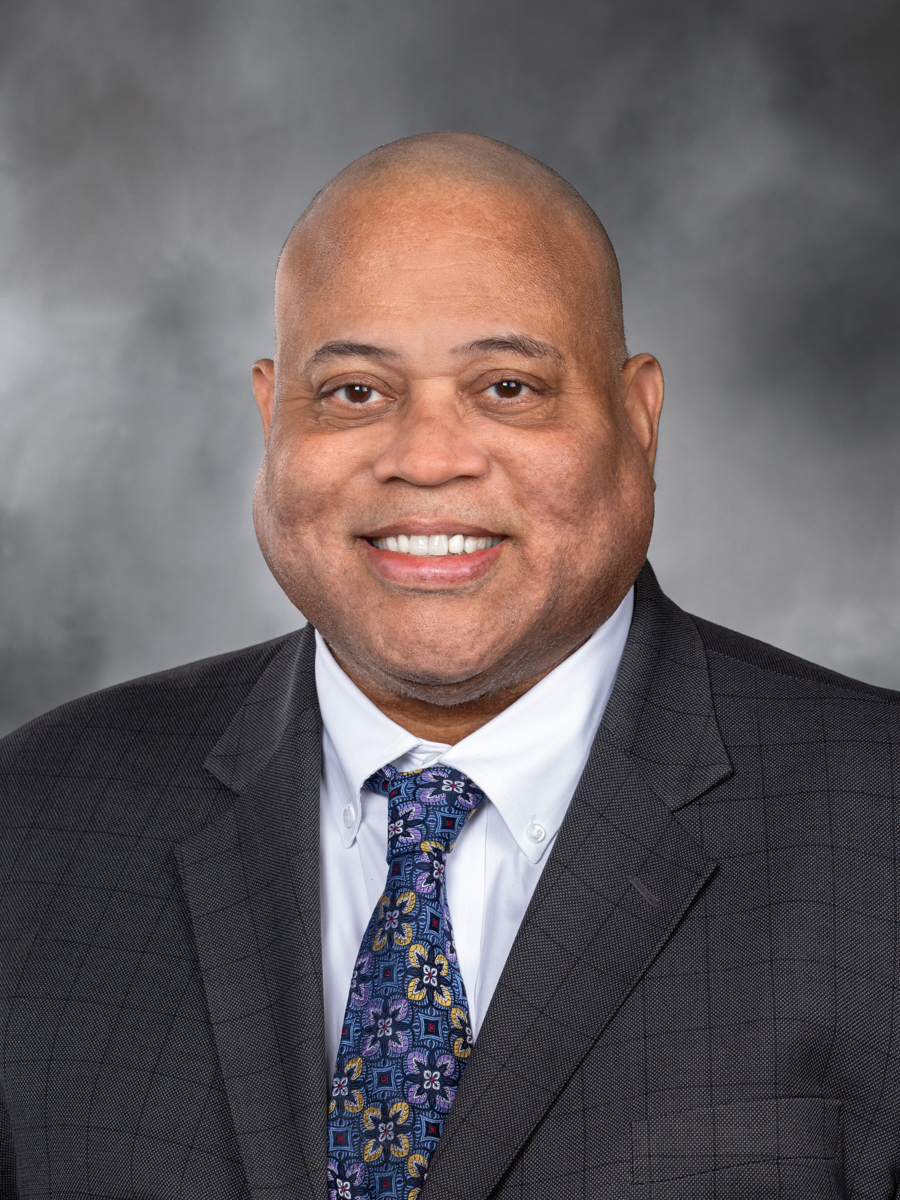
David Hackney
David Hackney House · District 11
D
Strong +
100% 6
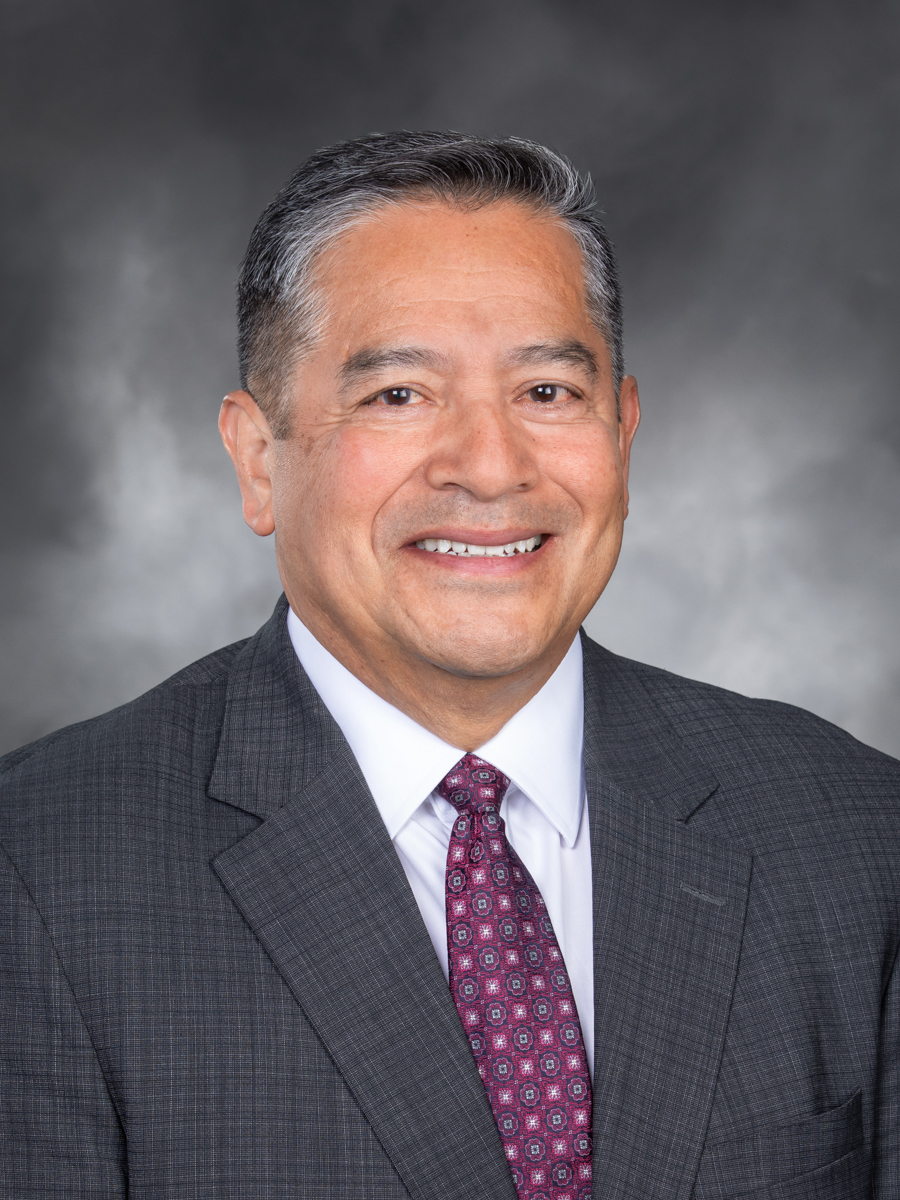
Alex Ybarra
Alex Ybarra House · District 13
R
Strong −
11% 9
Andrew Barkis
Andrew Barkis House · District 2
R
Strong −
11% 9
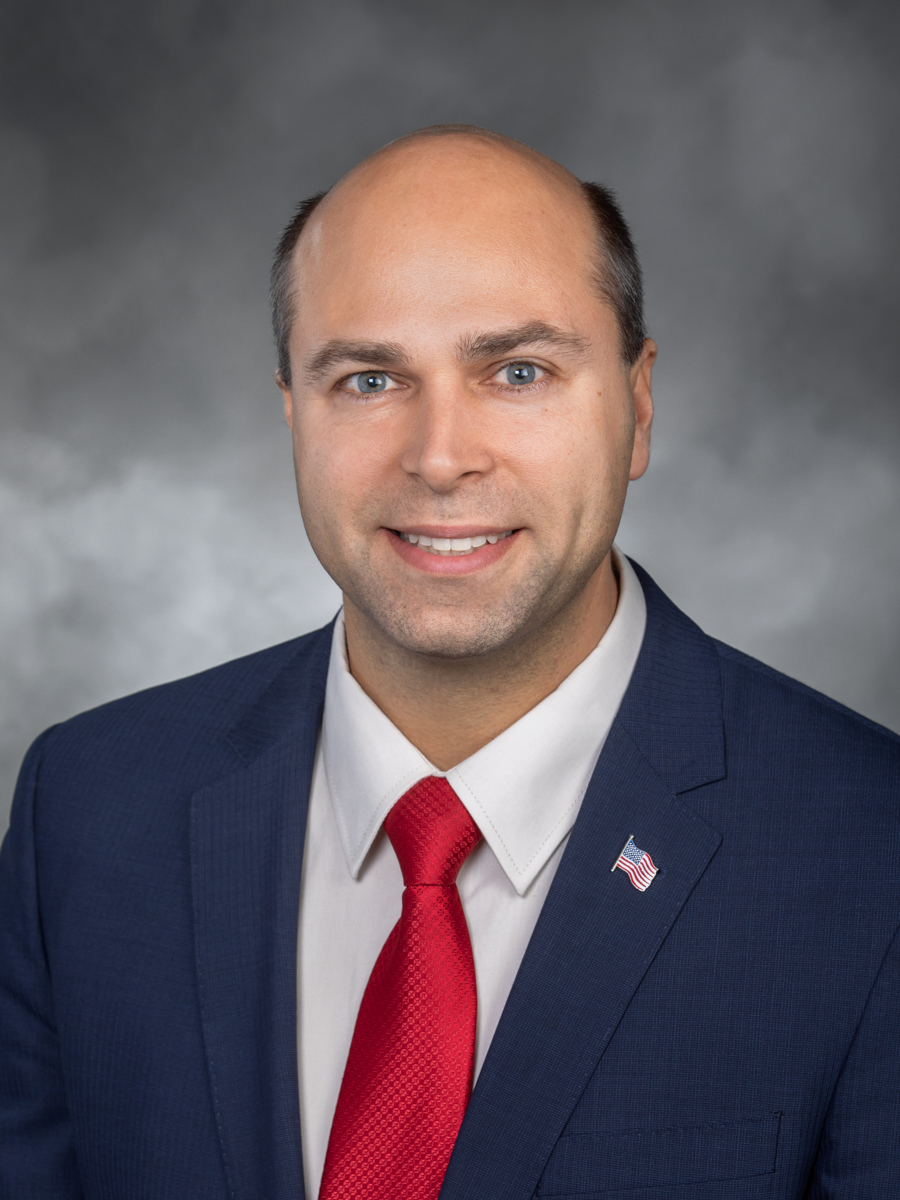
Andrew Engell
Andrew Engell House · District 7
R
Strong −
11% 9
April Connors
April Connors House · District 8
R
Strong −
11% 9
Brian Burnett
Brian Burnett House · District 12
R
Strong −
11% 9
Showing 1–10 of 35 bills

All housing bills

in committee · Washington · House Jan 28, 2026

HB 2699: Concerning landlord-tenant relations.

HB 2699 changes Washington's landlord-tenant laws by requiring landlords to provide 60 days' written notice before ending fixed-term leases without cause (for leases between 6-12 months). It also extends notice periods to 30 days for nonpayment evictions in federally subsidized housing or properties with federally backed mortgages. The bill affects landlords and tenants statewide, particularly those in federally assisted housing programs or properties with federal loans. Key mechanisms include stricter notice requirements for evictions, clearer definitions of "covered" properties, and new rules for lease terminations without cause. These changes aim to provide greater stability for tenants while clarifying landlord obligations under state law.
in committee · Washington · House Jan 28, 2026

HB 2455: Creating a housing assistance pilot program for youth enrolled in extended foster care.

HB 2455 creates a two-year housing assistance pilot program for up to 50 youth in Washington's extended foster care system who are homeless or at imminent risk of homelessness. The program provides rental assistance covering up to 24 months (until age 21), with participants paying no more than 30% of their income toward rent, based on local fair market rent. It requires the Department of Children, Youth, and Families to conduct transition planning for youth turning 21 and mandates a 2029 report detailing program outcomes, participant demographics, and costs by county. The bill directly affects youth aged 18-21 in extended foster care who face housing instability while navigating federal housing programs.
Sub-Topics Homelessness Renters
in committee · Washington · Senate Jan 12, 2026

SB 5986: Providing a property tax exemption for qualifying housing used as a residency by tenants meeting certain disability criteria.

SB 5986 would create a $50,000 property tax exemption per qualifying tenant for owners of single-family homes or multi-family residential properties. To qualify, tenants must receive Social Security disability payments or be veterans with a 40%+ VA disability rating, and have lived in the housing for at least nine months that year. Property owners must apply with the county assessor and pass at least 80% of the tax savings to tenants through reduced rent payments in the same year. The exemption applies only to properties where the tax savings directly lower tenant costs, not to the property owner’s overall tax burden.
Sub-Topics Property Tax Tax Incentives Property Taxes Renters Tenant Rights Tags People with Disabilities
in committee · Washington · House Jan 19, 2026

HB 2265: Protecting tenants from periods of extreme heat.

HB 2265 requires landlords in Washington state to allow tenants to install portable air conditioners or evaporative coolers (like window units or floor models) without restriction, unless specific safety or structural concerns apply. Landlords may only prohibit such devices if installation violates building codes, damages property, exceeds electrical capacity, or conflicts with window egress requirements - prioritizing tenants with disabilities requiring cooling. The bill mandates landlords provide written lease notices detailing tenant rights and restrictions, and shields landlords from liability for tenant-installed device issues. This directly affects all residential tenants in Washington, particularly those in buildings without permanent AC during extreme heat events.
Sub-Topics Renters Tenant Rights
in committee · Washington · Senate Jan 23, 2026

SJR 8209: Concerning property tax relief.

SJR 8209 proposes a constitutional amendment to create two property tax relief mechanisms in Washington State: a homestead exemption for primary homeowners (limiting state property taxes on their residence to a fixed dollar amount) and a renter's credit refunding part of rent paid by qualifying tenants. Both provisions require future legislation to set specific dollar amounts, with the renter's credit capped at the same maximum as the homeowner exemption. The amendment would need voter approval to take effect, as it modifies the state constitution, and would not shift tax burdens to other property types or increase overall tax rates.
in committee · Washington · Senate Jan 30, 2026

SB 6139: Concerning partial rental payments and rental payment methods of an unlawful detainer action or issuance of a writ of restitution.

SB 6139 requires landlords to accept checks (except for tenants with recent bounced checks) and provide receipts for cash or non-cash payments. It clarifies that partial rent payments made during an eviction case do not restart a lease, stop eviction proceedings, or change the five-day deadline for full payment. The bill directly affects tenants facing eviction and landlords handling rental payments in court disputes. Tenants must still pay the full rent amount by the court deadline to avoid eviction, regardless of partial payments.
in committee · Washington · House Feb 3, 2026

HB 2559: Providing a local government option for the funding of essential affordable housing programs.

HB 2559 allows Washington counties, cities, and towns to impose a local 4% tax on short-term rental lodging (like Airbnb stays) to fund affordable housing programs. The tax revenue must go to a dedicated state account and can be used for acquiring, rehabilitating, or constructing affordable housing, rental assistance, or related support services like job training. Local governments must report annually on how funds are spent and cannot implement the tax before April 2027. This bill directly affects short-term rental operators (who pay the tax) and local governments (which can choose to adopt the tax and manage housing funds).
signed · Washington · House Mar 20, 2026

HB 2452: Modifying requirements for service of rent increase notices.

HB 2452 requires landlords in manufactured and mobile home communities to provide tenants with a standardized notice for rent increases, detailing the exact percentage and dollar amount of the increase. The notice must also explain if the increase exceeds Washington’s 5% annual limit and include supporting documentation for any claimed exemptions (such as community purchases or public housing programs). This applies specifically to tenants in manufactured/mobile home communities, not all rental properties. The bill amends existing laws to ensure transparency and compliance with rent increase rules.
Sub-Topics Renters Tenant Rights
in committee · Washington · Senate Feb 6, 2026

SB 5940: Creating a housing assistance pilot program for youth enrolled in extended foster care.

SB 5940 creates a two-year housing assistance pilot program (2027-2029) for up to 50 youth aged 18-21 enrolled in Washington’s extended foster care program who are experiencing homelessness or at imminent risk of it. The program provides rental assistance based on local fair market rent, requiring youth to pay no more than 30-40% of their income toward housing while remaining in foster care - allowing them to access federal housing benefits after age 21 without losing foster care support. It mandates transition planning for youth nearing age 21, including referrals to housing, employment, and other support services. The program will be evaluated through a 2029 report tracking participation, costs, demographics, and outcomes.
Sub-Topics Homelessness Renters
in committee · Washington · House Jan 12, 2026

HB 1429: Creating a housing assistance program for youth enrolled in extended foster care.

HB 1429 creates a state-funded housing assistance program for youth in Washington's extended foster care system (ages 18-21) who are homeless or at risk of homelessness. The program provides up to 36 months of rental assistance, capping housing costs at 30% of a youth's income (up to 40% if rent exceeds fair market rent in their area), while allowing them to retain extended foster care support. It requires the state department to partner with qualified housing providers and conduct annual housing status checks. Additionally, the bill mandates transition planning three months before a youth turns 21, including referrals to housing vouchers, benefits, and services to support long-term stability. This addresses a gap where youth often lose foster care support when accessing federal housing programs.
Sub-Topics Homelessness Renters
Showing 1 to 10 of 35 bills
1 2 3 4 Next