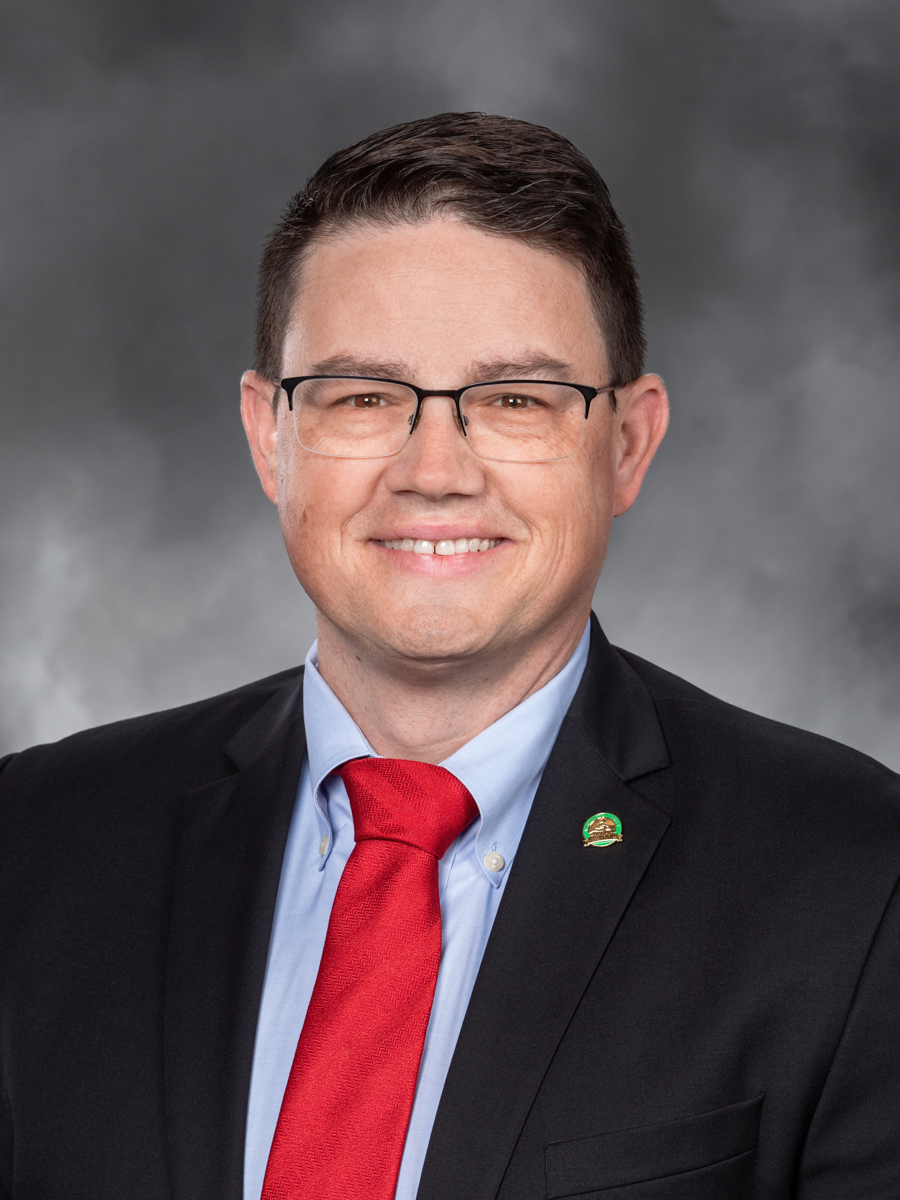
Senate Joint Memorial 8006 petitions the Washington State Supreme Court to reinstate and expand its Limited License Legal Technician (LLLT) program. The memorial asks the Court to reverse its 2020 decision to end the program, citing a current shortage of attorneys and a need for legal services among low and moderate-income Washingtonians. It specifically requests the expansion of LLLT services within one year to include administrative law, eviction, and debt assistance. Additionally, the memorial asks for a work group to be formed to explore how LLLTs could help individuals charged with offenses in courts of limited jurisdiction. The aim is to increase access to legal representation for those facing legal challenges.
HB 2269 allows counties to permit "middle housing" (like duplexes or small apartment buildings) on properties currently zoned for single-family homes in two specific areas: limited intensive rural development zones and designated urban growth areas. It requires counties to limit these projects to four units per lot and apply the same development standards (like setbacks and environmental rules) as single-family homes, without adding extra restrictions. The bill also mandates that middle housing in rural areas use public sewers or large on-site systems, while urban areas must have public water and sewer service. This policy directly affects property owners and developers in unincorporated Washington counties seeking to build more housing options.
HB 2228 requires Washington's state building code council to form a technical advisory group to recommend changes allowing "scissor stairs" (interlocking stairways with separate exits) in multi-unit residential buildings with more than two permanent dwelling units. The group must consider public safety, health, and construction costs in its recommendations, which must be ready for the 2027 building code update. This bill directly affects builders and developers of apartment-style housing, aiming to potentially simplify stairwell designs in such buildings. The advisory process expires on January 1, 2031, with no immediate code changes enacted.
HB 2304 expands the types of condominium buildings eligible for an express warranty of quality and insurance coverage, directly affecting developers of small residential projects. The bill allows developers to opt out of standard implied quality guarantees (like structural defects) if they provide an express warranty covering defects for specific periods: 1 year for workmanship, 2 years for systems (plumbing/electrical), and 10 years for structural elements. This applies to new or converted buildings with 12 or fewer units, including accessory dwelling units and structures under four stories (with specific configurations like parking or commercial space). Purchasers and future owners gain recourse through this warranty, while developers avoid implied warranty liabilities when meeting the coverage requirements. The change aims to streamline development for smaller condo projects without altering core buyer protections.
SB 5749 allows cities and code cities to designate "housing development opportunity zones" in underutilized areas with existing large commercial structures, such as shopping malls or vacant stores. Within these zones, residential development is prioritized, and projects are encouraged to use existing infrastructure and site areas to help reduce costs. Cities may also waive impact fees for developments in these zones, and designations can be implemented outside of typical planning cycles, provided they are included in the next comprehensive plan update. The bill mandates a review by 2043 to assess the number of housing and affordable housing units created, with a provision for potential repeal if affordable housing targets are not met, and the act is set to expire on July 1, 2045.
SB 5587 mandates that the Washington center for real estate research produce biennial reports, starting in 2026, analyzing existing housing units and needs across various income levels in each county. These reports will track each county's progress in addressing housing gaps and meeting emergency housing needs. The bill also amends the Public Works Board's criteria for financial assistance. It requires the board to prioritize public works projects that promote infill development or increase affordable housing in counties identified in these reports as having a gap between existing housing and housing needs.
Senate Bill 5471 authorizes counties to permit "middle housing" in specific unincorporated areas, including designated urban growth areas and certain limited rural development areas. This allows for up to four residential units on parcels typically zoned for single-family homes. Counties implementing this must ensure middle housing development standards are no more restrictive than those for single-family residences, while still allowing objective standards like setbacks to apply. All such housing must be served by appropriate water and sewer services, and county actions to implement these provisions are exempt from certain administrative and judicial appeals.
SB 5662 allows municipal utilities to waive connection charges for properties developed by certain non-profit organizations, public authorities, or local agencies that provide emergency shelter, transitional housing, permanent supportive housing, or affordable housing. Generally, these waivers must be funded by general funds, grants, or other identified revenue streams. However, in large counties east of the Cascade mountains, waivers can be granted without explicit funding if the developer records a covenant. This covenant restricts the property's use to the specified affordable housing purposes and requires repayment of the waived charges if the property's use changes or no longer meets eligibility requirements.
HB 1621 authorizes superior courts in Washington state to appoint housing court commissioners to manage unlawful detainer (eviction) cases for residential and manufactured/mobile home tenancies. These commissioners, who must be attorneys, are intended to address court delays stemming from a high volume of eviction filings, thereby affecting both landlords and tenants. The creation of these positions requires the prior consent of the county's legislative authority. The commissioners will receive specific training on landlord-tenant laws and eviction procedures, and their decisions remain subject to review by the superior court.
Senate Bill 5559 aims to streamline the process for dividing land into multiple parcels within urban growth areas in Washington State. The bill allows counties, cities, and towns to increase the maximum number of lots permitted in a "short subdivision" - a simplified land division process - from four to up to nine, provided these divisions are within an urban growth area and the local government passes an ordinance. This change primarily affects landowners and developers by potentially making it easier to subdivide property. Additionally, the bill updates definitions related to subdivisions and adjusts regulations regarding further division of short plats within a five-year period.