Issue · Environment

Environment (Forestry)

Every environment bill, vote, and legislator stance in Washington, automatically classified by Maddy, our AI policy reader.

Total bills
33
2025-2026 Regular Session
Top supporter
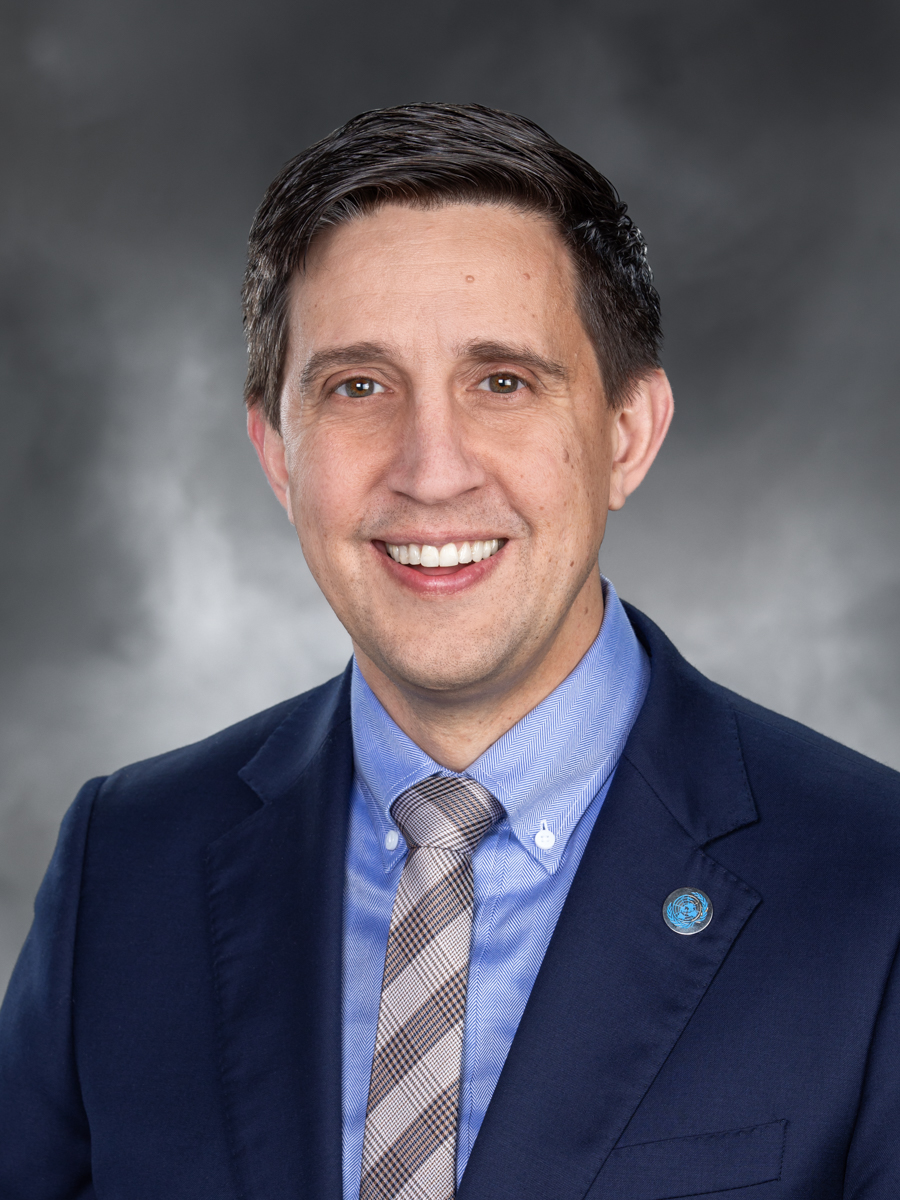
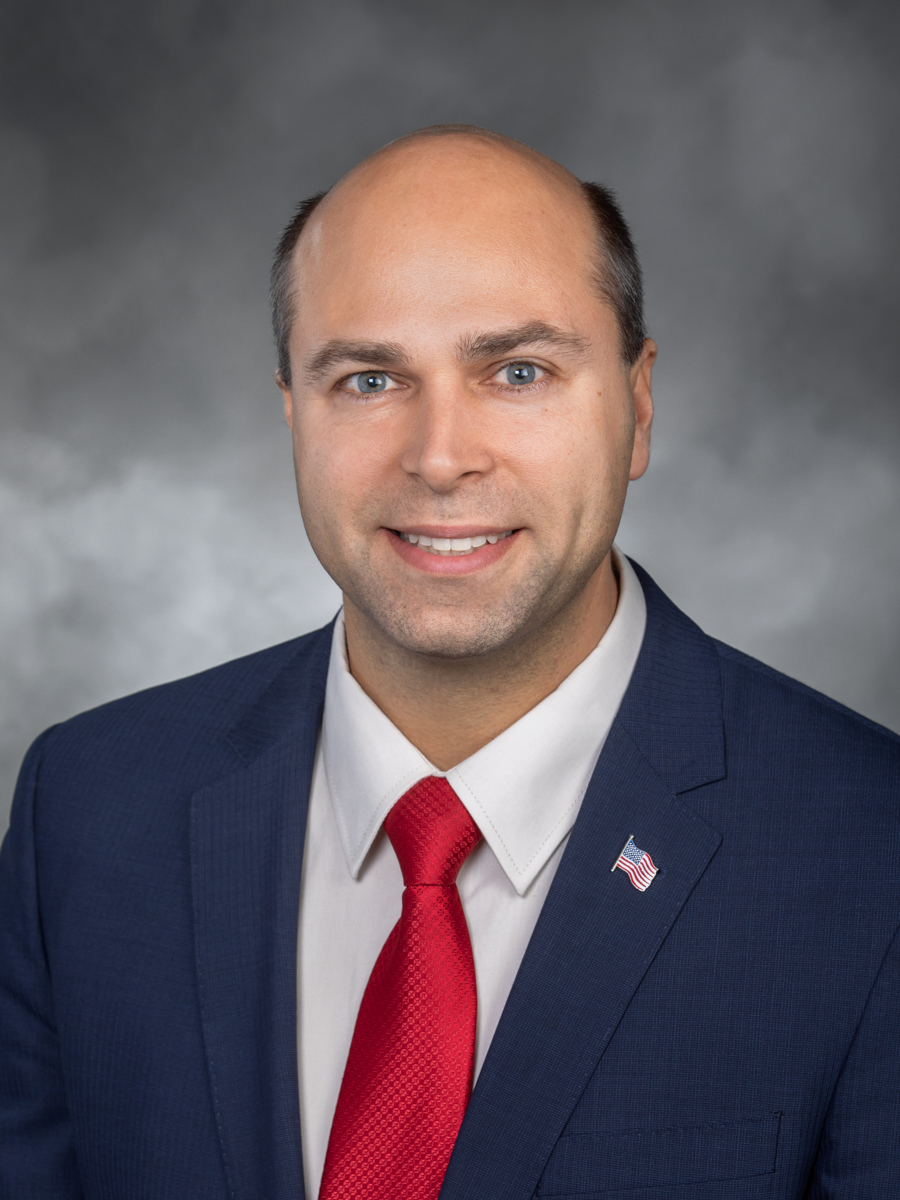
Adam Bernbaum
100% support rate
Top opponent
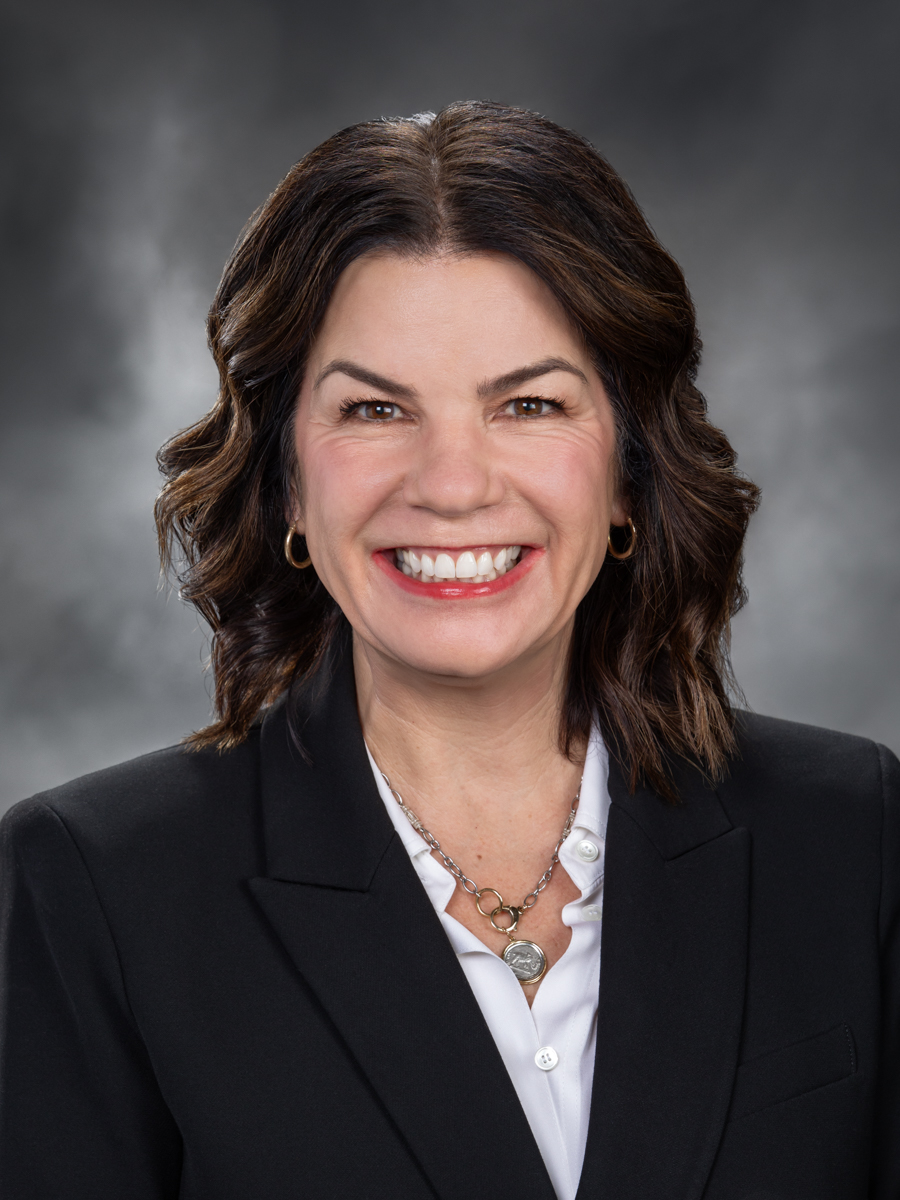
Alex Ybarra
0% support rate
Ranked legislators
10
5 support · 5 oppose
Key legislators

Who's moving forestry in Washington

Legislators moving forestry in Washington
Legislator Party Stance Support rate Votes
Adam Bernbaum
Adam Bernbaum House · District 24
D
Strong +
100% 3
Alex Ramel
Alex Ramel House · District 40
D
Strong +
100% 3
Amy Walen
Amy Walen House · District 48
D
Strong +
100% 3
Annette Cleveland
Annette Cleveland Senate · District 49
D
Strong +
100% 3
April Berg
April Berg House · District 44
D
Strong +
100% 3
Alex Ybarra
Alex Ybarra House · District 13
R
Strong −
0% 3
Alicia Rule
Alicia Rule House · District 42
D
Strong −
0% 3
Andrew Barkis
Andrew Barkis House · District 2
R
Strong −
0% 3
Andrew Engell
Andrew Engell House · District 7
R
Strong −
0% 3
April Connors
April Connors House · District 8
R
Strong −
0% 3
Showing 1–10 of 33 bills

All environment bills

passed · Washington · Senate Mar 12, 2026

SB 5928: Concerning wildfire risk models and score disclosure.

SB 5928 requires Washington insurers to disclose wildfire risk scores and key factors affecting them to homeowners for residential property insurance. Insurers must provide the current score, score range, model creator, date of evaluation, and actionable steps to improve scores - such as fire safety measures - within 15 days of coverage decisions or renewals. Homeowners can appeal inaccurate scores within 30 days, and insurers must offer actuarial discounts for verified property or community wildfire mitigation efforts. The bill aims to increase transparency in how insurers assess wildfire risk, directly affecting homeowners seeking or renewing home insurance policies.
Sub-Topics Forestry
passed · Washington · Senate Mar 12, 2026

SB 5919: Encouraging fire districts and insurance providers to develop voluntary incentives to promote best practices.

SB 5919 encourages fire districts and insurance companies to voluntarily create incentives for farmers in wildfire-prone unincorporated areas to adopt wildfire safety practices. The bill allows insurers to offer discounts or other benefits for specific actions like maintaining defensible space, properly storing equipment, installing water tanks, or heeding red flag warnings. These incentives would be optional for insurance providers to offer and for farmers to accept. The law aims to promote wildfire mitigation through collaboration, without mandating participation from either insurers or farmers.
Sub-Topics Forestry
passed · Washington · Senate Mar 12, 2026

SB 6079: Creating a wildfire mitigation grant program.

SB 6079 creates the "Strengthen Washington Homes" program, a grant initiative to help homeowners, contractors, nonprofits, and tribes reduce wildfire risks at their properties. The program provides financial grants for retrofitting or rebuilding homes to meet specific wildfire preparedness standards set by the Insurance Institute for Business & Home Safety. Grants are contingent on meeting these standards and obtaining required permits, and the bill also prohibits insurers from denying coverage based on wildfire risk for properties that achieve these designations. Funding will come from state appropriations and grants, with pilot projects planned to test equitable implementation before full rollout.
Sub-Topics Forestry
in committee · Washington · Senate Feb 2, 2026

SB 6279: Implementing the International Wildland Urban Interface Code.

SB 6279 requires Washington counties and cities to adopt the International Wildland Urban Interface Code (IWUIC) by November 1, 2029, for wildfire-prone areas identified in state hazard maps. It directly affects builders, property owners, and local governments in high-risk zones by mandating specific construction standards to reduce wildfire risks. Key provisions include requiring class A roof materials (resistant to fire embers), fire-resistant exterior walls using noncombustible or treated materials, and ember-proofing for decks and accessory structures. The bill amends existing building code laws to integrate these wildfire safety measures into state enforcement. This is a substantive policy change focused on fire-resistant construction, not a procedural or commemorative measure.
Sub-Topics Forestry
in committee · Washington · Senate Feb 2, 2026

SB 6242: Granting counties authority to enter into a shared stewardship agreement.

SB 6242 allows Washington counties to enter shared stewardship agreements with federal agencies like the U.S. Forest Service to manage forestlands near roads for wildfire prevention. Specifically, counties can create "fuel breaks" (clear areas to stop wildfires) on federal land up to one mile on either side of roads, including highways. The bill requires these agreements to include revenue sharing, ensuring counties retain proceeds from timber sales conducted under the agreement. This policy change amends existing law (RCW 36.75.040) to explicitly grant counties this authority and revenue rights.
Sub-Topics Forestry Public Lands
in committee · Washington · Senate Jan 15, 2026

SB 6157: Concerning wildfire prevention and creating the Washington wildfire prevention and protection council.

SB 6157 creates a Washington wildfire prevention and protection fund and a state council to oversee it. The fund, financed by one-time and annual contributions from participating electric utilities, will compensate victims of utility-caused wildfires (including tribal governments, homeowners, businesses, and local governments) and finance wildfire prevention projects like forest health work and home hardening. The Washington wildfire prevention and protection council - composed of 15 members from state agencies, tribes, utilities, and local governments - will set contribution amounts, manage fund operations, and prioritize mitigation efforts. This bill directly affects electric utilities (through required payments), wildfire victims, and communities seeking reduced fire risk through state-funded prevention.
Sub-Topics Forestry
in committee · Washington · House Jan 21, 2026

HB 2275: Concerning wildfire prevention and creating the Washington wildfire prevention and protection council.

HB 2275 establishes a Washington wildfire prevention and protection fund and council to address wildfire risks. The fund, financed by mandatory contributions from electric utilities, will compensate victims of utility-caused wildfires (referred to as "covered wildfires") and support forest health projects like hazardous fuel reduction and community hardening. The 15-member council - comprising state agencies, tribes, utilities, and local governments - will manage the fund, set mitigation priorities, and ensure accountability. This bill directly affects wildfire victims (including homeowners, tribes, and businesses), electric utilities, and state agencies responsible for wildfire response and prevention.
in committee · Washington · Senate Feb 26, 2026

SB 6016: Considering critical aquifer recharge areas when revising an urban growth area.

SB 6016 requires Washington counties and cities to consider critical aquifer recharge areas - zones where water replenishes underground sources - when updating urban growth boundaries. It amends land use planning rules to mandate that these areas be protected during revisions, prohibiting expansion of urban growth areas into agricultural, forest, or mineral lands. Cities with populations under 500 may qualify for simplified reviews if they meet specific growth criteria, but must still update critical areas regulations. The bill ensures new development plans align with water protection requirements during regular comprehensive plan updates.
Sub-Topics Forestry
in committee · Washington · House Jan 26, 2026

HB 2653: Granting counties authority to enter into a shared stewardship agreement.

HB 2653 grants Washington counties the authority to enter shared stewardship agreements with federal agencies like the U.S. Forest Service for managing forestlands near roads. The bill specifically allows counties to create "fuel breaks" (clearing vegetation to reduce wildfire risk) on federal land within one mile of roads, including highways. Crucially, it requires these agreements to include revenue sharing, ensuring counties retain proceeds from timber sales conducted in these managed areas. This directly affects counties that manage forestlands adjacent to roads, providing a new revenue stream to offset losses from reduced federal timber sales and support rural school funding.
Sub-Topics Forestry Public Lands
passed · Washington · Senate Mar 12, 2026

SJM 8015: Requesting Congress to ensure that federal wildfire response entities have the capacity to protect communities and infrastructure, limit impacts to natural resources and watersheds, and protect wildland firefighter health and safety.

Washington State's Senate Joint Memorial 8015 requests federal agencies to ensure wildfire response capacity by urging the Department of the Interior and Agriculture to: (1) fully staff the consolidated Wildland Fire Service by April 1, 2026, (2) delay further reorganization until national fire activity drops to a low level, and (3) avoid reducing firefighting capacity during consolidation. The memorial addresses concerns about federal staff reductions (5,000 at USFS, 7,500 at Interior) and uncertain impacts on wildfire response teams ahead of the 2026 fire season. It specifically aims to protect communities, infrastructure, natural resources, and firefighter safety through these federal actions. As a non-binding memorial, it seeks to influence federal policy rather than enact new law.
Showing 1 to 10 of 33 bills
1 2 3 4 Next