Issue · Environment

Environment

Every environment bill, vote, and legislator stance in Washington, automatically classified by Maddy, our AI policy reader.

Total bills
257
2025-2026 Regular Session
Top supporter
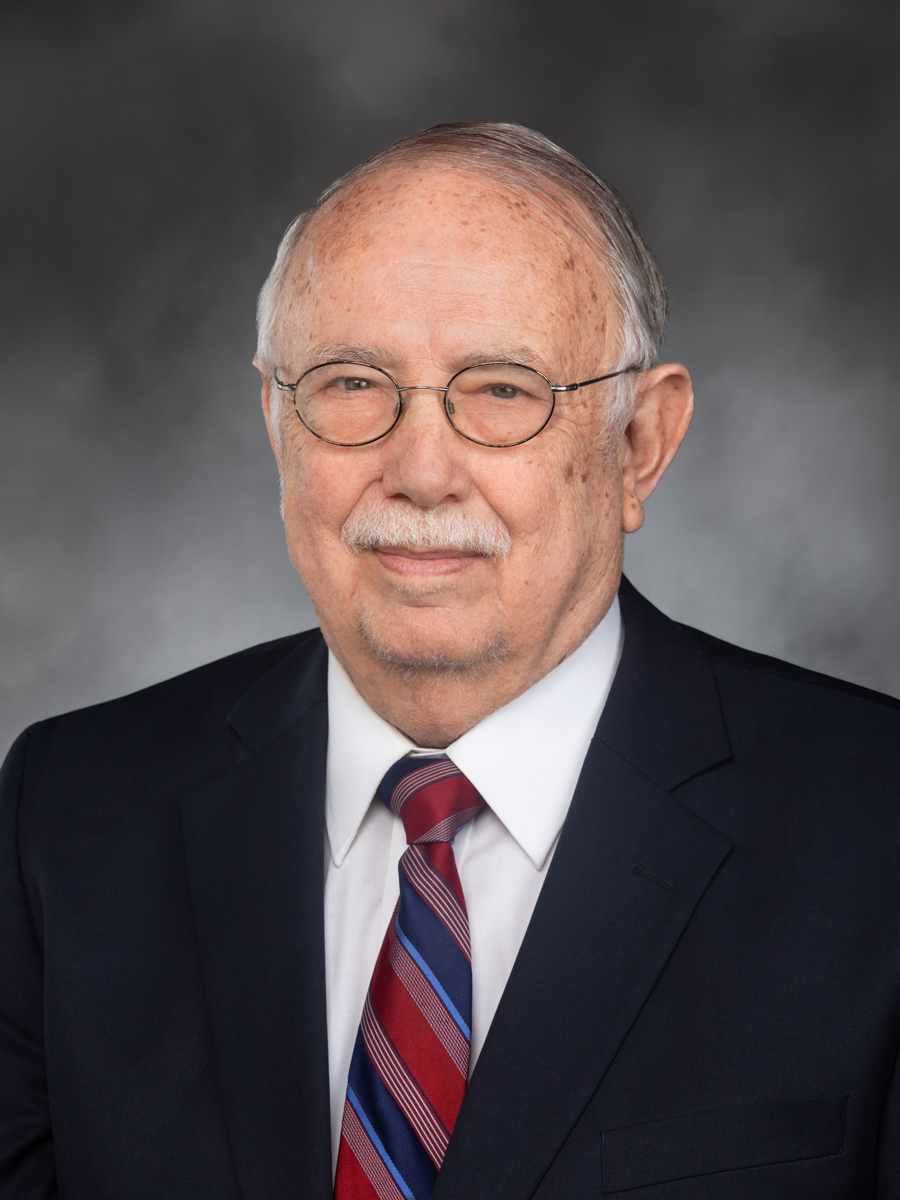
Zach Hall
90% support rate
Top opponent
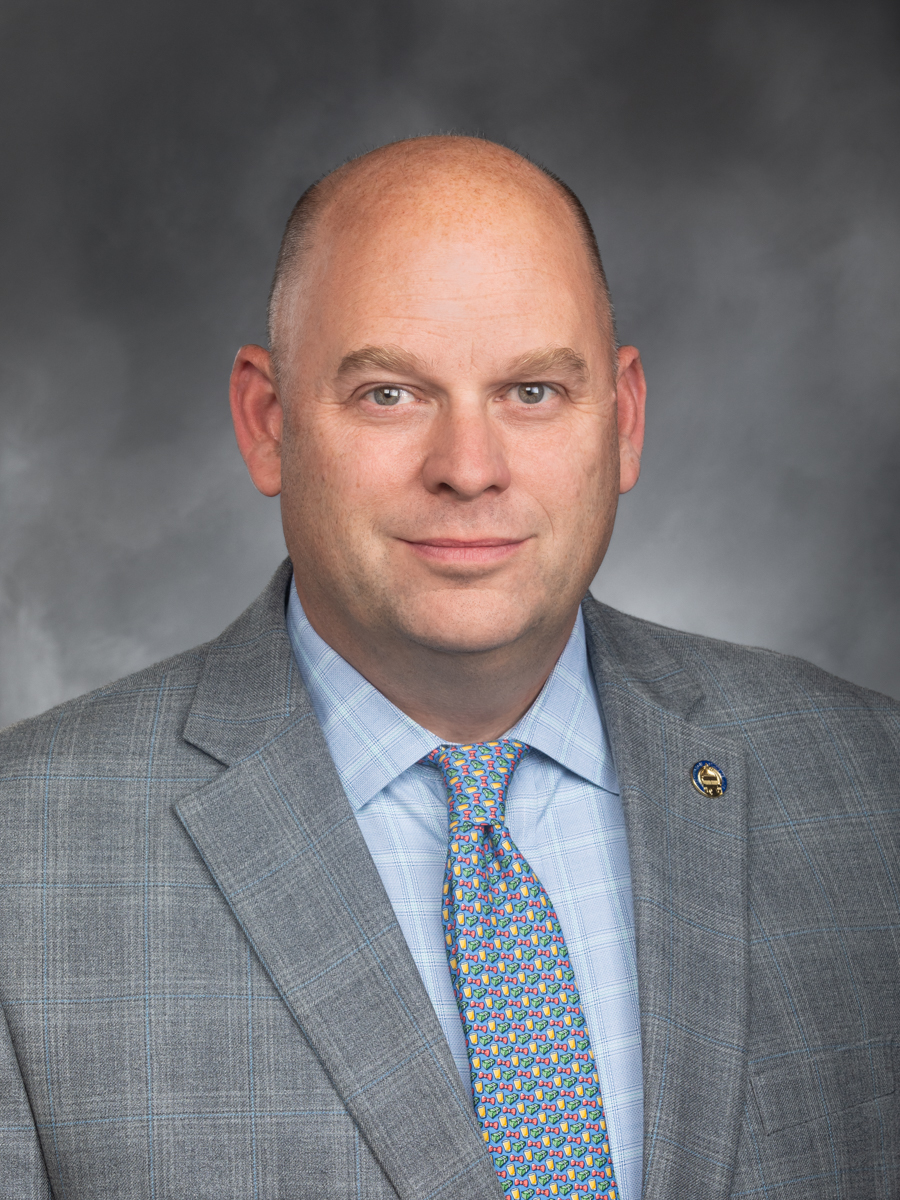
Jim McCune
15% support rate
Ranked legislators
10
5 support · 5 oppose
Key legislators

Who's moving environment in Washington

Legislators moving environment in Washington
Legislator Party Stance Support rate Votes
Zach Hall
Zach Hall House · District 5
D
Strong +
90% 46
Lisa Wellman
Lisa Wellman Senate · District 41
D
Strong +
88% 51
Drew Hansen
Drew Hansen Senate · District 23
D
Strong +
88% 51
Steve Conway
Steve Conway Senate · District 29
D
Strong +
88% 52
John Lovick
John Lovick Senate · District 44
D
Strong +
88% 52
Jim McCune
Jim McCune Senate · District 2
R
Strong −
15% 52
Drew MacEwen
Drew MacEwen Senate · District 35
R
Strong −
18% 52
Leonard Christian
Leonard Christian Senate · District 4
R
Strong −
18% 52
Ron Muzzall
Ron Muzzall Senate · District 10
R
Oppose
21% 52
John Braun
John Braun Senate · District 20
R
Oppose
21% 52
Showing 71–80 of 257 bills

All environment bills

in committee · Washington · House Jan 30, 2026

HB 2221: Restoring and sustaining healthy ungulate populations.

HB 2221 requires Washington's Department of Fish and Wildlife to take specific actions when mule deer or white-tailed deer populations decline 25% below their 10-year average in areas where gray wolves are not federally protected. The bill mandates predator mitigation - including wolf translocation, targeted removal, or nonlethal measures - within 60 days of designation as "at-risk," continuing until populations meet or exceed 2004 harvest levels for two consecutive years. It also requires annual, transparent population surveys conducted with hunters and public reporting of trends, actions, and progress by March 31 each year. The law directly affects rural communities, tribal and nontribal hunters, and wildlife management, aiming to stabilize key ungulate populations that support local economies and recreation.
Sub-Topics Wildlife
in committee · Washington · Senate Feb 26, 2026

SB 6016: Considering critical aquifer recharge areas when revising an urban growth area.

SB 6016 requires Washington counties and cities to consider critical aquifer recharge areas - zones where water replenishes underground sources - when updating urban growth boundaries. It amends land use planning rules to mandate that these areas be protected during revisions, prohibiting expansion of urban growth areas into agricultural, forest, or mineral lands. Cities with populations under 500 may qualify for simplified reviews if they meet specific growth criteria, but must still update critical areas regulations. The bill ensures new development plans align with water protection requirements during regular comprehensive plan updates.
Sub-Topics Forestry
in committee · Washington · Senate Feb 4, 2026

SB 6174: Establishing producer responsibility for textiles.

SB 6174 requires textile brands and manufacturers selling apparel in Washington to fund and manage the end-of-life recycling and reuse of their products. It directly affects most clothing, footwear, and accessory brands introduced in the state (excluding small businesses with under $1 million annual global turnover, PPE, and secondhand items), making them responsible for creating collection systems. Key provisions include establishing producer responsibility organizations to handle collection, sorting, and recycling through designated sites or mail-back programs, while prioritizing repair and reuse to reduce landfill waste. The bill amends state codes to implement this system, setting penalties for noncompliance.
passed · Washington · Senate Mar 12, 2026

SB 5971: Establishing a green fertilizer incentive program to support the production and adoption of low-carbon nitrogen fertilizer in Washington state.

SB 5971 establishes a Washington state program to incentivize the production and use of low-carbon nitrogen fertilizer, defined as fertilizer with at least 80% lower life-cycle greenhouse gas emissions than conventional fossil-fuel-based options. The program, administered by the Department of Agriculture, will provide rebates to farmers purchasing green fertilizer, payments to in-state manufacturers, and equipment grants for adoption, targeting Washington farmers, producers, distributors, and tribal agricultural entities. Funding will come from the Climate Commitment Act accounts, with implementation required by July 2028. The bill aims to reduce reliance on imported fertilizer, strengthen agricultural supply chains, and support clean energy manufacturing jobs.
signed · Washington · Senate Mar 18, 2026

SB 5975: Providing consumer access to safe cookware and interstate and international trade certainty in the regulation of lead in cookware.

Washington State's SB 5975 sets new lead limits for aluminum and brass cookware, utensils, and components sold in the state. Starting January 1, 2026, these products may not contain more than 90 parts per million (ppm) of lead, with a stricter limit of 10 ppm taking effect January 1, 2028, for new items. The law applies to manufacturers, retailers, and wholesalers but exempts previously owned items sold in casual transactions or by nonprofits. It also requires the Department of Ecology to review lead in cookware as a priority product by 2029, aiming to set future regulatory limits by 2032.
signed · Washington · Senate Mar 31, 2026

SB 6005: Making supplemental transportation appropriations for the 2025-2027 fiscal biennium.

SB 6005 allocates $13 million for community electric vehicle (EV) charging infrastructure, prioritizing multifamily housing, public locations, schools, and government facilities, with $2 million reserved for federally recognized tribes. It also directs $4.9 million for tribal electric boat grants and $6.85 million to establish a sustainable aviation fuel institute in the Cascadia region. The bill requires projects to reduce emissions and mandates implementation by local governments, tribes, or utilities, with strict reporting on emissions impacts and coordination with state electrification programs. Funding must cover level-two or higher charging infrastructure, including site improvements, and cannot exceed 100% of project costs.
in committee · Washington · House Jan 26, 2026

HB 2653: Granting counties authority to enter into a shared stewardship agreement.

HB 2653 grants Washington counties the authority to enter shared stewardship agreements with federal agencies like the U.S. Forest Service for managing forestlands near roads. The bill specifically allows counties to create "fuel breaks" (clearing vegetation to reduce wildfire risk) on federal land within one mile of roads, including highways. Crucially, it requires these agreements to include revenue sharing, ensuring counties retain proceeds from timber sales conducted in these managed areas. This directly affects counties that manage forestlands adjacent to roads, providing a new revenue stream to offset losses from reduced federal timber sales and support rural school funding.
Sub-Topics Forestry Public Lands
in committee · Washington · Senate Mar 10, 2026

SB 6335: Revising the responsibilities of the state transportation commission.

SB 6335 revises the duties of Washington State's Transportation Commission to clarify its role in developing transportation policy and planning. It updates the commission's responsibilities to require annual public input summaries submitted to lawmakers by December 1st and aligns its work with six state policy goals: preservation, safety, stewardship, mobility, economic vitality, and environmental protection. The bill removes outdated requirements (like a fixed 2010 plan deadline) and strengthens coordination between state, regional, and local transportation planning. These changes directly affect how the commission develops statewide transportation strategies and how state agencies measure progress toward transportation goals. The policy framework now mandates that all transportation planning must prioritize preservation and safety while tracking measurable outcomes.
in committee · Washington · House Feb 4, 2026

HB 2598: Improving statewide coordination in support of anadromous fish recovery.

HB 2598 establishes a Salmon Advisory Commission to improve coordination between Washington state agencies and tribal governments on salmon recovery efforts. The commission will identify gaps in recovery work, review monitoring data, and recommend actions to the governor and legislature. This bill amends existing salmon recovery laws to require state agencies to collaborate through this new body, without reallocating current programs or responsibilities. It directly affects state fish and wildlife agencies, tribal co-managers, and organizations implementing salmon habitat restoration projects.
Sub-Topics Wildlife
passed · Washington · Senate Mar 12, 2026

SJM 8015: Requesting Congress to ensure that federal wildfire response entities have the capacity to protect communities and infrastructure, limit impacts to natural resources and watersheds, and protect wildland firefighter health and safety.

Washington State's Senate Joint Memorial 8015 requests federal agencies to ensure wildfire response capacity by urging the Department of the Interior and Agriculture to: (1) fully staff the consolidated Wildland Fire Service by April 1, 2026, (2) delay further reorganization until national fire activity drops to a low level, and (3) avoid reducing firefighting capacity during consolidation. The memorial addresses concerns about federal staff reductions (5,000 at USFS, 7,500 at Interior) and uncertain impacts on wildfire response teams ahead of the 2026 fire season. It specifically aims to protect communities, infrastructure, natural resources, and firefighter safety through these federal actions. As a non-binding memorial, it seeks to influence federal policy rather than enact new law.
Showing 71 to 80 of 257 bills
Previous 1 7 8 9 26 Next