Issue · Environment

Environment (Forestry)

Every environment bill, vote, and legislator stance in Washington, automatically classified by Maddy, our AI policy reader.

Total bills
36
2025-2026 Regular Session
Top supporter
Adam Bernbaum
100% support rate
Top opponent
Alex Ybarra
0% support rate
Ranked legislators
10
5 support · 5 oppose
Key legislators

Who's moving forestry in Washington

Legislators moving forestry in Washington
Legislator Party Stance Support rate Votes
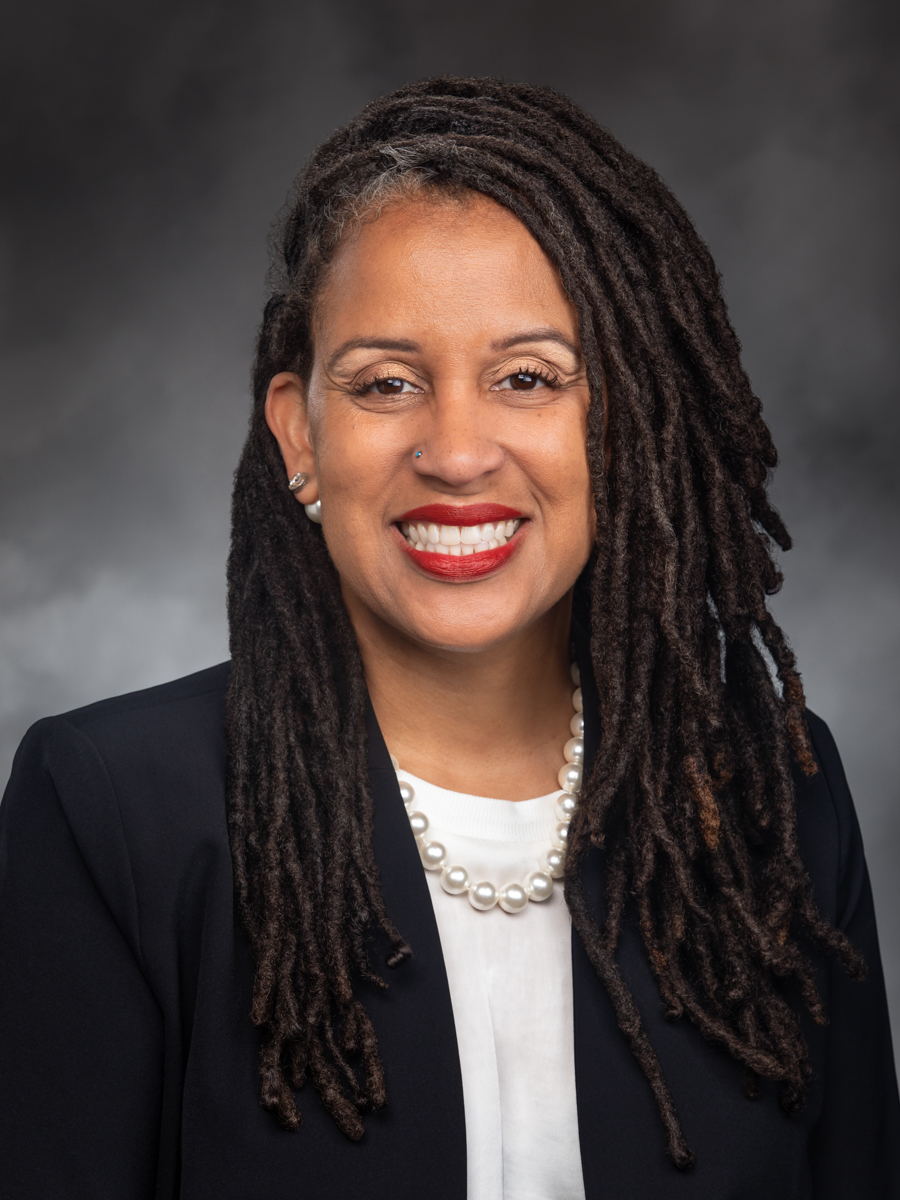
Adam Bernbaum
Adam Bernbaum House · District 24
D
Strong +
100% 3
Alex Ramel
Alex Ramel House · District 40
D
Strong +
100% 3
Amy Walen
Amy Walen House · District 48
D
Strong +
100% 3
Annette Cleveland
Annette Cleveland Senate · District 49
D
Strong +
100% 3
April Berg
April Berg House · District 44
D
Strong +
100% 3
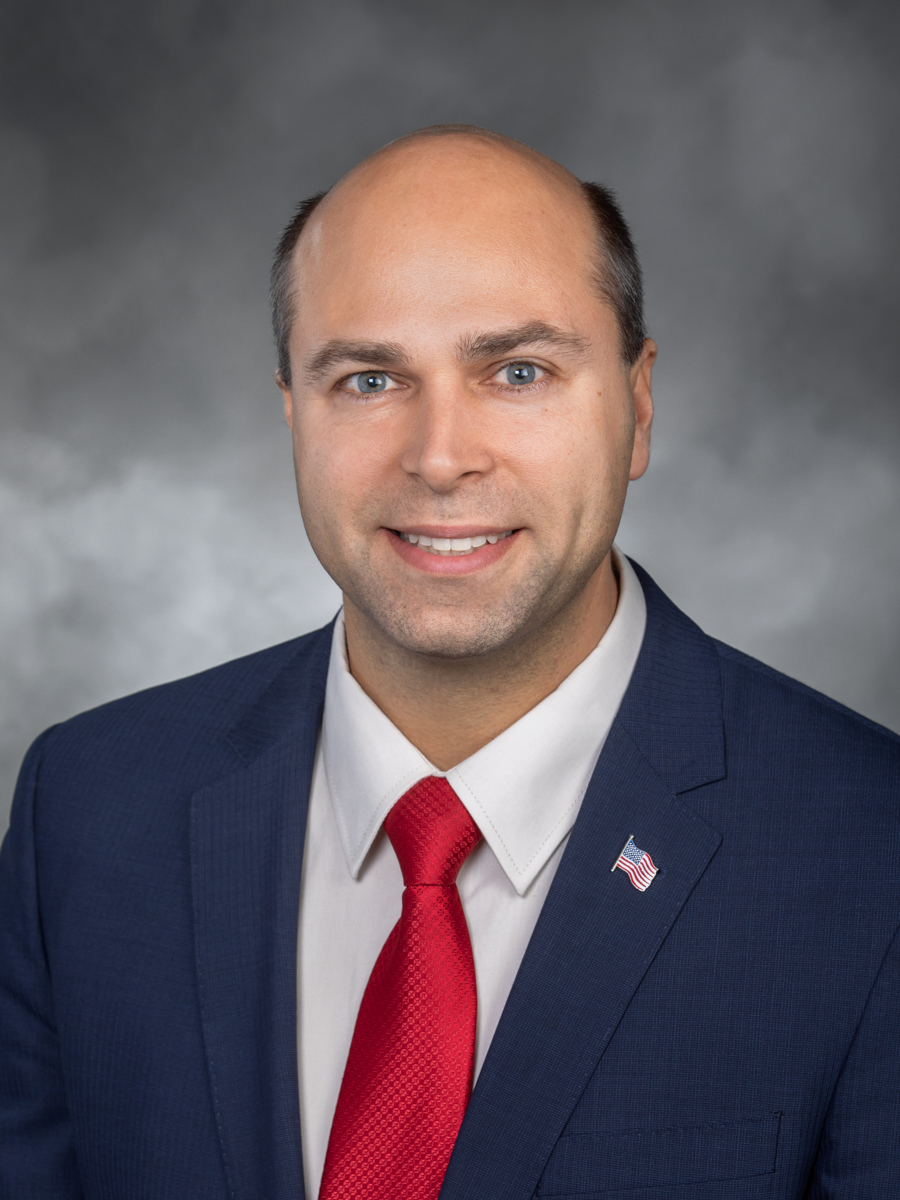
Alex Ybarra
Alex Ybarra House · District 13
R
Strong −
0% 3
Alicia Rule
Alicia Rule House · District 42
D
Strong −
0% 3
Andrew Barkis
Andrew Barkis House · District 2
R
Strong −
0% 3
Andrew Engell
Andrew Engell House · District 7
R
Strong −
0% 3
April Connors
April Connors House · District 8
R
Strong −
0% 3
Showing 21–30 of 36 bills

All environment bills

in committee · Washington · Senate Jan 12, 2026

SB 5430: Concerning approval of electric utility wildfire mitigation plans.

SB 5430 requires Washington electric utilities to submit detailed wildfire mitigation plans to the Utilities and Transportation Commission (UTC) for approval, with updates every three years. The UTC must review these plans within 120 days (for initial submissions) or 90 days (for updates), holding public workshops and meetings, and can approve plans with conditions to balance wildfire risk reduction with cost to consumers. The bill repeals outdated provisions and directs the UTC to adopt rules including input from fire districts, landowners, and customer groups on vegetation management, power shutoffs, and fair compensation. This directly affects all electric utilities operating in Washington, ensuring their wildfire plans are reviewed transparently and cost-effectively.
Sub-Topics Forestry
signed · Washington · House Apr 21, 2025

HB 1563: Establishing a prescribed fire claims fund pilot program.

HB 1563 establishes a prescribed fire claims fund pilot program in Washington state to provide financial loss coverage for damages resulting from prescribed fires and cultural burning. This program supports non-state and non-federal entities, such as private landowners and cultural fire practitioners, who conduct these burns according to approved plans and permits. The Office of Risk Management will administer the fund, which covers eligible property or economic damages up to $2,000,000 per claim. The intent is to reduce financial uncertainty and encourage the use of prescribed fire for forest health and wildfire prevention. This pilot program is set to expire on June 30, 2033.
Sub-Topics Forestry
in committee · Washington · House Jan 12, 2026

HB 1288: Concerning environmental leadership through outdoor recreation and climate adaptation investments.

HB 1288 creates a new "outdoor recreation and climate adaptation account" within the state treasury, funded by climate commitment act revenue. It directs spending toward specific climate resilience projects, including forest health initiatives to reduce wildfire risks ($10 million biennially for riparian easements), flood mitigation infrastructure, Puget Sound water quality improvements, expanded recreation access (like trails and parks), and tribal climate adaptation efforts ($50 million biennially). The bill also allocates $50 million biennially for decarbonizing heavy-duty vehicles and requires funding for drought resilience and salmon habitat protection. These funds will be distributed to state agencies like the Parks Commission, Department of Fish and Wildlife, and community revitalization boards. The legislation aims to directly affect Washington residents through improved outdoor recreation access, cleaner water, and enhanced community resilience to climate impacts like wildfires and flooding.
in committee · Washington · House Jan 12, 2026

HB 1695: Concerning unincorporated villages in the growth management act.

HB 1695 amends Washington's Growth Management Act to update land use planning requirements for counties and cities. It requires all comprehensive plans to explicitly address environmental justice, wildfire risk mitigation (including adopting codes like Firewise USA), and housing equity. Specifically, housing elements must now identify racially disparate impacts from local policies, implement anti-displacement strategies, and ensure affordable housing access across income levels. The bill directly affects all jurisdictions subject to the Growth Management Act, including unincorporated areas, by mandating these specific provisions in their planning documents.
signed · Washington · House Apr 24, 2025

HB 1522: Concerning approval of electric utility wildfire mitigation plans.

HB 1522 establishes a new process requiring electrical companies to file wildfire mitigation plans with the state commission. These plans, which must be updated at least every three years, detail strategies to reduce wildfire risk while balancing costs and electricity rates for customers. The commission will review and approve, reject, or approve with conditions each plan within a set timeframe, following public workshops that include local fire protection districts, landowners, and utility customers. The bill also mandates the commission to adopt rules covering specific mitigation practices, such as vegetation management and public safety power shutoffs, and imposes an additional fee on electrical companies to fund this oversight.
Sub-Topics Forestry
signed · Washington · House Apr 16, 2025

HB 1631: Establishing the state marine forest.

House Bill 1631 designates bull kelp (Nereocystis luetkeana) forests as the official state marine forest of Washington. This designation aims to raise awareness of bull kelp's vital role in the state's marine ecosystems, culture, and economy, and its deep cultural significance for tribal nations.
Sub-Topics Forestry
in committee · Washington · House Jan 12, 2026

HB 1749: Ensuring consideration of climate change, carbon sequestration, environmental health disparities, and treaty-protected and cultural resources in the state environmental policy act.

HB 1749 requires Washington state agencies to consider four new factors in environmental reviews: climate change impacts (including life-cycle greenhouse gas emissions), carbon sequestration in forests and soils, tribal treaty-protected resources and access, and pollution exposure in overburdened communities. For example, agencies must assess if a timber sale harms mature forest carbon storage or if a project disproportionately increases pollution in vulnerable neighborhoods. The bill mandates updates to the state environmental policy checklist to ensure these considerations are integrated into all project reviews, including timber sales and development permits. It directly affects state agencies like the Department of Natural Resources and local governments conducting environmental reviews.
in committee · Washington · House Jan 12, 2026

HB 1134: Promoting resource conservation practices in public schools.

HB 1134 establishes a voluntary "Washington state green schools program" within the Office of the Superintendent of Public Instruction to promote student-led resource conservation in public schools. The program provides limited stipend funding ($600 max per school annually) for school-based advisors to support student education and leadership in waste reduction, energy conservation, water efficiency, and urban forestry initiatives. Schools with over 50% of students eligible for free/reduced-price meals receive priority for funding, and the program aligns with state science curriculum standards on climate and sustainability. It is funded using revenues from the Climate Commitment Act and complements existing district conservation efforts.
signed · Washington · Senate Apr 22, 2025

SB 5157: Concerning the direct sale of valuable materials for habitat restoration projects.

SB 5157 modifies the rules for selling valuable materials, like timber or stone, from state lands. It creates an exception to the standard public auction process, allowing direct sales of these materials up to $250,000 in appraised value for use in habitat restoration projects. To qualify, the materials must be used solely for the approved restoration project and cannot be resold or remanufactured for other uses. The state department must determine the sale is in the state's best interest, appraise the materials at market value, and collect all required fees.
Sub-Topics Conservation Forestry
in committee · Washington · House Jan 12, 2026

HB 1925: Expanding secondary training for careers in natural resources and conservation.

HB 1925 creates a state-funded program to expand secondary education pathways in natural resource and conservation careers for Washington students aged 14-17. The bill requires the Superintendent of Public Instruction to select a qualified nonprofit partner to run a 90+ hour summer or after-school program combining classroom learning with work-integrated experiences at community sites. Participants earn high school credits, potential college dual credits, or industry-recognized credentials while learning through state standards, including environmental curriculum and natural resource competencies. The program prioritizes historically marginalized youth and schools in disadvantaged communities, aiming to connect students with family-wage careers in fields like forest management, restoration ecology, and renewable energy.
Showing 21 to 30 of 36 bills
Previous 1 2 3 4 Next