Issue · Environment

Environment (Conservation)

Every environment bill, vote, and legislator stance in Washington, automatically classified by Maddy, our AI policy reader.

Total bills
33
2025-2026 Regular Session
Top supporter
Adrian Cortes
100% support rate
Top opponent
Chris Gildon
0% support rate
Ranked legislators
10
5 support · 5 oppose
Key legislators

Who's moving conservation in Washington

Legislators moving conservation in Washington
Legislator Party Stance Support rate Votes
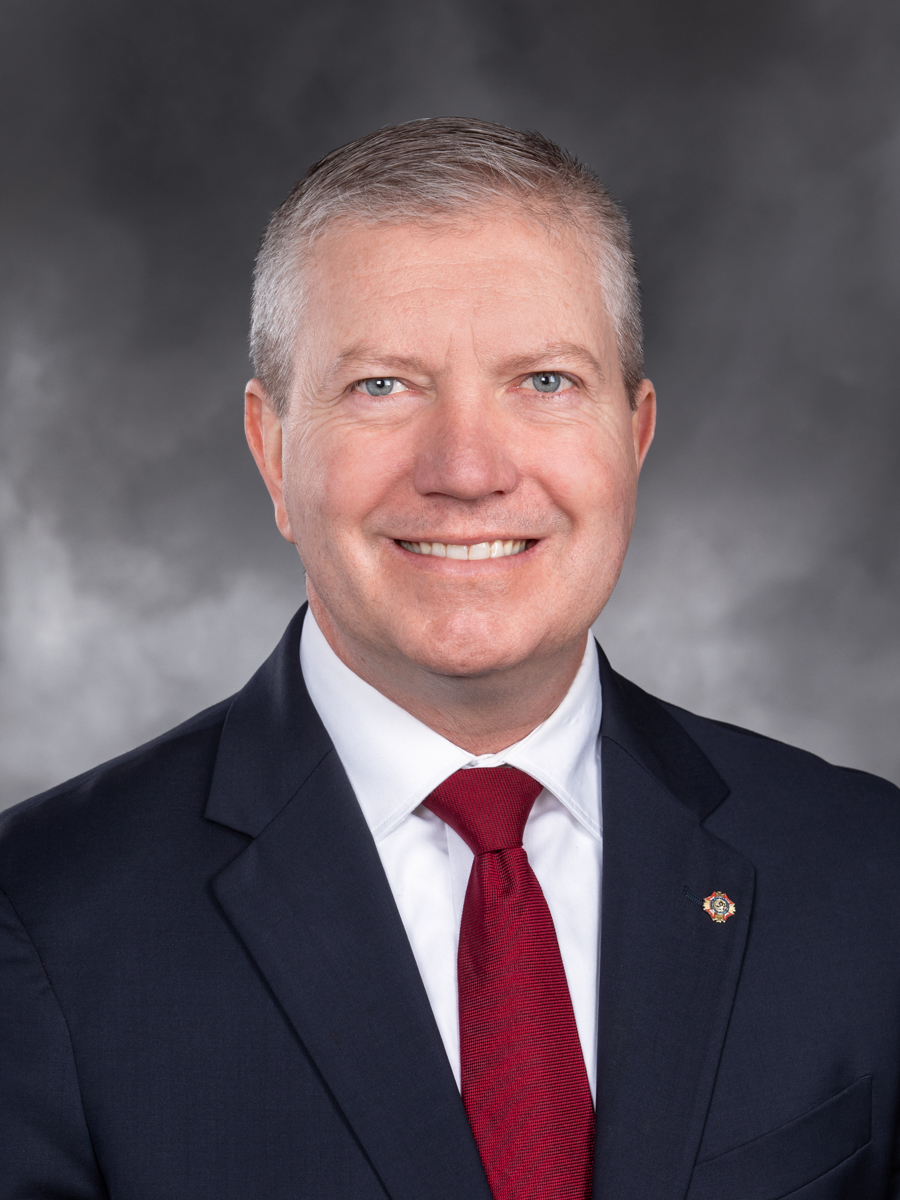
Adrian Cortes
Adrian Cortes Senate · District 18
D
Strong +
100% 6
Julio Cortes
Julio Cortes House · District 38
D
Strong +
100% 6
Adam Bernbaum
Adam Bernbaum House · District 24
D
Strong +
100% 3
Amy Walen
Amy Walen House · District 48
D
Strong +
100% 3
Annette Cleveland
Annette Cleveland Senate · District 49
D
Strong +
100% 3
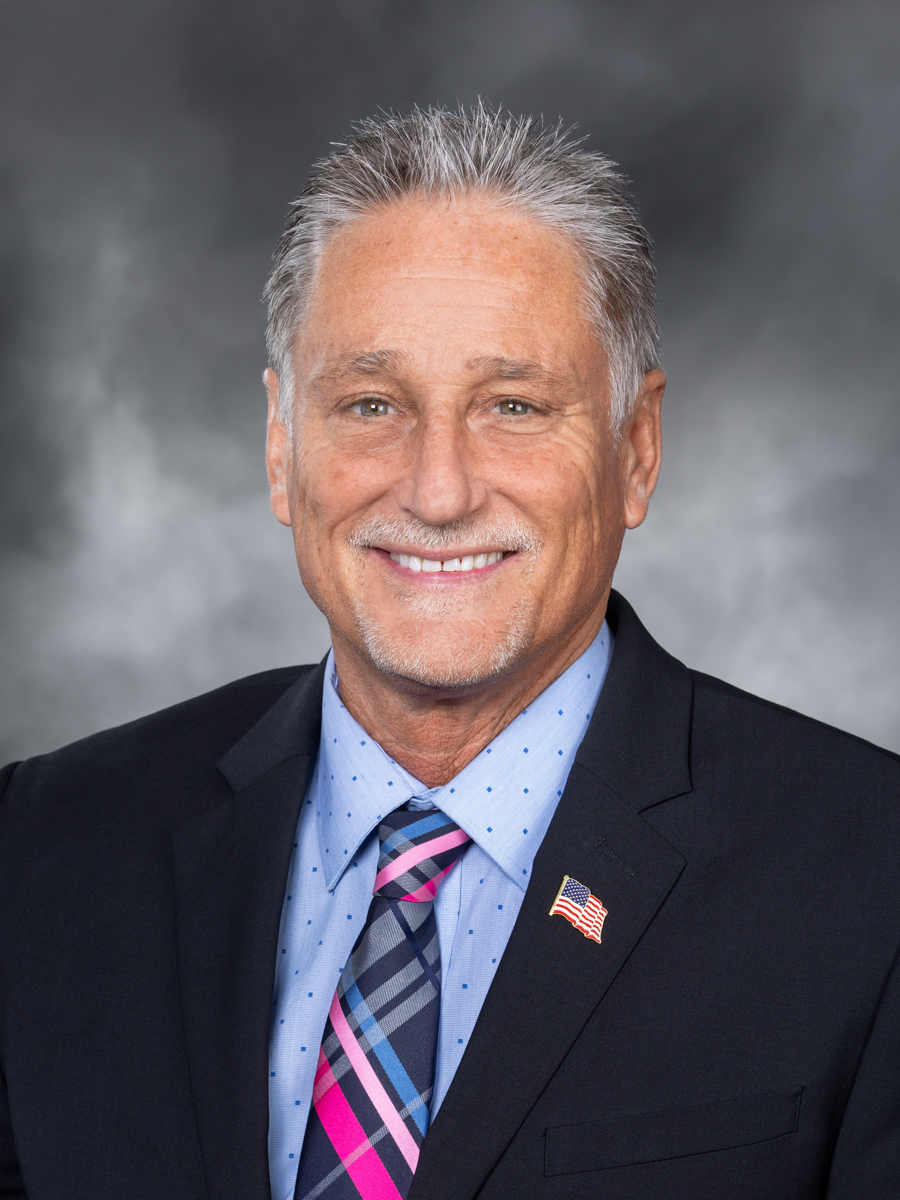
Chris Gildon
Chris Gildon Senate · District 25
R
Strong −
0% 3
Curtis King
Curtis King Senate · District 14
R
Strong −
0% 3
Drew MacEwen
Drew MacEwen Senate · District 35
R
Strong −
0% 3
Jeff Wilson
Jeff Wilson Senate · District 19
R
Strong −
0% 3
Jim McCune
Jim McCune Senate · District 2
R
Strong −
0% 3
Showing 21–30 of 33 bills

All environment bills

in committee · Washington · Senate Jan 12, 2026

SB 5640: Requiring proof of adequate water supply before permitting new energy facilities.

SB 5640 requires new energy facilities in Washington to provide proof of adequate water supply before receiving permits. It directly affects developers of new energy projects, including biofuel plants, clean energy manufacturing facilities, and major electrical transmission projects (e.g., 500,000-volt lines). Applicants must submit detailed water plans showing sources, conservation methods, air-cooling alternatives, and valid water rights permits or applications to the Department of Ecology. The bill updates existing permitting rules to mandate this water supply verification as a condition for certification, replacing the previous process.
Sub-Topics Conservation
in committee · Washington · House Jan 12, 2026

HB 1134: Promoting resource conservation practices in public schools.

HB 1134 establishes a voluntary "Washington state green schools program" within the Office of the Superintendent of Public Instruction to promote student-led resource conservation in public schools. The program provides limited stipend funding ($600 max per school annually) for school-based advisors to support student education and leadership in waste reduction, energy conservation, water efficiency, and urban forestry initiatives. Schools with over 50% of students eligible for free/reduced-price meals receive priority for funding, and the program aligns with state science curriculum standards on climate and sustainability. It is funded using revenues from the Climate Commitment Act and complements existing district conservation efforts.
in committee · Washington · House Jan 12, 2026

HB 1202: Concerning state general obligation bonds and related accounts.

HB 1202 authorizes the state of Washington to issue $4.87 billion in general obligation bonds to fund capital projects approved in future state budgets. The bill directs bond proceeds to specific state accounts: $4.31 billion to the state building construction account and $555 million to a taxable building construction account, with funds later transferred to designated programs like outdoor recreation, habitat conservation, and early learning facilities. It establishes procedures for repaying bond principal and interest using state general revenues and requires annual certification of payment needs. The bill does not specify individual projects but creates the financial framework for funding state capital projects through bond sales.
signed · Washington · Senate Apr 22, 2025

SB 5157: Concerning the direct sale of valuable materials for habitat restoration projects.

SB 5157 modifies the rules for selling valuable materials, like timber or stone, from state lands. It creates an exception to the standard public auction process, allowing direct sales of these materials up to $250,000 in appraised value for use in habitat restoration projects. To qualify, the materials must be used solely for the approved restoration project and cannot be resold or remanufactured for other uses. The state department must determine the sale is in the state's best interest, appraise the materials at market value, and collect all required fees.
Sub-Topics Conservation Forestry
in committee · Washington · House Jan 12, 2026

HB 1691: Extending the water supply milestone for the Yakima river basin integrated plan to 2035.

HB 1691 extends the deadline for securing permits and funding for water supply projects under Washington's Yakima River Basin Integrated Plan from 2025 to 2035. This change affects the Department of Ecology and the Yakima River Basin water management program, which aims to provide 214,000 acre-feet of water annually for environmental, agricultural, and municipal uses. The bill amends specific state codes to update the milestone date and related funding review expiration, without altering the plan's core requirements. It provides additional time to complete projects while maintaining existing water rights and conservation goals.
Sub-Topics Conservation
in committee · Washington · House Jan 12, 2026

HB 1019: Concerning tax incentives for farmers.

HB 1019 creates a 25% tax credit for Washington farmers purchasing eligible items like new equipment, seeds, and conservation infrastructure. To qualify, farmers must participate in a state conservation program or receive conservation grant funds from the Washington State Conservation Commission. The credit, which cannot exceed annual tax liability, can be carried forward for up to two years if unused. The tax incentive expires on January 1, 2036, and applies only to farmers meeting specific conservation program participation criteria.
in committee · Washington · Senate Jan 12, 2026

SB 5425: Modernizing the energy independence act to avoid regulatory duplication and overlap with other laws.

SB 5425 updates Washington's energy laws by removing redundant requirements for utilities. It keeps the conservation-focused elements of the 2006 Energy Independence Act but eliminates its outdated generation targets (like the 15% renewable requirement by 2020), while ensuring the 2019 Clean Energy Transformation Act continues to set the state's renewable energy policy. This reduces regulatory duplication for utilities, aiming to lower compliance costs and maintain affordable electricity for consumers. The bill specifically amends statutes to streamline conservation reporting and target requirements under the existing framework.
in committee · Washington · House Jan 12, 2026

HB 1925: Expanding secondary training for careers in natural resources and conservation.

HB 1925 creates a state-funded program to expand secondary education pathways in natural resource and conservation careers for Washington students aged 14-17. The bill requires the Superintendent of Public Instruction to select a qualified nonprofit partner to run a 90+ hour summer or after-school program combining classroom learning with work-integrated experiences at community sites. Participants earn high school credits, potential college dual credits, or industry-recognized credentials while learning through state standards, including environmental curriculum and natural resource competencies. The program prioritizes historically marginalized youth and schools in disadvantaged communities, aiming to connect students with family-wage careers in fields like forest management, restoration ecology, and renewable energy.
in committee · Washington · House Jan 12, 2026

HB 1508: Expanding revenue generation and economic opportunities from natural climate solutions and ecosystem services.

HB 1508 allows Washington State to generate new revenue by selling ecosystem service credits - like those for carbon sequestration or water filtration - from public lands. The Department of Natural Resources can contract with brokers or developers to sell these credits, but projects must be limited to afforestation, reforestation, or aquatic efforts and align with existing forest management policies. Revenue from these contracts must be deposited into state accounts, and the department must report project details and challenges by December 2026. The bill expires June 30, 2027, and explicitly prohibits projects from limiting tribal rights or conflicting with ongoing forest health efforts.
in committee · Washington · Senate Jan 12, 2026

SB 5567: Expanding secondary training for careers in natural resources and conservation.

SB 5567 expands existing youth training programs in natural resource and conservation careers for Washington students aged 14-17, particularly targeting schools in disadvantaged communities. The bill requires the state to fund a nonprofit partner to run after-school or summer programs (minimum 90 hours, two-thirds work-based) that provide high school credits, dual college credit opportunities, or industry credentials in fields like forest management and water resource conservation. It mandates partnerships with employers to identify workforce needs and prioritize historically marginalized students, using state standards including Indigenous curriculum and environmental education. The program must track outcomes like graduation rates and report annually to the legislature on its effectiveness and funding use.
Showing 21 to 30 of 33 bills
Previous 1 2 3 4 Next