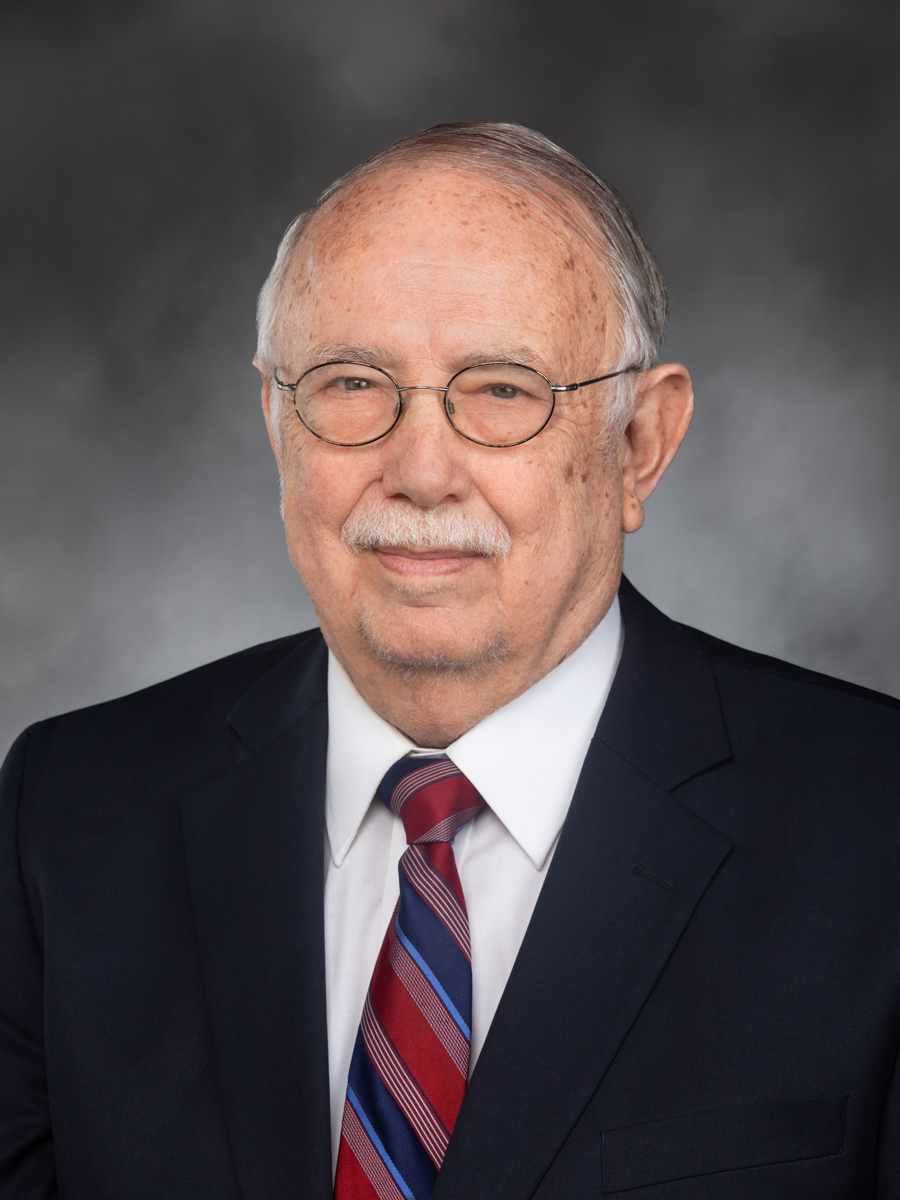
SB 6079 creates the "Strengthen Washington Homes" program, a grant initiative to help homeowners, contractors, nonprofits, and tribes reduce wildfire risks at their properties. The program provides financial grants for retrofitting or rebuilding homes to meet specific wildfire preparedness standards set by the Insurance Institute for Business & Home Safety. Grants are contingent on meeting these standards and obtaining required permits, and the bill also prohibits insurers from denying coverage based on wildfire risk for properties that achieve these designations. Funding will come from state appropriations and grants, with pilot projects planned to test equitable implementation before full rollout.
SB 6097 amends Washington state law to explicitly allow federally recognized Indian tribes to join the Conservation Futures program, which helps protect farmland, forests, and open space through land conservation agreements. The bill updates existing statutes to include tribes as eligible participants alongside counties, cities, and nonprofits, ensuring they can acquire development rights to conserve land while respecting treaty rights. A new section also confirms the law won’t diminish tribal treaty rights. This change directly affects tribes seeking to participate in land conservation efforts under the program.
Washington State's Senate Joint Memorial 8015 requests federal agencies to ensure wildfire response capacity by urging the Department of the Interior and Agriculture to: (1) fully staff the consolidated Wildland Fire Service by April 1, 2026, (2) delay further reorganization until national fire activity drops to a low level, and (3) avoid reducing firefighting capacity during consolidation. The memorial addresses concerns about federal staff reductions (5,000 at USFS, 7,500 at Interior) and uncertain impacts on wildfire response teams ahead of the 2026 fire season. It specifically aims to protect communities, infrastructure, natural resources, and firefighter safety through these federal actions. As a non-binding memorial, it seeks to influence federal policy rather than enact new law.
SB 5838 amends Washington State law to add a seventh member to the Board of Natural Resources, specifically a tribal representative. This representative must be a member of a federally recognized tribe in Washington, appointed by the governor after consulting with tribes, and serve a four-year term. The change directly affects the board's composition and decision-making process regarding natural resources management. The bill requires the governor to collaborate with tribes during the appointment and specifies that the tribal representative joins existing members like the governor's designee and county representatives. This adjustment aims to integrate tribal perspectives into natural resource decisions, as stated in the bill's findings.
SB 5919 encourages fire districts and insurance companies to voluntarily create incentives for farmers in wildfire-prone unincorporated areas to adopt wildfire safety practices. The bill allows insurers to offer discounts or other benefits for specific actions like maintaining defensible space, properly storing equipment, installing water tanks, or heeding red flag warnings. These incentives would be optional for insurance providers to offer and for farmers to accept. The law aims to promote wildfire mitigation through collaboration, without mandating participation from either insurers or farmers.
SB 5928 requires Washington insurers to disclose wildfire risk scores and key factors affecting them to homeowners for residential property insurance. Insurers must provide the current score, score range, model creator, date of evaluation, and actionable steps to improve scores - such as fire safety measures - within 15 days of coverage decisions or renewals. Homeowners can appeal inaccurate scores within 30 days, and insurers must offer actuarial discounts for verified property or community wildfire mitigation efforts. The bill aims to increase transparency in how insurers assess wildfire risk, directly affecting homeowners seeking or renewing home insurance policies.
SB 5941 allows small school districts (with 500 or fewer students) in specific rural counties to be exempt from requiring renewable energy systems (like solar panels) in new school buildings over 10,000 square feet. The bill requires the state building code council to create this exemption by January 1, 2027, without forcing districts to meet additional energy efficiency requirements to qualify. It directly affects eligible school districts in counties designated as one climate zone under existing law, such as Adams, Benton, and Yakima. The exemption applies only to new construction or major additions, not existing buildings.
SB 5203 requires Washington's Departments of Fish and Wildlife and Transportation to develop and implement a statewide plan for protecting wildlife habitat corridors and building safe crossings (like overpasses and underpasses) to reduce animal-vehicle collisions. The bill creates a dedicated funding account, the Washington wildlife corridors account, which uses state funds and private donations to support projects such as land conservation, habitat restoration, and removing barriers like fences in key corridors. It mandates collaboration with tribes, federal agencies, and conservation groups, and requires annual reports on spending and progress toward reducing collisions (which cost over $74 million yearly). The law aims to protect habitats fragmented by development and climate change while improving highway safety.
Senate Bill 5360 establishes new criminal offenses related to water pollution in Washington state, affecting individuals and various entities, including government agencies. The bill defines three degrees of violation for the water pollution control act, differentiating them by the level of intent and harm. A first-degree violation involves knowingly causing imminent danger, a second-degree violation involves knowingly violating without imminent danger, and a third-degree violation involves negligent violations. Each degree carries specific penalties, ranging from a Class B felony for the first degree to a gross misdemeanor for the third degree.
HB 2367 eliminates special reporting exemptions for coal-fired power plants in Washington State's emissions tracking system. It amends reporting thresholds to remove preferential treatment, requiring coal plants to follow the same emissions reporting rules as other large emitters (like natural gas suppliers or railroads) once they exceed 25,000 metric tons of CO2 equivalent annually. The bill repeals previous sections (RCW 82.08.811 and 82.12.811) that provided this preferential treatment, directly affecting coal-fired electricity generators by ending their distinct reporting pathway. This change ensures coal plants are subject to the same compliance obligations as other covered entities under the state's emissions program.