






Issue · Education

Education

Every education bill, vote, and legislator stance in Washington, automatically classified by Maddy, our AI policy reader.

Total bills
2
2025-2026 Regular Session
Top supporter
Claire Wilson
89% support rate
Top opponent
Zach Hall
13% support rate
Ranked legislators
10
5 support · 5 oppose
Key legislators

Who's moving education in Washington

Legislators moving education in Washington
Legislator Party Stance Support rate Votes
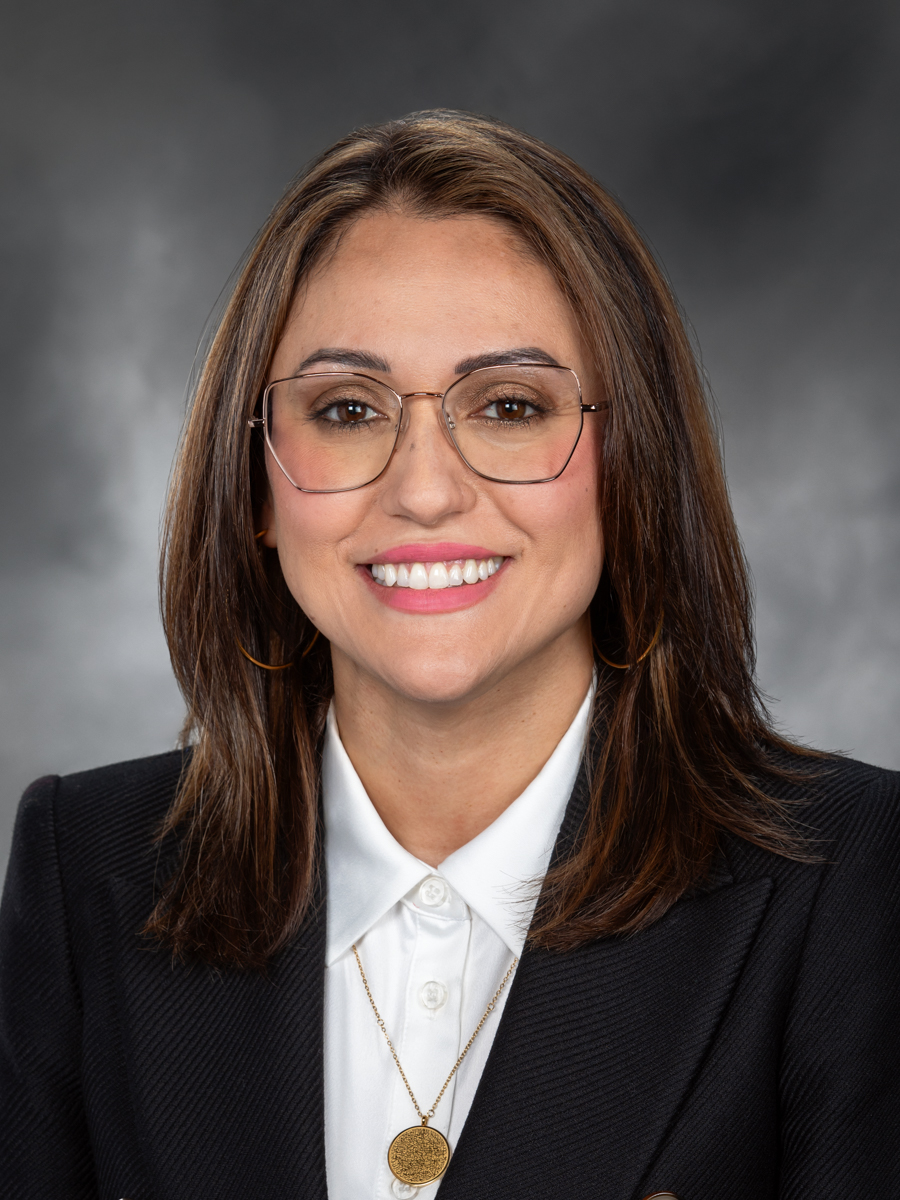
Claire Wilson
Claire Wilson Senate · District 30
D
Strong +
89% 74
Adison Richards
Adison Richards House · District 26
D
Strong +
88% 190
Yasmin Trudeau
Yasmin Trudeau Senate · District 27
D
Strong +
86% 74
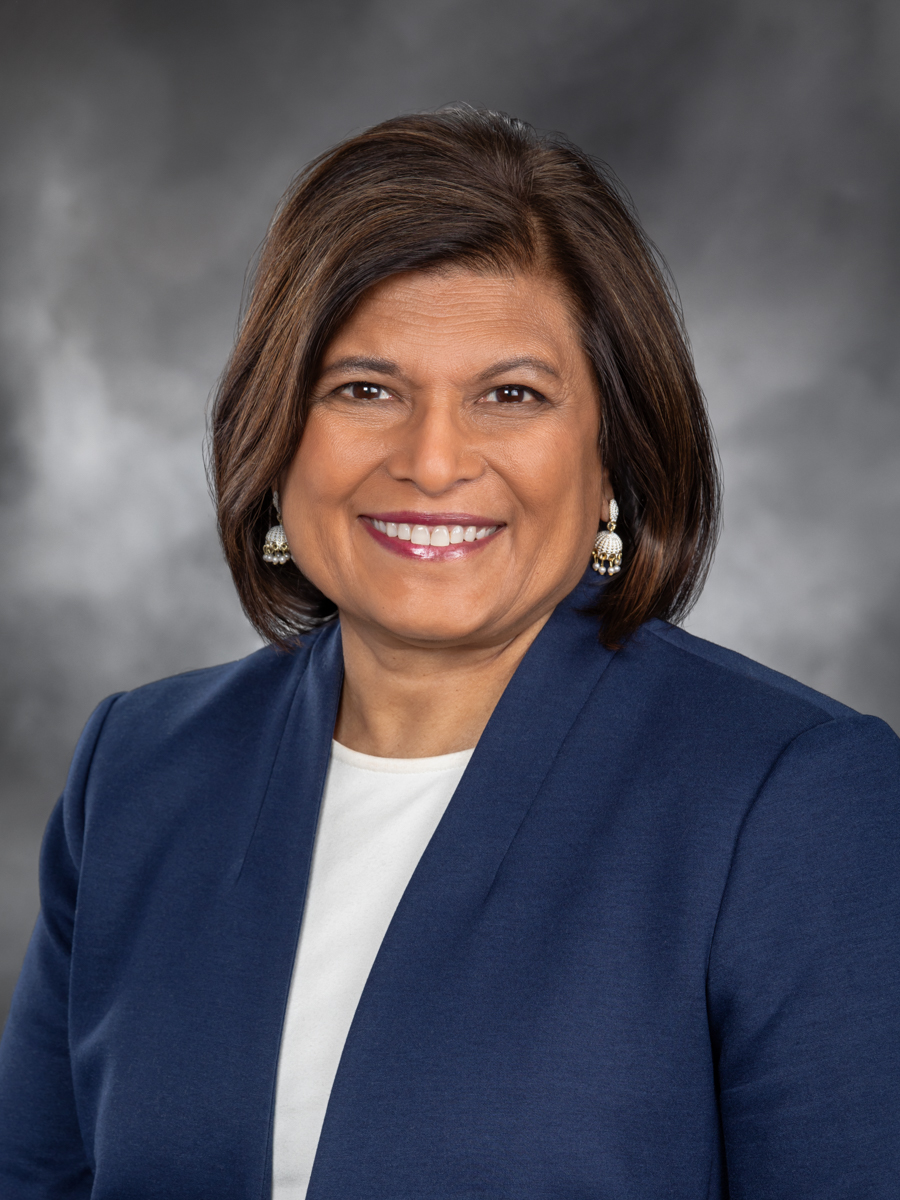
Vandana Slatter
Vandana Slatter Senate · District 48
D
Strong +
86% 75
RS
Rebecca Saldaña Senate · District 37
D
Strong +
86% 74
Zach Hall
Zach Hall House · District 5
D
Strong −
13% 135
Leonard Christian
Leonard Christian Senate · District 4
R
Strong −
14% 74
Jim McCune
Jim McCune Senate · District 2
R
Strong −
14% 72
Drew MacEwen
Drew MacEwen Senate · District 35
R
Strong −
16% 73
Shelly Short
Shelly Short Senate · District 7
R
Strong −
18% 74
Showing 2 of 2 bills

All education bills

signed · Washington · Senate Mar 30, 2026

SB 6346: Establishing a tax on millionaires.

SB 6346 would impose a new tax on Washington households with annual income of $1 million or more, affecting approximately the top 0.5% of earners. Revenue generated would fund K-12 education, health care, higher education, and human services programs. The tax excludes income from selling family-owned businesses and real estate, while also including reductions to sales taxes on essentials like personal care products and business taxes through credits. This policy aims to shift tax burden toward high earners to support public services, as the bill states Washington’s current system is the second most regressive in the nation.
signed · Washington · Senate Mar 25, 2026

SB 5346: Restricting mobile device usage by public school students.

SB 5346 requires Washington public school districts to adopt policies restricting student mobile device use during instructional hours by the 2026-27 school year. It directs the state superintendent to report on existing policies and recommend strategies (like time limits or secure storage) by December 2025, leading to a model policy developed by school directors. School districts must align their local policies with this model and share them annually with students and families. The bill excludes school-issued devices and defines "instructional hours" per existing law, focusing on reducing distractions and supporting mental health without specifying direct device bans.