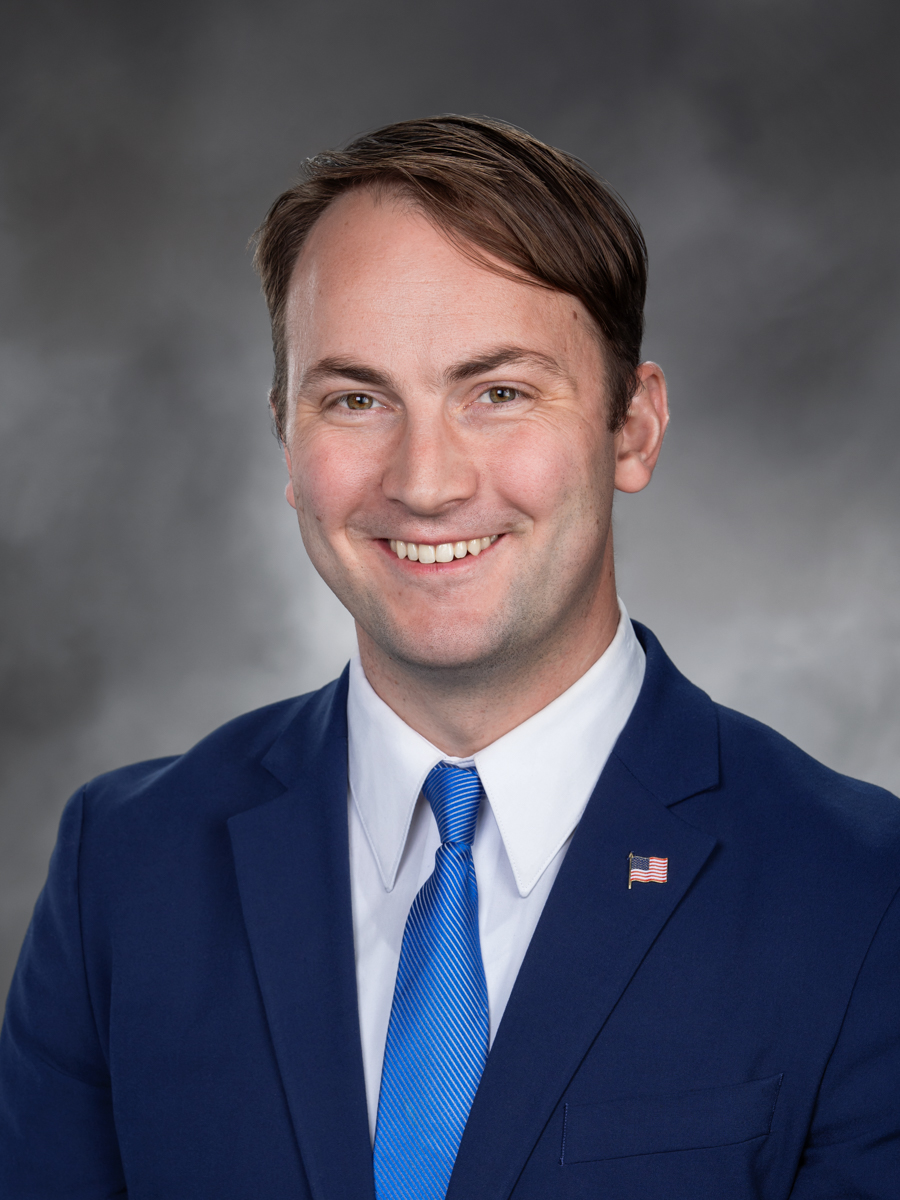
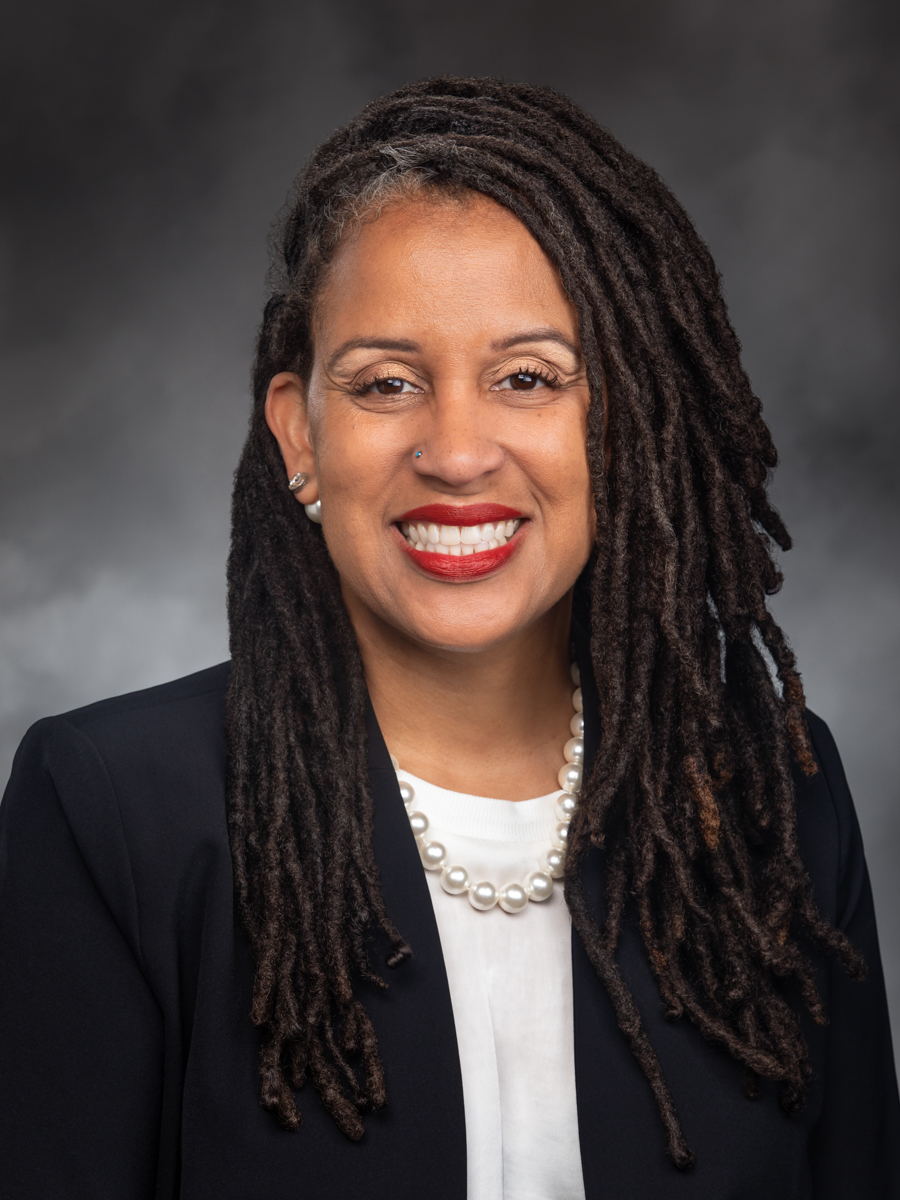
Key legislators
Who's moving policing in Washington
Showing 21–24 of 24
bills
All criminal justice bills
HB 2015 establishes a new grant program to improve public safety by providing direct financial support to local and tribal law enforcement agencies. These grants are intended to help agencies with hiring, retaining, and training law enforcement officers, as well as peer counselors and behavioral health personnel for co-response teams. To qualify for funding, agencies must meet specific requirements, including implementing state policies on use of force and de-escalation, participating in mandated trainings, and demonstrating compliance with data collection standards. Grant funds can cover up to 75 percent of entry-level salaries and benefits for new officers and support costs for required officer training.
SB 5364 standardizes requirements for Washington sheriffs, police chiefs, and marshals by mandating state law enforcement certification within 12 months of appointment, background checks, and consistent eligibility criteria (including high school diplomas, no felony convictions, and meeting peace officer training standards). It clarifies that volunteers in law enforcement agencies may assist with non-enforcement roles (e.g., search and rescue) but cannot carry weapons or make arrests without certification. The bill repeals outdated "police matrons" provisions and reinforces that sheriffs’ core duty is enforcing state law as interpreted by courts. These changes apply to all cities and towns with law enforcement agencies across Washington.
HB 1399 standardizes eligibility and certification requirements for sheriffs, police chiefs, and marshals across Washington state. It requires new appointees to obtain state peace officer certification within 12 months, mandates background checks before appointment, and limits volunteers from performing enforcement duties (like arrests or carrying weapons) without certification. The bill also repeals outdated provisions about "police matrons" and clarifies that sheriffs' core duty is enforcing state law. These changes aim to create consistent standards for all law enforcement executives, regardless of their election or appointment process.
HB 1512 establishes a grant program to help low-income drivers address nonmoving traffic violations (like registration or insurance issues) through nonpunitive solutions such as repair vouchers, helmet programs, or community education, rather than fines. It directly affects low-income road users - defined as those on public assistance, WIC, Medicaid, or earning 125% of the federal poverty level - by providing alternatives to financial penalties. The bill also requires police to report detailed stop data (including race, age, and reason for stops) starting in 2026 and clarifies that stops for nonmoving violations can only be secondary to primary offenses like speeding or impaired driving. These provisions aim to reduce racial disparities in traffic enforcement while improving road safety compliance.