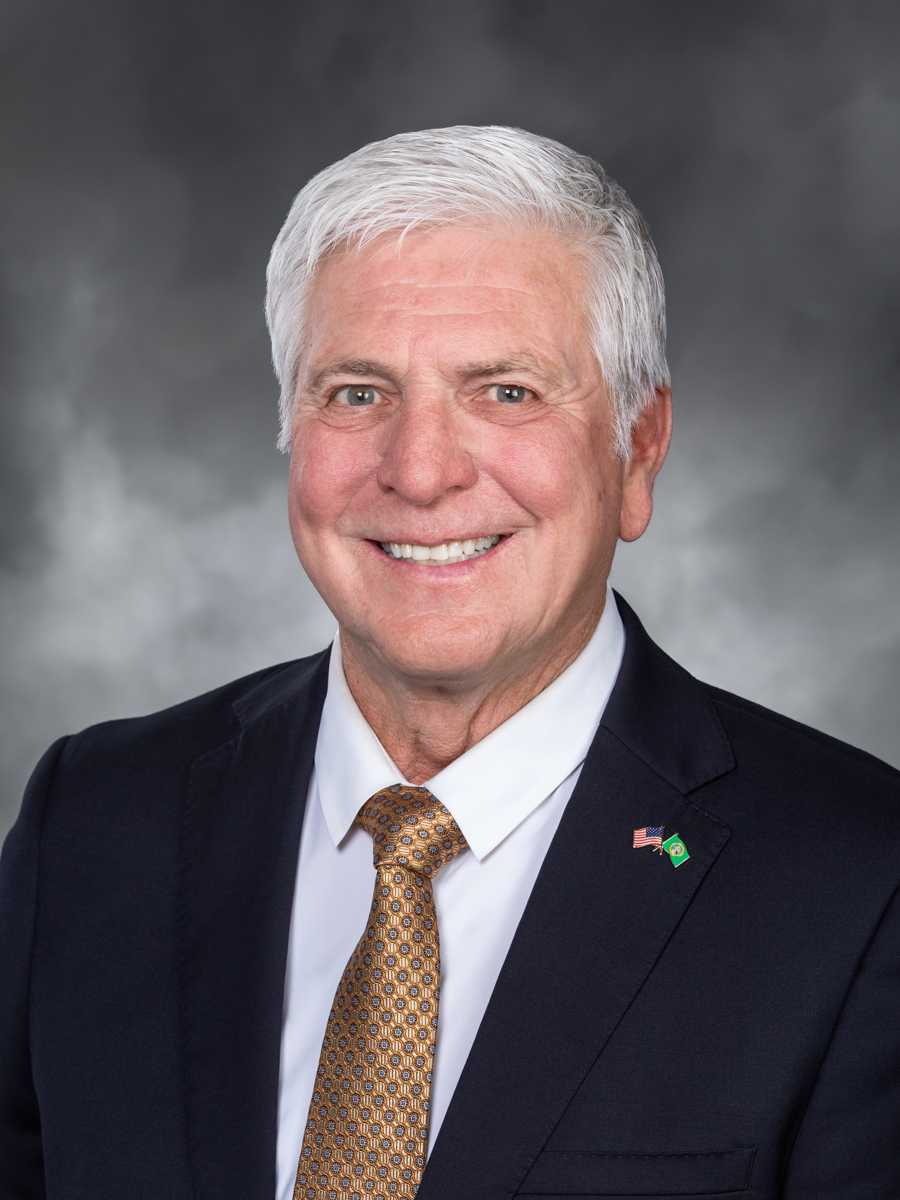
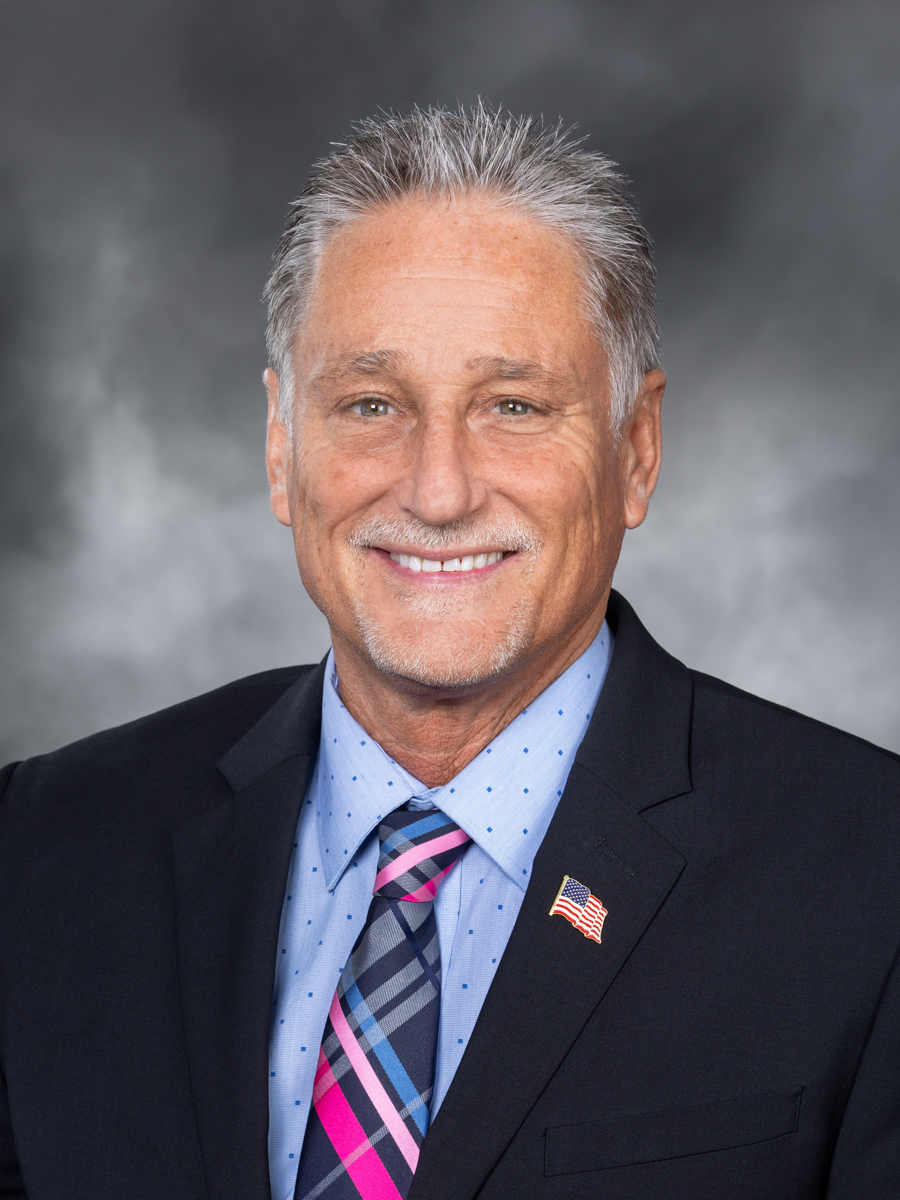
HB 2417 updates Washington's military justice code to extend specific victim protections to members of the state National Guard (organized militia) who experience crimes while serving in their state capacity. It directly affects National Guard members who are victims of offenses under the state military code. The bill establishes concrete rights including protection from the accused, timely notice of court proceedings, the right to be heard at key hearings, privacy safeguards, and access to restitution. These provisions align state military justice standards with federal protections to ensure consistent victim treatment during both federal and state service.
Senate Bill 5388 revises how behavioral health services, including substance use disorder treatment, are regulated for individuals in Washington state correctional facilities. Rather than requiring these services to be licensed by the Department of Health (DOH), the bill shifts to a monitoring process. The Department of Corrections (DOC) and DOH will jointly establish standards for these services, which the DOH will then monitor through annual inspections for compliance. The DOC must implement these standards by July 1, 2027, with DOH beginning annual inspections and providing technical assistance from that date forward.
HB 1498 establishes a grant program to help cities and counties create and operate domestic violence co-responder programs. These programs deploy domestic violence victim advocates alongside law enforcement to provide on-scene support, resources, and care navigation for victims and their families. The bill creates a dedicated state treasury account, funded primarily by an additional $100 fee on marriage licenses, to support this initiative. The Office of Crime Victims Advocacy will administer these grants, also providing technical assistance and support for billing health insurance for services.
Senate Bill 5032 expands the responsibilities of the Office of the Family and Children's Ombuds. It extends the ombuds' oversight to include juvenile rehabilitation facilities operated by the Department of Children, Youth, and Families (DCYF). This allows the ombuds to investigate complaints, monitor procedures, and review these facilities. To facilitate this, DCYF must grant the ombuds access to facilities, individuals in custody, and relevant records, including the juvenile rehabilitation case management system.
HB 1440 establishes standardized procedures for civil asset forfeiture, directly affecting property owners whose assets are seized by law enforcement agencies. It requires seizing agencies to provide notice to property owners within 15 days of seizure, detailing their right to contest the forfeiture within specific deadlines (60 or 120 days depending on property type). The bill places the burden of proof on the seizing agency to demonstrate, by a preponderance of the evidence, that the property is subject to forfeiture. It also protects property interests of owners who were unaware of or did not consent to the violation, and ensures that individuals who substantially prevail in a forfeiture proceeding are entitled to reimbursement for reasonable attorneys' fees.
House Bill 1829 establishes a formal process for Washington state courts and law enforcement to recognize and act upon arrest warrants issued by federally recognized tribal courts. It allows tribal courts to file their warrants with county superior courts. If a state superior court reviews the tribal warrant and finds probable cause for a crime, it must issue a corresponding state arrest warrant. The bill also grants federally recognized tribes standing in state court hearings concerning the legality of extradition and updates various legal definitions to include tribal legal processes. This legislation aims to facilitate cooperation between tribal and state justice systems regarding individuals subject to tribal warrants.
Substitute Senate Bill 5714 defines new types of unprofessional conduct for licensed bail bond agents and bail bond recovery agents in Washington state. The bill prohibits these agents from using their position to enforce civil immigration warrants. Additionally, it makes it unprofessional conduct for agents to share a defendant's immigration status outside of their bail bond agency's business. These provisions aim to regulate the specific activities and information handling practices of bail bond professionals.
HB 1460 enhances the "protection order hope card" program for individuals protected by court orders, such as victims of domestic violence or stalking, and aids law enforcement. It mandates that these cards be in a scannable electronic format, where feasible, containing critical details like the names of protected and restrained individuals, the order's specifics, and crucially, information about any firearm prohibitions and compliance status. The bill allows protected individuals to request a card when the order is first issued or later, without a fee, and ensures the scannable codes can link to a digital record of the entire case history, including firearm relinquishment details. The hope card holds the same legal authority as the underlying protection order, and the program now explicitly includes extreme risk protection orders.
SB 5029 updates the support provided to individuals being released or transferred from Washington state correctional facilities. The bill removes the previous $100 cap and "least expensive" method requirement for transportation, allowing the Department of Corrections (DOC) to arrange travel to a person's residence or reentry plan location, generally within the state. It clarifies that individuals transferred to community custody or partial confinement programs are also eligible for initial subsistence funds (at least $40) and suitable clothing. Additionally, the bill authorizes the DOC to provide temporary rental vouchers for up to six months to prevent homelessness for those being released. The DOC is also required to submit annual reports on transportation costs exceeding $100.
Senate Bill 5473 updates the process for handling disciplinary grievances for law enforcement personnel, including police officers and corrections officers. It mandates a specific procedure for selecting arbitrators in cases involving disciplinary actions, discharges, or terminations. A state commission will appoint a roster of 9 to 18 qualified arbitrators, who must meet criteria for experience in labor relations, cultural competency, and familiarity with the law enforcement profession. These new arbitrator selection procedures apply to relevant arbitrations and collective bargaining agreements negotiated or renewed after January 1, 2022.