Issue · Budget & Taxes

Budget & Taxes (State Budget)

Every budget & taxes bill, vote, and legislator stance in Washington, automatically classified by Maddy, our AI policy reader.

Total bills
81
2025-2026 Regular Session
Top supporter
Joel McEntire
77% support rate
Top opponent
Melanie Morgan
14% support rate
Ranked legislators
10
5 support · 5 oppose
Key legislators

Who's moving state budget in Washington

Legislators moving state budget in Washington
Legislator Party Stance Support rate Votes
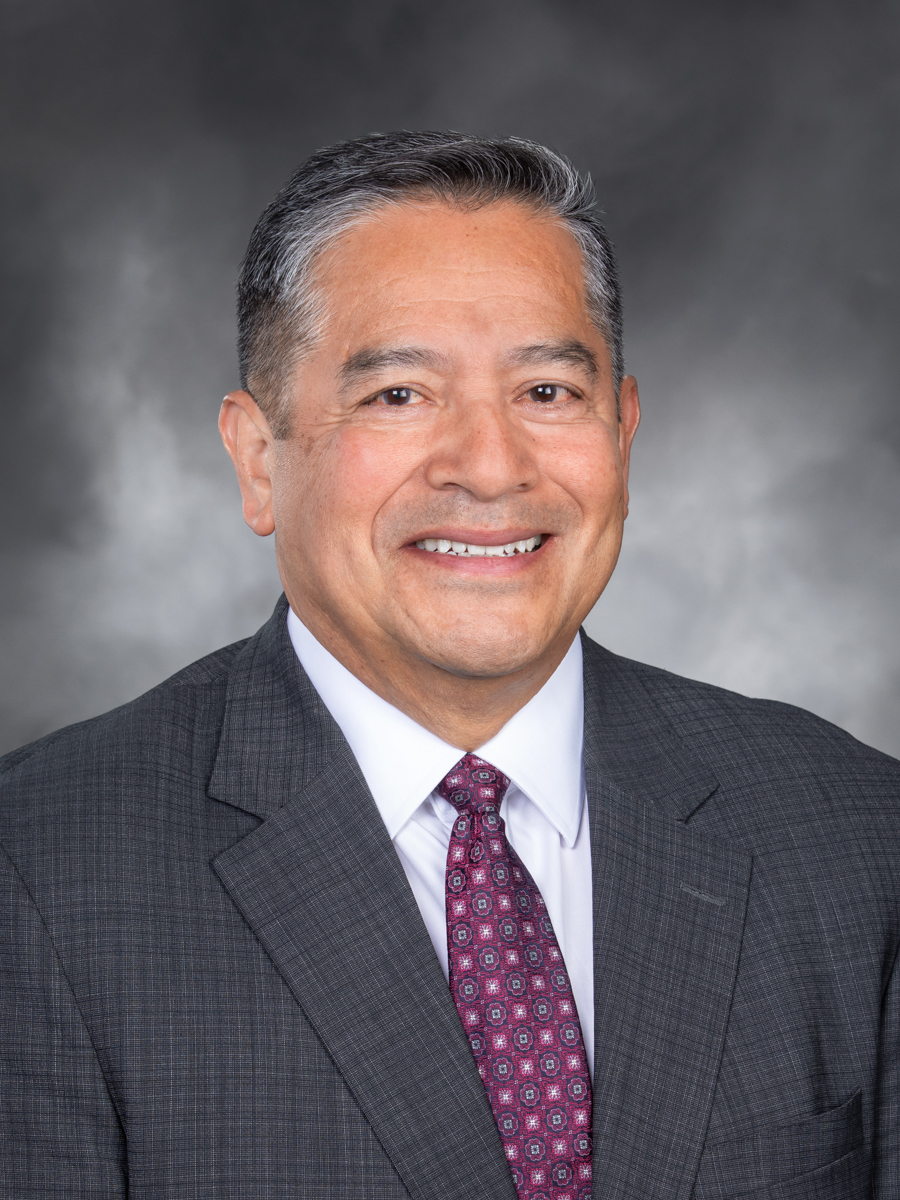
Joel McEntire
Joel McEntire House · District 19
R
Support
77% 31
Ed Orcutt
Ed Orcutt House · District 20
R
Support
75% 32
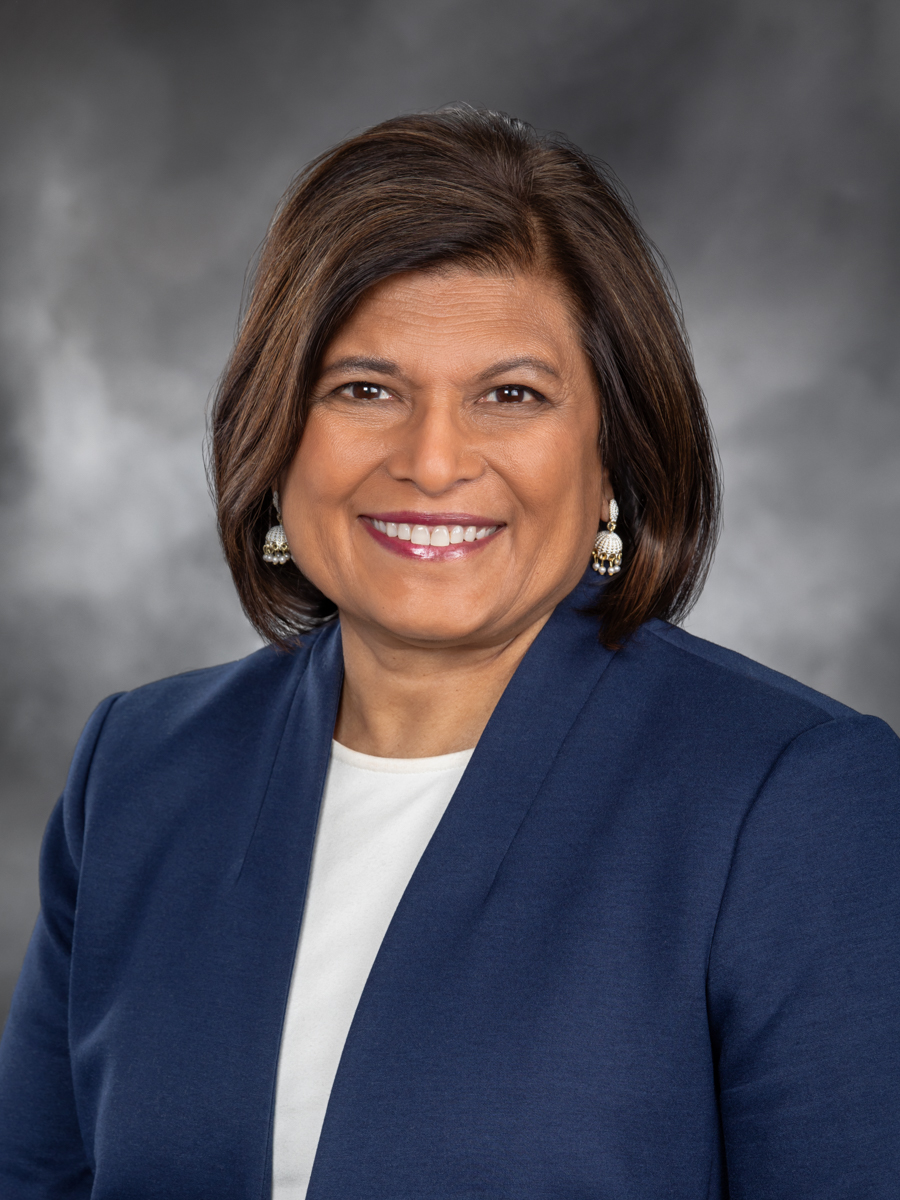
Vandana Slatter
Vandana Slatter Senate · District 48
D
Support
73% 15
Adison Richards
Adison Richards House · District 26
D
Support
73% 33
Alex Ybarra
Alex Ybarra House · District 13
R
Support
73% 33
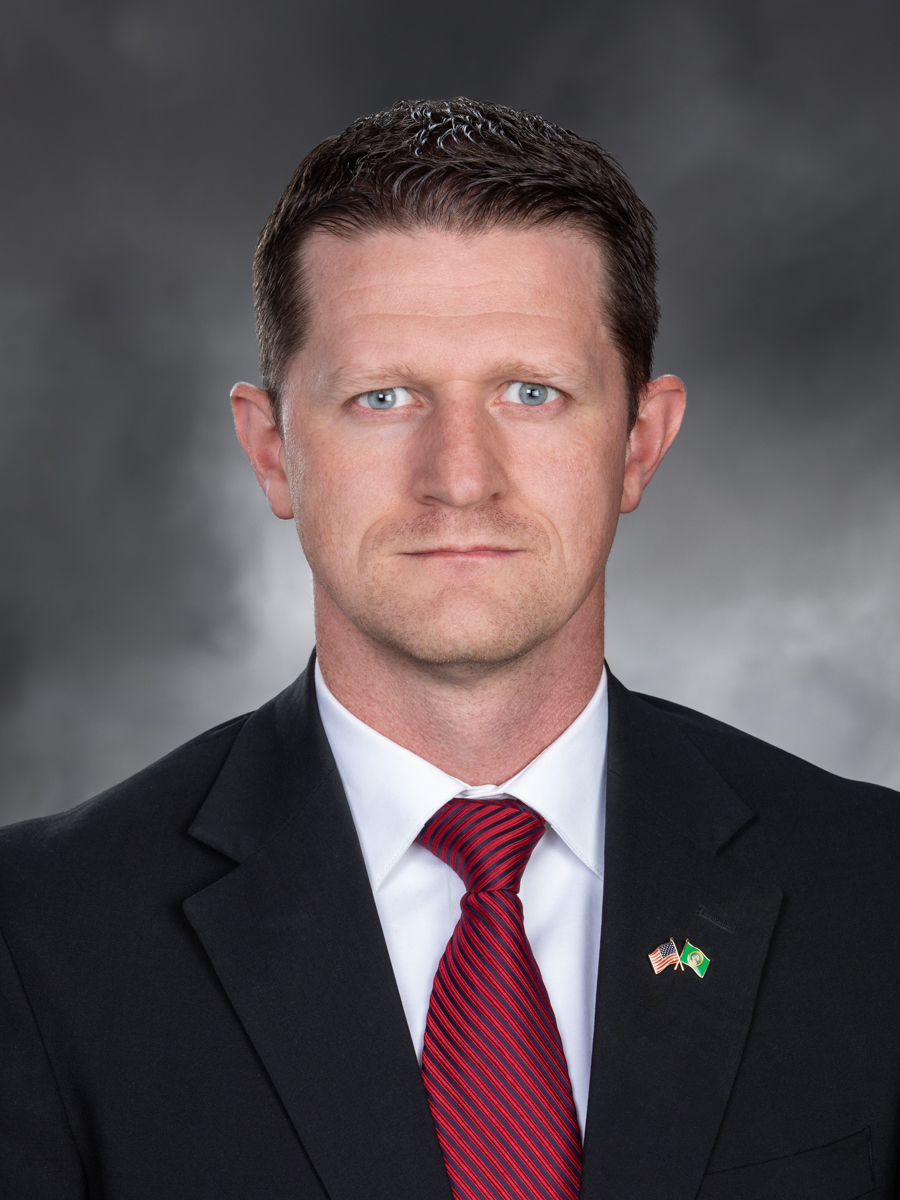
Melanie Morgan
Melanie Morgan House · District 29
D
Strong −
14% 29
Amy Walen
Amy Walen House · District 48
D
Strong −
16% 31
Shaun Scott
Shaun Scott House · District 43
D
Oppose
21% 33
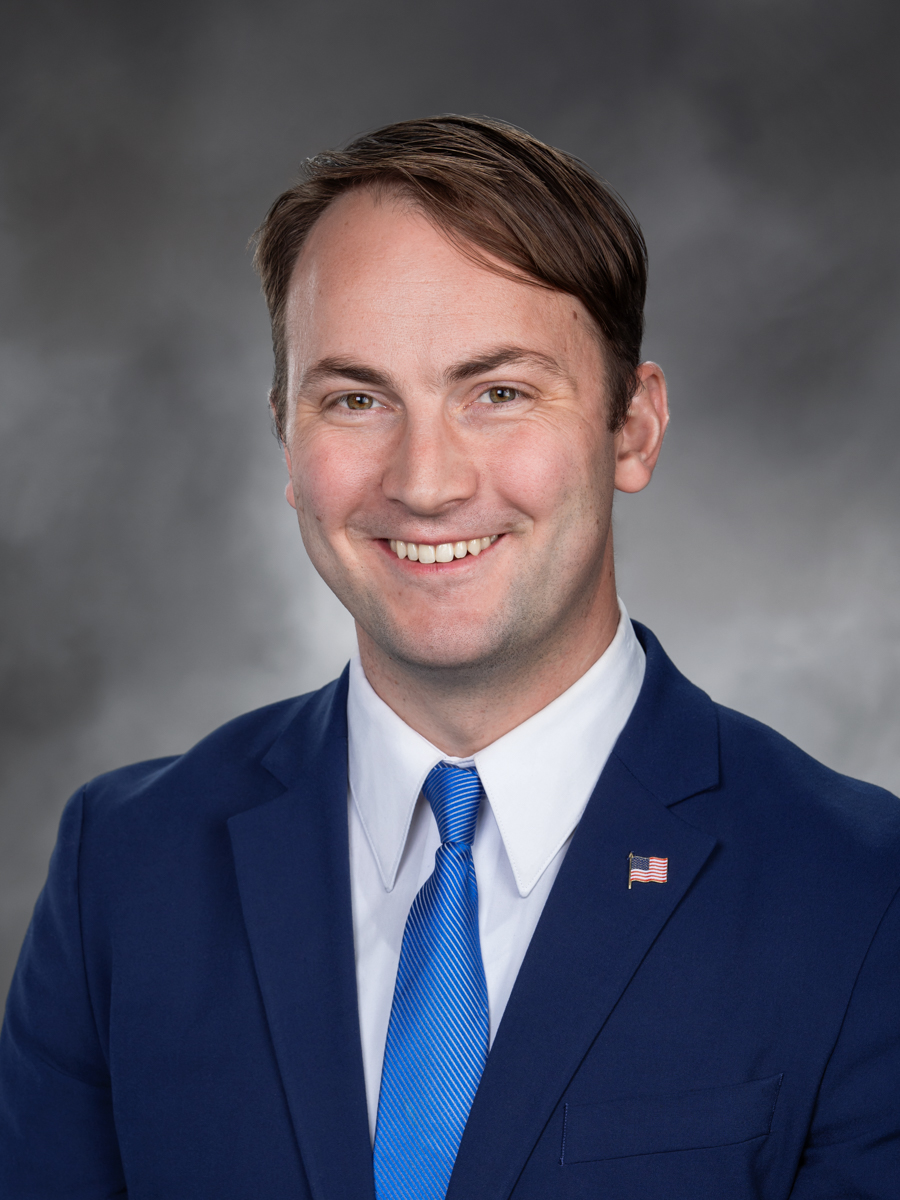
Zach Hall
Zach Hall House · District 5
D
Oppose
22% 18
Dan Bronoske
Dan Bronoske House · District 28
D
Oppose
24% 33
Showing 1–10 of 81 bills

All budget & taxes bills

in committee · Washington · Senate Mar 3, 2026

SB 6357: Concerning budget sustainability.

This bill updates Washington state budget requirements to improve financial transparency and sustainability. It mandates that the governor's budget documents include detailed revenue and expenditure estimates, performance indicators, and specific financial data such as debt service costs and retirement system obligations. The legislation also requires that future budgets maintain a positive ending fund balance and ensure maintenance level spending does not exceed available fiscal resources. These changes directly affect the governor's office, state agencies, and the legislature by standardizing how budget information is presented and ensuring long-term fiscal planning.
in committee · Washington · House Mar 6, 2026

HB 2747: Concerning budget sustainability.

This bill requires the Washington State governor to submit more detailed budget documents that include specific performance indicators, revenue estimates, and explanations for financial changes. It mandates that budget submissions show how proposed spending aligns with statewide priorities and identifies activities that do not meet these goals. The legislation also establishes rules for maintaining a positive fund balance and limits maintenance-level spending to available fiscal resources, with specific calculations for revenue forecasts. These requirements apply to all state agencies and aim to improve budget transparency and long-term financial planning.
Sub-Topics State Budget
in committee · Washington · House Feb 3, 2026

HB 2717: Ensuring equal opportunities for each highly capable student.

HB 2717 amends Washington state's school funding formula to standardize how basic education funds are distributed to school districts. It establishes "prototypical" schools (e.g., 600 students for high schools) to calculate minimum funding needs, setting specific class size targets (like 17 students per teacher in K-3) and allocating funds for staff like counselors and nurses. The bill requires transparency by mandating public reporting of per-pupil funding for all programs, including a link on school district websites. It does not directly address "highly capable students" as its title suggests; instead, it focuses on general education funding mechanics and reporting. The bill is currently in the Appropriations committee after its first reading.
in committee · Washington · House Jan 28, 2026

HB 2691: Adjusting the state apportionment schedule to schools to mitigate cash flow issues.

HB 2691 adjusts Washington state's monthly school funding schedule to improve cash flow for public school districts. It increases early-year payments (e.g., raising March from 9% to 10% of annual funds) and reduces later payments (e.g., lowering July from 12.5% to 10%), distributing more funds earlier in the school year. This change directly affects all public school districts receiving state apportionment funds under RCW 28A.510.250. The bill maintains the total annual funding amount but shifts timing to help schools manage expenses throughout the year, with the new schedule effective September 1, 2026.
signed · Washington · House Mar 16, 2026

HB 2353: Concerning predesign thresholds.

HB 2353 raises Washington State's predesign threshold for major capital construction projects from $10 million to $15 million, with annual inflation adjustments starting July 1, 2027. It requires state agencies to conduct predesign reviews for projects exceeding this threshold, including value-engineering analysis and cost comparisons, to improve efficiency. The bill directly affects state agencies planning large facilities like schools or infrastructure, ensuring projects over $15 million (adjusted for inflation) undergo formal cost and design evaluations. The legislation also establishes reporting requirements for exceptions to these reviews, maintaining transparency in budgeting for public construction.
Sub-Topics State Budget
in committee · Washington · Senate Jan 26, 2026

SB 5989: Concerning the distribution of aircraft fuel tax revenue.

SB 5989 changes how Washington State distributes revenue from aircraft fuel taxes. Starting July 2026, 0.5% of this tax (increasing to 1% after 2027) will fund the aeronautics account for aviation projects, while the remaining 6.5% minus that amount goes to the state general fund. The bill requires the Department of Transportation's aviation division to track and annually report on airport projects funded through this account, including state grants, federal matching funds, and local contributions. These reports must detail each project's description, funding sources, and outcomes for the legislature. The law takes effect July 1, 2026, and mandates ongoing transparency about how these funds support airport infrastructure.
in committee · Washington · House Jan 19, 2026

HB 2562: Increasing local effort assistance to align with enrichment levies.

HB 2562 increases state funding for school districts that collect local enrichment levies, adjusting the target rate from $1.50 to $2.50 per $1,000 of property value. It calculates state assistance based on a district’s actual levy rate relative to this $2.50 target, with a per-student funding threshold of $3,838 (adjusted for inflation starting in 2027). The bill directly affects public school districts and state-tribal education compact schools, ensuring state support aligns with local levy efforts. It takes effect January 1, 2027, and does not count toward the state’s constitutionally required basic education funding.
in committee · Washington · House Jan 21, 2026

HB 2612: Protecting revenues devoted to the workforce education investment account.

HB 2612 protects revenues from specific state surcharges by mandating their direct deposit into Washington's workforce education investment account. The bill requires all funds from the workforce investment surcharge (RCW 82.04.299) and specified revenues (RCW 82.04.290(2)(c)) to be placed solely in this account, with spending limited to higher education programs, workforce development, and student aid. Crucially, it prohibits using these funds to replace or reduce existing state, federal, or local education funding - ensuring they provide supplemental support only. This directly affects state higher education institutions and workforce programs that rely on these designated funds.
in committee · Washington · House Jan 13, 2026

HB 2448: Reinstating a state expenditure limit to promote sustainable budgets and create permanent tax relief for all Washingtonians.

HB 2448 establishes a new annual spending cap for Washington's state general fund, limiting growth to inflation and population changes starting in 2027. The cap automatically adjusts each November based on actual spending and economic forecasts, requiring the state treasurer to prevent overspending. It allows temporary 24-month exceptions only for declared natural disasters, not for routine budgeting. The bill does not change tax rates but aims to control budget growth through this spending limit.
in committee · Washington · House Jan 13, 2026

HB 2449: Reforming the Washington state budgeting process through zero-based budget reviews.

HB 2449 requires Washington state agencies to conduct zero-based budget reviews for 20% of state programs every two years, starting in 2026, ensuring every program receives a review at least once every decade. The legislature selects which programs are reviewed each biennium (e.g., by area like education or health care), and agencies must submit detailed reports analyzing each program's purpose, costs, effectiveness, and alignment with agency goals. These reports must include data on funding, staffing, performance measures, and service levels, with public hearings required for review consideration. The governor and legislature must factor these reviews into budget decisions, aiming to improve transparency and efficiency in state spending.
Showing 1 to 10 of 81 bills
1 2 3 9 Next