

Issue · Budget & Taxes
Budget & Taxes
Every budget & taxes bill, vote, and legislator stance in Washington, automatically classified by Maddy, our AI policy reader.
Total bills
627
2025-2026 Regular Session
Top supporter
Vandana Slatter
80% support rate
Top opponent
Zach Hall
25% support rate
Ranked legislators
10
5 support · 5 oppose
Key legislators
Who's moving budget & taxes in Washington
| Legislator | Party | Stance | Support rate | Votes |
|---|---|---|---|---|
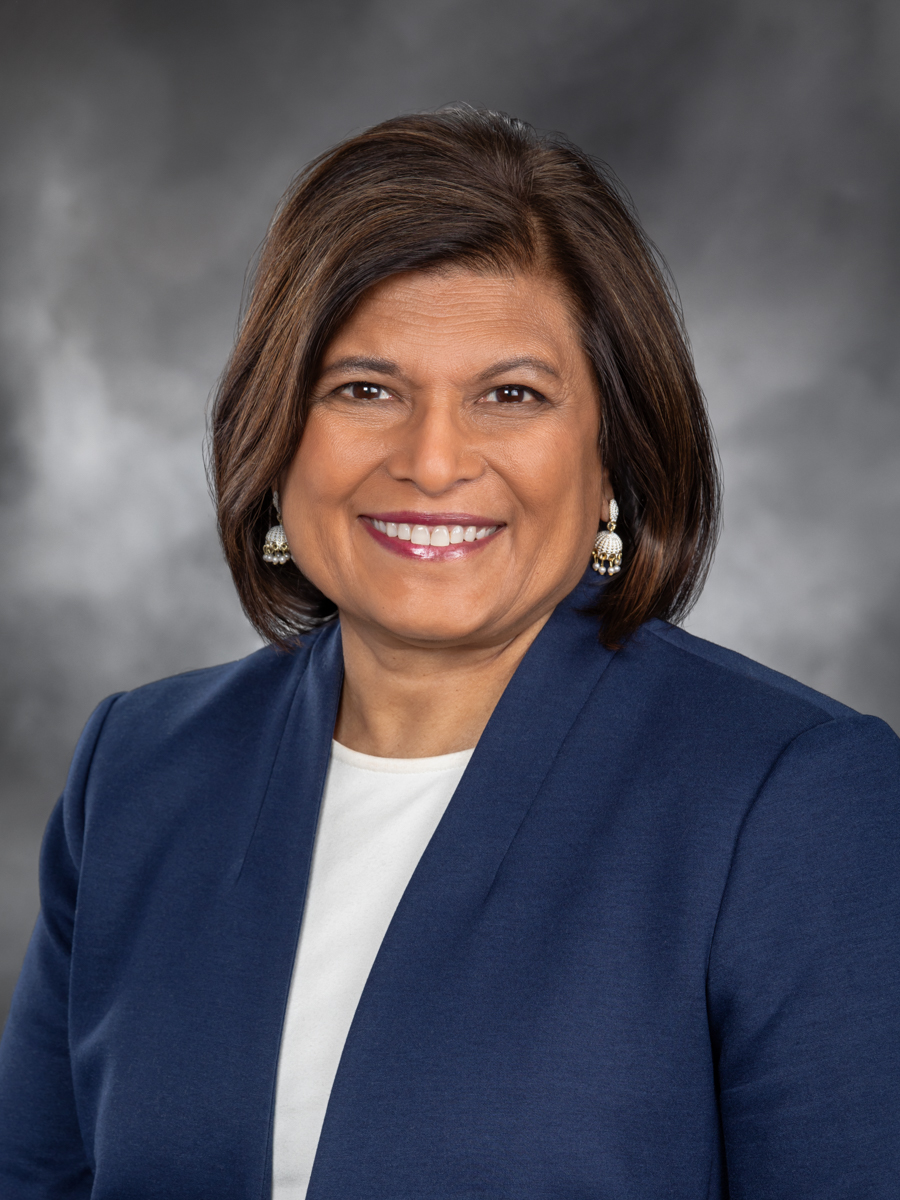
Vandana Slatter
Senate · District 48
|
D |
Support
|
80% | 151 |

Jesse Salomon
Senate · District 32
|
D |
Support
|
78% | 155 |
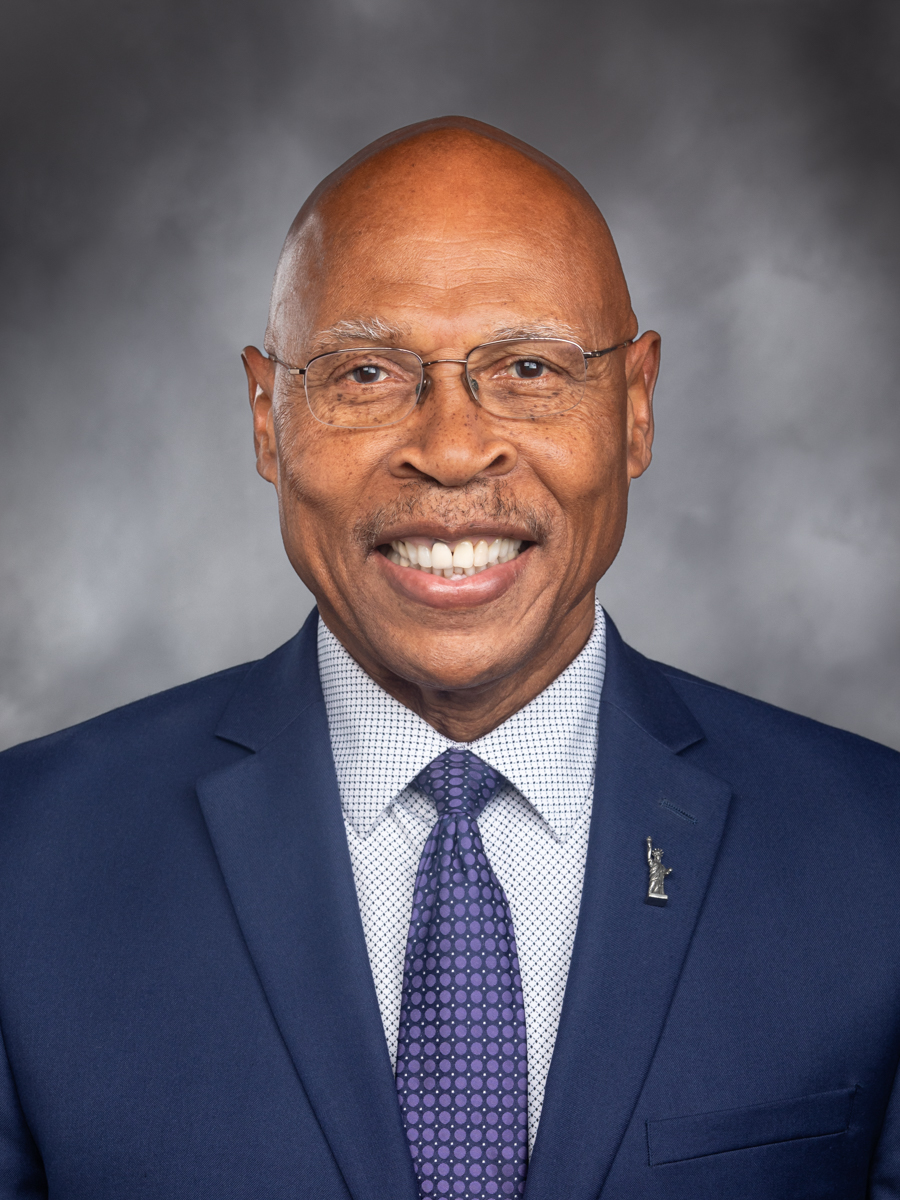
John Lovick
Senate · District 44
|
D |
Support
|
78% | 155 |

Annette Cleveland
Senate · District 49
|
D |
Support
|
78% | 155 |

June Robinson
Senate · District 38
|
D |
Support
|
78% | 154 |

Zach Hall
House · District 5
|
D |
Oppose
|
25% | 152 |

Leonard Christian
Senate · District 4
|
R |
Oppose
|
28% | 155 |

Jim McCune
Senate · District 2
|
R |
Oppose
|
30% | 152 |

Matt Boehnke
Senate · District 8
|
R |
Oppose
|
31% | 152 |

Drew MacEwen
Senate · District 35
|
R |
Oppose
|
32% | 154 |
Showing 621–627 of 627
bills
All budget & taxes bills
HB 1808: Creating an affordable homeownership revolving loan fund program.
Topics
✓ Budget & TaxesSupports Budget & TaxesState allocates budget funds to create a revolving loan program for affordable housing, directly funding a public service for low-income households.
✓ HousingSupports HousingCreates state-funded revolving loan program for low-income homeownership, providing affordable financing with long-term affordability restrictions.
HB 1569: Increasing tax exemption transparency and accountability.
HB 1083: Concerning the distribution of aircraft fuel tax revenue.
Topics
✓ Budget & TaxesSupports Budget & TaxesRedirects aircraft fuel tax revenue to airport projects with mandatory reporting, promoting fiscal responsibility and transparent budget allocation.
✓ TransportationSupports TransportationBill allocates aircraft fuel tax revenue to airport infrastructure projects, directly funding transportation infrastructure as specified in the summary.
HB 2045: Investing in Washington families by restructuring the business and occupation tax on high grossing businesses and financial institutions.
Topics
✓ Budget & TaxesSupports Budget & TaxesNew tax on large corporations funds K-12 education, public safety, and healthcare programs, directly advancing state budget priorities.
✓ EducationSupports EducationBill explicitly states tax revenue will fund K-12 education per legislative findings, directly increasing education funding.
✓ HealthcareSupports HealthcareBill explicitly allocates tax revenue to fund healthcare programs as stated in legislative findings and summary.
SB 5734: Concerning the interstate bridge replacement toll bond authority.
Topics
✓ Budget & TaxesSupports Budget & TaxesAuthorizes bonds funded by tolls/fuel fees, securing repayment without new taxes or state debt, promoting fiscal responsibility for infrastructure project.
✓ TransportationSupports TransportationAuthorizes $2.5B in bonds for I-5 bridge replacement, directly funding transportation infrastructure project with clear repayment structure from tolls and fees.
SB 5791: Increasing state funding to expand access to higher education.
Topics
✓ Budget & TaxesSupports Budget & TaxesBill mandates 16.67% of business tax revenue to fund workforce education programs, directly increasing state funding for public services under budget/tax framework.
✓ EducationSupports EducationBill allocates 16.67% of business tax revenue to workforce education account (RCW 43.79.195) specifically for job training and higher education access programs.
✓ Labor & EmploymentSupports Labor & EmploymentDirectly funds job training and workforce development programs via tax revenue allocation, advancing employment skills and workforce readiness.