Issue · Budget & Taxes

Budget & Taxes (State Budget)

Every budget & taxes bill, vote, and legislator stance in Washington, automatically classified by Maddy, our AI policy reader.

Total bills
92
2025-2026 Regular Session
Top supporter
Joel McEntire
77% support rate
Top opponent
Melanie Morgan
14% support rate
Ranked legislators
10
5 support · 5 oppose
Key legislators

Who's moving state budget in Washington

Legislators moving state budget in Washington
Legislator Party Stance Support rate Votes
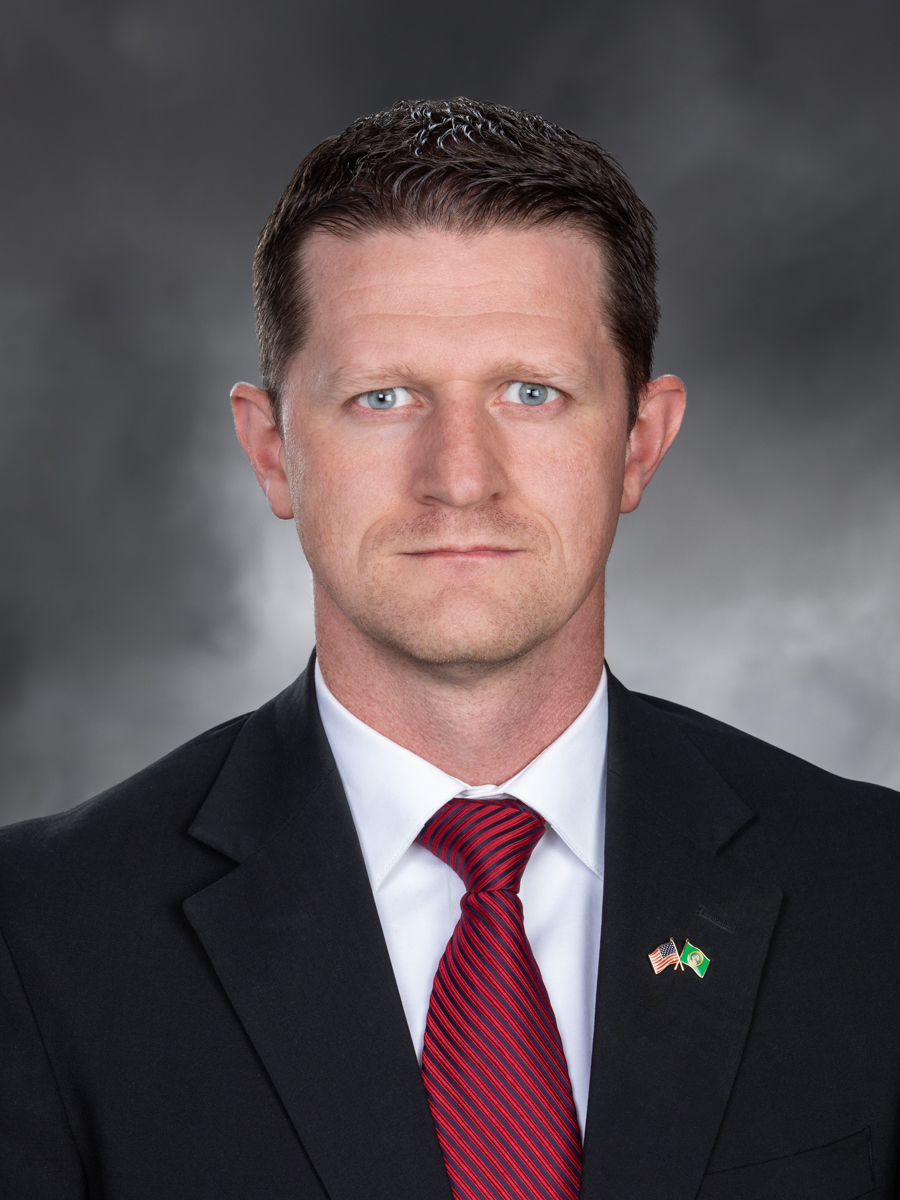
Joel McEntire
Joel McEntire House · District 19
R
Support
77% 31
Ed Orcutt
Ed Orcutt House · District 20
R
Support
75% 32
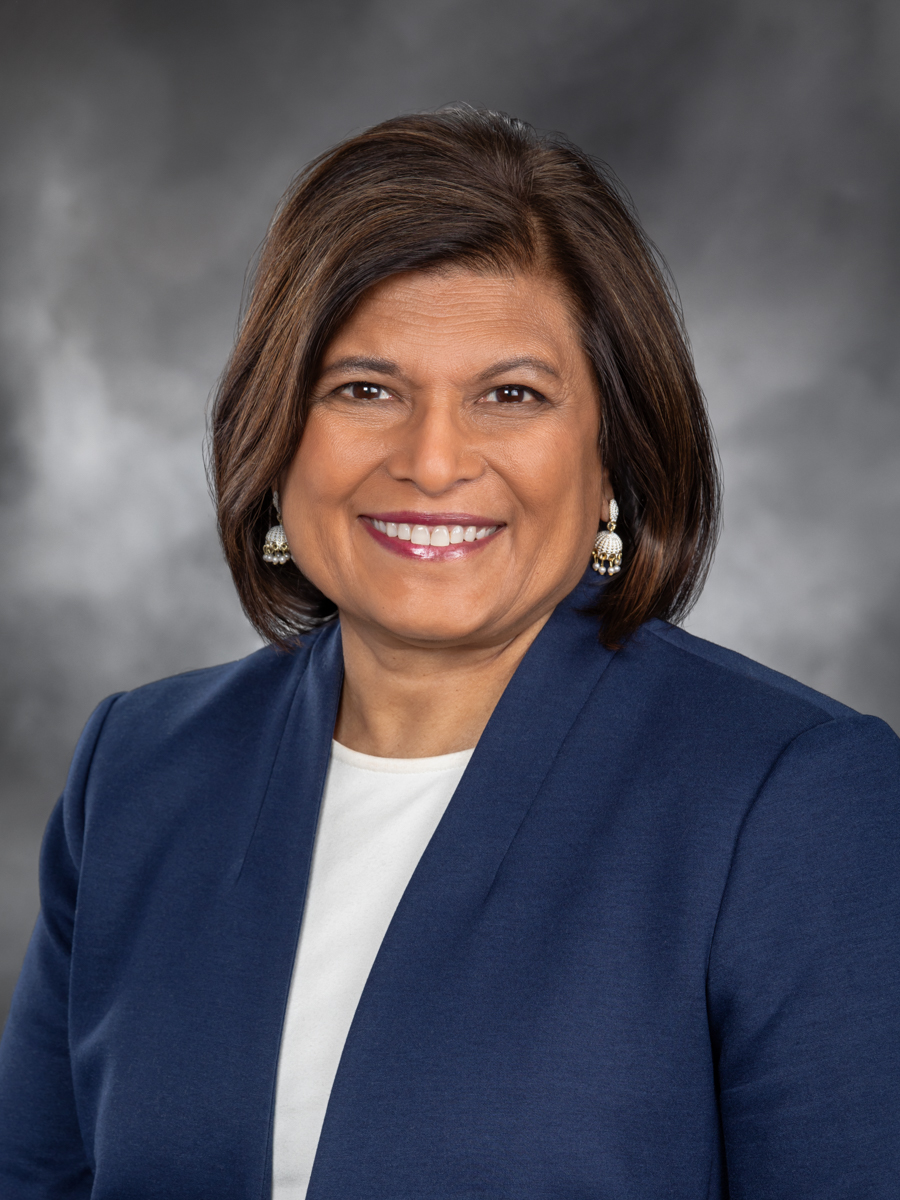
Vandana Slatter
Vandana Slatter Senate · District 48
D
Support
73% 15
Adison Richards
Adison Richards House · District 26
D
Support
73% 33
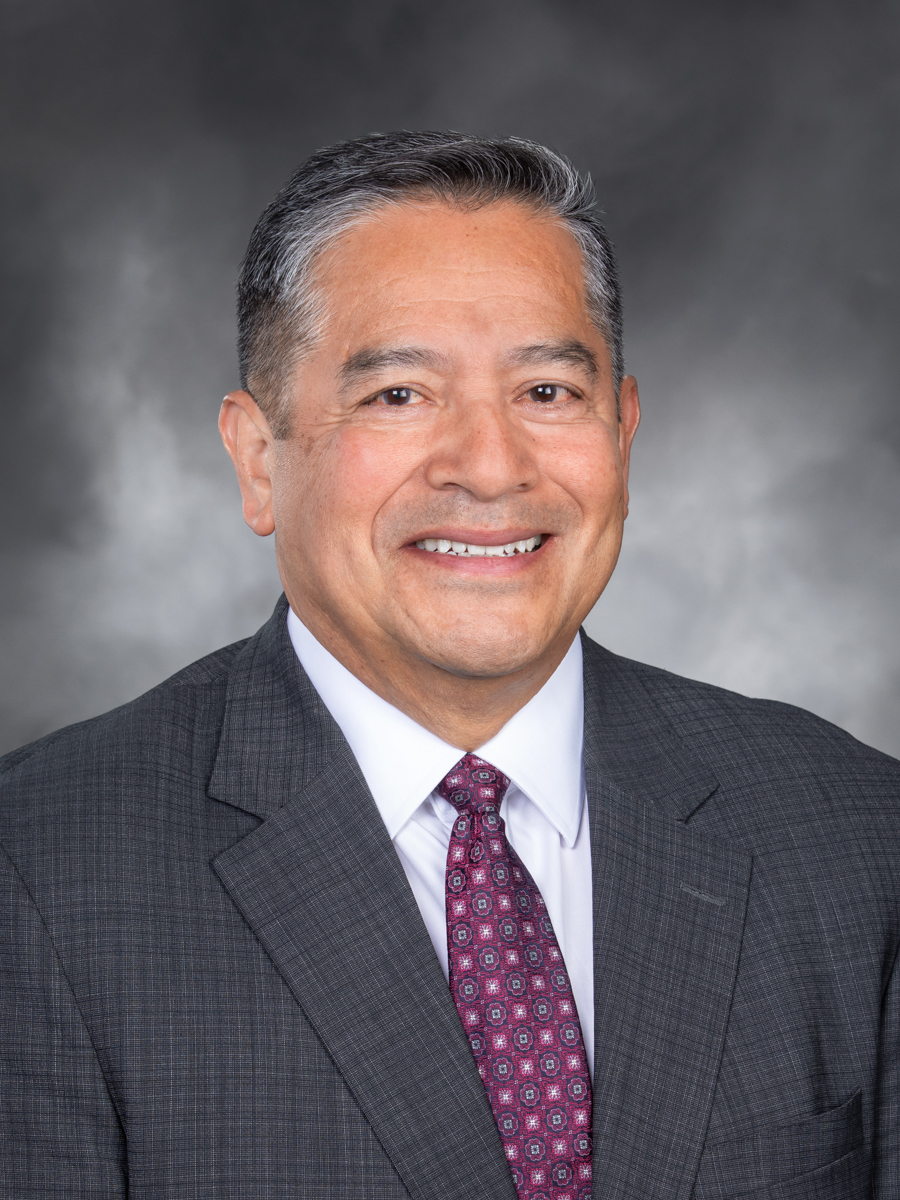
Alex Ybarra
Alex Ybarra House · District 13
R
Support
73% 33
Melanie Morgan
Melanie Morgan House · District 29
D
Strong −
14% 29
Amy Walen
Amy Walen House · District 48
D
Strong −
16% 31
Shaun Scott
Shaun Scott House · District 43
D
Oppose
21% 33
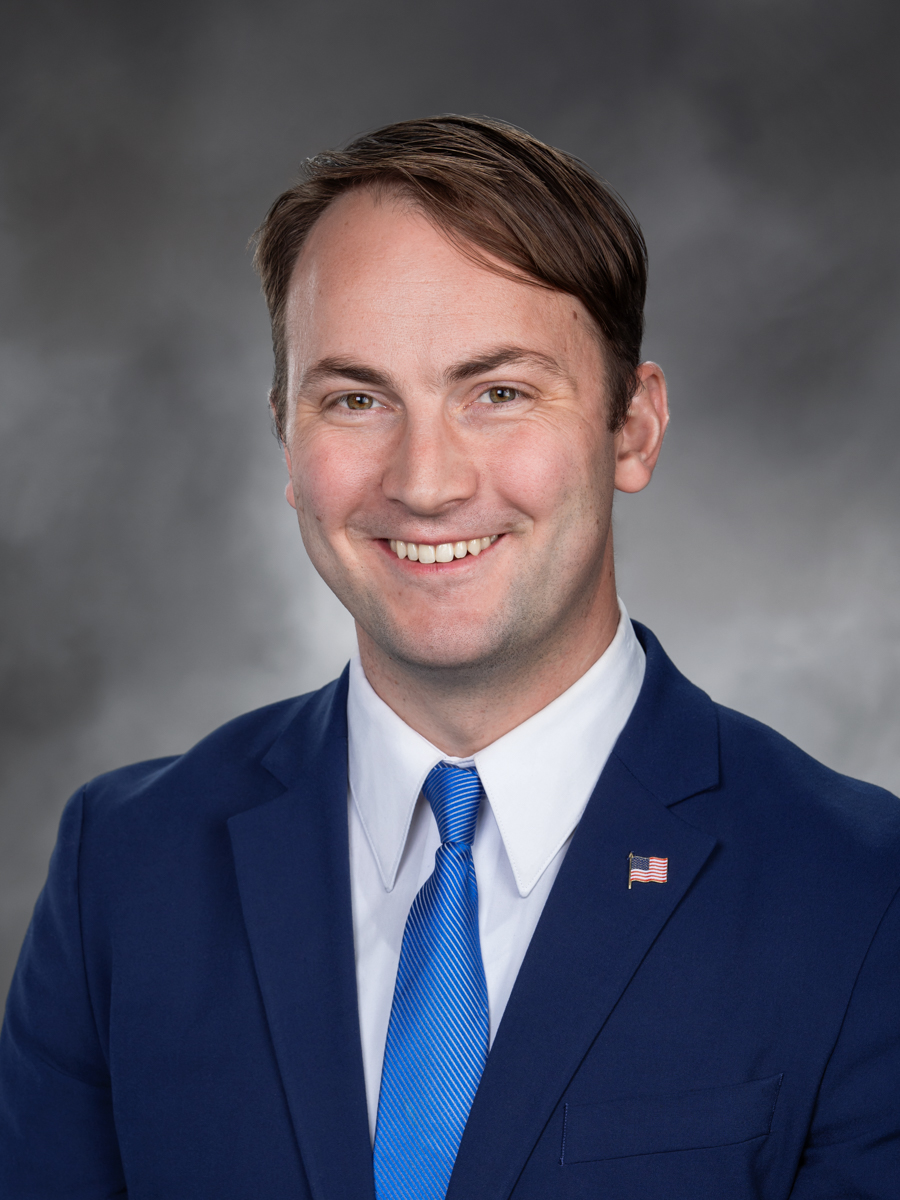
Zach Hall
Zach Hall House · District 5
D
Oppose
22% 18
Dan Bronoske
Dan Bronoske House · District 28
D
Oppose
24% 33
Showing 41–50 of 92 bills

All budget & taxes bills

signed · Washington · House May 17, 2025

HB 1473: Making expenditures from the budget stabilization account for declared catastrophic events.

HB 1473 appropriates $77,687,000 from the state's budget stabilization account to the Department of Natural Resources. These funds are specifically designated to cover fire suppression costs incurred by the department during the 2024 fire season. The bill addresses a state of emergency declared due to wildfires, aiming to support the state's response to these catastrophic events. It includes an emergency clause, making its provisions effective immediately upon enactment.
Sub-Topics State Budget
in committee · Washington · House Jan 12, 2026

HB 2053: Concerning limiting state employment based on population.

HB 2053 would limit Washington State's employment by requiring that the state not hire more than one full-time equivalent employee for every 70 residents. This applies to all state agencies and departments, using the Office of Financial Management's official population estimates to calculate the cap. The bill amends state law to add this requirement, averaging employee counts over the fiscal year and basing population on the office's certified data. It directly affects state hiring decisions but does not change current staffing levels. The policy sets a concrete numerical limit on state workforce size relative to population.
in committee · Washington · House Jan 12, 2026

HB 1225: Reforming the Washington state budgeting process through requiring prioritized spending on essential state functions, placing limitations on state spending and revenue proposals, and requiring accountability for every dollar spent within the state budget.

HB 1225 requires Washington state agencies to prioritize essential services (like public safety, education, and healthcare) over non-essential spending when creating budgets. It mandates detailed budget documents showing how every dollar will be spent, including performance metrics for programs, and places limits on state spending and revenue proposals to prevent budget deficits. The bill directly affects state agencies and the legislature by amending budget submission rules (RCW 43.88.030 and 43.88.055) to enforce fiscal accountability and ensure taxpayer funds directly support priority services.
in committee · Washington · House Jan 12, 2026

HB 1538: Providing capital financial assistance to small school districts with demonstrated funding challenges.

HB 1538 creates a new grant program to help small, financially struggling school districts (with 1,000 students or fewer) modernize or rebuild aging school buildings. It requires projects to address critical safety issues like seismic risks, outdated infrastructure, and accessibility barriers in buildings over 30 years old and rated "poor" by the state. Districts must first secure a planning grant to assess needs before applying for construction grants, with funding prioritized based on financial need and building conditions. Grants cover project planning, design, and construction costs (excluding district administration), but cannot exceed 110% of the statewide average cost per square foot.
in committee · Washington · House Jan 12, 2026

HB 1411: Limiting assumed revenues to projected revenues by the economic and revenue forecast council.

HB 1411 requires Washington's governor to base budget revenue estimates solely on the state's official economic and revenue forecast, rather than using other projections. This prevents the state from planning with assumed revenue levels higher than what the forecast council officially projects. The bill affects how the governor prepares annual and biennial budgets by mandating that all revenue estimates must align with the forecast council's approved numbers for most funds. It ensures budget planning relies on verified revenue data, not hypothetical scenarios.
in committee · Washington · House Jan 12, 2026

HB 1729: Providing property tax relief by reducing both parts of the state school levies.

HB 1729 reduces Washington's state property tax levies for schools by reversing $4 billion in excess revenue collected since 2018 due to faster-than-expected property value growth. It directly lowers taxes for homeowners by setting specific annual dollar amounts ($2.79 billion for Part I and $1.32 billion for Part II) for 2026-2028, replacing percentage-based rates. This adjustment prevents future over-collection by basing levies on actual past revenue shortfalls, not outdated growth assumptions. After 2028, levies return to standard calculation methods under state law.
in committee · Washington · House Jan 12, 2026

HB 1466: Increasing the biennial funds contribution in lieu of state funds from the hospital safety net program.

HB 1466 increases the biennial funding amount used to replace state general fund payments for Medicaid hospital services, raising it from $452 million to $527 million for the 2025-2027 fiscal biennium, with a subsequent rise to $552 million per biennium starting in 2027. This funding directly affects hospitals and managed care organizations receiving Medicaid payments, as it replaces state general fund contributions while maintaining payment levels at 2022 rates (adjusted for enrollment). The bill specifies that $160 million annually must fund postacute hospital transitions and allocates $2 million for psychiatry residency programs and $4.1 million for family medicine residency slots at the University of Washington. It also ensures funds are used exclusively for Medicaid hospital services, administrative costs, and federal compliance, with no new programs created.
in committee · Washington · Senate Jan 12, 2026

SB 5787: Making expenditures from the budget stabilization account for declared catastrophic events.

SB 5787 allows the state to use $77,687,000 from the budget stabilization account to cover fire suppression costs incurred by the Department of Natural Resources during the 2024 wildfire season. It directly affects wildfire response efforts by authorizing funds for firefighting operations following the governor's August 2, 2024, emergency declaration due to wildfires. The bill specifies these funds are for the fiscal year ending June 30, 2025, and clarifies that this appropriation does not change the requirement to balance future budgets. It takes immediate effect as an emergency measure to address ongoing wildfire threats.
Sub-Topics State Budget
in committee · Washington · House Jan 12, 2026

HB 1767: Concerning school enrollments for enrichment funding.

HB 1767 adjusts how Washington state provides supplemental funding to school districts based on their enrichment levies. It calculates state assistance as a fraction of a district's actual levy rate (capped at $1.50 per $1,000 assessed value) for districts below that threshold, while districts meeting or exceeding it receive full maximum assistance. The bill also sets a per-pupil funding limit ($2,500 or $3,000, adjusted for inflation) based on district size for enrichment levies, and includes specific provisions for state-tribal education compact schools. This directly affects school districts collecting enrichment levies, particularly smaller districts and tribal schools, by changing how their local levy efforts translate to state funding.
in committee · Washington · House Jan 12, 2026

HB 1356: Concerning K-12 funding.

HB 1356 adjusts Washington state's K-12 school funding by updating local enrichment levy limits and creating a state matching program. It sets new per-pupil funding caps ($2,500 for districts under 40,000 students, $3,000 for larger districts) through 2030, adjusted annually for inflation plus a temporary 3.33% annual increase (2027-2030), then raises the cap to $5,035 starting in 2031. The bill requires school districts to get approval for how they spend local levy funds before voting on them and links state funding to local effort - matching districts that raise less than $1.50 per $1,000 in property value. This directly affects all public school districts and state-tribal education compact schools by changing how local taxes and state funds combine to support school programs.
Showing 41 to 50 of 92 bills
Previous 1 4 5 6 10 Next