

Issue · Budget & Taxes
Budget & Taxes (Revenue)
Every budget & taxes bill, vote, and legislator stance in Washington, automatically classified by Maddy, our AI policy reader.
Total bills
52
2025-2026 Regular Session
Top supporter
Amy Walen
100% support rate
Top opponent
Alex Ybarra
33% support rate
Ranked legislators
10
5 support · 5 oppose
Key legislators
Who's moving revenue in Washington
| Legislator | Party | Stance | Support rate | Votes |
|---|---|---|---|---|

Amy Walen
House · District 48
|
D |
Strong +
|
100% | 3 |
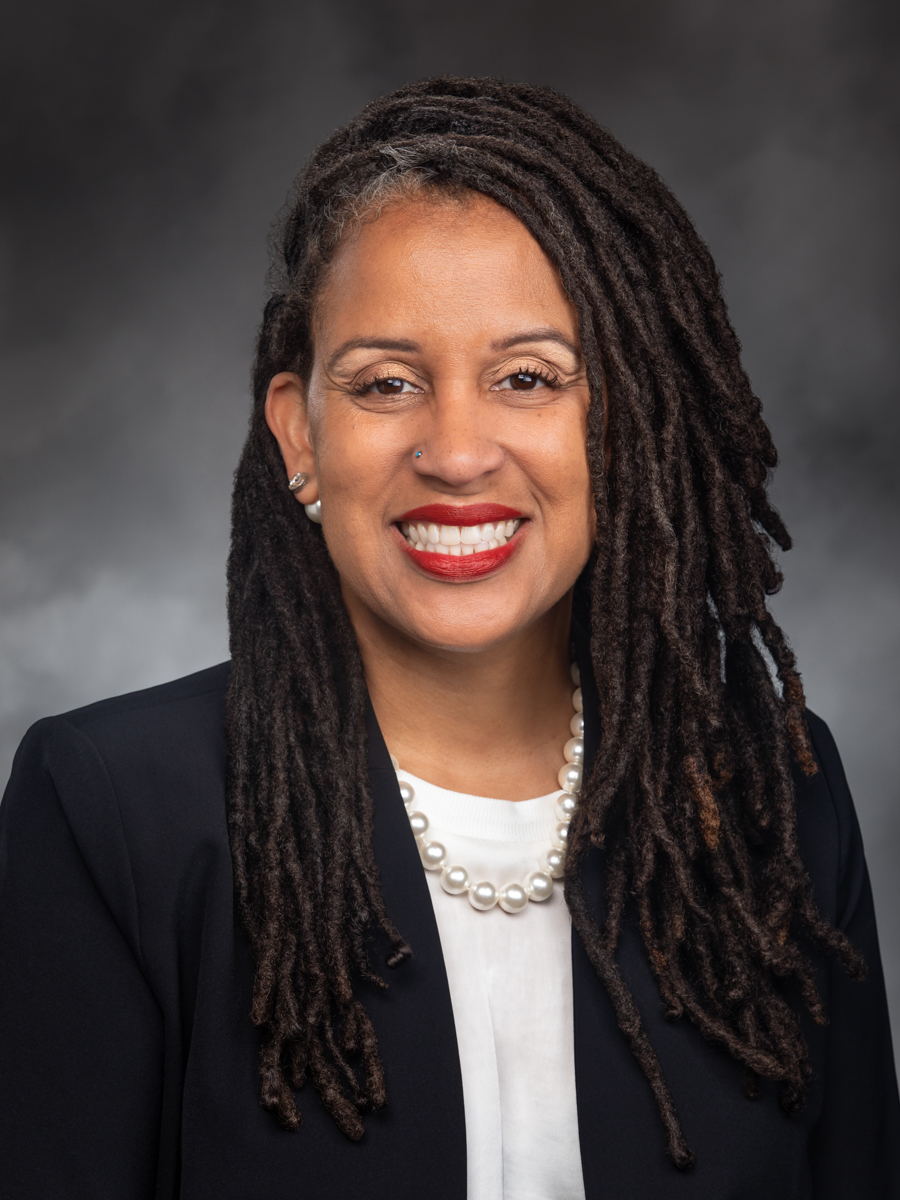
April Berg
House · District 44
|
D |
Strong +
|
100% | 3 |
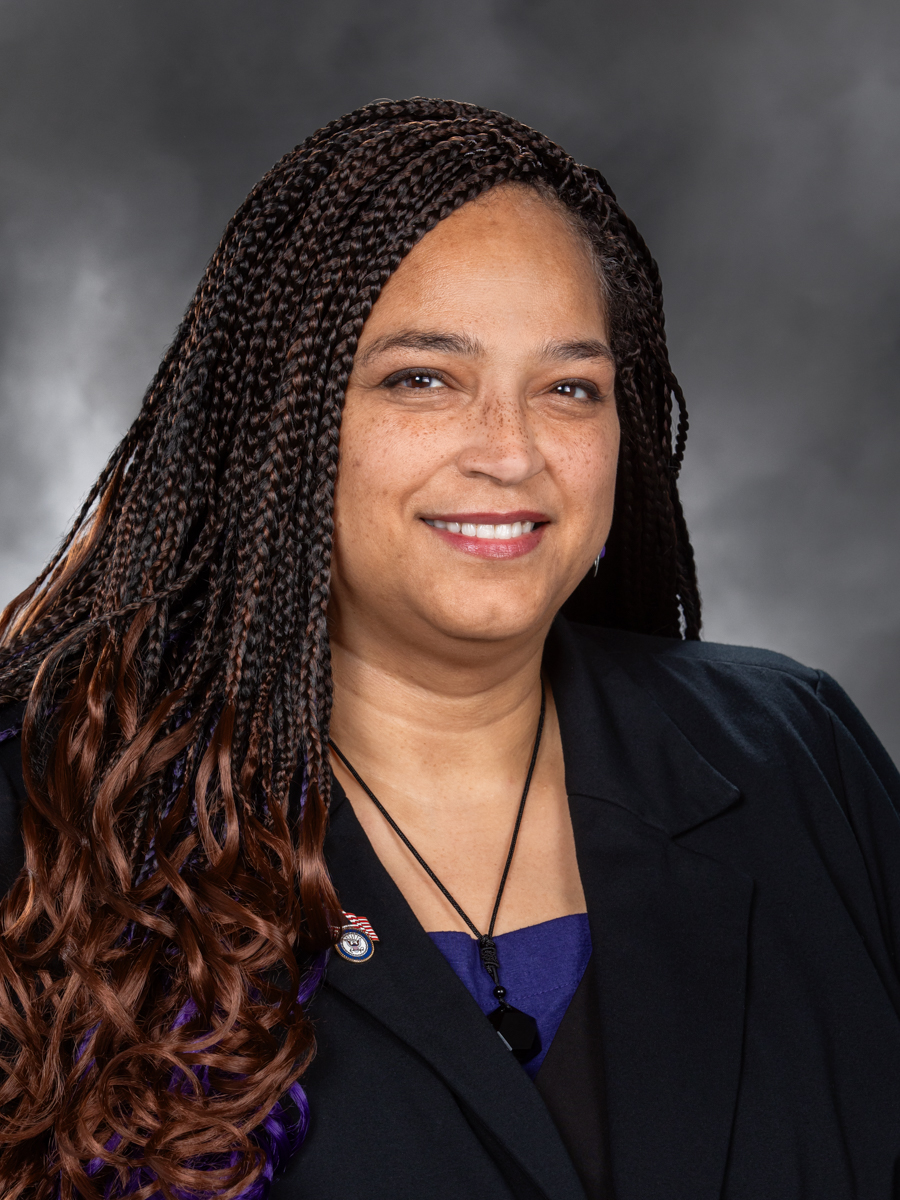
Brandy Donaghy
House · District 44
|
D |
Strong +
|
100% | 3 |

Brianna Thomas
House · District 34
|
D |
Strong +
|
100% | 3 |
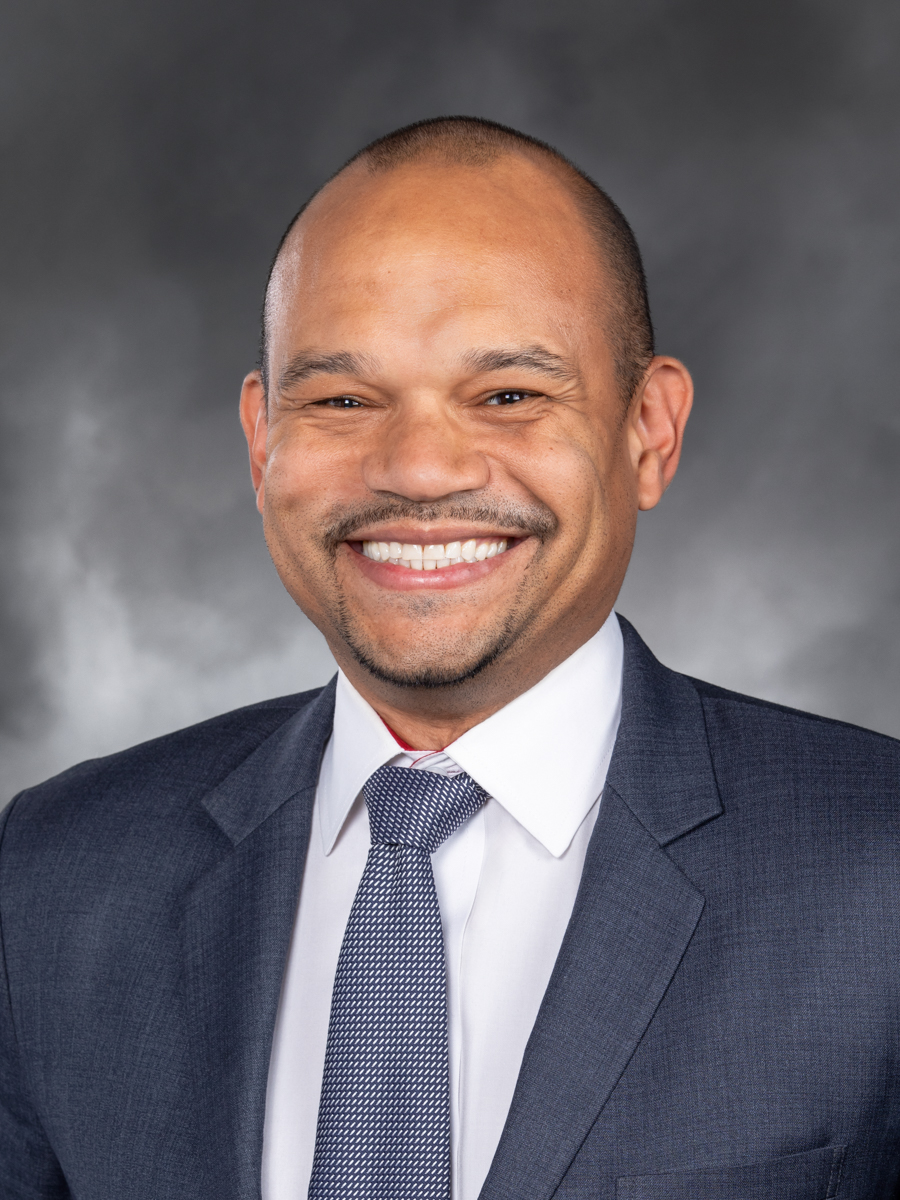
Chipalo Street
House · District 37
|
D |
Strong +
|
100% | 3 |
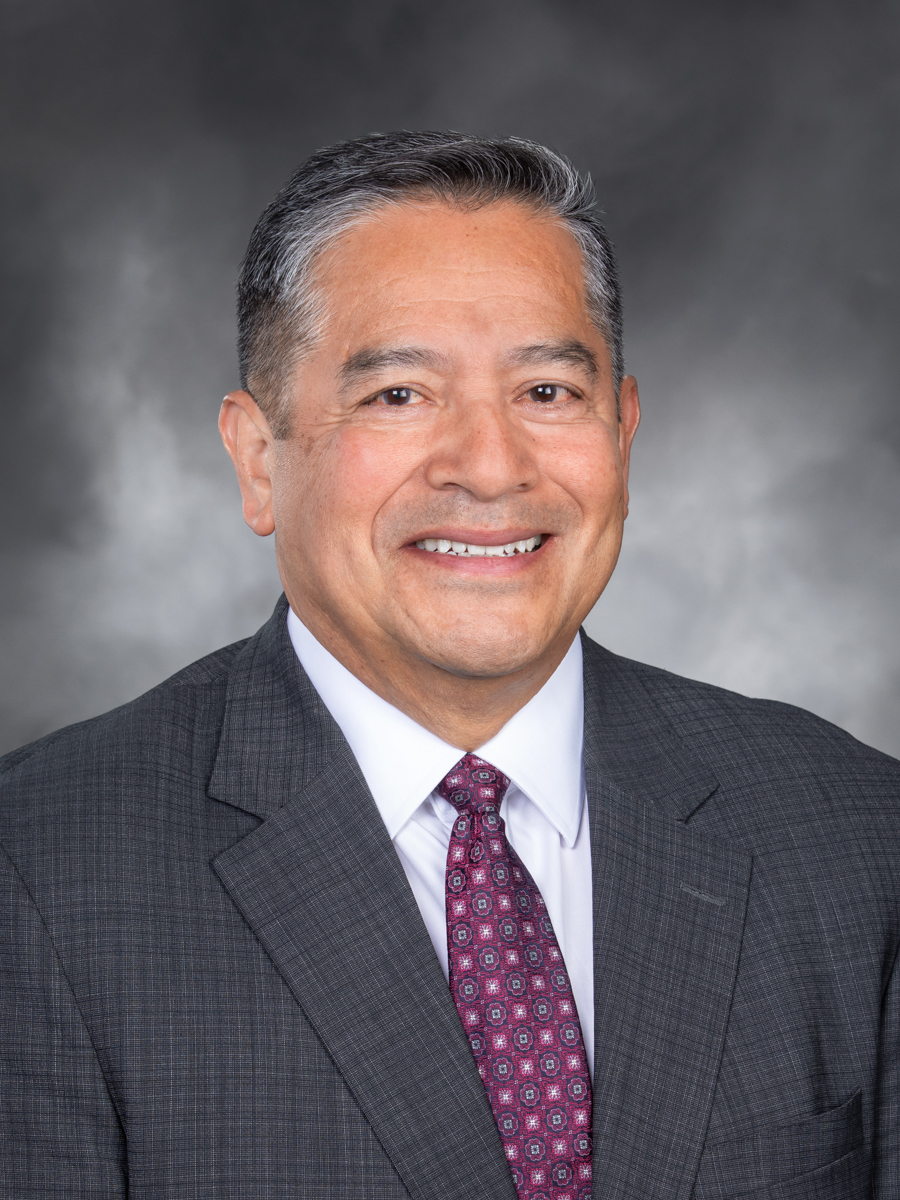
Alex Ybarra
House · District 13
|
R |
Oppose
|
33% | 3 |

Alicia Rule
House · District 42
|
D |
Oppose
|
33% | 3 |
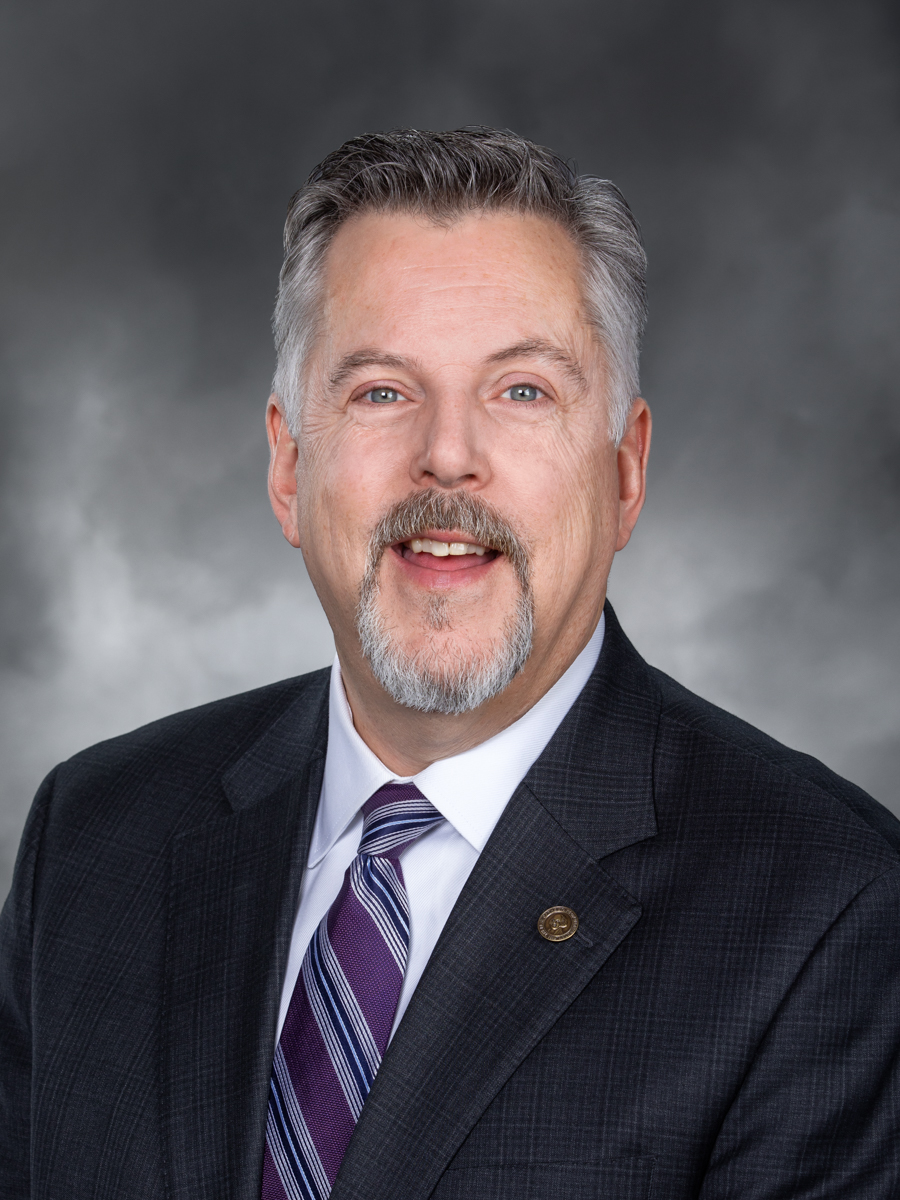
Andrew Barkis
House · District 2
|
R |
Oppose
|
33% | 3 |
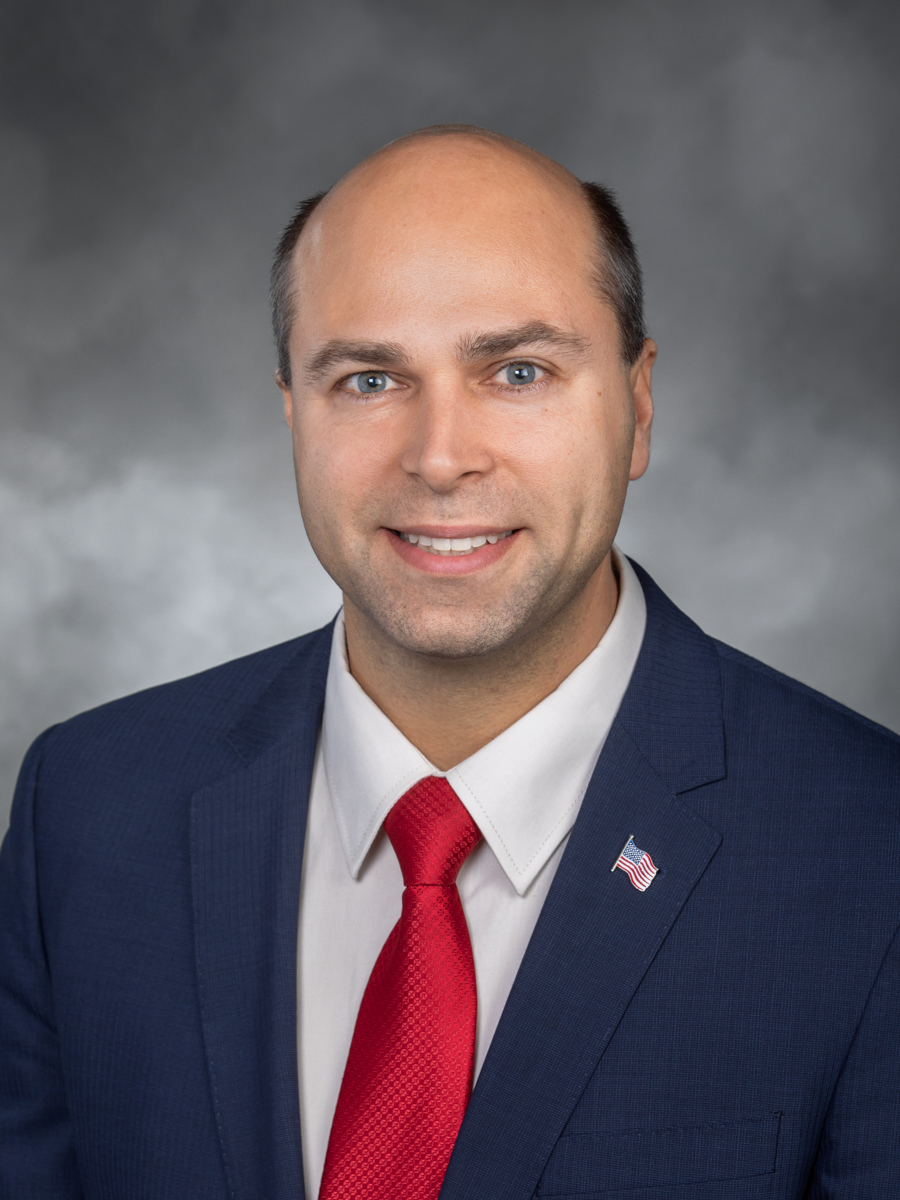
Andrew Engell
House · District 7
|
R |
Oppose
|
33% | 3 |
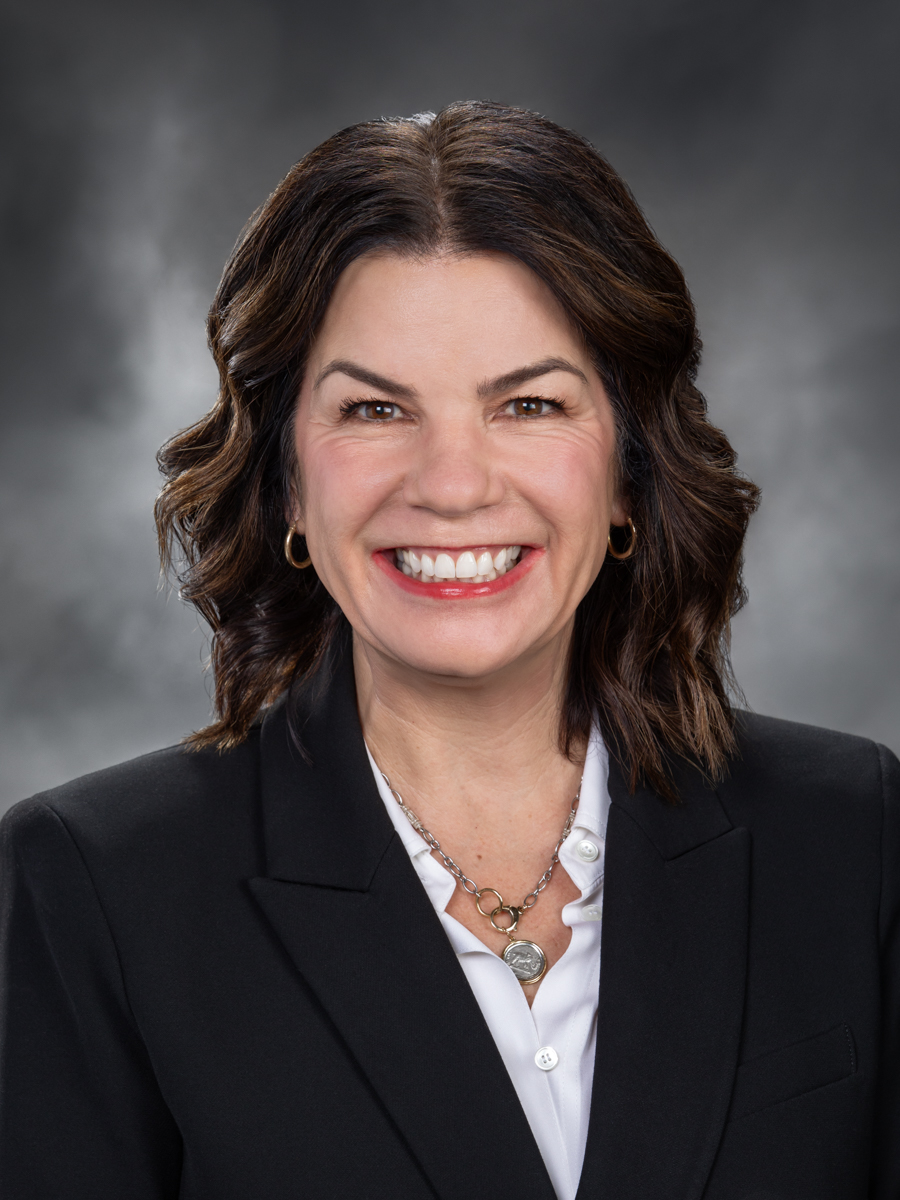
April Connors
House · District 8
|
R |
Oppose
|
33% | 3 |
Showing 31–40 of 52
bills
All budget & taxes bills
SB 5739: Concerning public facilities districts.
SB 5645: Transferring extraordinary revenue collections from the estate tax to the developmental disabilities community services account.
Sub-Topics
Revenue
HB 1994: Encouraging local support of communities that host renewable energy through changes in tax policy.
Topics
✓ Budget & TaxesSupports Budget & TaxesCreates county-level excise tax on renewable facilities to fund community projects, directly aligning with 'funds essential programs' in tax policy and fiscal management.
✓ EnergySupports EnergyBill creates tax on renewable facilities but mandates revenue funding for community projects, directly encouraging local support for renewable energy development.
✓ EnvironmentSupports EnvironmentBill enables renewable energy expansion by funding community support via tax revenue from large facilities, aligning with clean energy promotion.
HB 1867: Allowing counties or cities to impose a real estate excise tax for the purpose of developing affordable housing, subject to the will of the voters.
Topics
✓ Budget & TaxesSupports Budget & TaxesBill establishes a new local tax (0.5% real estate excise) to fund affordable housing programs, directly advancing public service funding through dedicated fiscal policy.
✓ HousingSupports HousingBill creates a dedicated funding mechanism (0.5% real estate tax) exclusively for affordable housing development targeting low/moderate-income residents and those with special needs.
HB 1408: Establishing funding for community preservation and development authorities approved through RCW 43.167.060.
Topics
✓ Budget & TaxesSupports Budget & TaxesRedirects 30% of stadium sales tax revenue to community development funds for housing/safety projects, advancing public funding allocation per tax revenue stream.
✓ HousingSupports HousingBill allocates stadium tax revenue to community funds specifically for housing needs in local projects addressing housing development.
HB 1730: Directing the deposit of the proceeds from taxes on aircraft fuel to the aeronautics account.
Topics
✓ Budget & TaxesSupports Budget & TaxesRedirects existing aircraft fuel tax revenue exclusively to aeronautics programs, ensuring dedicated funding for aviation infrastructure without altering tax rates or rates.
✓ TransportationSupports TransportationRedirects aircraft fuel tax revenue to aeronautics account, funding aviation infrastructure within transportation. Explicitly allocates existing tax proceeds for aviation programs.
SB 5285: Incentivizing cities and counties to increase employment of commissioned law enforcement officers.
Topics
✓ Budget & TaxesSupports Budget & TaxesBill authorizes local 0.10% sales tax to fund law enforcement officers, directly increasing government spending on public safety through new tax revenue.
✓ Criminal JusticeSupports Criminal JusticeFunds additional law enforcement officers and permits related criminal justice programs, directly advancing public safety and officer staffing.
HB 1334: Modifying the annual regular property tax revenue growth limit.
HB 2077: Establishing a tax on certain business activities related to surpluses generated under the zero-emission vehicle program.
Topics
✓ Budget & TaxesSupports Budget & TaxesCreates new tax on ZEV credit profits, with revenue reinvested into programs, aligning with funding public initiatives per topic indicators.
✓ EnergySupports EnergyTax on ZEV credit surpluses funds clean energy programs, advancing renewable energy infrastructure per bill's reinvestment intent.
✗ EnvironmentOpposes EnvironmentTax on ZEV credit profits reduces manufacturer incentive to exceed ZEV requirements, weakening program effectiveness despite revenue reinvestment into environmental programs.
✓ TransportationSupports TransportationBill taxes ZEV credit profits and reinvests revenue to promote zero-emission vehicles, a sustainable transportation initiative.